What Salem fabricated metals plants actually put down the drain
A typical Salem-area stamping or machining shop sends a mixed stream to the floor drain: water-soluble and semi-synthetic stamping coolant, drawing lubricant from press operations, tramp oil that leaks from hydraulic systems, parts-washer detergent carryover, and a steady rain of ferrous fines and occasional non-ferrous swarf. Stainless passes through the cell add hexavalent chromium to the mix on a bad day. Quantitatively, the feed you should design around is 500–3,000 ppm total suspended solids (TSS), 200–1,500 ppm oil and grease, and a pH window of roughly 6–10 once rinse water dilutes the coolants (HydropureWater field data, 2026).
That feed profile matters because the City of Salem / Salem-Keizer POTW surcharge triggers on oil & grease and TSS — they are a direct cost line on the monthly bill, not a compliance footnote. At 800–1,500 ppm oil & grease, a 50 gpm shop hauling nothing and discharging straight to sewer can see five-figure annual surcharges before counting any fines for a slug. The equipment decision downstream — DAF or clarifier — depends on the ratio of free to emulsified oil and the specific local limits of the POTW.
How a DAF actually separates oil and fines
Dissolved air flotation works by attaching microscopic air bubbles to oil droplets or pre-formed floc, then floating that aggregate to the surface for skimming. The bubble size is the critical variable: SigmaDAF publishes a 30–50 micron microbubble range, while DAF Corp's Micro Bubbler generator is rated at 20–40 microns with no coarse air carryover (source: dafcorp.com; clearwaterind.com). Bubbles in that band are smaller than most free oil droplets and roughly the same order of magnitude as emulsified oil droplets, which is why DAF can float oil that a settling basin cannot.
DAF does not work on raw wastewater alone. Every reliable installation pairs the flotation cell with coagulation and flocculation chemistry upstream — typically a coagulant (alum, ferric chloride, or a cationic polymer) to neutralize charge and a flocculant (anionic or nonionic polyacrylamide) to build a buoyant floc. The floc is what the bubbles attach to. For a Salem job shop, that means a HydropureWater automatic chemical dosing skid feeding the HydropureWater DAF system is the realistic configuration, not a bare flotation tank.
Performance evidence: DAF Corp's FC-150 Maximizer is rated for 500 gpm at 2,000 ppm suspended solids, clarified to 50 ppm (~98% removal); the company's published material also calls out 2–4% thickened sludge consistency, which is the consistency required for downstream dewatering rather than a watery clarifier underflow (source: dafcorp.com).
How a conventional clarifier behaves on the same stream
A lamella (inclined-plate) clarifier shortens the settling path by stacking plates at 55–60°, multiplying effective floor area inside a small footprint. For settleable metal fines — the heavy stuff that drops out of suspension in minutes — it is a compact, low-chemical tool. A HydropureWater lamella clarifier in this class typically runs at 20–40 m/h surface loading and delivers roughly 30% chemical savings versus a conventional basin of equivalent capacity.
Emulsified oil is the clarifier's hard limit. A droplet of tramp oil broken by surfactant in a water-soluble coolant stays suspended essentially forever under gravity. Practical field experience puts the failure threshold near 100 ppm emulsified oil: above that, a clarifier alone will not meet typical POTW FOG limits, and a pre-DAF or full DAF replacement is required (HydropureWater field data, 2026). Clarifiers also do poorly on FOG bound to light metal fines — the buoyancy of the oil fights the settling of the fines, and you end up with a floating scum blanket rather than a clean effluent.
DAF vs clarifier for fabricated metals: the side-by-side
The procurement-ready comparison a plant owner can sign off on:
| Parameter | DAF (e.g., HydropureWater / FC Maximizer) | Lamella Clarifier |
|---|---|---|
| Oil & FOG removal (emulsified) | 85–98% | 30–60% (often insufficient above 100 ppm) |
| TSS removal | 85–98% (FC Maximizer 92–98%; RC UniMax 85–90%) | 50–80% for settleable fines |
| Footprint @ 50 gpm (incl. sludge) | ~25–35 m² | ~6–10 m² |
| CAPEX band (50 gpm, 2026 USD) | $180k–$320k installed | $60k–$120k installed |
| OPEX drivers | Polymer, saturator air, skimmer power, sludge haul-off | Lower polymer, no saturator, periodic plate cleaning |
| Best-fit stream | Emulsified coolant, tramp oil, drawing lube, FOG >100 ppm | Low-oil rinse, settleable metal fines only |
| Worst-fit stream | Heavy grit that abrades skimmers; very low FOG | Emulsified coolant, free oil, colloidal MWF |
The footprint gap is real but misleading on its own. A 50 gpm DAF pays back the additional 20 m² in lower hauling volumes (2–4% thickened sludge vs. a watery clarifier underflow) and lower POTW surcharges once oil and TSS leave the billing formula. The HydropureWater DAF system data above reflects manufacturer-rated removal; plan engineering around the lower end of the band for bid safety.
Worked example: a 50 gpm Salem stamping plant
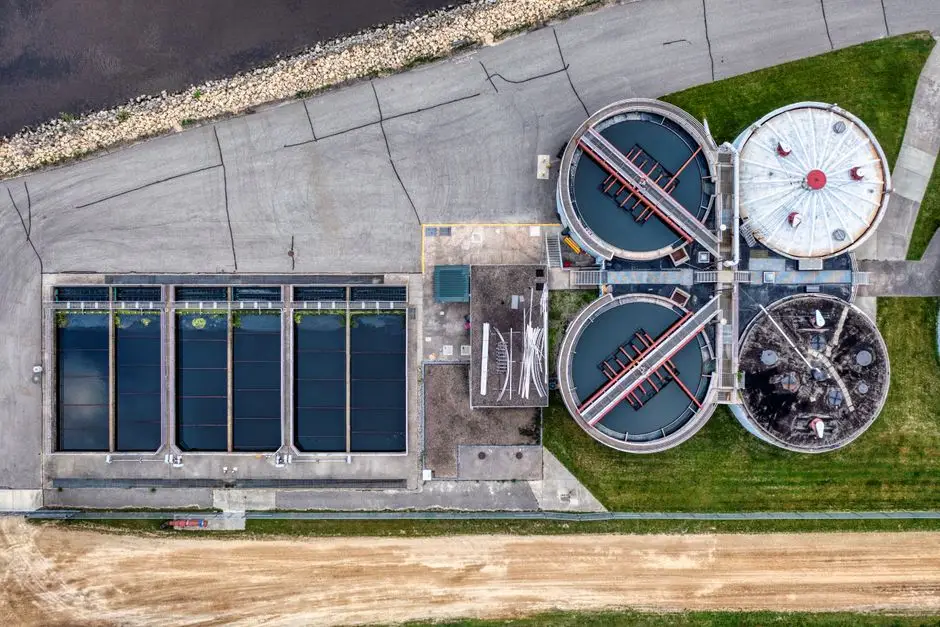
Take a 50 gpm (≈11.4 m³/h) stamping cell running a press, two CNC mills, and one aqueous parts washer. Measured influent averages 1,500 ppm TSS and 600 ppm oil & grease, with periodic spikes to 2,000 ppm TSS when the washer dumps. Scaling from the DAF Corp FC-150 reference (500 gpm at 2,000 ppm → 50 ppm), a properly sized DAF on this stream should deliver clarified water in the 30–60 ppm TSS and 25–40 ppm oil & grease range — comfortably under typical Salem POTW surcharge triggers (HydropureWater field data, 2026).
Financial considerations follow the efficiency data. At 600 ppm oil & grease going in, a clarifier-only skid leaves enough FOG in the effluent to keep the surcharge active and to risk a compliance excursion. A DAF at this loading typically pays back in 12–24 months for a 50 gpm job shop through surcharge avoidance plus reduced off-site sludge hauling (a 2–4% thickened sludge cuts hauling frequency by 3–5× versus a clarifier underflow at ~0.5–1%). A clarifier-only skid pays back faster only when the influent oil is below 50 ppm.
Salem 2026 pretreatment and POTW rules to design around
The federal umbrella is 40 CFR Part 413 (metal finishing) and 40 CFR Part 433 (metal products & machinery), which set categorical pretreatment standards for pollutants including lead, cadmium, chromium (including hexavalent), nickel, zinc, oil & grease, and TSS. The binding day-to-day number is what the City of Salem / Salem-Keizer deep-bed POTW enforces through its local limits and surcharge schedule. Oregon POTWs in 2026 are tightening FOG triggers and lowering detection limits as loads rise, so design to the local number rather than the federal category maximum.
| Driver | Salem-area design number (2026) |
|---|---|
| Local oil & grease limit (typical) | 100 mg/L ceiling; surcharges begin near 50 mg/L |
| Local TSS limit (typical) | 200–300 mg/L ceiling depending on classification |
| Hexavalent chromium (stainless cells) | Must be reduced to trivalent upstream; POTW daily max typically 0.1 mg/L |
| pH envelope | 5.0–11.0 standard; narrows to 6.0–10.0 in some industrial user permits |
| Enforcement trend (2026) | Lower DLs, tighter FOG triggers, more grab-sample audits |
DAF sludge at 2–4% consistency is also easier to manifest on a metals-bearing waste manifest than a watery clarifier underflow, because higher solids means less liquid volume to characterize and transport (per DAF Corp published consistency data).
How to pick in 2026: a simple decision rule
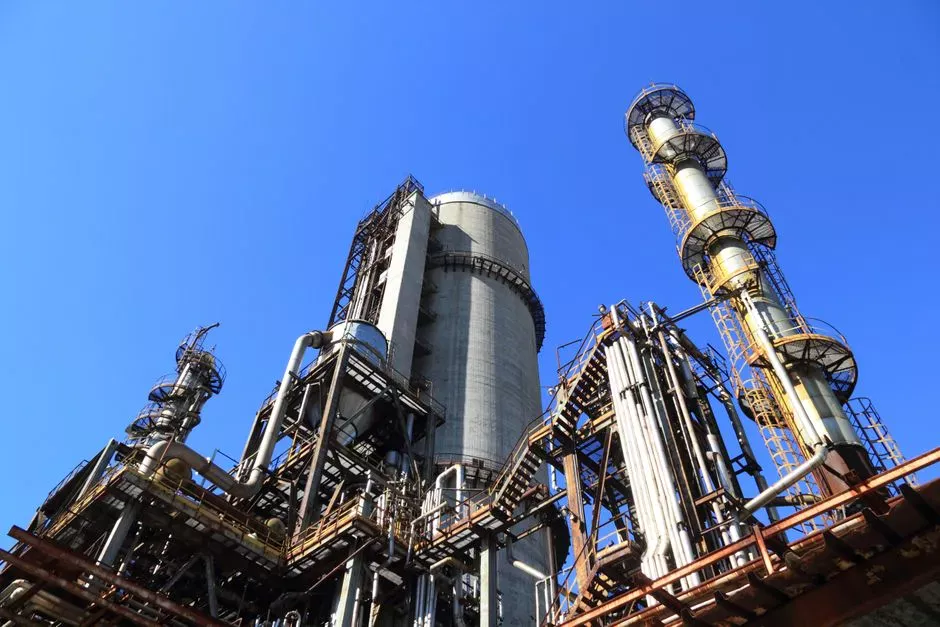
Specify a DAF as the primary separator if oil & grease is consistently above 100 ppm, or the stream contains emulsified coolant, drawing lube, or tramp oil; the HydropureWater DAF system paired with a chemical dosing skid is the standard approach. If oil is below 50 ppm and the contaminants are genuinely settleable metal fines, a lamella clarifier with polymer dosing is the smaller, cheaper, correct tool. A hybrid is also defensible: DAF for primary oil/FOG removal, followed by a lamella clarifier as a polishing step ahead of any reuse or zero-discharge loop, with a HydropureWater plate and frame filter press handling the combined sludge. For a peer reference case in a different metalworking market, see this Birmingham fabricated metals DAF vs clarifier guide.
Frequently asked questions
What influent oil & grease level should push a Salem shop from a clarifier to a DAF?
Above roughly 100 ppm emulsified oil and grease, a lamella clarifier alone will not consistently meet typical Salem POTW FOG limits; a DAF should be specified as the primary separator at that point (HydropureWater field data, 2026).
How much TSS removal can a DAF realistically achieve on stamping and machining wastewater?
Manufacturer ratings for industrial DAF systems range from 85% to 98% TSS removal, with DAF Corp's FC Maximizer rated at 92–98% and the rectangular RC UniMax at 85–90% on a 2,000 ppm feed (source: dafcorp.com).
What is the typical payback period for a 50 gpm DAF in a Salem fabricated metals shop?
For a 50 gpm job shop at ~1,500 ppm TSS and several hundred ppm oil & grease, surcharge avoidance plus reduced sludge hauling typically delivers a 12–24 month payback on a DAF installation in 2026 (HydropureWater field data, 2026).
Does DAF address hexavalent chromium from stainless stamping?
DAF removes the oil, TSS, and metals-bearing floc, but hexavalent chromium must first be reduced to trivalent (typically with sodium metabisulfite at pH ~2) before any physical separation step; DAF then co-removes the trivalent precipitate with the rest of the floc.