Determine Which Limits Apply Before Designing the Treatment System
Mining and metals plants near Fletcher meet sewer limits through a layered compliance decision chain: identify every discharge stream, establish the controlling federal, state, and receiving-potw requirements, characterize the wastewater, size treatment against peak flow, and verify the installed system through acceptance testing. EPA’s 40 CFR Part 436 covers mine drainage, mineral processing wastewater, and stormwater runoff, with applicable requirements incorporated into NPDES permits. Indirect sewer dischargers must also satisfy the receiving POTW’s prohibited-discharge rules, categorical pretreatment standards, POTW local limits, and monitoring requirements. No Fletcher-area limit or flow should be assumed without the current controlling documents.
The first question is whether the project is a direct environmental discharge, an indirect sewer discharge, or both. EPA’s Mineral Mining and Processing Effluent Guidelines states that Part 436 was promulgated in 1975 and amended in 1976, 1977, 1978, and 1979. It covers wastewater from mine drainage, mineral processing operations, and stormwater runoff. For a direct discharge, the NPDES permit and its incorporated Part 436 subpart determine the applicable federal effluent provisions.
Do not select the federal treatment target until the site’s mineral and process category are confirmed. EPA identifies 20 reserved subparts, including Dimension Stone, Lightweight Aggregates, Lithium, Feldspar, and Garnet. A reserved subpart must not be treated as if it contains a current numeric federal limit.
For sewer discharge, obtain the receiving POTW’s current industrial-user requirements, prohibited-discharge list, categorical standards, local limits, monitoring rules, and applicable state requirements. EPA’s Local Limits Development Guidance, published June 25, 2021, is guidance rather than a regulation. Its disclaimer states that permits and regulations control if there is a conflict. Do not infer a Fletcher-area numeric limit from this article; request the current permit or local-limit ordinance from the receiving authority. The regional mining pretreatment compliance guide provides a useful regional decision framework, but it does not replace project-specific legal limits.
| Compliance layer | Documents to obtain | Engineering consequence |
|---|---|---|
| Federal direct-discharge layer | Current NPDES permit and applicable 40 CFR Part 436 subpart | Defines direct-discharge requirements where they apply. |
| State layer | Applicable state permit, rules, and agency requirements | May add restrictions or implementation requirements. |
| Indirect sewer layer | POTW industrial-user permit, prohibitions, categorical standards, local limits, and monitoring rules | Defines the sewer-discharge acceptance criteria and reporting basis. |
| Site layer | Process description, discharge points, sampling plan, flow history, and reuse objectives | Establishes the actual treatment basis of design. |
Characterize Each Wastewater Stream and Sampling Point
EPA’s Local Limits Development Guidance identifies the POTW, collection system, and industrial user as distinct sampling locations and requires flow data to be evaluated alongside analytical results. For a mining or metals site, that means sampling streams before they are diluted or masked by a high-volume process stream.
Create separate sample points for contact water, mine drainage, tailings drainage, dewatering discharge, floor wash, stormwater, and process wastewater. Then define which streams may be combined, whether stormwater is segregated, and where equalization occurs. This avoids sizing the treatment system around a blended concentration that no individual stream produces.
The analytical program should normally include pH, suspended solids, turbidity, conductivity or TDS, iron, manganese, copper, zinc, arsenic, and cadmium, plus process-specific metals and reagents identified by the permit and process review. The required frequency and analytical methods should come from the controlling POTW documents and the approved sampling protocol.
Raw acid mine drainage illustrates why pH and flow must be recorded together. OSMRE’s Co-treatment of Acid Mine Drainage in Municipal Wastewater Plants for Sustainable Design in Reclamation, issued June 30, 2023, reported raw mine-drainage pH from 3.13 to 4.58 across three sources studied. That range is a literature condition, not an assumed Fletcher influent value. Actual site results control equalization, chemical demand, and metal loading.
Sampling must cover representative operating and storm conditions. For each result, document the sample point, flow used, collection method, preservation, analytical method, operating condition, and rationale. Where a storm or process event can materially change the discharge, include it in the design basis rather than treating the result as an isolated outlier. The regional mining pretreatment compliance guide can help structure a multi-stream sampling program.
| Stream or sample point | Minimum characterization | Why separate it? |
|---|---|---|
| Mine drainage and dewatering | Flow, pH, metals, acidity or alkalinity where relevant, and solids | Low-pH drainage can impose the governing chemical and solids load. |
| Tailings and contact water | Suspended solids, turbidity, metals, and process reagents | Variable solids may mask dissolved-metal concentrations or overload clarification. |
| Process wastewater | Flow, pH, TDS or conductivity, metals, and operation-specific reagents | Process chemicals may prohibit direct sewer discharge or require specialized treatment. |
| Stormwater and floor wash | Flow basis, solids, pH, metals, and visible contamination indicators | These streams need event-specific controls and representative storm sampling. |
Map Contaminants to the Unit Operations
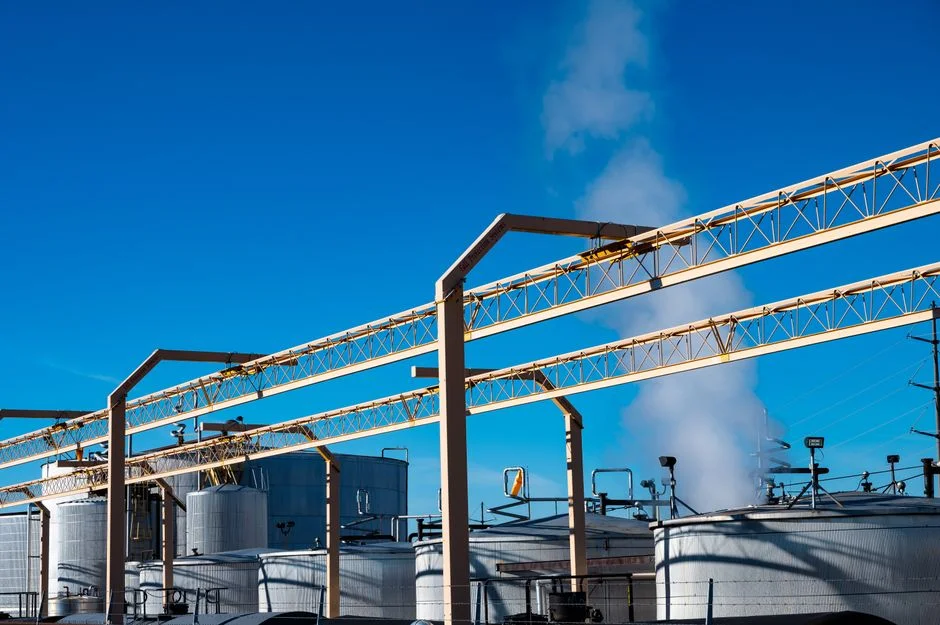
The treatment train should be assembled from measured contaminants and the receiving authority’s limits, not from a generic mine-water flow sheet. Equalization is the first operating buffer; pH adjustment and chemical precipitation then address dissolved metals; coagulation and flocculation prepare particles for separation; filtration or membranes handle the remaining solids or dissolved constituents.
Equalization should smooth variable flow and concentration before dosing. Controlled pH adjustment is required when dissolved metals are the primary constraint because metals must be converted into a separable precipitate. Coagulation and flocculation then convert fine suspended solids and precipitated metal particles into floc suitable for the selected separator.
Select DAF when the required separation benefits from buoyant floc, oil, or floatable fines. A lamella clarifier is generally more appropriate when dense floc, sludge volume, and footprint drive the decision. Multimedia filtration removes residual solids and colloids and protects downstream membranes. Specify the required post-filter water quality, including SDI where applicable, rather than relying only on inlet turbidity.
Use UF as a solids barrier ahead of RO, for clarified industrial reuse, or where colloids and suspended solids must be removed. HydropureWater’s hollow-fiber ultrafiltration system is specified with 0.03-micron PVDF membranes, automatic backwash, and air scour, and operates from 2,000 to 40,000 L/h. These are equipment specifications, not proof that UF is required at a particular site.
Add RO only when a dissolved constituent—metals, salts, conductivity, or another specified parameter—remains above the current sewer limit. HydropureWater reports industrial RO recovery rates up to 95%. The equipment bid should include site-specific recovery and permeate-quality curves, not treat that maximum as a design guarantee.
Chemical precipitation generates sludge that requires a defined destination and dewatering step. HydropureWater’s plate-and-frame filter presses cover filtration areas from 1 m² to 500 m². Automatic chemical dosing should cover pH adjusters, coagulants, and flocculants, with a PLC-controlled, pre-wired, factory-tested skid integrated into the plant controls. The selection sequence and available equipment are summarized below.
| Measured constraint | Primary unit operation | Design input that must be verified |
|---|---|---|
| Variable flow or concentration | Equalization | Average and peak flow, storm contribution, and required detention. |
| Dissolved metals | pH adjustment and heavy metal precipitation | Metal species, pH response, chemical demand, and precipitate solids. |
| Fine solids or precipitated particles | Coagulation, flocculation, DAF, or lamella clarification | Floc characteristics, solids loading, sludge volume, and footprint. |
| Residual solids and colloids | Multimedia filtration or UF | Required post-filter quality and membrane-feed condition. |
| Dissolved metals or salts above limit | RO polishing | Current sewer limit, feed chemistry, recovery target, and pretreatment. |
| Chemical-precipitation solids | Dedicated dewatering | Sludge volume, required cake condition, and disposal route. |
Use a Decision Framework for Clarification and Membrane Polishing
DAF and lamella clarification should be selected by the solids being separated, not by nominal flow alone. EPA’s guidance requires data collection and evaluation for local-limit development, while this equipment decision requires equally specific operating data: solids loading, sludge characteristics, feed chemistry, and the condition of downstream equipment.
Choose DAF when flotation performance, oil and FOG removal, or capture of buoyant floc is central. HydropureWater’s industrial DAF system spans 4–300 m³/h across 13 standard models. These figures define the offered model range; they do not establish the correct unit for Fletcher-area flow or wastewater chemistry.
Choose a lamella clarifier when dense floc, sludge volume, and installation footprint are controlling. HydropureWater reports lamella-system surface-loading rates of 20–40 m/h and chemical-consumption reductions of up to 30%. Both values require confirmation in a site-specific proposal because influent, floc properties, and operating objectives determine actual performance.
Use UF when the next objective is membrane protection or clarified reuse. The 0.03-micron PVDF membrane acts as a solids and colloid barrier without chemical addition. Use RO when the remaining issue is dissolved. Its governing design criterion is the sewer authority’s current limit for the relevant dissolved parameter, not a generic recovery percentage. The DAF versus clarifier selection for mining wastewater comparison provides additional separation criteria.
| Decision question | If yes | If no |
|---|---|---|
| Must buoyant floc, oil, or floatable fines be captured? | Evaluate DAF against measured solids loading and froth behavior. | Do not use oil-removal performance as the deciding criterion. |
| Are dense floc, sludge volume, and footprint controlling? | Evaluate lamella clarification and underflow handling. | Compare both technologies using the same feed data and solids basis. |
| Must residual colloids or suspended solids be removed? | Evaluate UF as a solids barrier. | Confirm whether clarification alone meets the required quality. |
| Does a dissolved constituent remain above its sewer limit? | Evaluate RO against current site-specific limits. | Do not add RO without a measured dissolved-compliance gap. |
Plan Monitoring and Sewer-Discharge Acceptance Testing
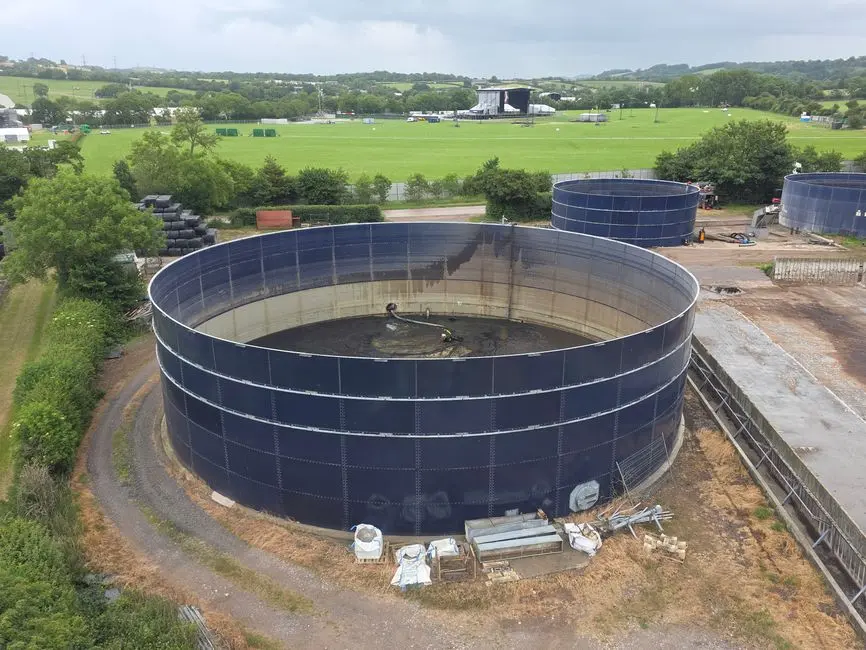
Acceptance testing should demonstrate compliance at representative operating conditions, not merely confirm that a new skid starts and runs. EPA’s Local Limits Development Guidance requires data collection and evaluation as part of local-limit development. The plant should apply the same discipline: link analytical results, flow, operating records, and deviations into one defensible file.
Set automated monitoring and alarms for pH, flow, and the parameters identified as pollutants of concern. Connect the records to the plant’s operating history and the POTW’s reporting requirements. Chemical dosing and equipment operation should be coordinated through a PLC/HMI so that setpoints, alarms, and discharge records can be reviewed together.
After stabilization, conduct a controlled acceptance test with representative influent. Use the same analytical methods, sampling locations, preservation procedures, and reporting basis required by the permit or POTW. Verify both concentration and mass-loading limits at the applicable flow. A concentration result at low flow does not demonstrate compliance during peak discharge.
The acceptance package should retain raw laboratory results, calibration records, flow records, chemical-use records, deviation logs, corrective actions, and the operating conditions during each sample. Any failure should trigger a documented root-cause review, corrective action, and repeat test. Automatic chemical dosing equipment can be integrated with those controls through the automatic chemical dosing system scope.
Do not allow a supplier’s generic performance statement to substitute for acceptance testing. The installed system must demonstrate the current permit or POTW requirements using the site’s actual wastewater and the agreed analytical protocol.
Prepare the Information Needed for a Compliant Equipment Quote
Comparable bids require the same site-specific inputs from every supplier. The supplied research does not provide a Fletcher-area peak-flow range, sewer limit, or equipment price, so a procurement team should not insert a generic capacity or budget into its quotation request.
Provide average and peak flow, the equalization requirement, and the proposed discharge point. Provide representative influent results for pH, suspended solids, turbidity, conductivity or TDS, metals, and process reagents from a documented sampling round. Attach the receiving authority’s current numeric limits, prohibited discharges, monitoring frequency, and applicable federal or state requirements.
State whether water reuse is required, identify the end use, and define required recovery and permeate quality. Request a complete scope covering process equipment, controls, chemical storage, sludge handling, utilities, commissioning, training, and operating support. EPA’s guidance states that permits and regulations control when a conflict exists, so a bid should identify every assumption on which its price and guarantee depend.
| Information package | Specific items to request | Why it affects the quotation |
|---|---|---|
| Flow and hydraulics | Average flow, peak flow, storm contribution, discharge point, and equalization requirement | Sets equipment capacity, storage, pumping, and collection-system impacts. |
| Influent chemistry | Representative pH, solids, turbidity, conductivity or TDS, metals, and reagent results | Determines treatment steps, chemical demand, and fouling risk. |
| Compliance target | Current sewer limits, prohibited discharges, monitoring rules, and applicable state requirements | Defines the required performance and acceptance test. |
| Reuse objective | End use, recovery target, and permeate or reuse-water quality | Changes the polishing and recovery design. |
| Commercial scope | Equipment, controls, chemicals, sludge handling, utilities, commissioning, training, and support | Prevents omissions and makes bids comparable. |
Frequently Asked Questions
What permits and standards apply to a mining plant discharging to sewer near Fletcher?
Identify the site’s mineral category, determine whether any discharge goes directly to the environment, and obtain the receiving POTW’s current industrial-user requirements. EPA’s Mineral Mining and Processing Effluent Guidelines confirms that 40 CFR Part 436 covers mine drainage, mineral processing operations, and stormwater runoff, but a sewer project must also address prohibited discharges, categorical pretreatment standards, POTW local limits, monitoring rules, and applicable state requirements. The controlling permit or regulation, not general guidance, supplies the numeric limit.
How should treatment equipment be sized when Fletcher-area flow data are not available?
Do not select a flow rating from a generic mine or quarry example. Require measured average and peak flow, storm contribution, equalization needs, and the discharge point, then ask each supplier to document how those inputs drive equipment capacity, chemical use, and redundancy. The regional mining pretreatment compliance guide and Middletown mining sewer-limit guide provide comparative regional context, but neither substitutes for a Fletcher-area flow record.
When is UF or RO justified for mining wastewater pretreatment?
Use UF when measured results show that colloids or suspended solids must be removed, particularly before RO or for a defined clarified-water reuse application. Use RO when a dissolved constituent remains above the sewer authority’s current limit after the upstream treatment steps. A membrane should not be added merely because a supplier offers one; the bid should identify the contaminant, limit, feed condition, pretreatment requirement, recovery basis, and acceptance criterion.
How can a buyer compare equipment cost without relying on an invented price?
Request a quotation against a controlled basis of design: flow, equalization, representative influent chemistry, current sewer limits, sludge destination, reuse objective, utilities, controls, commissioning, training, and acceptance testing. Ask suppliers to separate equipment, chemical storage, sludge handling, installation, and long-term consumables so omissions are visible. No defensible project price can be stated without those inputs and the current receiving-authority requirements.
What should a buyer check when selecting a wastewater-treatment supplier?
Check whether the supplier has designed and supported the same unit operations at comparable flow and chemistry, and require references supporting the proposed performance. Also check controls integration, chemical-system compatibility, membrane pretreatment, sludge handling, commissioning, operator training, and the supplier’s willingness to participate in a site-specific acceptance test. A proposed treatment train does not guarantee permit compliance; compliance depends on current permits, measured influent, correct sizing, operation, and documented performance.
Related Equipment
- industrial DAF system — specifications, capacity range, and technical data