What Wastewater Characteristics Should Decide DAF or Clarifier Selection?
The correct choice for mining and metals wastewater depends on the contaminants that must be removed and how they behave in the plant’s water. Dissolved air flotation is generally stronger when oils, greases, colloids, or fine suspended solids are important targets and chemical conditioning is acceptable. A lamella or gravity clarifier is generally stronger when the objective is to separate predominantly settleable, flocculated solids. Neither process should be selected from a suspended-solids removal label alone; the buyer must also define flow variability, reuse or discharge objectives, sludge handling, and the role of the unit within the complete treatment train.
Request representative samples across normal production, startup, shutdown, stormwater, and upset conditions. A single grab sample cannot establish whether the stream is consistently floatable, settleable, colloidal, or variable enough to require additional equalization. Characterization should include settleable solids, floatable oil and grease, suspended solids, colloid behavior, pH, relevant metals, flow variability, and the required effluent quality. Kemco Systems states that industrial wastewater may contain sand, lint, oils and greases, heavy metals, and volatile organic compounds, and identifies DAF as a clarification process targeting oils, greases, and suspended solids (Kemco Systems, “Dissolved Air Flotation for Industrial Wastewater Treatment,” undated commercial source).
Define whether the proposed equipment is the primary clarifier, pretreatment before filtration or biological treatment, or part of a zero-liquid-discharge train. For a Madisonville factory, also verify available footprint, utilities, access, installation constraints, and the applicable discharge or reuse conditions. Reviewing mining wastewater sewer-limit requirements is useful for planning the regulatory questions, but the supplied research does not establish a Madisonville-specific discharge limit.
How DAF and Lamella Clarifiers Separate Solids
Dissolved air flotation separates solids by attaching microbubbles to conditioned particles, bringing them to the surface, and removing the resulting blanket with a skimmer. A lamella clarifier instead relies on flocculation and gravity settling, using inclined plates to improve separation within a compact tank. The practical difference is not simply “air versus plates”; DAF can also produce settled sludge, while a clarifier depends on the solids forming a settleable floc.
Kemco Systems describes DAF as pressurizing wastewater with air and releasing it at atmospheric pressure in a flotation tank, where tiny bubbles adhere to suspended matter and carry it to a skimming device (Kemco Systems, undated commercial source). Clearwater Industries states that its DAF systems use 30–50 micron micro air bubbles that attach to impurities and flocculated particles before the floating sludge is skimmed (Clearwater Industries, “Dissolved Air Flotation for Industrial Wastewater Treatment,” undated commercial source). A complete DAF train includes a recirculation pump, pressurized saturation system, flotation tank, skimmer, clarified-water collection, and sludge extraction or management. Clearwater also notes that most DAF systems include some sedimentation and settled-sludge removal.
For a lamella clarifier, sludge recirculation, flocculation, and inclined-plate separation form the process core. HydropureWater’s product catalog states surface loading rates of 20–40 m/h and chemical-consumption reduction of up to 30% under its stated catalog conditions; these are vendor-stated conditions, not a mining-site guarantee. The relevant equipment categories are an industrial DAF system for mining wastewater and a lamella clarifier for settleable mining solids.
| Feature | DAF | Lamella or gravity clarifier |
|---|---|---|
| Primary separation mechanism | Microbubble flotation followed by skimming; some solids also settle | Flocculation and gravity settling through inclined plates |
| Best fit in the comparison | Floatable oils, greases, colloids, and fine conditioned solids | Predominantly settleable solids requiring compact clarification |
| Core equipment | Saturation system, recirculation pump, flotation tank, skimmer, sludge removal | Conditioning, flocculation, inclined plates, sludge collection, clarification |
| Key operating issue | Chemical condition, bubble attachment, skimming, air saturation, and float-sludge handling | Floc settleability, sludge recirculation, plate fouling, and settled-sludge removal |
Mining and Metals Wastewater Decision Matrix
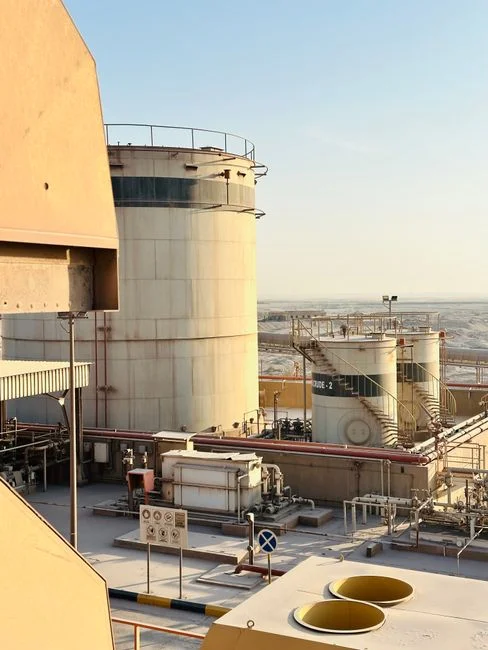
Favor DAF when oils, greases, colloids, or fine suspended solids are important removal targets and the plant is prepared to operate chemical dosing, pH control, skimming, and float-sludge handling. Favor a lamella clarifier when the principal requirement is compact clarification of conditioned, settleable solids and a sedimentation-based train fits the site. Neither choice should be based on a generic removal percentage because the supplied sources do not establish mining-specific removal efficiencies or metal limits for the proposed Madisonville application.
A combined train may be appropriate when the wastewater contains both substantial settleable solids and floatable contaminants. The process boundary must be explicit: identify which unit receives which stream, where pH adjustment, coagulation, flocculation, and dewatering occur, and how each sludge stream is collected. Kemco Systems describes a typical sequence involving coarse filtration, pH control, chemical conditioning, DAF, and sludge dewatering, while noting that chemical additions may be required to aggregate suspended and colloidal particles (Kemco Systems, undated commercial source).
| Decision question | Favor DAF when | Favor a lamella or gravity clarifier when |
|---|---|---|
| What is the main contaminant target? | Oil, grease, colloids, or fine conditioned solids | Settleable suspended solids |
| Is chemical conditioning acceptable? | Yes, with controlled pH and coagulation/flocculation | Yes, because flocculation is still required for reliable settling |
| How is sludge handled? | Skimmed float and settled solids can be collected separately | Settled sludge can be withdrawn and routed to dewatering |
| Which operating burden dominates? | Chemical use, air, pumping, skimming, and float-sludge management | Floc quality, recirculation, plate maintenance, and settled-sludge removal |
| What must be proven in pilot work? | Floatable-solids recovery, chemical demand, skimming, and effluent stability | Settling rate, solids capture, recirculation behavior, and sludge properties |
Compare installed and operating costs as a complete train, not as a purchase price. The commercial scope should include chemical consumption, air and pumping energy, sludge hauling or sludge dewatering equipment for mining wastewater, operator attention, clean-water demand, and the consequences of an upset or bypass. An PLC-controlled chemical dosing system is part of that operating scope, not a minor accessory. The supplied research provides no mining-specific footprint guarantees, lifecycle costs, metal limits, or removal efficiencies, so those items require representative testing and project-specific vendor proposals.
How to Size and Pilot-Test the Selected Treatment System
Size from an agreed design-flow basis, not a peak-hour estimate alone. Define average and peak flow, operating hours, future production changes, equalization requirements, hydraulic response, and utility limits before selecting a standard model. HydropureWater’s DAF range covers 4–300 m³/h across 13 standard models, while Clearwater Industries describes a single-skid COMPACT DAF configuration for 66 GPM or less and a modular two-skid arrangement for larger flows (HydropureWater product catalog and Clearwater Industries, undated commercial sources). These are configuration references, not universal design criteria for a mining plant.
Use a staged verification sequence:
- Characterize representative wastewater across operating and upset conditions.
- Run jar tests to establish chemical dose, mixing conditions, and settleability.
- Pilot the selected clarification mechanism under the agreed flow and chemistry envelope.
- Measure clarified-water quality, float recovery, sludge accumulation, chemical demand, and sensitivity to flow and composition changes.
- Confirm the complete train, utilities, controls, maintenance access, and downstream sludge route before ordering.
Clearwater Industries states that flocculation-tube contact time is typically 15–45 seconds, but the appropriate condition and contact time must be verified for the actual wastewater and chemistry through jar testing (Clearwater Industries, undated commercial source). For DAF, verify clean-water availability, recirculation, air saturation, skimming, sludge withdrawal, controls, and access to the clarified-water outlet. Clearwater warns that starting with wastewater rather than clean water can delay clarified-water discharge and may damage the recirculation pump or air-saturation system (Clearwater Industries, undated commercial source).
Require guarantees tied to representative feed and stated performance conditions, not generic claims for suspended solids, BOD, COD, or metals. When evaluating dewatering options for mining wastewater sludge, require the same discipline: the downstream equipment must accept the actual sludge volume, moisture, and chemical conditioning regime.
What to Require From DAF and Clarifier Suppliers in 2026
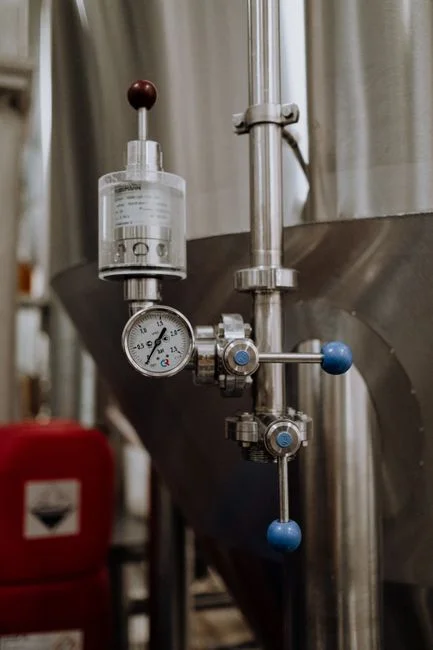
A comparable bid should identify the guaranteed flow basis, hydraulic loading, feed-water range, chemical and air demand, materials of construction, control narrative, utility requirements, and installation drawing. These are the minimum inputs needed to compare DAF and clarifier proposals on equivalent engineering terms. The request should also define how the selected equipment will be started, accessed, inspected, drained, and integrated with equalization, chemical dosing, sludge collection, and the final effluent or reuse system.
Ask how the supplier handles variable pH, metals, colloids, grit, sand, and contaminants that can restrict pumps, nozzles, saturation equipment, skimming, or sludge pumps. Kemco Systems identifies automatic pH control as a common need for industrial dischargers and describes in-tank pH sensing, level control, metering pumps, automated draining, and a control panel (Kemco Systems, undated commercial source). Require the control philosophy and fail-safe behavior, not merely a list of instrument tags.
Evaluate total installed cost and lifecycle operating inputs, but reject generic savings percentages that are not tied to the proposed duty and chemical strategy. Obtain a quantified chemical estimate based on representative wastewater, an energy estimate tied to the stated flow and operating hours, and a sludge estimate covering both volume and moisture. Kemco Systems identifies filter presses as a means of reducing sludge volume and hauling costs after DAF (Kemco Systems, undated commercial source), but the buyer must confirm that the proposed sludge dewatering equipment for mining wastewater can process the actual flotation and settled solids.
Also confirm operator training, preventive maintenance, critical spares, remote monitoring options, startup support, and documented experience with mining or metals wastewater. Chemical delivery and metering should be included in the supplier scope or clearly allocated; an PLC-controlled chemical dosing system should be evaluated against reagent compatibility, control logic, containment, and operator access.
Recommended Treatment Train for a Madisonville Factory
A defensible mining and metals wastewater treatment train typically begins with coarse screening or solids removal, followed by equalization, pH adjustment, coagulation and flocculation, clarification, sludge collection, dewatering, and final polishing or reuse. Kemco Systems identifies coarse filtration before DAF and describes a typical train of coarse filtration, physical-chemical treatment, DAF, and sludge dewatering (Kemco Systems, undated commercial source). For a Madisonville project, that sequence is a planning framework rather than a permit-ready design.
For a stream dominated by settleable solids, evaluate equalization and conditioning followed by a lamella clarifier. For a stream containing floatable oils, greases, and fine conditioned solids, evaluate DAF with a dedicated skimming and sludge system. Where both material types are significant, run a parallel or side-by-side trial and compare actual effluent, sludge, chemical, and operating outcomes.
Evaluate the full equipment scope, including coarse solids removal, the selected clarifier, chemical conditioning, and sludge handling. The rotary mechanical bar screen, lamella clarifier for settleable mining solids, and industrial DAF system for mining wastewater represent possible train elements; they should not be treated as a predetermined solution. Final design must be checked against the applicable Madisonville permit, reuse requirements, and receiving authority. The supplied research does not establish a Madisonville-specific limit or demonstrate automatic compliance.
Frequently Asked Questions
How much does a DAF or clarifier cost for a mining wastewater project?
There is no defensible generic price in the supplied research. Request a site-specific quotation based on representative wastewater, design and peak flow, pretreatment, pH control, chemical dosing, controls, materials, installation conditions, and sludge dewatering. Ask the supplier to separate equipment, utilities, civil work, commissioning, training, chemical consumption, energy, and sludge-disposal assumptions. A lower equipment price may not produce a lower installed or operating cost once the complete train is included.
How should a factory size DAF or lamella clarifier equipment?
Start with an agreed design-flow basis, operating schedule, future production changes, and utility limits. Then use representative wastewater, jar testing, and pilot work to verify chemical demand, clarification, sludge generation, and upset response. HydropureWater’s 4–300 m³/h catalog range and Clearwater Industries’ 66 GPM single-skid configuration are vendor references, not sufficient sizing inputs. Require the supplier to state the feed conditions and performance boundaries attached to its guarantee.
Which supplier is most credible for a metals wastewater treatment system?
Select on documented evidence for the proposed wastewater rather than general equipment claims. Ask for pilot results, operating experience with mining or metals streams, a control narrative, materials information, utility requirements, maintenance support, and sludge-handling data. Claims should be tied to representative feed pH, metals, suspended solids, oils, flow variability, and chemical conditions. Supplier claims without defined test conditions do not demonstrate fit.
Can a DAF alone satisfy discharge, reuse, or zero-liquid-discharge requirements?
No selection can be assumed to satisfy those requirements without project-specific evidence. DAF may be the primary clarification step, but pretreatment, pH control, chemical dosing, final polishing, and sludge dewatering may also be required. Confirm the final train against the applicable permit and receiving authority, and use pilot effluent and sludge results to verify the design. The industrial DAF system for mining wastewater and sludge dewatering equipment for mining wastewater should therefore be evaluated as parts of a treatment and residuals-management train, not as stand-alone compliance guarantees.