
Which Treatment Fits Mining and Metals Wastewater in Mullan?
For mining and metals wastewater in Mullan, choose DAF when chemical pretreatment can reliably convert suspended solids and precipitated metals into floatable floc, especially where oil, FOG, or low-density solids are also present. Choose a sedimentation clarifier when the solids are primarily dense, settleable mineral particles and the plant values low-energy gravity separation or simpler operation. The right 2026 decision depends on wastewater variability, pH, metals chemistry, sludge characteristics, land availability, and treatment targets. Pilot testing should use representative samples before final sizing.
This is a conditional recommendation because the supplied research establishes general treatment capabilities, not Mullan-specific permit limits, flow rates, or metal concentrations. A factory should not select equipment from a generic product description. It should first determine whether its target contaminants are floating, settleable, precipitated, or still dissolved.
DAF becomes the stronger candidate where the waste contains oil, grease, colloids, low-density solids, or particles that can be reliably conditioned into floc. Aries identifies chemical pretreatment, pH control, coagulation, and flocculation as central to DAF operation (Aries, Dissolved Air Flotation Systems, undated). The industrial DAF system should therefore be evaluated as a physical-separation step supported by a defined chemical program, not as a substitute for precipitation or other dissolved-metal treatment.
A lamella clarifier for mining wastewater is more defensible when the dominant material is dense mineral solids with reliable gravity separation. It may simplify operation where the plant does not need DAF’s compressed-air system or where floatable oils and FOG are absent.
A single stream may justify a hybrid train: precipitation or coagulation first, DAF or clarification for solids separation, then filtration, biological treatment, or another polishing step where required. For industrial wastewater pretreatment decisions, the treatment objective and final discharge or reuse route must be defined before equipment selection begins.
How DAF and Clarification Separate Solids
Dissolved air flotation separates solids by attaching microbubbles to conditioned particles, floating them to the surface, and removing them with a skimmer; clarification separates solids through gravity, with settled material removed from the bottom.
Wastewater Digest describes the DAF sequence directly: compressed air enters the wastewater system, is released at atmospheric pressure, forms tiny bubbles, and those bubbles adhere to suspended matter. The combined material floats as floc and is removed by a skimming device. Coagulants or flocculants may be added to make suspended and colloidal solids clump together; polymers can also support fragile floc that does not skim cleanly. In a recycle-pressurization arrangement, Aries describes supersaturated water forming microbubbles of approximately 30 μm that carry waste particles to the surface for removal (Wastewater Digest, What is dissolved air flotation (DAF)?, undated; Aries, Dissolved Air Flotation Systems, undated).
Clarification applies a different principle. Wastewater Digest contrasts sedimentation, which removes solids settled to the bottom, with DAF, which removes flocculated particles and suspended solids from the surface (Wastewater Digest, undated). A lamella clarifier can use flocculation, sludge recirculation, and inclined plates to improve separation, but the underlying requirement remains gravity separation: the particles must be dense enough and conditioned sufficiently to move out of the liquid phase.
The chemical distinction is critical for metals wastewater. Aries states that chemical pretreatment before DAF can lower TSS, oil and grease, BOD, and metal concentrations, with pH control, coagulation, and flocculation used to improve micro-bubble adhesion (Aries, undated). However, physical flotation does not by itself remove dissolved metals. If the target metal remains in solution, the heavy-metals removal process must establish whether precipitation or another treatment step is required before solids separation.
That distinction prevents a common specification error: purchasing flotation or clarification capacity without defining whether the metal is particulate and floatable, precipitated and settleable, or dissolved and unaffected by physical separation.
Mining Wastewater Comparison: DAF Against Lamella Clarifiers
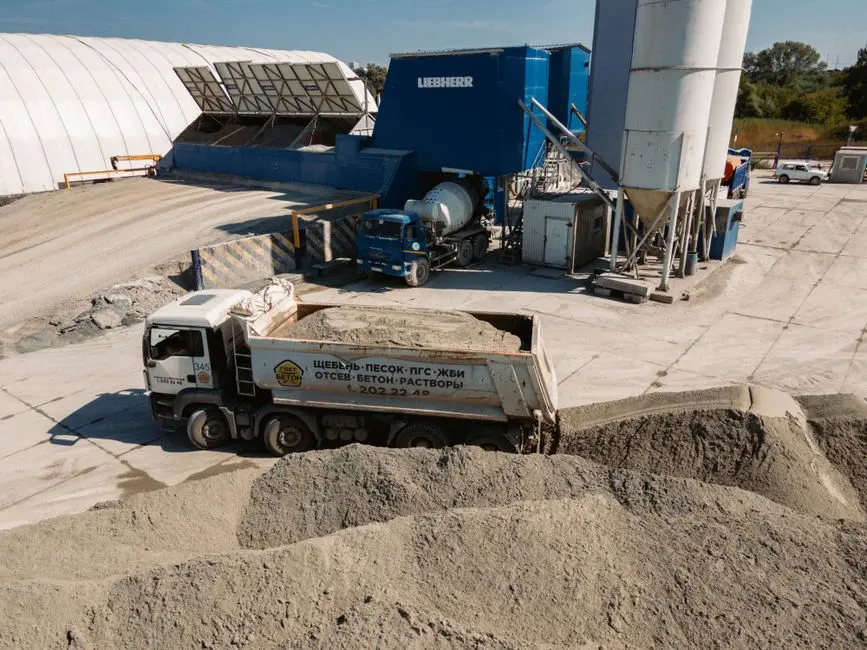
DAF is the stronger fit for floatable and flocculated contaminants, while lamella clarification is the stronger fit for dense, gravity-settleable solids; both technologies need an engineered sludge pathway.
| Decision factor | Dissolved air flotation | Lamella clarifier |
|---|---|---|
| Separation mechanism | Microbubbles attach to particles, which float and are skimmed. | Conditioned particles settle; inclined plates assist separation. |
| Best-fit material | Oil, FOG, colloids, low-density solids, and chemically flocculated particles. | Predominantly dense, gravity-settleable mineral solids. |
| Chemical pretreatment | Often central to performance through pH control, coagulation, and flocculation. | May be needed to create settleable floc; the required program depends on the feed. |
| Footprint implications | Requires equipment for flocculation, air saturation, flotation, and skimming. | Uses inclined-plate separation and generally fits the gravity-settling approach; site layout still governs. |
| Energy demand | Generally higher than sedimentation because air compression is required, according to Wastewater Digest. | Generally lower than DAF because it does not require compressed air for flotation. |
| Sludge behavior | Produces float for removal; non-floating chemicals and contaminants may settle and also require removal. | Produces settled sludge requiring collection and downstream handling. |
| Operational complexity | Adds air generation or recycle pumping, pressure control, and chemical conditioning. | Offers a simpler gravity process but still requires sludge withdrawal and maintenance. |
| Typical decision case | Choose when floatable material is present or floc can be made reliably floatable. | Choose when mineral solids reliably settle and lower-complexity gravity separation is preferred. |
HydropureWater’s published lamella clarifier specification states surface-loading rates of 20–40 m/h and chemical consumption up to 30% lower than a conventional sedimentation tank, subject to the manufacturer’s design and the suitability of the feed. Site-specific applicability still depends on floc properties, feed variability, and the proposed hydraulic and solids-loading basis.
DAF may appear attractive for mining and metals wastewater because Aries lists suspended solids, oils and greases, insoluble impurities, and metals among the contaminants associated with DAF treatment (Aries, undated). That does not make it universally superior. The decisive issue is whether the metal-bearing particles can be captured reliably, at an acceptable chemical and sludge cost.
Sludge is a parallel design stream. DAF creates float from skimmed material and may also create settled sludge from chemicals or contaminants that do not float; Wastewater Digest expressly identifies this latter pathway (Wastewater Digest, undated). A clarifier creates concentrated settled solids. Neither selection can be evaluated independently of storage, pumping, thickening, transport, and dewatering.
Build the Decision Around the Wastewater, Not the Equipment Name
A defensible DAF-or-clarifier decision starts with a characterization matrix because the same flow rate can contain solids with completely different separation behavior.
| Information to obtain | Why it affects the decision |
|---|---|
| Average, peak, and variability data for flow rate | Establishes hydraulic basis, equalization needs, and peak treatment conditions. |
| TSS and settleable-solids profile | Distinguishes bulk mineral solids from material that may float or remain dispersed. |
| Oil and grease, including FOG where relevant | Supports DAF selection when floatable material is present. |
| pH, alkalinity, and metal speciation | Defines precipitation potential and chemical-conditioning requirements. |
| Total and dissolved metals | Shows whether clarification can remove particulate metal or whether additional treatment is required. |
| Conductivity and water chemistry | Helps evaluate chemical demand, settling behavior, and reuse constraints. |
| Sludge quantity, settleability, and dewatering behavior | Connects the selected separator to storage, pumping, filter press, or disposal. |
The supplied sources do not establish Mullan-specific values for these parameters. The supplier should not fill the matrix with generic plant assumptions. Request site records and representative samples, including variability across production conditions and clean-up discharges.
Next, use settling and flotation tests to identify the dominant solids. A settleable-solids test can show whether mineral particles form a usable sediment. Jar tests can compare coagulant and flocculant programs, removal behavior, and whether conditioned particles rise in a flotation cell. Aries describes bench-scale jar testing as a way to determine removal efficiency, flotation characteristics, and a cost-effective chemical program (Aries, undated); this is an available verification step, not a universal test protocol.
Compare both technologies on the same representative sample, chemical condition, and flow condition. Record solids capture, residual TSS, target contaminants, chemical consumption, sludge volume, and sludge dewatering response. Check the final discharge or reuse route because both devices are physical separation steps. The automatic chemical dosing system should be defined from actual reagent demand, not from a generic equipment list, while downstream plate-frame filter press suitability depends on the resulting sludge.
- Characterize the wastewater across operating conditions.
- Identify whether the dominant solids float, settle, or require precipitation.
- Test chemical conditioning on representative samples.
- Compare achievable effluent and residual-sludge handling.
- Confirm footprint, utilities, reliability, and lifecycle cost.
Size and Verify Through a Pilot Before Ordering
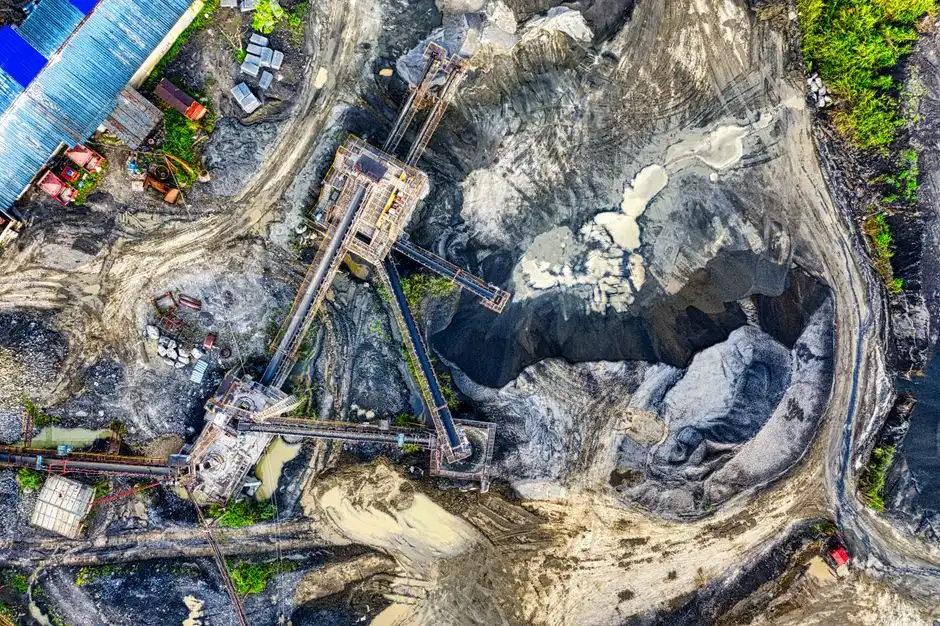
Published catalog capacity is an initial screening tool, not a design basis, because wastewater chemistry and operating variability determine the separator’s actual hydraulic and solids performance.
HydropureWater’s published DAF range covers 4–300 m³/h across 13 standard models, while the lamella clarifier states surface-loading rates of 20–40 m/h. These figures can screen likely equipment scale, but neither replaces site-specific sizing. A buyer should require the proposal to state the design flow, peak-flow basis, hydraulic loading, solids loading, chemical pretreatment, operating criteria, and the wastewater data used to establish them.
For DAF, verify the recycle arrangement, air-supply demand, pressure controls, flotation-zone performance, and skimming capacity. For clarification, verify settling assumptions, plate configuration, sludge drawdown, recirculation, and the basis of the stated surface-loading rate. In both cases, ask how the equipment performs with the least favorable representative wastewater rather than only the average sample.
A pilot converts those questions into observed performance. Aries states that bench-scale jar testing can establish removal efficiency, flotation characteristics, and the chemical program, and it also offers laboratory and pilot studies as part of process evaluation (Aries, undated). Where pilot equipment is warranted, the test should reproduce the intended chemical condition and hydraulic regime closely enough to expose fragile floc, poor skimming, short-circuiting, or unstable sludge withdrawal.
Define the final acceptance test before the purchase order. Specify the sampling method, analytical parameters, chemical condition, flow condition, duration, and performance threshold. Without those terms, a successful startup result may not demonstrate performance during normal production variation.
Compare Capital Cost, Operating Cost, and Downstream Risk
The economically meaningful comparison is the cost of meeting the treatment objective while consistently handling the resulting sludge, not the equipment purchase price alone.
| Cost or risk category | Information to request |
|---|---|
| Capital cost | Separate quotations for equipment, foundations, electrical service, compressed air or recycle pumping, chemical storage, controls, installation, commissioning, and training. |
| Chemical cost | Coagulants, flocculants, pH chemicals, and polymer make-up, including expected dose ranges from testing. |
| Utilities and labor | Electricity, air, operator attention, maintenance, and controls staffing. |
| Sludge pathway | Collection, storage, transport, thickening, dewatering, and final handling. |
| Performance risk | Cost of unstable floc, chemical overuse, residual solids, DAF float carryover, or clarification sludge accumulation. |
No defensible equipment prices are provided in the supplied research, so a budget should not be built from generic catalog figures. Obtain site-specific quotations using the same wastewater basis and treatment target for each proposal.
Account for both solid outputs. DAF creates skimmed float and may also generate settled material from chemicals or non-floating contaminants. Clarification creates settled sludge. The plate-frame filter press should be evaluated against actual sludge characteristics, including solids content, permeability, and the expected capture from operation across representative conditions.
Unstable floc increases chemical use and can leave solids in the clarified water. A failed float-removal or sludge-withdrawal route can also interrupt the whole process. Those risks belong in lifecycle evaluation because neither capital price nor nominal removal percentage captures the cost of unreliable compliance performance.
Frequently Asked Questions
Is DAF or a clarifier better for mining wastewater in Mullan?
DAF is generally the better candidate for floatable oils, FOG, colloids, low-density solids, or particles that can be reliably flocculated; gravity clarification is generally better for dense, settleable mineral solids. The final choice must also satisfy the treatment target, footprint, chemical program, and downstream sludge route. This comparison framework is similar to the broader mining-wastewater DAF and clarifier comparison.
How much does a DAF or lamella clarifier cost?
The supplied research does not provide defensible equipment prices. Request itemized site-specific quotations covering equipment, pretreatment, utilities, foundations, electrical service, controls, installation, commissioning, training, and sludge handling. Compare the proposals using the same wastewater flow, analytical basis, treatment target, and scope boundary; otherwise the prices will not be comparable.
What flow rate can a DAF handle?
HydropureWater’s published DAF catalog covers 4–300 m³/h across 13 standard models. Actual sizing requires the peak-flow basis, wastewater characteristics, hydraulic loading, solids loading, chemical pretreatment, and representative performance testing. The catalog range alone is not a selection guarantee.
How do I compare supplier proposals?
Require every supplier to use the same representative wastewater, chemical condition, target effluent, solids-loading basis, and scope boundary. Also require the performance-test method, acceptance threshold, warranty, controls scope, utility assumptions, commissioning plan, and sludge assumptions. For compliance planning, test whether the proposed discharge or reuse route is addressed in the mining-plant wastewater compliance review rather than treating clarification as a complete treatment train.
Can DAF or clarification alone meet a discharge or reuse permit?
Not necessarily. Both are physical separation processes, and neither independently removes all dissolved contaminants. Depending on the wastewater and applicable limits, precipitation, filtration, biological treatment, or another polishing step may be required. A buyer should request the applicable Mullan permit or reuse criteria and confirm them through representative-sample testing and a defined acceptance procedure.