What Changes When Domestic Sewage Is Treated in Côte d’Ivoire?
Domestic sewage treatment in Côte d’Ivoire should be selected according to wastewater flow, available footprint, treatment objectives, reuse plans, local discharge conditions and operating capability. A natural lagoon study in Korhogo reported 98% COD removal and 87% BOD removal for combined hospital and residential wastewater, although that result applies only to the tested system. For compact decentralized projects, the WSZ package combines A/O contact oxidation, sedimentation and disinfection in a buried unit, with capacities from 1–80 m³/h. Larger or reuse-oriented projects may require an MBR, available from 10–2,000 m³/day. Final sizing requires verified influent flow and waste characterization rather than a headline treatment percentage.
For this guide, domestic sewage means wastewater originating from residential, hospitality or similar non-industrial activities. Hospital wastewater, commercial kitchens and mixed commercial flows require separate characterization because their pollutant loads and treatment needs cannot be represented reliably by residential sewage data.
The most relevant local evidence comes from the Journal of Environmental Science and Pollution Research study, “Combined Domestic and Hospital Wastewaters Treatment by Natural Lagoon System in Tropical Area, Korhogo, Ivory Coast.” It evaluated a natural lagoon treating combined wastewater from a hospital and residences of nursing students in a tropical area of the country. The study reported 98% COD removal and 87% BOD removal. Those results demonstrate the potential of the tested lagoon arrangement; they are not a universal performance guarantee for another site, wastewater composition or operating regime.
Technology selection should therefore follow six project inputs:
- Average, peak and minimum wastewater flows, including the basis used to estimate them;
- COD, BOD, suspended solids, nutrients, pH, oil and grease, and any unusual or hazardous inputs;
- The discharge route and the conditions that apply to that receiving environment;
- Any intended reuse, including the quality and reliability required by the end use;
- Available plot area, access for maintenance and installation constraints; and
- Power availability, staffing, laboratory support and sludge-disposal arrangements.
Separate the Procurement Scope
Treatment covers the process used to reduce pollutants from the wastewater. Effluent reuse covers the intended application of treated water and any additional treatment needed for that application. Sludge handling covers stabilization, storage, dewatering, transport and disposal. These are related activities, but they should not be treated as one undifferentiated package.
For broader local project context, see the Côte d’Ivoire wastewater treatment resource collection before fixing the treatment and reuse objectives.
Natural Treatment, Package Plants or MBR: Which Fits the Project?
Natural lagoons, integrated package plants and membrane bioreactors serve different project needs: land availability, treatment objectives and operating constraints matter more than a generic technology label. The Korhogo study supports biological lagoon treatment as a viable option under its tested conditions, while a buried package plant consolidates several treatment stages and an MBR adds membrane solids separation.
A natural lagoon depends on sufficient land, suitable climate and controlled operation. Odour, inflow variation, site security and the treatment of accumulated solids must be considered, and the Korhogo result cannot be transferred automatically to a different wastewater stream. The DAF pretreatment system has a different role: it is relevant where suspended solids, oil and grease, free oil or colloidal material must be removed before the main biological stage.
The WSZ underground package sewage treatment plant integrates anoxic and aerobic biological contact oxidation, sedimentation and disinfection. It suits projects requiring a compact, below-grade installation, subject to verified flow and wastewater loading.
The integrated MBR wastewater treatment system combines activated-sludge treatment with submerged PVDF membrane filtration below 1 μm. The manufacturer states a footprint reduction of 60% compared with conventional systems; that comparison must be checked against the buyer’s own conventional design and project constraints.
| Treatment approach | Best-fit applications | Verified capacity range | Footprint or installation implications | Principal operating focus | Information still required |
|---|---|---|---|---|---|
| Natural lagoon | Sites with suitable land and an accepted biological-treatment approach | No product capacity range stated in the supplied research | Land availability, hydraulics, odour control and site security dominate | Hydraulic loading, biological performance and solids management | Site area, climate, inflow variation, discharge route and local study-specific validation |
| WSZ integrated package plant | Residential communities, hotels, hospitals and remote sites with compact-installation requirements | 1–80 m³/h | Buried below grade with landscaping above, or trailer-mounted for mobile deployment | Automated biological treatment, sedimentation and disinfection | Verified flow and load, soil and groundwater conditions, access, power and discharge route |
| MBR | Projects with compactness or reuse-sensitive effluent objectives requiring membrane solids separation | 10–2,000 m³/day | Manufacturer states 60% smaller footprint than conventional systems; project-specific confirmation is required | Membrane operation, aeration, controls, pretreatment and maintenance access | Design flow, peak equalization, effluent targets, pretreatment needs and membrane arrangement |
| DAF pretreatment | Wastewater containing suspended solids, oil and grease, FOG or colloidal matter | 4–300 m³/h across 13 models | Adds a pretreatment stage and its associated equipment | Solids and contaminant removal ahead of downstream treatment | Wastewater analysis, flow profile, chemical or physical pretreatment need and downstream objectives |
Capacity ranges describe available equipment envelopes, not automatic suitability. The governing design question is whether the selected configuration can accept the project’s actual flow and pollutant loads, including peak periods and the required receiving-water or reuse conditions.
WSZ Package Plants for Communities, Hotels and Remote Sites
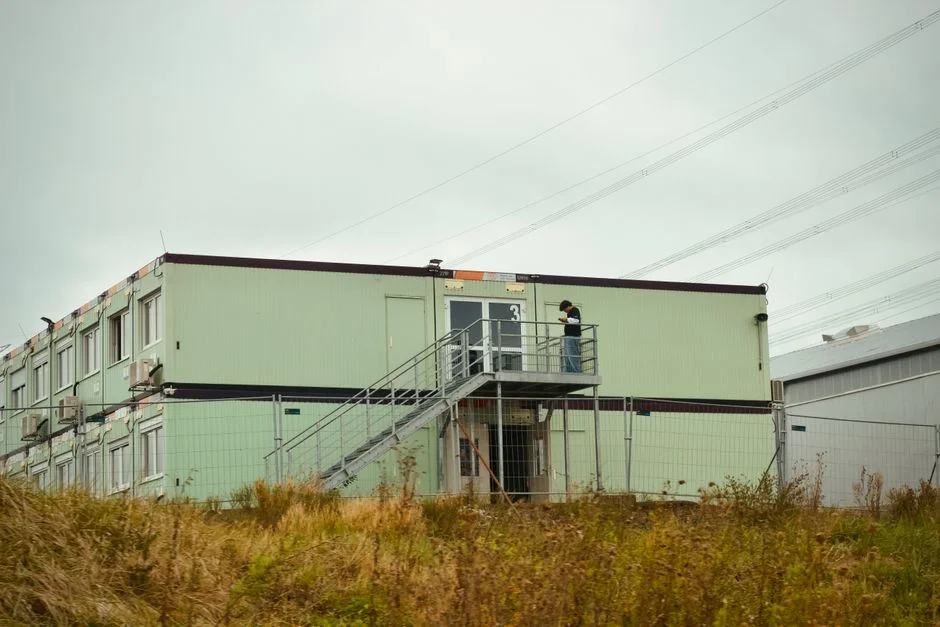
The WSZ Series combines treatment stages that a decentralized project would otherwise need to coordinate separately. Its published capacity range is 1–80 m³/h, and its verified process sequence is anoxic/aerobic biological contact oxidation, sedimentation and disinfection within one integrated package.
The equipment can be installed below grade with landscaping above or mounted on a trailer for mobile deployment. That flexibility makes the package relevant to residential communities, hotels, hospitals, factories and rural areas, as stated in the HydropureWater verified product catalog. The installation proposition is particularly relevant where surface land is limited or the plant must be removed and relocated, although buried construction still requires site-specific excavation, access and servicing arrangements.
Automating a treatment plant does not make it maintenance-free. The catalog describes the WSZ as fully automated and requiring no operator. In engineering terms, that means routine operation is automatic; it does not remove the need for scheduled inspections, maintenance, field or laboratory monitoring, sludge management, site security and verification against site-specific compliance conditions.
Before selecting a model, the buyer should establish:
- The design flow, including peak and minimum operating conditions;
- The expected COD, BOD, suspended-solids, nutrient and pH loading;
- Whether incoming wastewater contains oil, grease, solids, rags or industrial contaminants;
- The required effluent quality and whether reuse is part of the project scope;
- Soil, groundwater, excavation, access, power and drainage conditions; and
- Inspection, maintenance, spare-parts and monitoring responsibilities.
For a direct scope-based comparison, request the WSZ underground package sewage treatment plant specification with the selected flow, process configuration, installation method, control philosophy and monitoring obligations stated in the quotation.
MBR Systems for High-Quality Effluent and Water Reuse
An MBR becomes a credible candidate when the project requires membrane-based solids separation, compact equipment arrangement or an effluent quality suitable for technical review against a defined reuse application. The verified MBR capacity range is 10–2,000 m³/day. The WSZ range is 1–80 m³/h; these ranges use different reporting units and describe different equipment scales, so they should not be compared without verified project data.
The supplied MBR information states that the system combines activated-sludge treatment with submerged PVDF membrane filtration below 1 μm. Filtration is only one part of the design. A defensible MBR selection must also address membrane-module arrangement, aeration, hydraulic loading, peak-flow equalization, controls, solids separation, pretreatment, maintenance access and the route taken by concentrate or separated solids.
The manufacturer’s stated 60% footprint reduction compared with conventional systems should be treated as a comparison claim, not a project guarantee. The buyer should request the conventional arrangement used as the basis, plot dimensions, required clearances, access routes and installed equipment list, then confirm the comparison against the actual site.
Reuse-sensitive applications—including irrigation or process-water substitution—should undergo a separate engineering review. Filtration below 1 μm does not by itself establish suitability for potable reuse or compliance with a particular discharge requirement. The required effluent specification must come from the receiving authority, the reuse application and the licensed project designer.
Requests for technical and commercial data should identify the integrated MBR wastewater treatment system by verified design flow and the proposed treatment train. Where a modular approach is being considered, the MBR membrane bioreactor module also requires integration review for aeration, controls, solids removal and access. Comparable regional guidance is available in the domestic sewage treatment buyer’s guide for Dakar.
Build a Treatment Train That Protects the Main Equipment
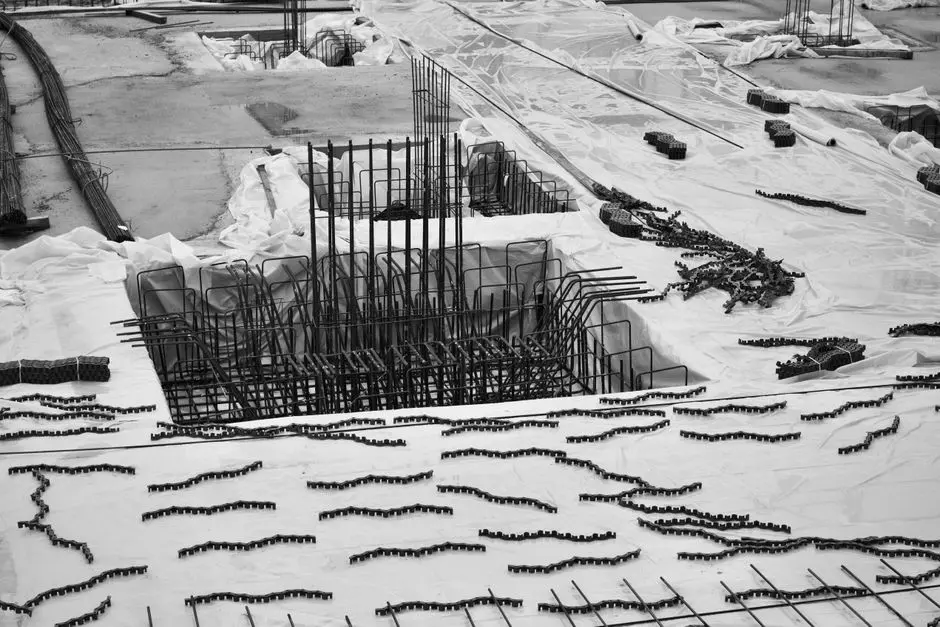
A sewage treatment plant performs reliably only when upstream protection, biological treatment, solids separation, disinfection and sludge handling form one engineered train. A biological unit cannot compensate for uncontrolled debris, excessive oil or grease, unmanaged peak flow or a disposal route for separated solids.
The GX rotary mechanical bar screen belongs at the upstream stage. It removes suspended solids, rags, plastics and fibrous debris that could otherwise affect downstream pumps, valves and biological treatment processes. Flow management and equalization should be reviewed alongside screening, especially where peak hydraulic loading could exceed the biological process’s treatment capability.
DAF is a supporting pretreatment operation, not a replacement for biological sewage treatment. The published DAF range is 4–300 m³/h across 13 models. It can be considered where the wastewater contains suspended solids, FOG, oil and grease or colloidal material, but the chemical demand, sludge characteristics and downstream treatment must also be defined.
After biological treatment, solids separation and any required disinfection form the core treatment train. Sludge then needs a controlled route. The plate and frame filter press provides an available filtration area from 1 m² to 500 m². Final selection depends on the sludge characteristics and dewatering objectives; filter area alone is not enough to specify a unit.
| Process stage | Equipment role | Verified published data | Design information required |
|---|---|---|---|
| Management and screening | Flow control, solids removal and protection of downstream equipment | GX rotary mechanical bar screen removes suspended solids, rags, plastics and fibrous debris | Peak flow, screenings characteristics, channel dimensions and disposal route |
| Pretreatment | Removal of material that could impair biological treatment or later solids handling | DAF: 4–300 m³/h across 13 models | Oil and grease, FOG, suspended solids, colloids, chemical demand and downstream loading |
| Biological treatment | Organic-matter removal | WSZ combines anoxic/aerobic contact oxidation; MBR combines activated sludge with submerged PVDF membranes | Flow and pollutant loads, temperature, pH, aeration, retention and fouling controls |
| Solids separation and disinfection | Clarification or membrane separation, followed by disinfection where required | WSZ integrates sedimentation and disinfection; MBR filtration is stated as below 1 μm | Target effluent, solids concentration, disinfectant dose, contact time and monitoring |
| Sludge handling | Stabilization, storage, dewatering, transport and disposal | Plate and frame filter press: 1–500 m² stated filtration area | Sludge volume and properties, target dryness, operating cycle and final disposal route |
Chemical dosing and valves may be required within this train. Their specification should follow the confirmed process duty rather than generic equipment selection, using the automatic chemical dosing system information and water-treatment parts, valves and filter media options as technical inputs, not as substitutes for a process design.
A Practical Selection and Procurement Framework
A comparable supplier proposal starts with verified project data and a defined performance basis. Buyers should not select a model by multiplying a headline capacity by an assumed operating period or by comparing equipment prices before establishing the wastewater and receiving requirements.
- Establish the design flow. Use measured or reliably documented average, peak and minimum flows. State the data period, contributing population or fixtures, seasonal variation and any future expansion.
- Characterize the wastewater. Test the project’s actual wastewater for COD, BOD, TSS, nutrients, pH, oil and grease, and any toxic or industrial inputs. Do not substitute generic domestic-sewage values for site data.
- Define the receiving requirement and end use. State whether the objective is compliant discharge, irrigation, process-water substitution or another reuse route, and obtain the applicable receiving or reuse conditions.
- Screen the options. Compare land availability, underground installation, power, climate, odour, noise, access, sludge disposal and local approval conditions.
- Request comparable supplier commitments. Require guaranteed process performance, the guarantee test protocol, control philosophy, maintenance schedule, spare parts, training, commissioning support and operating documentation.
| Project input | Why it matters | Evidence to obtain | Decision produced |
|---|---|---|---|
| Average, peak and minimum flow | Determines hydraulic capacity, equalization and biological loading | Measured flow data, occupancy basis, seasonal factors and future expansion | Design flow and treatment configuration |
| Wastewater characterization | Defines process duty and pretreatment needs | COD, BOD, TSS, nutrients, pH, oil and grease, and toxic or industrial inputs | Technology and pretreatment selection |
| Discharge and reuse requirements | Sets the required effluent specification | Authority conditions, reuse criteria and end-use requirements | Treatment targets and additional process steps |
| Site and operating constraints | Determines installability, footprint and support requirements | Survey, soil and groundwater data, access, power, odor, noise and sludge-disposal arrangements | Package configuration and operating plan |
| Supplier commitments | Converts technical claims into contractual responsibilities | Performance guarantee, test method, commissioning records, maintenance, training, spares and documentation | Comparable procurement decision |
For preliminary market context, the Côte d’Ivoire wastewater treatment guide collection can help identify questions for the local designer and authority. For remote communities, rural sewage treatment equipment options provide a useful comparison framework, while hotel wastewater treatment system guidance addresses reuse-sensitive applications.
The quotation request should attach verified flow and wastewater data, site constraints, receiving or reuse conditions, required guarantees, commissioning and training scope, maintenance responsibilities, sludge handling, power requirements, monitoring, spare parts, delivery scope and documentation. Without those inputs, a price comparison is not a like-for-like comparison.
Frequently Asked Questions
What is the best sewage treatment system for a hotel or residential community in Côte d’Ivoire?
No technology is universally best. Compare a natural lagoon where suitable land and site conditions permit it, a WSZ package where below-grade or compact deployment is appropriate, and an MBR where membrane separation or reuse-sensitive treatment warrants review. The decision must follow verified flow and wastewater data, the intended receiving or reuse route, available space and operating capability.
How much does domestic sewage treatment in Côte d’Ivoire cost?
The supplied research supports technology and capacity comparisons but provides no verified project-specific package price. Request a scope-based quotation covering the selected capacity, treatment train, civil or buried installation, controls, commissioning, training, monitoring, maintenance support and sludge handling. Separate equipment cost from site works and lifecycle operating costs.
Which treatment capacity should be selected for a building or decentralized project?
The WSZ published range is 1–80 m³/h, while the MBR range is 10–2,000 m³/day. These are available equipment ranges, not sizing conclusions. Establish measured or reliably documented average, peak and minimum flows and characterize the wastewater before selecting a model.
How should a supplier be selected without overlooking compliance risk?
Require references, guaranteed process performance, the guarantee test protocol, commissioning records, maintenance support and evidence of operation under comparable local conditions. Confirm the applicable discharge or reuse conditions with the relevant local authority and the project’s licensed designer; no equipment claim should substitute for that review.