What wastewater profile should decide DAF or clarifier selection?
For an organic chemicals plant in Peoria, choose dissolved air flotation (DAF) when the wastewater contains floatable oils, emulsified fats, oils and grease (FOG), or low-density fine solids that need rapid removal. Choose clarification when the primary target is settleable solids, with a lamella clarifier providing a compact, high-rate sedimentation option. Neither device alone removes dissolved organics or toxicity, so the decision must follow wastewater characterization, flow-duration analysis, and the applicable sewer requirements. A hybrid DAF-plus-lamella train may be justified when both floatable and settleable contaminants are present.
The WEF Industrial Wastewater Management, Treatment, and Disposal manual, Third Edition, organizes pretreatment planning around wastewater sampling and analysis, flow measurement, applicable discharge and pretreatment requirements, and the design, operation, and procurement of pretreatment facilities. The supporting research does not establish a universal sampling interval for organic chemical plants, so the sampling plan must be built around the plant’s production campaigns, cleaning operations, and dump events rather than a generic calendar schedule.
Separate representative samples for normal production flow, cleaning discharges, dumps, and upset conditions. For each condition, request pH, TSS, FOG, oil and grease, settleable solids, particle-size distribution, colloid behavior, dissolved-organics results, and toxicity information where relevant. Do not average an oily production stream with a dilute wash stream and use the result as the design basis.
Map the target contaminants before selecting equipment. DAF is suited to oil, grease, floatable material, and fine low-density solids. A conventional clarifier is suited to solids that settle under gravity. A lamella clarifier is a compact, high-rate sedimentation option; HydropureWater’s equipment reference lists a surface loading rate of 20–40 m/h, which is an equipment-envelope value rather than a project guarantee.
| Wastewater finding | Initial equipment implication | Information still required |
|---|---|---|
| Free oil, floatable FOG, emulsified contaminants, or low-density fine solids | Screen DAF | Oil and grease characterization, emulsification behavior, and conditioning trial |
| Predominantly settleable solids | Screen conventional or lamella clarification | Sedimentation characteristics, hydraulic profile, and sludge properties |
| Both floatable and settleable material | Screen a hybrid train | Treatment objectives, intermediate flow and solids loading, and downstream capacity |
| Dissolved organics or toxicity controls the discharge requirement | Retain downstream biological or advanced treatment | Receiving-sewer route, local limits, and treatment objectives |
Confirm the receiving sewer’s pretreatment and discharge requirements before finalizing the process basis. EPA’s Emerging Technologies for Wastewater Treatment and In-Plant Wet Weather Management, March 2013, provides national technical context; it does not establish the applicable Peoria limits for a specific discharger. Coordinate with the receiving authority, and evaluate whether upstream screening or chemical conditioning is required. A rotary mechanical bar screen may fit the solids-handling strategy, while an automatic chemical dosing system may be needed if the selected process depends on repeatable coagulant, flocculant, or pH control.
How DAF and clarification remove different contaminants
DAF and clarification separate different fractions of the wastewater because flotation and gravity act on different physical properties. DAF is a flotation process: conditioned wastewater receives air bubbles, floatable material attaches to or is carried by the bubbles, rises to the surface, and is removed by skimming. A clarifier is a gravity-sedimentation process: settleable solids fall to the bottom and are withdrawn as sludge.
That mechanism difference determines equipment fit. DAF is the stronger candidate when floating oil, emulsified material, or fine low-density solids are the design driver. Clarification is the natural candidate when the wastewater contains heavier, readily settling solids. A hybrid train is technically possible when both contaminant fractions require separate removal objectives.
| Selection point | Dissolved air flotation | Clarification |
|---|---|---|
| Separation mechanism | Air bubbles carry floatable material to the surface for skimming | Gravity settles solids to the bottom for sludge withdrawal |
| Best initial fit | Free oil, floatable or emulsified FOG, and fine low-density solids | Heavier, readily settleable solids |
| Conditioning need | Requires an effective bubble-generation, recycle, and conditioning arrangement | Depends on flocculation, settling behavior, and withdrawal control |
| Residual stream | Skimmed float requiring collection and downstream handling | Bottom sludge requiring collection and downstream handling |
| Hybrid use | Removes the floatable fraction before clarification | Removes the settleable fraction after flotation or as a separate stage |
Do not transfer generic removal percentages into an organic-chemicals performance guarantee. The U.S. EPA’s March 2013 technology report states that some information, particularly for emerging technologies, was supplied by manufacturers and could not be verified by full-scale case studies; some cost data also relied on estimated savings without field data. EPA therefore advises collecting current information when evaluating stated performance and estimated costs.
For a preliminary concept, an industrial DAF system for organic chemicals wastewater and a lamella clarifier for industrial wastewater are appropriate references. The process guarantee should be written around the client’s actual wastewater, including its analytical method, operating profile, conditioning regime, and acceptance criteria.
Compare the two options for a Peoria chemical plant
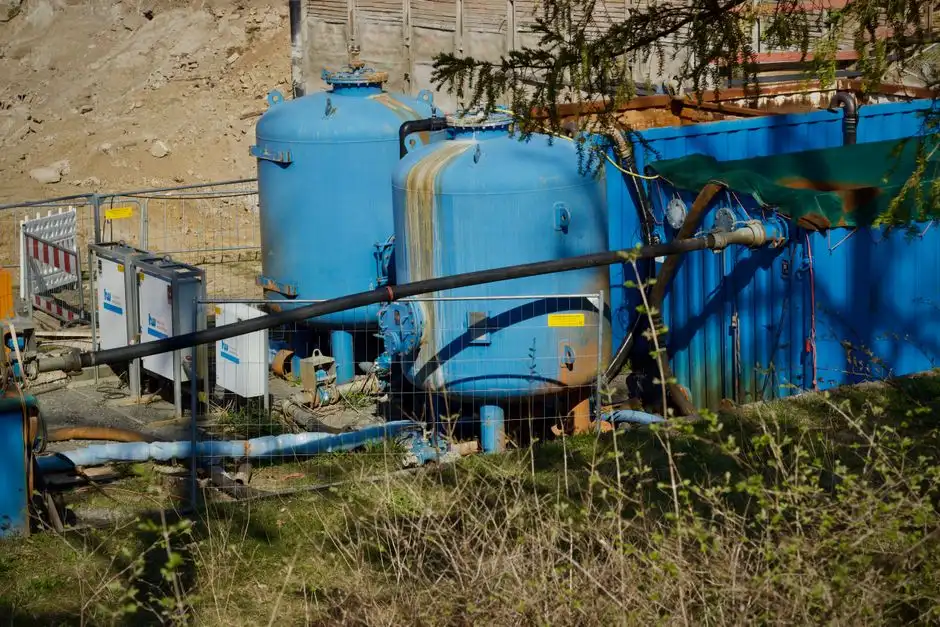
DAF is more sensitive to the reliability of bubble generation, recycle, conditioning, and scum handling, while clarification is more sensitive to flocculation, settling characteristics, hydraulic loading, sludge withdrawal, and solids inventory. That operating difference should carry more weight in a chemical-plant comparison than a generic TSS/FOG table.
| Evaluation factor | DAF | Clarifier or lamella option |
|---|---|---|
| Primary contaminant | Floatable oils, FOG, emulsified material, and low-density fines | Settleable solids |
| Process controls | Recycle, saturation or air-generation system, chemical conditioning, and scum removal | Flocculation, feed distribution, settling zone, sludge withdrawal, and solids inventory |
| Footprint | Potentially compact, subject to the selected arrangement and hydraulic basis | Lamella clarification can provide a compact high-rate arrangement |
| Hydraulic reference | HydropureWater lists an industrial DAF equipment range of 4–300 m³/h across 13 standard models | HydropureWater lists lamella surface loading of 20–40 m/h |
| Residuals | Collect, store, dewater, and dispose of the float | Collect, store, dewater, and dispose of the underflow sludge |
| Wide-train fit | Usually follows equalization, screening, pH control, and chemical conditioning | Usually follows equalization, screening, pH control, and flocculation |
The HydropureWater DAF range and lamella loading rate are catalog references, not Peoria project guarantees. A proposed arrangement must be checked against measured wastewater behavior, available footprint, utilities, and tank configuration.
Residuals require separate design. A DAF float and clarifier underflow are not automatically equivalent because their solids content and chemical characteristics may differ. Request solids-content data, chemical demand, residual volume, dewatering behavior, storage requirement, and disposal pathway for each stream. If the solids cannot be dewatered or stored safely, the selected separation device is incomplete.
Include equalization, screening, pH control, coagulation or flocculation, toxicity management, and downstream biological or advanced treatment where required. An automatic chemical dosing system should be evaluated whenever chemical feed consistency affects performance. The wider treatment train may also need an integrated membrane bioreactor treatment system when the discharge objective and residual quality justify it.
For a structured market comparison, see DAF versus clarifier selection for chemical manufacturing wastewater. Apply the framework to Peoria’s actual stream rather than transferring another industry’s performance assumptions.
Size the system from wastewater data, not a catalog flow rate
A defensible equipment size begins with the controlling wastewater flow and contaminant basis, not the largest flow shown in an equipment catalog. Build the design flow from continuous production discharge plus relevant batch, wash, cleaning, and upset contributions. Identify which contributions can coincide, distinguish average daily flow from the controlling peak, and document the operating duration.
The WEF manual’s Third Edition includes flow measurement, estimation options, sampling requirements, and methods for manual and automatic sampling. It supports documenting the measurement basis rather than relying on a nominal production estimate. For an organic chemicals plant, specify how dumps and cleaning discharges enter the collection system and whether equalization can moderate them before treatment.
| Design input | Required basis | Why it controls equipment selection |
|---|---|---|
| Flow | Average daily flow, coincident peak flow, operating hours, batch contributions, and future production changes | Establishes hydraulic loading, turndown, equalization, and redundancy |
| Solids and organics | TSS, FOG, oil, settleable solids, particle distribution, colloid behavior, and variable organic loading | Defines the contaminant fractions the selected process must remove |
| Chemistry | pH, dissolved organics, toxicity, and material-specific contaminants | Determines conditioning, equalization, and downstream treatment requirements |
| Site constraints | Footprint, utilities, air quality, noise, service access, and future expansion | Tests whether the selected arrangement can be built and operated reliably |
| Performance basis | Actual wastewater, test method, operating profile, and acceptance criteria | Prevents catalog performance from becoming an unsupported project guarantee |
Where chemistry is uncertain or performance is material, require a pilot or representative trial. The trial should use actual wastewater across relevant batch conditions and define sampling locations, analytical methods, conditioning doses, hydraulic conditions, and acceptance criteria before equipment award.
Treat the DAF range of 4–300 m³/h and the lamella surface loading rate of 20–40 m/h as product references. They are not design capacities for the Peoria plant. If chemical feed is required, use the automatic chemical dosing system reference to define tankage, metering, interlocks, and control requirements, but size the system from the selected process chemistry.
Plan pretreatment, downstream treatment and residuals as one system
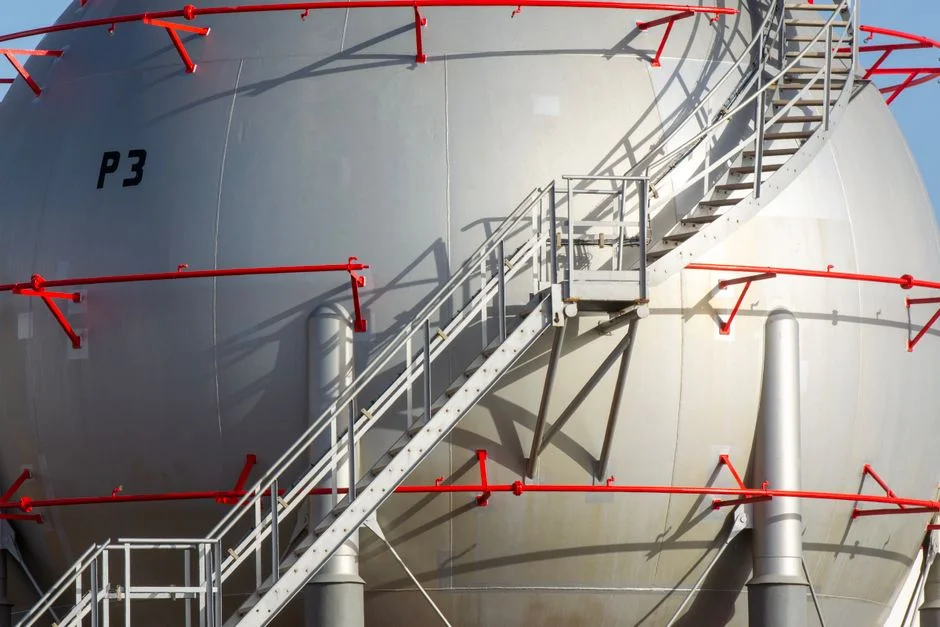
Equalization and pH control belong upstream of solids separation when production batches or cleaning discharges can upset the selected process. DAF requires consistent conditioning, recycle, and scum handling; clarification requires controlled flocculation and sludge withdrawal. Neither process automatically handles a sudden slug of incompatible chemistry.
Use automatic dosing when the process requires repeatable coagulant, flocculant, pH-adjuster, or specialty-chemical feed. HydropureWater’s dosing-system catalog describes PLC-controlled injection on skid-mounted, factory-tested equipment. Specify the required tanks, metering pumps, controls, interlocks, calibration method, and operator interface around the actual chemical plan rather than the catalog configuration alone.
Develop a separate residuals plan for DAF float, clarifier underflow, and any chemical sludge. The plate-and-frame filter press catalog spans filtration areas from 1 m² to 500 m² and offers manual, hydraulic, and fully automatic PLC-controlled operation. Those are equipment options, not a press recommendation; selection requires sludge characteristics, target dewatering result, batch frequency, filtrate quality, and disposal objectives.
Do not assign dissolved-organics or toxicity removal to DAF or clarification. Route those objectives to the appropriate biological or advanced treatment process. Check that the downstream system can accept the expected residual solids, chemical carryover, and hydraulic profile. For a plant considering membrane treatment, evaluate the integrated membrane bioreactor treatment system only after the upstream solids and chemical profile is understood.
Build a 2026 bid package that compares total cost fairly
A comparable bid must price the same treatment objective, operating profile, site scope, and residual-disposal assumptions. The HydropureWater 2026 comparison lists DAF capital cost at $150–$400 per m³ treated and clarifier capital cost at $80–$200 per m³ treated. These are commercial benchmarks, not Peoria quotations or universal project prices, and they should not be used as budget totals without a defined scope.
| Bid component | Information to require from every supplier |
|---|---|
| Equipment scope | Selected technology, tankage, pumps, compressor, recycle system, air preparation, controls, chemical storage, installation, commissioning, training, and maintenance |
| Design basis | Design flow, operating profile, contaminant basis, treatment objective, guarantees, test method, and exclusions |
| Utilities and consumables | Power, compressed air, coagulant, flocculant, pH chemicals, sludge handling, and disposal costs |
| Commercial basis | Common cost period, currency, scope, contingency, escalation, taxes, freight, start-up, and warranty terms |
| Residuals | Expected quantity and characteristics, handling assumptions, dewatering basis, storage, and disposal exclusions |
Use the 2026 wastewater treatment cost benchmarks as a sanity check only. Obtain current Peoria labor, utility, chemical, and disposal costs directly, and document whether each bid includes installation, foundations, wiring, controls integration, startup chemicals, operator training, and performance testing.
Do not compare equipment prices without reconciling operating assumptions. DAF may add air generation, recycle, and conditioning requirements, while clarification shifts the burden toward flocculation, solids inventory, and underflow handling. The relevant commercial answer is lifecycle cost for the plant’s wastewater, not the lowest tank price.
What should a Peoria factory request before approving the equipment?
Approval should be based on a traceable wastewater and permit basis, not a catalog performance sheet. Require a characterization report that covers normal production, cleaning, batch-dump, and upset conditions, with analytical methods stated. A review of chemical plant wastewater pretreatment requirements can help structure the regulatory questions, but the receiving sewer’s applicable Peoria limits and permit conditions must be verified for the actual discharger.
- Approve the wastewater characterization, including production-batch coverage and analytical methods.
- Confirm the receiving sewer requirements, discharge route, downstream treatment path, and permit conditions.
- Approve the process basis, equipment-sizing calculation, utility and chemical requirements, controls philosophy, and residuals plan.
- Review current reference installations with comparable chemistry and require a pilot or representative trial where uncertainty is material.
- Define performance testing, operator training, spare parts, controls support, maintenance access, and warranty responsibilities before purchase-order release.
The approval package should preserve the chain from sample to guarantee: representative wastewater, analytical method, design flow, contaminant basis, selected process, treatment objective, test method, acceptance criterion, and remedy for noncompliance. That chain is the defensible way to compare DAF and clarification in 2026.
Frequently Asked Questions
Which option is more cost-effective for organic chemicals wastewater?
Total cost depends on contaminant properties, flow profile, chemicals, utilities, and residuals. The supplied commercial source, DAF vs. Clarifier: Industrial Wastewater Selection Guide, states that clarifiers generally have lower operating costs, while DAF may be more cost-effective for specific oily contaminants. Request itemized bids covering utilities, chemicals, sludge handling, disposal, and performance guarantees; no defensible project price can be calculated without the wastewater profile and scope.
Should a Peoria plant pilot before buying a DAF or clarifier?
Yes, when chemistry is variable, emulsions are present, or performance guarantees are material. The EPA March 2013 report recommends collecting current information on technology performance, and the commercial selection source specifically recommends wastewater analysis. Define the test wastewater, production conditions, analytical methods, conditioning regime, and acceptance criteria before the trial.
Can DAF and a clarifier be installed together?
Yes. A hybrid train can remove floatable contaminants by DAF and settleable solids by clarification. Before sizing it, define the intermediate treatment objective, hydraulic flow, solids inventory, chemical demand, residuals route, and effect on downstream biological or advanced treatment.
What information should a wastewater equipment supplier request?
Provide a representative wastewater analysis, production and dump flows, operating hours, pH, FOG, TSS, settleable solids, dissolved organics, toxicity data, available utilities, footprint, downstream treatment requirements, and residual-disposal constraints. A DAF system or lamella clarifier should then be evaluated against the same documented design basis.
Related Equipment
- industrial DAF system for organic chemicals wastewater — specifications, capacity range, and technical data