Start with the factory's wastewater and discharge objective
A Chennai factory should select its industrial ETP or DAF system from measured effluent data, peak flow, pollutant characteristics, reuse or discharge goals, and its SPCB consent—not from a generic catalogue model. DAF is most appropriate when oil, grease, free oil, colloidal matter, or light suspended solids must be removed before biological treatment; its micro-bubbles attach to pollutants, float them, and allow automatic skimming. A complete ETP is needed when the wastewater also requires equalisation, pH correction, biological treatment, filtration, and disinfection. Conventional ETPs do not remove dissolved salts, so RO or evaporation may be required for water reuse or ZLD.
HECS states that an industrial effluent treatment plant should be designed around effluent test results rather than a catalogue model. The quotation request should therefore begin with representative sampling of each process stream, covering pH, oil and grease, suspended solids, COD and BOD, plus sector-specific parameters. For automotive or metal-finishing lines, those additional parameters may include emulsified oil and relevant metals; the exact list should be fixed with the process team and the SPCB conditions.
Measure average process-effluent flow and peak flows separately. HECS recommends sizing treatment capacity from measured process-effluent flow while sizing equalisation and other hydraulic units for peaks and planned expansion. Total factory water consumption is not the correct basis: cooling water, domestic wastewater and other streams that do not require treatment should not inflate the treatment plant.
Map the final objective before selecting equipment: direct discharge, transfer to a common treatment facility, process reuse or zero liquid discharge. Obtain the applicable Tamil Nadu SPCB consent conditions and identify whether the factory is seeking an upgrade, an expansion or a new system. Segregate strong, toxic or high-concentration streams where practical; HECS states that segregation can be cheaper than building a larger ETP.
| Design-basis item | Evidence required before quotation | Why it affects selection |
|---|---|---|
| Representative effluent analysis | Stream-specific pH, oil and grease, TSS, COD, BOD and applicable sector parameters | Defines the treatment objectives and chemical programme |
| Hydraulic basis | Average process flow, peak flow, planned expansion and operating shifts | Separates treatment capacity from equalisation and peak-flow design |
| Wastewater source map | Stream segregation, batch dumps, floor washings and high-concentration discharges | Identifies pretreatment and equalisation needs |
| Final objective | Applicable SPCB consent, common-ETP transfer terms or reuse specification | Sets the required treated-water parameters |
Use the 2026 DAF unit selection framework to turn these inputs into a comparable bidder brief rather than allowing each supplier to assume a different wastewater basis.
Choose between DAF, a clarifier, and a complete ETP
Dissolved air flotation is a physico-chemical separation process in which very small air bubbles attach to suspended particles, increasing their flotation rate so they can be skimmed from the surface. A conventional clarifier instead separates particles through gravity. Neither device, by itself, defines a complete industrial effluent treatment plant.
Choose DAF when the primary targets are oil, grease, FOG, colloidal material or light suspended solids. Aquagreen describes the process as efficient clarification, oil and grease removal and suspended-solids reduction, with tiny bubbles carrying solids and oil droplets to the surface for skimming. It can also protect downstream biological treatment: a Quora refinery explanation published in July 2026 states that emulsified oil entering biological reactors can coat bacteria, reduce oxygen transfer and damage the microbial population. DAF after gravity-based oil separation can therefore remove remaining emulsified oil and fine solids when the chemical and emulsion-breaking strategy is appropriate.
Choose a clarifier when settleable solids dominate and gravitational separation is adequate. A lamella clarification arrangement may be relevant where compact solids separation is required, subject to the actual wastewater analysis and hydraulic basis. DAF is generally the stronger choice where oily or floatable material makes settling ineffective. It should not be treated as interchangeable with an oil trap or grit chamber: free oil removal, stable-emulsion treatment and solids flotation are different jobs.
| Selection condition | Preferred equipment | Scope boundary |
|---|---|---|
| Oil, grease, FOG, colloidal matter or light solids are the primary load | DAF, with coagulation and flocculation where required | Usually a pretreatment stage; not automatically a compliant ETP |
| Settleable solids dominate and gravity separation is adequate | Conventional or lamella clarifier | Does not replace biological treatment where organic removal is required |
| Equalisation, pH control, biological treatment, filtration and disinfection are all required | Complete industrial effluent treatment plant | DAF or clarification is one stage within the overall train |
| Water reuse or zero liquid discharge is required | ETP followed by the specified membrane and evaporation stages | Conventional ETP treatment does not remove dissolved salts |
The supplied HECS process sequence includes equalisation, pH correction, coagulation-flocculation, DAF or clarification, biological treatment, secondary clarification, sand filtration, optional carbon filtration and optional disinfection. If those functions are necessary, specify a complete train. A standalone industrial dissolved air flotation system is appropriate only when its hydraulic and contaminant duties match the job. For settleable-solids separation, compare that scope against the vendor’s high-efficiency sedimentation tank.
Build the treatment train around the pollutant profile
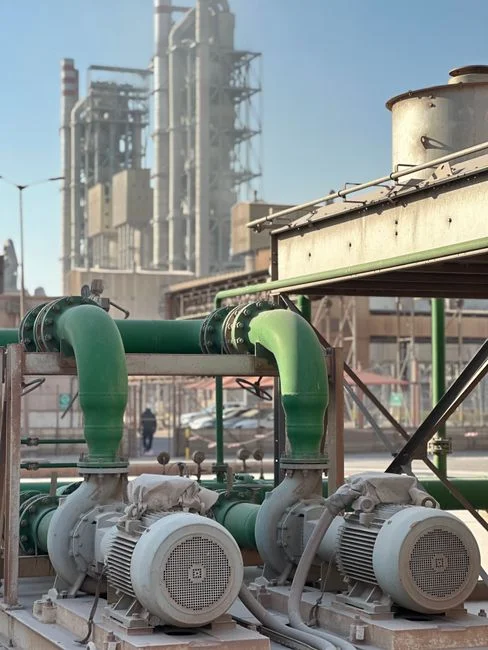
A complete treatment train follows the functions required by the wastewater rather than a fixed equipment list. HECS gives this sequence: collection, screening, oil/grit removal, equalisation, pH correction, coagulation-flocculation, DAF or clarifier, biological treatment, secondary clarifier, sand filter, optional carbon filter, optional disinfection, then discharge or reuse.
Primary treatment performs physical and chemical preparation. Equalisation stabilises flow and wastewater character; pH correction protects downstream processes; coagulation-flocculation creates larger, separable flocs. Where pH correction, chemical dosing, flocculation or emulsion breaking is required, the package should include automatic dosing rather than relying on manual batch preparation. A PLC-controlled chemical dosing system can be specified for the required coagulants, flocculants, pH adjusters and specialty chemicals.
Secondary treatment addresses dissolved and biodegradable organics through aerobic or anaerobic biological wastewater treatment. A secondary clarifier then separates the resulting biological solids. Tertiary stages provide final polishing: sand filtration, optional carbon filtration and optional disinfection before discharge or reuse. These stages should not be added by default; each must answer a parameter in the treated-water specification.
Design the sludge route at the same time as the liquid plant. A DAF mechanically skims float into a sludge-holding route, while other ETP stages generate settled sludge. The quote should establish storage, solids concentration, dewatering and authorised disposal. A plate-and-frame filter press is one dewatering option, but the selected method must follow the sludge characteristics and disposal route.
For reuse or zero liquid discharge, HECS gives the sequence ETP, ultrafiltration, RO, multiple-effect evaporation and a crystalliser or ATFD. The reason for adding these stages is straightforward: a conventional ETP does not remove dissolved salts. Where reuse requires very fine solids separation, an ultrafiltration system may form part of the advanced-treatment train, but it should match the reuse specification rather than add unnecessary equipment. MBR or other advanced systems should likewise be selected only after the biological and solids-removal duties are defined.
Match DAF capacity and performance to the design basis
A standard DAF catalogue size is a starting point for comparison, not proof that the unit is correctly loaded. The available HydropureWater DAF range is 4–300 m³/h across 13 standard models, but project-specific hydraulic and contaminant loading checks remain necessary. Treat any standard model as unsuitable until the supplier has reconciled it with the factory’s wastewater analysis, operating profile and treatment objective.
For the operating principle, the Quora DAF explanation published in July 2026 describes micro-bubbles usually measuring 10–100 micrometres in diameter. These bubbles attach to suspended solids and small oil droplets, increase their effective flotation rate and form a skimmable froth. The bubble range is not a universal removal-efficiency guarantee; actual performance depends on the wastewater, chemical conditioning, recycle arrangement, loading and equipment design.
| Bid requirement | Supplier response expected | Buyer check |
|---|---|---|
| Wastewater and design basis | Analysis, flow basis, operating hours, peak conditions and expansion allowance | All bidders must use the same source data |
| Contaminant loading | Oil and grease, TSS, pH and other specified loads with design margins | Identify whether values are measured, guaranteed or assumed |
| Process performance | Defined inlet conditions, outlet parameters, test method and acceptance procedure | Reject guarantees without stated test conditions |
| Mechanical and controls | Recycle system, skimming duty, sludge removal, instruments, PLC/SCADA and power requirements | Verify exclusions and local service scope |
| Chemical and operating costs | Consumption basis, programme, preparation requirements and operating philosophy | Compare like-for-like assumptions |
Specify equalisation and hydraulic units for peak flows and future expansion in line with HECS guidance. For sector-specific pretreatment, the industrial pretreatment before DAF guide addresses automotive paint-shop conditions, while the step-by-step DAF sizing guide addresses desizing effluent. These examples show why upstream process characteristics cannot be separated from DAF selection.
Statements such as low maintenance, chemical savings or high removal efficiency should remain supplier claims until the proposal states test conditions, influent limits, guarantees and acceptance criteria. The industrial DAF selection guide provides a useful structure for examining those claims.
Check Chennai compliance, installation, and supplier credentials

The applicable SPCB consent is the governing design document for the factory. HECS states that the consent order, rather than a generic CPCB norm, sets the standard the ETP must meet. Obtain the current consent and attach its applicable discharge or reuse conditions, sampling requirements and compliance schedule to the tender.
The supplied India discharge guide gives inland BOD of not more than 30 mg/L and COD of not more than 250 mg/L, but these values must not be presented as universal Chennai factory limits. Their applicability depends on the factory’s consent and category. Use the 2026 India effluent discharge guide to understand the general source, then verify the actual requirement in the Tamil Nadu SPCB consent.
Ask every bidder for process guarantees, guaranteed throughput, chemical consumption, power consumption, control narratives, material specifications, foundation details, utility requirements, commissioning tests, training, warranty and local spare-parts support. Check whether the quoted package includes equalisation, chemical dosing, DAF, pumping, sludge handling, instrumentation, PLC/SCADA, odour control and pretreatment—or excludes any of them.
| Supplier check | Evidence to request | Procurement decision enabled |
|---|---|---|
| Design basis | Signed wastewater analysis, flow schedule, objective and consent reference | Confirms the offer addresses the actual factory problem |
| Technical scope | P&IDs, equipment list, process narrative, utilities, foundations and battery limits | Excludes ambiguous or missing package items |
| Performance | Guaranteed throughput, outlet parameters, chemical use, power use and test protocol | Creates measurable acceptance criteria |
| Execution | Construction programme, commissioning tests, training, warranty and local support | Assesses delivery and operating risk |
| Sludge | Generation basis, storage, dewatering and disposal route | Prevents an incomplete ETP scope |
Require all bidders to quote from the same wastewater analysis, flow basis, treatment objective and compliance schedule; otherwise differences in price may simply reflect different assumptions. For a practical case-study review, examine the emergency DAF case study before applying the broader DAF unit selection framework to the shortlist.
Frequently Asked Questions
How much does an industrial ETP or DAF system cost for a Chennai factory?
No supplied source supports a generic Chennai price range. Ask vendors to quote from the same measured flow, representative effluent analysis, treatment objective, pretreatment requirements, sludge handling, controls and reuse scope. Compare total package exclusions and the operating-cost basis rather than accepting only equipment cost.
Which is better: DAF, a clarifier, or a complete ETP?
Use DAF where oil, grease, colloidal matter or light solids are the principal separation load; use a clarifier where settleable solids and gravity separation dominate. Specify a complete ETP when equalisation, pH correction, biological treatment, filtration and disinfection are also necessary.
How do you size a DAF or ETP for peak factory flows?
Size treatment capacity from measured process-effluent flow and size equalisation and hydraulic units for peaks and planned expansion, following HECS. A representative analysis is still required so suppliers can check contaminant loading, not merely flow. Do not use total factory water consumption as the treatment basis.
Which Chennai ETP supplier should be shortlisted?
Prioritise a demonstrated design basis, defined performance guarantees, complete mechanical and controls scope, commissioning evidence, sludge handling, local technical support and a clear acceptance procedure. Headline capacity or generic removal claims should carry less weight than conditions attached to those claims.
What compliance limits should the ETP be designed to meet?
Use the factory’s actual Tamil Nadu SPCB consent as the governing requirement. Do not treat general CPCB values as universal Chennai limits. Require the supplier to state every design and acceptance parameter against the consent schedule, including the sampling and testing method.