Why COD and BOD Removal Is a 2026 Priority for Industrial Plants
Chemical oxygen demand (COD) and biochemical oxygen demand (BOD) are the two metrics that drive most industrial discharge permits, release charges and on-site reuse decisions in pharmaceutical, food and beverage, brewery, municipal, reclamation and offshore operations (Mellifiq, accessed 2025). COD evaluates all organic and inorganic material in a wastewater sample; the US EPA has approved COD for rapid, high-frequency monitoring of plant efficiency, and the test takes about 2 hours compared with 5 or 7 days for BOD5 or BOD7, so it is the trend-monitoring tool of choice (ALAR Corp., accessed 2025).
Because COD and BOD results typically correlate, operators use COD for daily trend control and BOD for regulatory reporting (ALAR Corp., accessed 2025). The COD or BOD value alone does not reveal what the water actually contains, which is why the same numeric reading can call for very different unit operations (Mellifiq, accessed 2025). In 2026, plant specifications should be anchored to the local discharge standard — for example Brazil's CONAMA 430/2011 or Vietnam's QCVN 40:2011/BTNMT — rather than a generic target, as described in the Brazil CONAMA 430/2011 discharge standards reference, because non-compliance now carries both financial and reputational cost on every shift.
How to Read Your Influent: BOD:COD Ratio, Solids and Non-Biodegradables
Every treatment train should be selected from a small set of influent diagnostics that a buyer can assemble before contacting suppliers. In an untreated industrial or municipal stream, suspended particles — sand, clay, sludge and other natural organic matter — can make up 40–70% of total COD and 20–50% of BOD (Mellifiq, accessed 2025). A low BOD:COD ratio typically signals a stream that is not readily biodegradable and that may need a tailored solution such as an advanced oxidation process or membrane polishing (Mellifiq, accessed 2025). Non-biodegradable COD includes pharmaceuticals such as diclofenac, paracetamol and propofol, persistent organic pollutants (pesticides, industrial chemicals, hormones) and fluorinated or bromated organic compounds (Mellifiq, accessed 2025). Biodegradable COD measured by COD-Cr or COD-Mn methods is not numerically interchangeable with BOD because the techniques differ (Mellifiq, accessed 2025). When the COD:TOC ratio is high, the stream likely carries a large share of easily oxidised solids, which tells the engineer that a biological train can do much of the work (ALAR Corp., accessed 2025). The pre-design checklist to assemble before shortlisting suppliers therefore includes: daily and peak flow, influent BOD5, COD, TSS, oil and grease, temperature, pH, salinity, the share of non-biodegradables, and the local discharge standard — a discipline covered in general terms by the high water volume management best practices guide.
Primary Biological Treatment: MBBR, Activated Sludge, MBR and Anaerobic Reactors
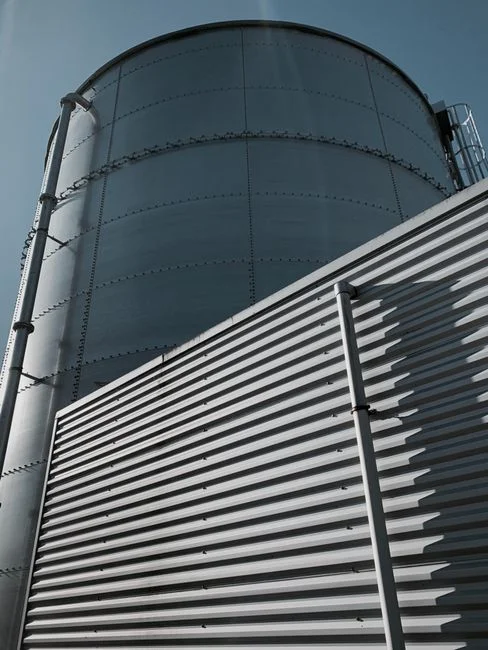
Biological reactors do the bulk load reduction on the biodegradable fraction. A 2025 open-access study on real petrochemical wastewater treated in a moving bed biofilm reactor reported optimal conditions at 72 hours of treatment, 2,500 mg/L initial COD and 50% carrier filling, achieving about 78.5% COD, 65% BOD and 50% TOC reduction, with the biodegradability factor rising from 0.4 before treatment to 0.7 after (Desalination and Water Treatment, 2025). The same study systematically varied bioremediation time, the role of suspended microorganisms, stripping by aeration, surface adsorption, percentage of carrier filling, initial COD, shock loading and salinity on COD removal performance, which makes it a useful reference for a 2026 pilot design (Desalination and Water Treatment, 2025). Where footprint and reuse are both priorities, an MBR membrane bioreactor system combines activated sludge with submerged PVDF filtration to deliver near-reuse-quality effluent with sub-micron solids retention. For high-strength, warm, high-flow streams where biogas recovery can offset aeration energy, an EGSB reactor process flow diagram or a UASB reactor process flow diagram is the conventional anaerobic choice, paired with downstream polishing for residual COD. A side-by-side cost and removal comparison is laid out in the MBR vs conventional activated sludge cost comparison. Selection cue: anaerobic for very high COD with a biogas co-benefit, MBBR for medium-to-high COD with a compact footprint, conventional activated sludge for large municipal-style flows, and MBR when the limit demands very low suspended solids or partial reuse.
Physical-Chemical Pre- and Post-Treatment: DAF, Lamella Clarifiers and Filtration
Mechanical and flotation steps are the cheapest way to remove a large share of the load and are not optional extras. Mechanical filtration to remove suspended particles is described as a valuable tool to reach the bottom line downstream in the treatment process (Mellifiq, accessed 2025). A DAF system uses micro-bubble flotation for high-efficiency removal of suspended solids, fats/oils/grease and colloidal matter and is a workhorse in food processing, pulp and paper, textile, metalworking, petrochemical and municipal pre-treatment. A lamella clarifier combines sludge recirculation, flocculation and inclined-plate separation to reach high surface loading rates with reduced chemical consumption, and a multi-media filter polishes residual turbidity and brings SDI down to levels that protect downstream RO membranes. For fibre-heavy streams such as textile effluent, a pressure flotation configuration is documented in the pressure flotation system for textile industry guide. Budgeting 30–60% of total CAPEX for the pre-treatment line is normal when the influent carries high TSS, FOG or fibres, because this stage directly shrinks the size and energy draw of every downstream unit.
Tertiary Polishing: Ozone, AOP, MBR and Reverse Osmosis for Tough COD
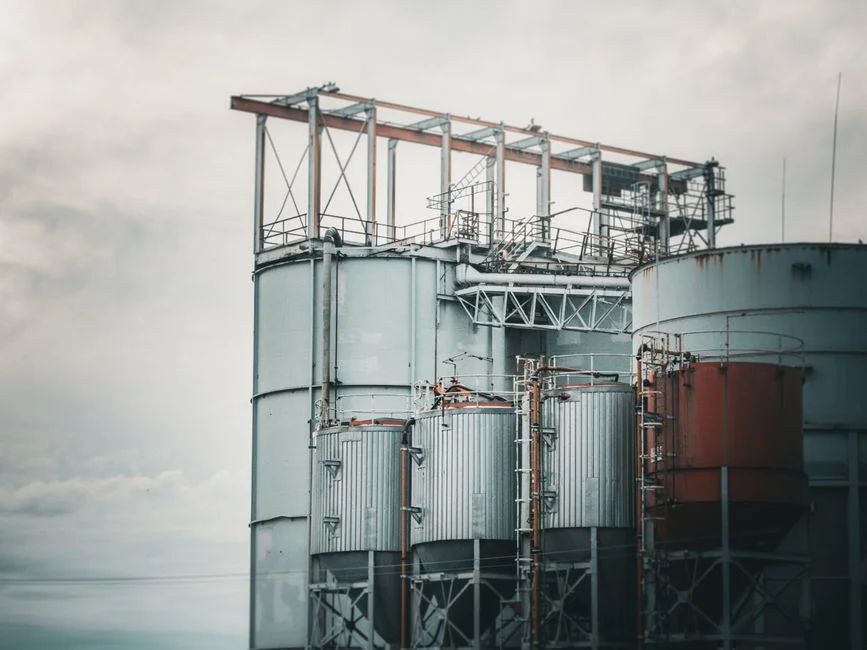
When biology alone cannot meet the discharge or reuse limit, tertiary polishing finishes the job. Ozonation is in many situations a powerful treatment method for dissolved organic compounds with chemically complex structures, provided it is designed, sized and operated properly (Mellifiq, accessed 2025). Advanced oxidation processes (AOPs) generate extremely reactive radicals with higher oxidation potential than ozone alone and significantly higher reaction rates, leading to lower contact time and smaller footprint, and can achieve complete or partial oxidation of target pollutants (Mellifiq, accessed 2025). AOPs are typically implemented as ozone-catalytic (O3/H2O2 or O3/catalyst), ozone-UV or peroxide-ozone systems, with reaction examples such as Fe3+ + O3 → (FeO)2+ + OH· + O2 + H+ and O3 + H2O → O2 + H2O2 under UV, followed by 2O3 + H2O2 → 2·OH + 3O2 (Mellifiq, accessed 2025). For stable molecules such as PFAS and PFOS, or for residual organics, polishing can use multimedia adsorption, nanofiltration or reverse osmosis, with media and membrane selected to the molecular polarity of the target substances (Mellifiq, accessed 2025). An industrial RO system achieves high recovery with continuous PLC control and minimal chemical consumption, and an MBR flat sheet membrane module adds suspended-solids polishing where the limit is tight. Selection cue: ozone or AOP where the residual COD is non-biodegradable or coloured, MBR where the limit is on suspended solids and partial reuse is desired, and RO or NF where the limit is on dissolved salts, trace organics or where water reuse is the goal. Disinfection ahead of reuse is covered in the UV disinfection solutions for industrial reuse guide.
COD/BOD Technology Comparison Matrix (2026)
Use the matrix below to align each technology with the fraction of the load it targets, then shortlist two or three options for piloting. The numbers are taken from the research base cited earlier; the 40–70% / 20–50% suspended-solids share and the 78.5% / 65% MBBR removal data are documented values, while the other removal ranges are qualitative descriptors without a single supported figure and should be confirmed in a jar test or pilot (Mellifiq, accessed 2025; Desalination and Water Treatment, 2025).
| Technology | Target fraction | Typical influent window | Key supported figure | Best-suited when |
|---|---|---|---|---|
| Mechanical screening / DAF / lamella | Suspended solids, FOG, colloids | Front of any train with high TSS or fibres | Suspended particles can be 40–70% of COD and 20–50% of BOD (Mellifiq, accessed 2025) | Always, as a pre-treatment step |
| MBBR | Biodegradable organics | Medium-to-high COD, petrochemical profile tested | 78.5% COD, 65% BOD, 50% TOC at 72 hr, 2,500 mg/L initial COD, 50% carrier fill (Desalination and Water Treatment, 2025) | Compact site, stable operation, retrofit |
| Conventional activated sludge | Biodegradable organics | Large municipal-style flows | Removal range not specified in supplied research — confirm in pilot | Large flow, low footprint pressure |
| Anaerobic (EGSB / UASB) | High-strength biodegradable organics | Very high COD, warm, high-flow streams | Biogas recovery offsets aeration — quantitative offset not in supplied research | High strength, biogas co-benefit |
| MBR | Residual organics + low TSS | Tight suspended-solids or reuse limits | Sub-micron solids retention; footprint and energy data not in supplied research | Reuse, very low TSS in effluent |
| Ozone / AOP (O3, O3/H2O2, O3/UV) | Non-biodegradable COD, colour, trace organics | Residual COD after biology | Higher radical oxidation potential and reaction rates than ozone alone (Mellifiq, accessed 2025) | Pharmaceuticals, colour, refractory COD |
| NF / RO | Dissolved salts, trace organics, PFAS | Polishing after biology or AOP | RO recovery up to 95% with PLC control (HydropureWater RO product description) | Reuse, trace-contaminant limits |
Decision Framework: From Influent Profile to Recommended Treatment Train

The choice rule is simple, even if the numbers behind it are not. The decision below is anchored to the same research base; quantitative thresholds for each rule (other than the documented 40–70% / 20–50% suspended-solids share) are not present in the supplied evidence and must be confirmed in a jar test or pilot on the actual stream (Mellifiq, accessed 2025; Desalination and Water Treatment, 2025).
| If your influent shows… | …then lead with | …then add | Rationale (source) |
|---|---|---|---|
| High BOD:COD ratio, biodegradable stream | Biological workhorse (MBBR, activated sludge, anaerobic) | Polishing only if reuse or trace limit applies | MBBR documented at 78.5% COD / 65% BOD on petrochemical wastewater (Desalination and Water Treatment, 2025) |
| High TSS, FOG or fibres | Mechanical pre-treatment (DAF, lamella, bar screen) | Then biological stage sized to residual load | Suspended particles can be 40–70% of COD and 20–50% of BOD (Mellifiq, accessed 2025) |
| Residual non-biodegradable COD (pharma, PFAS, pesticides, fluorinated or bromated organics) | Biological stage first | Ozone or AOP, then NF or RO if reuse or trace limit applies | AOPs have higher oxidation potential and reaction rates than ozone alone (Mellifiq, accessed 2025) |
| Tight 2026 discharge limit (e.g. tertiary COD ≤125 mg/L) | Biological and polishing stages designed together | Do not upgrade biology alone — polishing cost scales with residual COD | Limits are site-specific; confirm against the local standard |
Always confirm the chosen train with a pilot or on-site jar test before procurement; reputable providers offer pilot projects, rental units and contracting to de-risk the final design (Mellifiq, accessed 2025). The Khobar 2026 industrial wastewater engineering specs reference illustrates how a tight tertiary COD limit reshapes the polishing stage.
How to Choose an Industrial Wastewater Treatment Provider in 2026
The technical shortlist only becomes a defensible procurement decision when the supplier-selection process is structured. Prefer a total-solutions provider that can integrate mechanical, biological, oxidation and membrane stages rather than a single-unit vendor, because a multi-technology approach is normally required to remove all COD and BOD fractions (Mellifiq, accessed 2025). Ask every bidder for: pilot data or reference plants on a similar influent, a full mass-balance design with guaranteed effluent quality, the compliance standard they are designing to (EPA, CONAMA 430/2011, QCVN 40:2011/BTNMT, EU 91/271/EEC, NEMA/EMCA), and a clear split of CAPEX, OPEX, energy and chemical consumption. Shortlist suppliers that can support containerised, skid-mounted or rental configurations to reduce deployment risk, and that supply their own membranes, filter media and chemical dosing — for example an automatic chemical dosing system — for single-vendor accountability. Require a documented commissioning, training and O&M handover plan, because anaerobic and MBR systems in particular need stable operating procedures to hold their design removal rates. Finally, verify that the supplier's control system can log the COD trend at the high frequency the EPA-approved COD test enables, so the plant can demonstrate compliance continuously rather than only on BOD5 sampling days (ALAR Corp., accessed 2025). The broader site-level discipline is captured in the high water volume management best practices guide.
Frequently Asked Questions
What is the most cost-effective COD and BOD treatment technology for industrial wastewater in 2026?
There is no single cheapest technology; cost depends on influent strength, target compliance standard and local energy and chemical prices. The supplied research confirms the removal performance of an MBBR (78.5% COD, 65% BOD, 50% TOC at 72 hr and 2,500 mg/L initial COD; Desalination and Water Treatment, 2025) and the share of load that mechanical pre-treatment can remove (suspended particles at 40–70% of COD and 20–50% of BOD; Mellifiq, accessed 2025), but it does not provide a CAPEX or $/m³ figure. A buyer should request a site-specific mass balance and a CAPEX/OPEX split from each shortlisted bidder rather than rely on a published number.
How do I shortlist the right COD/BOD treatment provider for a 2026 RFQ?
Shortlist suppliers that can deliver a multi-technology train with documented pilot or reference performance on a similar influent, that design to a named compliance standard (EPA, CONAMA 430/2011, QCVN 40:2011/BTNMT, EU 91/271/EEC, NEMA/EMCA), and that offer containerised or rental configurations plus their own dosing, filtration and membrane packages for single-vendor accountability (Mellifiq, accessed 2025). Require a commissioning, training and O&M handover plan in writing, and confirm the control system can log high-frequency COD trends so compliance is demonstrable between BOD5 sampling days (ALAR Corp., accessed 2025).
Can a moving bed biofilm reactor (MBBR) alone meet a tight industrial discharge limit in 2026?
On real petrochemical wastewater the MBBR in the cited study reduced COD by about 78.5%, BOD by 65% and TOC by 50% at 72 hours with 2,500 mg/L initial COD and 50% carrier filling, lifting the biodegradability factor from 0.4 to 0.7 (Desalination and Water Treatment, 2025). That is strong biological reduction, but it is not a guaranteed effluent value below any specific discharge limit. A buyer should confirm the residual COD against the local standard and add polishing (ozone, AOP, MBR, NF or RO) where required (Mellifiq, accessed 2025).
Which technology removes non-biodegradable COD such as pharmaceuticals or PFAS?
Biology alone will not crack stable molecules; the documented route is a biological stage followed by ozone or an advanced oxidation process (O3/H2O2, O3/catalyst, O3/UV or peroxide-ozone) and then multimedia adsorption, nanofiltration or reverse osmosis, with media and membrane selected to the molecular polarity of the target substances (Mellifiq, accessed 2025). AOPs are described as having higher oxidation potential and significantly higher reaction rates than ozone alone, with lower contact time and footprint, which is why they are typically the first polishing step before any membrane stage (Mellifiq, accessed 2025).
Related Equipment
- rotary mechanical bar screen — specifications, capacity range, and technical data