Why Fabricated Metals Wastewater in Warren Is Not a Generic Industrial Stream
A Warren, MI fabricated-metals plant is rarely treating one homogeneous waste stream. Parts-washing rinses carry free and emulsified tramp oil; machining and stamping cells bleed synthetic or semi-synthetic metalworking fluids (MWF); drawing presses add soaps, lubricants and graphite compounds; grinders and shot-blast cabinets shed metal fines and swarf; and occasional hexavalent chrome from passivation or hard-chrome plating shows up in batch dumps. The oil and MWF fraction floats; the metal-fines fraction settles. The two fractions behave differently, age differently, and trip different discharge parameters, which is why the DAF-versus-clarifier question cannot be answered with a generic industrial-water rule.
Warren-area fabricators typically discharge to a local POTW under an industrial pretreatment permit that sets numerical limits on TSS, oil and grease (O&G), pH and metals. Permit limits are enforced at the discharge manhole, not at the equipment outlet, so the separator has to be chosen against the actual influent profile the plant generates, not a textbook "industrial wastewater" envelope. The EPA's Process Design Manual for Suspended Solids Removal (EPA 625/1-75-003a, January 1975) frames the choice around the size, density and chemical behaviour of the solids, which is exactly the lens a Warren engineer should use.
How a DAF System Actually Removes Oils and TSS
A dissolved air flotation (DAF) system clarifies wastewater by attaching fine air bubbles to oil droplets, FOG and chemically conditioned floc, then floating that agglomerate to the surface for skimming. According to Clearwater Industries' product literature on SigmaDAF systems (clearwaterind.com, 2026-04-27), the released bubbles are 30-50 microns in diameter, small enough to adhere to emulsified oil and light TSS that would otherwise pass through a settling basin. After chemical conditioning, flocculated solids enter the DAF clarifier, are captured by the microbubbles, and are lifted to the water's surface; a paddle skimmer then scrapes the float off. Heavier solids settle into a bottom collection zone and are removed by an auger, so a DAF is not strictly a flotation-only device — it also acts as a partial clarifier for the heavy fraction.
DAF performance is tied to upstream chemistry. Clearwater's SigmaDAF documentation and Kemco Systems' DAF reference (kemcosystems.com) both stress that DAF should be paired with coagulant and flocculant dosing, delivered through serpentine flocculator mix tubes or chemical mix tanks, so the bubbles have particles large enough to attach to. Material of construction is 304 stainless steel as standard, with 316SS and polypropylene available for more corrosive synthetic MWF, hex-chrome streams, or high-chloride rinse water. Standard model classes in the SigmaDAF line include the FPAC (small-to-medium flow, very high TSS and FOG), the FPBC (low-to-medium solids, with an integrated lamella pack), and the FPHF (high flow, low-to-large solids), with the COMPACT DAF offered as a pre-assembled, PLC-controlled turnkey skid for flows of 66 GPM or less.
For oil-laden and emulsified streams — exactly what a Warren parts-washing or stamping line produces — DAF is the documented technology of choice. Kemco explicitly lists metal finishing among its core DAF application areas, alongside food processing, industrial laundries, refineries and paper mills, and notes that typical DAF systems include coarse filtration, physical-chemical treatment and sludge dewatering ahead of discharge or reuse.
How a Gravity or Lamella Clarifier Handles Fabricated-Metals Streams
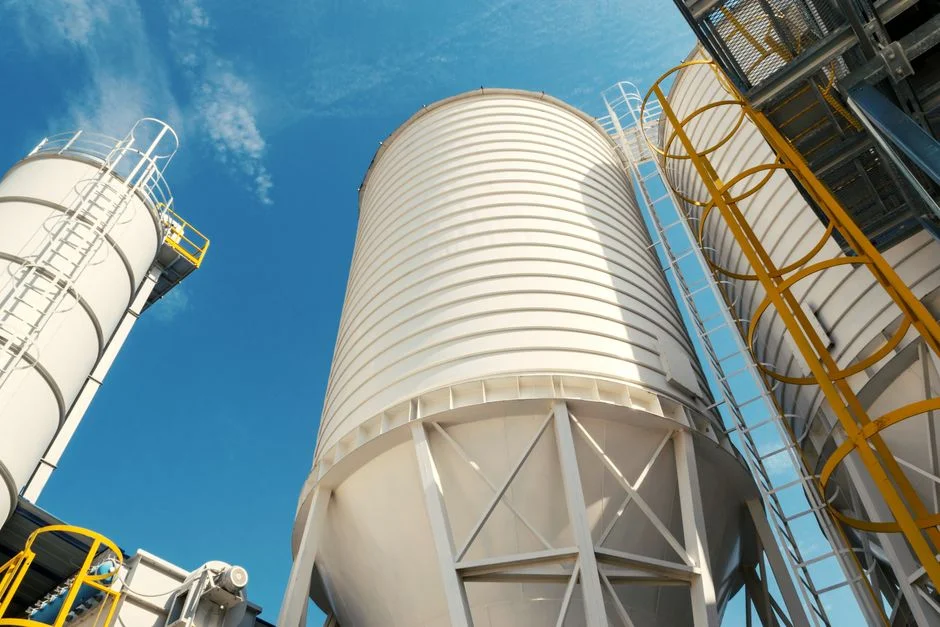
A gravity clarifier relies on Stokes-law settling: dense particles fall to the bottom of a rectangular or circular tank under quiescent conditions. The EPA's Process Design Manual for Suspended Solids Removal (1975) treats rectangular and circular sedimentation tanks, tube settlers and wedge-wire settlers as the standard clarifier family and lays out typical design parameters for primary and secondary clarifiers. Inclined-plate (lamella) clarifiers shorten the settling distance by adding parallel plates at a steep angle, which lets them reach much higher surface loading rates than a conventional basin of the same footprint, and recover settleable solids as a denser underflow.
For heavy metal fines, grinding swarf and settleable TSS with little associated oil, a lamella or wedge-wire clarifier is mechanically simpler than a DAF, uses less energy (no saturator, no recycle air compressor, no chemical program) and produces a denser sludge that dewaters more easily downstream. Kemco's reference treatment train is consistent with this sequencing: coarse filtration first, then pH adjustment, then the air-driven separation step — meaning the upstream screening and chemistry stage is doing the heavy-solids work that a clarifier would otherwise do.
The clear limitation is that a clarifier alone will not reliably remove emulsified oils, synthetic MWF, FOG or light TSS. Oil will pass through, re-emulsify in the collection trough, and continue to the POTW manhole, where it will register as an O&G exceedance. For a Warren plant whose parts-washer and stamping cells push significant oil load, a clarifier without a DAF or a coalescer is almost always the wrong primary separator.
DAF vs Clarifier for Fabricated Metals: Side-by-Side Comparison
The table below consolidates the mechanism, fit, footprint, sludge, opex and maintenance contrasts for a single primary-separator decision. None of the rows is decisive on its own; the matrix is meant to be read alongside the decision rules in the next section.
| Parameter | DAF | Gravity / Lamella Clarifier |
|---|---|---|
| Mechanism | Air flotation of conditioned floc, oil and FOG; partial settling of heavy solids in bottom auger zone | Gravity settling of heavy, settleable solids; lamella plates shorten settling distance |
| Best contaminant match | Free and emulsified oil, FOG, drawing compounds, synthetic MWF, light TSS | Metal fines, grinding swarf, stamping fines, grit, settleable TSS |
| Typical materials | 304SS standard; 316SS and polypropylene for corrosive MWF or chrome-bearing streams (SigmaDAF/Clearwater) | Carbon steel, 304SS or 316SS with FRP / polypropylene plate packs |
| Footprint | Compact flotation cell plus chemical dosing skid and saturator | Lamella clarifier reaches high surface loading in a small footprint; conventional clarifier needs more floor area |
| Sludge form | Floated scum, wet, high in oil and water | Denser underflow, easier to dewater |
| Chemical use | Coagulant + flocculant required; performance tied to chemistry (SigmaDAF/Clearwater; Kemco) | Coagulant optional; mainly pH control |
| Sensitivity to upset | Tolerates oil spikes; sensitive to wrong chemistry or loss of saturator air | Tolerates chemistry swings; defeated by emulsified oil |
| Maintenance load | Skimmer, auger, saturator, air compressor, dosing pumps, plate packs (FPBC) | Scrapers or plate packs, sludge pump, periodic plate cleaning |
| Best role in a Warren train | Primary for oil/MWF; or secondary after a clarifier | Primary for metal-fines fraction; or upstream of a DAF for fines removal |
The right reading of this matrix is that DAF and clarifier solve different sub-problems inside the same fabricated-metals stream. Choosing one to do both jobs is how 2026 retrofit projects end up with permit excursions on the first batch dump.
Decision Rules Specific to Warren Fabricated-Metals Plants in 2026
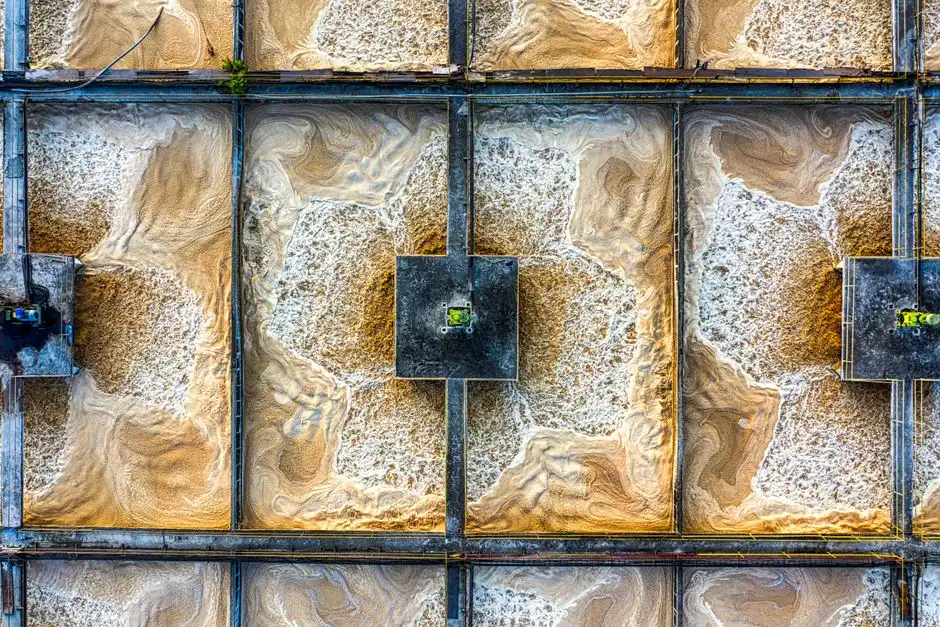
Reframe the choice around the dominant contaminant, not the equipment brand. The rule set below, applied to the actual Warren influent, gives a defensible specification in 2026.
| If the dominant load is… | Then specify… | Why |
|---|---|---|
| Emulsified MWF, tramp oil, drawing or stamping compound, FOG | DAF as the primary separator, with DAF system for fabricated-metals wastewater and upstream automatic chemical dosing | 30-50 µm microbubbles float oil and light TSS; clarifiers will let it pass (SigmaDAF/Clearwater; Kemco) |
| Grinding swarf, stamping fines, shot-blast dust with little oil | Lamella or inclined-plate clarifier as the primary step (inclined-plate lamella clarifier) | Denser settleable solids, lower opex, no chemical program required |
| Mixed MWF, tramp oil and metal fines (typical Warren parts-washing + machining line) | Lamella clarifier first for fines, then DAF for oils and light TSS, then a plate-frame filter press on the combined sludge; protect both with a rotary mechanical bar screen and pH control ahead | Matches the EPA Process Design Manual flow and the Kemco reference train |
| High-chrome or corrosive MWF | DAF or clarifier in 316SS or polypropylene | Material upgrade called out for corrosive streams (SigmaDAF/Clearwater) |
In every case, validate the chemistry and hydraulics on a jar test or on-site pilot before issuing a PO. The EPA Process Design Manual foreword is explicit that its design criteria are typical values, to be tempered with site-specific testing on the actual wastewater.
2026 Sizing and Specification Checklist for the Quote
Send this list to every vendor before a quote is treated as comparable. The goal is to force every bidder onto the same influent envelope, the same materials, the same chemical-conditioning scope, and the same downstream sludge-handling assumption.
| Item to demand | What to specify | Why it matters |
|---|---|---|
| Flow envelope | Peak and average flow in m³/h, including batch dumps from parts washers | DAF/clarifier sizing is hydraulic; missing the peak kills the unit on the first batch |
| Influent characterisation | TSS, O&G, FOG, pH, temperature, plus any metals of concern (chrome, nickel, zinc) at peak and average | Defines whether DAF or clarifier is the right primary, and what chemistry is needed |
| Effluent targets | TSS and O&G limits — driven by the Warren POTW pretreatment permit, not the vendor | Sets the guarantee the vendor has to put in writing |
| Materials of construction | 304SS standard, 316SS or polypropylene for corrosive MWF or chrome-bearing streams | Matches SigmaDAF/Clearwater standard and upgrade paths |
| DAF model class | FPAC (high solids), FPBC (lamella pack), FPHF (high flow), or COMPACT skid | Select on the actual flow and load profile, not the cheapest model on the price sheet |
| Chemical conditioning scope | Vendor supplies serpentine flocculator mix tubes or mix tanks, not just the DAF tank | DAF performance is tied to chemistry (SigmaDAF/Clearwater; Kemco) |
| Sludge handling | Filter press sized to combined clarifier underflow and DAF float | Completes the treatment train; otherwise the float has nowhere to go |
| Automation | At minimum automated chemical dosing, skimmer speed and sludge discharge | Matches COMPACT DAF PLC scope (SigmaDAF/Clearwater) |
| Installation envelope | Footprint, power, compressed-air, operator skill assumptions for 2026 Warren labour | Forces an honest site-fit conversation |
For DAF pricing context, the 2026 DAF cost and ROI guide walks through the line items that drive a DAF quote; the figures in that guide are the right reference frame for a 2026 capex conversation.
What to Ask Any DAF or Clarifier Supplier in 2026
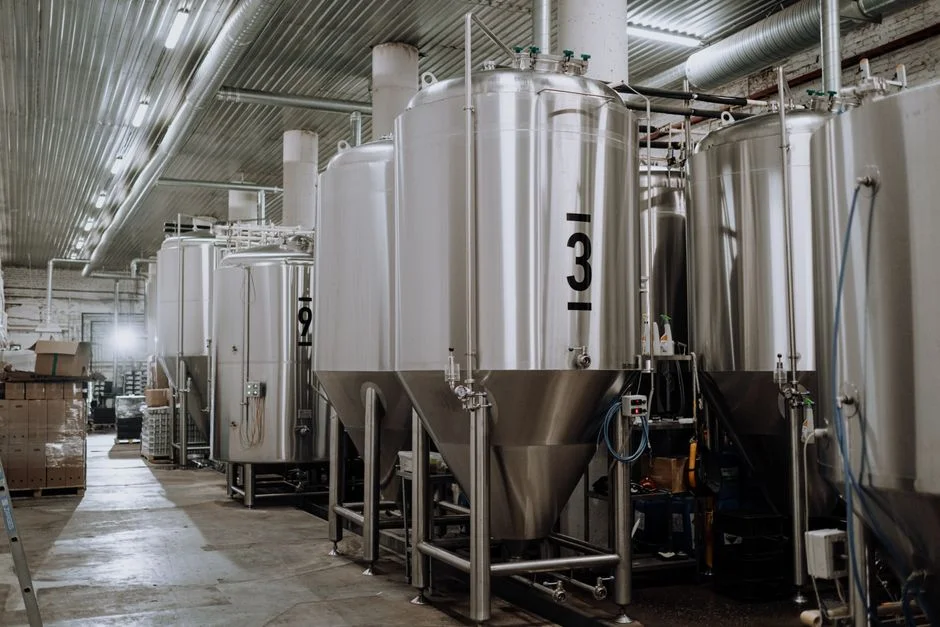
Procurement-ready questions, designed to surface a vendor's depth on emulsified streams, not just free oil. Treat written answers as part of the contract package.
- Ask for at least three fabricated-metals or metal-finishing reference installations at similar flow and load, with measured inlet and outlet TSS and O&G.
- Ask for documented performance on emulsified MWF, not just free oil. Emulsified oil is the harder case and is what trips Warren POTW limits.
- Ask what chemical program the warranty depends on; DAF performance is tied to coagulant and flocculant choice (SigmaDAF/Clearwater; Kemco).
- Ask for the clarifier hydraulic profile and surface-loading rate at the design flow, not just tank diameter.
- Ask for quoted lead time in 2026 and a spare-parts package covering skimmer blades, auger, bubble generator and dosing-pump heads.
- Ask for a written guarantee on effluent TSS and O&G at the stated influent, with a defined jar-test or pilot basis.
On pretreatment compliance, the broader playbook for fabricated-metals plants is laid out in the fabricated-metals 2026 pretreatment compliance guide, which is worth reading alongside any vendor proposal.
Frequently Asked Questions
When does a DAF beat a clarifier as the primary separator in a Warren fabricated-metals plant?
When free or emulsified oil, FOG, drawing compounds or synthetic MWF dominate the stream. The 30-50 µm microbubbles in a DAF attach to those fractions and float them out, which a clarifier will not do reliably (SigmaDAF/Clearwater, 2026-04-27). Kemco Systems also lists metal finishing as a core DAF application.
When is a lamella or gravity clarifier the right primary step on its own?
When the load is dominated by metal fines, grinding swarf or settleable TSS with little associated oil. A lamella clarifier delivers dense underflow, lower chemical and energy cost, and is the right first step in a treatment train that later adds a DAF or filter press (EPA Process Design Manual for Suspended Solids Removal, 1975).
What is a defensible 2026 budget range for a DAF on a small Warren line?
The research data does not contain a vendor-quoted price for a Warren fabricated-metals DAF in 2026. Request a line-item quote from at least two DAF vendors (covering tank, saturator, chemical dosing skid, PLC and installation envelope) and benchmark it against the line-item breakdown in the 2026 DAF cost and ROI guide; do not accept a per-GPM rule of thumb without a written scope.
What should a Warren engineer check about a DAF or clarifier supplier before signing?
Confirm at least three fabricated-metals reference installations with measured inlet and outlet TSS and O&G, a written performance guarantee tied to a defined jar-test or pilot basis, the material of construction matched to the actual MWF chemistry (304SS standard, 316SS or polypropylene for corrosive or chrome-bearing streams), and a quoted 2026 lead time with a spare-parts package. The POTW pretreatment permit is the constraint, not the vendor's catalogue, so the effluent guarantees have to be written against the permit numbers, not generic targets.