Why Aynor Mining and Metals Plants Are Re-Evaluating Primary Clarification in 2026
Mining, aggregate, and metal-finishing operations around Aynor, South Carolina produce wastewater that mixes heavy mineral fines, metal-bearing flocs, oils, and process water in a single stream. US ore-mining and dressing discharges sit under 40 CFR Part 440 effluent limitations, with site NPDES permits adding metals, TSS, and pH limits on top of those federal floors. The primary clarifier — whether a dissolved air flotation (DAF) unit or a conventional/lamella clarifier — determines whether the rest of the 2026 treatment train can meet those limits. Tighter metals limits and rising hauling and disposal costs are pushing plants away from legacy cone-bottom settling basins and toward DAF or lamella retrofits.
This decision focuses on the primary step rather than a full train redesign, as the winner still requires downstream biological or polishing stages. For a parallel US mining compliance example, see this US mining and metals 2026 pretreatment compliance example from a related corridor.
How a DAF Clarifier Actually Works
A DAF clarifier lifts suspended solids, oils, and greases to the surface on micro-bubbles after chemical conditioning. Wastewater is pretreated with pH control, coagulation, and flocculation: pH is moved to the optimum for floc formation, coagulant neutralizes particle charge, and a long-chain polymer builds larger flocs in either a variable-speed mixer or serpentine PVC piping. A portion of clarified effluent is pressurized to about 100 psi and supersaturated with air; when it returns to atmospheric pressure inside the float tank, micro-bubbles of roughly 30 µm form and attach to the conditioned particles, carrying them to the surface where a flight system skims them off. Aries offers bench-scale jar testing on the customer's wastewater to confirm removal efficiency and chemical dose before a unit is specified. SigmaDAF's parallel description uses 30–50 µm bubbles generated by a dissolved-air saturator, with floated solids removed by paddle skimmers and heavier settleable solids dropping into a bottom collection zone for auger removal. Chemical coagulation and flocculation — via serpentine mix tubes or mix tanks — must be paired with the DAF so the bubbles can attach reliably, which is necessary for variable mining streams where floc strength fluctuates with feed chemistry.
How a Conventional and Lamella Clarifier Works
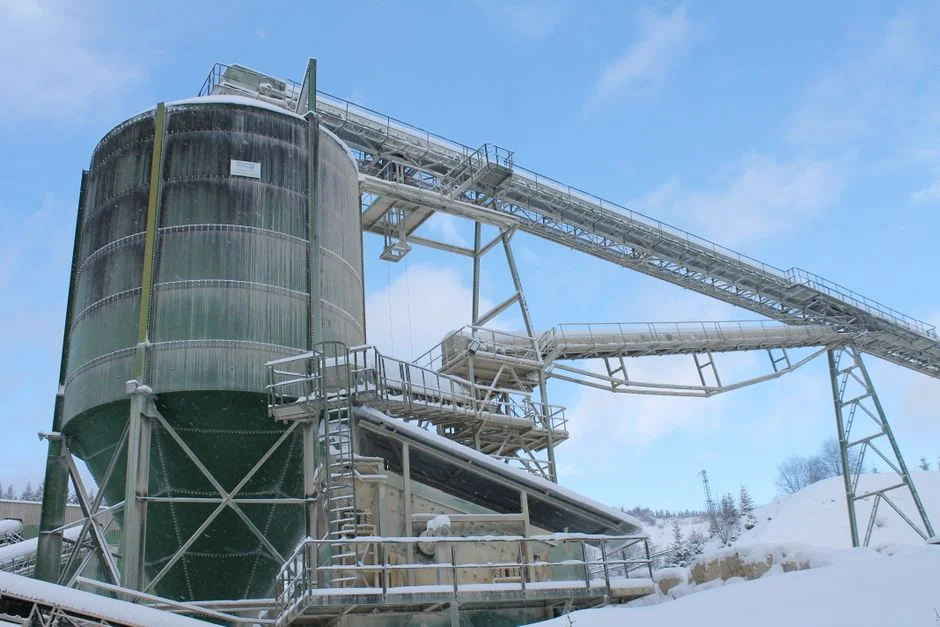
Conventional clarifiers rely on gravity settling of denser particles in a large quiescent tank, with surface overflow rate and detention time setting the performance envelope. Lamella, or high-rate, clarifiers add inclined plates or tubes to multiply the effective settling area within a smaller footprint, using sludge recirculation and an integral flocculation stage to improve particle–polymer contact. A lamella clarifier for heavy mineral fines and scale typically cites surface loading rates in the 20–40 m/h range with chemical savings of up to 30% versus conventional designs, which is why lamella has displaced many old cone-bottom clarifiers in retrofit projects. For mining streams dominated by coarse ore fines, mill scale, or dense metal sludges, gravity/lamella clarification is mechanically simpler and chemically lighter than DAF, as there is no saturator, recycle pump, or air system to maintain. Where the load is settleable and the limits are forgiving, this simplicity is the primary advantage.
DAF vs Clarifier for Mining and Metals: A Practical 2026 Comparison
These two technologies target different fractions of the same wastewater. DAF floats light particles on 30–50 µm micro-bubbles, while clarifiers settle heavy particles under gravity, with or without inclined plates. DAF fits streams with oils, FOG, light metal-hydroxide flocs, and variable solids; clarifiers fit streams with dense mineral fines, scale, and settleable sludges. Regarding footprint, SigmaDAF's COMPACT DAF is a pre-assembled skid treating up to 66 GPM, comparable to a lamella clarifier's plate-pack envelope; a conventional clarifier remains the largest by area. SigmaDAF builds standard DAFs in 304SS with 316SS or polypropylene options, and Aries builds DAFs in epoxy-coated mild steel, 304SS, or polyethylene — all suitable for corrosive mining water — while lamella clarifiers are typically FRP or coated steel. DAF produces a floated, higher-solids scum that dewaters well on a filter press, whereas clarifier underflow is a settled sludge with different water content and handling costs. OPEX is dominated by coagulant, flocculant, polymer, and saturated recycle pumping for DAF, while clarifier OPEX is driven by polymer and sludge pumping. Since published industry averages are unavailable, a 2026 budget should be built from jar-test chemical doses and local hauling rates. Aries offers jar testing as the standard pre-spec step, which should be validated on the actual mine water sample before bidding.
| Decision Variable | DAF Clarifier (Aries / SigmaDAF) | Conventional / Lamella Clarifier |
|---|---|---|
| Removal mechanism | Float on 30–50 µm micro-bubbles generated at ~100 psi recycle | Gravity settle, with inclined plates in lamella designs |
| Best-fit influent | Oils, FOG, light metal-hydroxide flocs, variable solids | Dense mineral fines, mill scale, settleable sludges |
| Footprint envelope | SigmaDAF COMPACT ≤66 GPM single skid, modular 2-skid above 66 GPM | Lamella is compact; conventional clarifier is the largest by area |
| Standard materials | 304SS (SigmaDAF), 304SS / epoxy-coated steel / polyethylene (Aries); 316SS or PP optional | FRP or coated steel typical |
| Sludge form | Floated scum, typically higher solids, dewateres on filter press | Settled underflow, different water content and handling |
| Main OPEX drivers | Coagulant, flocculant, polymer, saturated recycle pumping | Polymer, sludge pumping |
| Required pre-spec step | Jar testing on actual wastewater (offered by Aries) | Lab settle test and/or jar test on actual wastewater |
2026 US Compliance Lens: 40 CFR Part 440, NPDES Metals and Sludge Handling
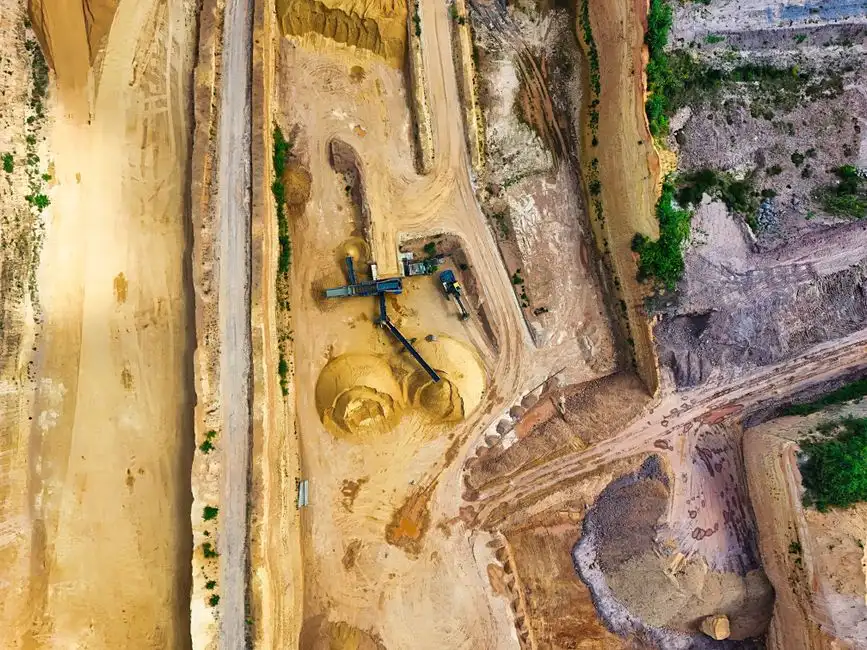
40 CFR Part 440 sets effluent limitations for ore mining and dressing, and site NPDES permits layer metals, TSS, and pH limits on top of those federal floors. DAF paired with coagulation and flocculation reduces TSS, FOG, BOD, COD, and metals, which is necessary when the influent carries dissolved metals requiring pH-driven precipitation ahead of the clarifier. Coarse filtration, such as a hydrocyclone or shaker screen, usually sits ahead of the DAF to remove sand, scale, and lint, and accurate pH control is required to remain within discharge limits. Sludge from either DAF or clarifier is typically dewatered on a filter press for landfill disposal; if the solids leach metals above TCLP thresholds, the cake may be classified as hazardous, altering disposal economics. For Aynor plants discharging to a POTW, local sewer-pretreatment limits add a third compliance layer for metals and TSS in the effluent, and TCLP on the cake. A parallel US corridor example is found in this US mining and metals 2026 pretreatment compliance example.
| Compliance Driver | What It Demands from the Primary Unit | DAF Impact | Clarifier Impact |
|---|---|---|---|
| 40 CFR Part 440 effluent limits | Reliable cut of TSS and settleable solids at the head of the train | Strong when paired with coagulation/flocculation | Strong for settleable fraction; limited on floatable FOG |
| NPDES metals and pH limits | pH control and metal-hydroxide capture upstream of the unit | Floats light metal-hydroxide flocs reliably | Settles dense hydroxide flocs; needs good flocculation |
| TCLP on the dewatered cake | Stabilize metals in the sludge before landfill disposal | Floated scum can be stabilized and filter-pressed | Underflow can be stabilized and filter-pressed |
| Local POTW pretreatment limits | Meet site-specific metals and TSS sewer limits in 2026 | Suits variable flows and upset loads | Suits steady, settleable streams with forgiving limits |
How to Choose for an Aynor Site: A 2026 Decision Framework
Start with a lamella clarifier (or a conventional clarifier for high flows and forgiving limits) if the dominant load consists of heavy mineral or scale fines with little oil or FOG, and add a polishing DAF only if residual oils or light flocs carry through. If the stream carries emulsified oils, FOG, light metal-hydroxide flocs, or has highly variable flow and composition, lead with a DAF — such as SigmaDAF's FPBC for low–medium solids or the FPHF for high flows — and follow with a lamella clarifier for polishing. If both fractions are present, plan a hybrid train: DAF first to lift oils and light flocs, with a lamella or conventional clarifier downstream to capture heavier underflow. Always commission bench or jar testing on the actual mine water to confirm DAF removal efficiency, polymer selection, and expected sludge solids before finalizing CAPEX. Build the 2026 cost model around chemical and sludge-disposal lines, as OPEX often exceeds CAPEX over a 10-year horizon. For a cross-industry comparison, see this DAF vs clarifier guide for a different industry.
Implementation Path: Jar Testing, Pilot and Sizing for 2026
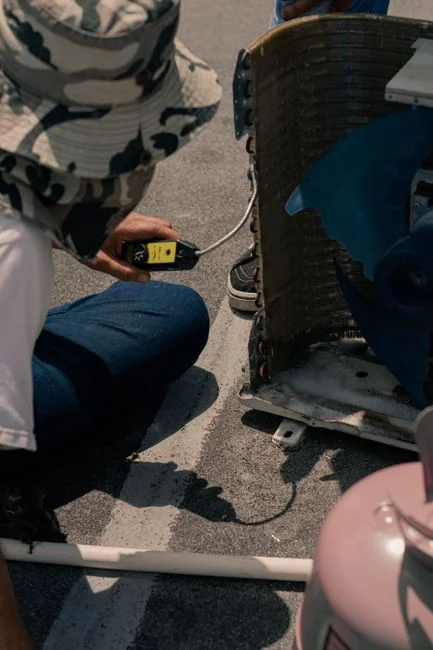
Characterize the stream by mapping flow, TSS, FOG, metals, pH, and variability to the DAF vs clarifier criteria. Run jar tests to fix coagulant, flocculant, and pH targets and to estimate removal efficiency on the actual wastewater. If DAF is selected, size the unit to match the load: use the SigmaDAF FPAC for very high TSS/FOG, FPBC for low–medium solids with low-buoyancy particles, FPHF for high flows with a broad solids range, or the COMPACT skid for ≤66 GPM. Pair the primary unit with filter press dewatering for mining sludge and automatic chemical dosing to allow a small Aynor site team to operate the train. For a deeper look at sludge handling, this mineral processing sludge treatment 2026 guide covers the dewatering step in detail. A DAF system for mining and metals primary treatment should be quoted against the jar-test chemical dose, not a generic flow-only price.
Frequently Asked Questions
How should an Aynor mining or metals plant budget a DAF versus a lamella clarifier in 2026?
Budget by driver: equipment, chemical dose from the jar test, sludge-disposal hauling, and the recycle-pumping or sludge-pumping electricity line. Ask each supplier for a budget number tied to your jar-test results rather than a generic per-GPM price, and validate it against the TCLP outcome on the dewatered cake.
What supplier and sizing checks matter most before buying a primary clarifier?
Confirm that the supplier offers jar or bench testing on your actual mine water, identify which SigmaDAF model segment matches your load (FPAC, FPBC, FPHF, or COMPACT), and verify 304SS/316SS/polypropylene material options for corrosive service. Insist on a written removal-efficiency number from the jar test before signing any contracts.
Which influent characteristics point a mining plant toward DAF instead of a clarifier?
Emulsified oils, FOG, light metal-hydroxide flocs, and highly variable flow or composition favor DAF, as the 30–50 µm micro-bubbles attach to low-buoyancy particles and float them out at approximately 100 psi recycle pressure. Conversely, dense, settleable mineral or scale fines favor a lamella or conventional clarifier.