Why Johannesburg Sites Need Private Domestic Sewage Treatment in 2026
Johannesburg's municipal sewer network is operating beyond its design capacity, forcing residential estates, schools, lodges, clinics, and small commercial parks to install private package plants in 2026 rather than waiting for a municipal connection. Centralised collection is the dominant cost line on conventional projects: sewage collection systems are typically 60–70% of total project cost for a conventional centralised system (Nhapi et al., Applied Water Science, 2016), which is why decentralised treatment on a single site is the cheaper route when a connection is unavailable or uneconomic.
The site types most likely to take this path in Johannesburg in 2026 are residential estates, schools, lodges and game farms, small commercial parks, and clinics that need a controlled effluent quality. This article assumes the reader has already ruled out — or lost the option of — a municipal sewer connection and is preparing a brief for a supplier.
What 'Domestic Sewage' Actually Contains — and Why It Matters for Plant Design
Domestic sewage consists of blackwater and greywater from residential dwellings and equivalent commercial sources such as school hostels, staff accommodation, and small hospitality venues, treated as a distinct stream from industrial effluent due to its consistent organic and microbial load. The contaminant classes identified in the South African evidence base are organic matter, nutrients (N, P), microbiological agents, and a list of heavy metals including As, Cd, Cr, Cu, Hg, Mn, Ni, Pb, and Zn (Agoro et al., Water, 2020). Two design consequences follow from that list. First, sewage sludge concentrates 80–90% of the incoming wastewater contaminants (Agoro et al., Water, 2020), making sludge handling and disposal a design driver equal to effluent quality. Second, Johannesburg sites with older copper or galvanised plumbing contribute trace metals from corrosion, which impacts plans to use effluent for irrigation rather than discharge to a sewer.
Mainstream Treatment Technologies Used in Domestic Plants
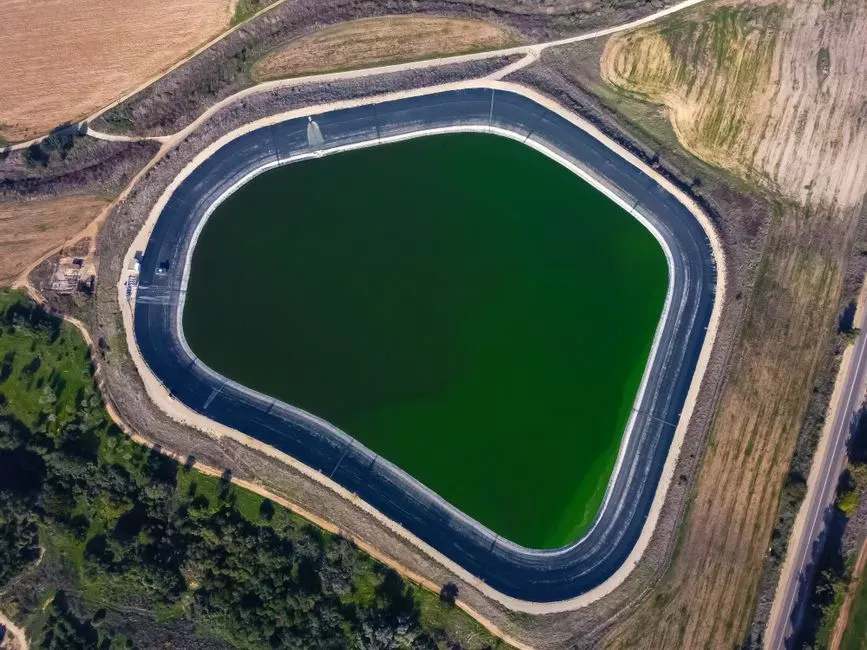
Biological treatment is the standard in South African package plants because sludge output is lower-impact than chemical precipitation, though biological methods are 'inefficient in the removal of toxic and non-biodegradable compounds' (Agoro et al., Water, 2020). The biological technologies used in the South African evidence base are activated sludge, oxidation ponds, aerated and anaerobic lagoons, aerobic and anaerobic bioreactors, trickling or percolating filters, rotating biological contactors, biological filters, and biological nutrient removal (Agoro et al., Water, 2020). Chemical and polishing options a Johannesburg buyer may need to include are chemical precipitation, adsorption, ion exchange, and disinfection using chlorine dioxide, ozone, or UV. The modern domestic package format combines an anoxic/aerobic A/O biological contact oxidation stage with sedimentation and disinfection inside a single buried or skid-mounted unit, such as the underground package sewage treatment plant built for residential and small commercial duty.
Head-to-Head: Which Technology Performs Best on Real South African Data?
Published removal data from three municipal plants in the Eastern Cape sampled from September 2015 to February 2016 provides the most direct South African evidence for a Johannesburg buyer comparing biological options (Agoro et al., Water, 2020). WWTP-A used activated sludge at 2 ML/d for 80,000 residents and removed 86.6% of iron. WWTP-C used a biofilter at 1 ML/d for about 68,000 residents and removed 56.9% of iron. WWTP-B used an oxidation pond at 0.5 ML/d for about 30,000 residents and removed only 34.7% of iron. The same study reported that Cu and Zn removal was 'very poor' in all three plants, and that Cd was 'higher in effluents and surface waters across the board' than in the influent (Agoro et al., Water, 2020). These results indicate that a biological unit alone will not reliably hit irrigation-reuse or strict discharge limits for metals, necessitating a polishing step such as an MBR membrane bioreactor stage where reuse is the target.
| Plant | Technology | Capacity (ML/d) | Population served | Fe removal | Cu / Zn removal | Cd in effluent |
|---|---|---|---|---|---|---|
| WWTP-A (Alice) | Activated sludge | 2 | 80,000 | 86.6% | Very poor | Higher than influent |
| WWTP-C (Berlin) | Biofilter | 1 | ~68,000 | 56.9% | Very poor | Higher than influent |
| WWTP-B (Bedford) | Oxidation pond | 0.5 | ~30,000 | 34.7% | Very poor | Higher than influent |
Sizing a Johannesburg Package Plant: What the Buyer Must Bring to the Supplier
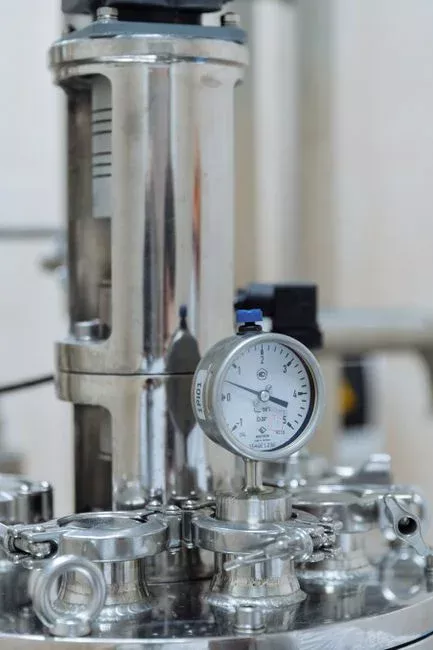
A realistic supplier quote requires a design flow in m³/day, derived from the number of dwellings, dormitory beds, or staff/students, plus a peaking factor that covers the morning surge and shift changes. The supplier will also need a wastewater characterisation covering BOD, COD, TSS, ammoniacal nitrogen, phosphate, pH, temperature, and any site-specific metal load; a screen at the head of the plant, such as a rotary mechanical bar screen, should be specified in the same brief because rags and grit routinely upset downstream biological stages. Scale matters: the Eastern Cape data shows WWTP-A at 2 ML/d serving 80,000 people, WWTP-C at 1 ML/d for ~68,000, and WWTP-B at 0.5 ML/d for ~30,000 (Agoro et al., Water, 2020), which puts residential per-capita loading at roughly 25 L/person/day at the smaller end. The influent characterisation must include peak and weekend loading, not just an annual average, for Johannesburg housing estates where occupancy patterns fluctuate significantly.
| Input the supplier needs | Why it matters | What to provide |
|---|---|---|
| Design flow | Sets hydraulic and biological stage sizing | Average m³/day + peak factor, based on dwelling/bed count |
| Influent load | Sets aeration and sludge yield | BOD, COD, TSS, NH₃-N, phosphate, pH, temperature |
| Metal load | Decides if polishing is required | Cd, Cu, Zn, Fe screening at the boundary |
| Discharge route | Sets the effluent quality target | Sewer / irrigation / zero discharge |
| Loading profile | Prevents under-sizing on peaks | Weekday vs weekend, seasonal occupancy |
Compliance and Discharge Options for Johannesburg Sites in 2026
A Johannesburg site typically faces three end-of-pipe options, each driving a different plant specification. Discharge to the municipal sewer is the simplest, but the bylaw limit set by Johannesburg Water must still be met. Irrigation of landscaped areas avoids a discharge fee but is the option most exposed to the metal-removal weakness of biological systems. Full on-site evaporation or zero-liquid-discharge is capital-intensive and is usually reserved for water-scarce or zero-effluent sites. The Eastern Cape data flags cadmium as the parameter most likely to breach downstream of a biological plant (Agoro et al., Water, 2020), and researchers discourage using treated effluent for irrigation where metals are present because of bioaccumulation in soil and plants. A polishing step such as a UV disinfection unit addresses the microbiological side of reuse, but metals need a separate polishing train. Before finalising the spec, the buyer should confirm the Johannesburg Water bylaw limit and the DWS General or Special Limit for the chosen discharge route.
Cost Framework and Where the Money Actually Goes
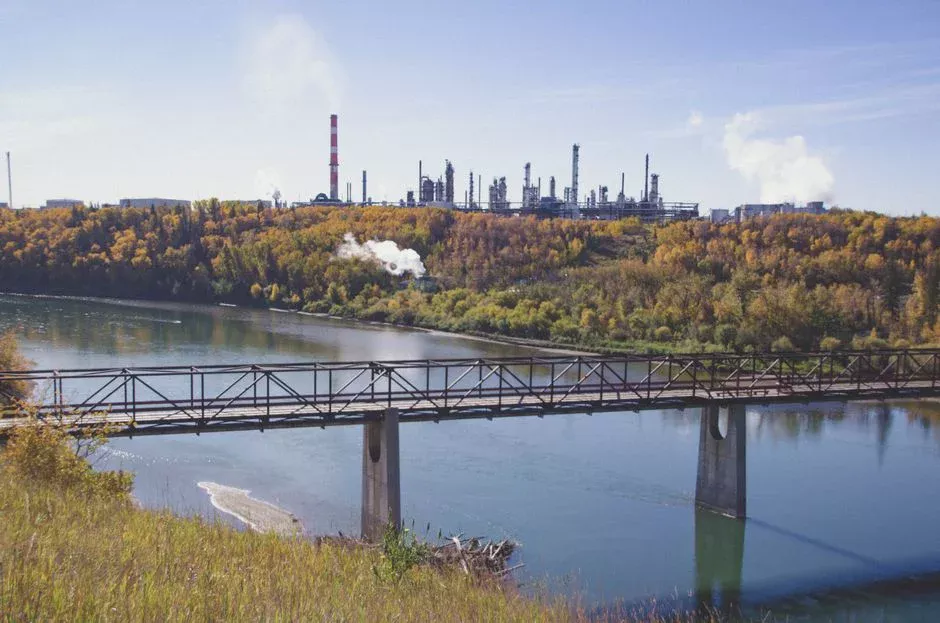
Sewer collection systems are typically 60–70% of total project cost for a conventional centralised system (Applied Water Science, 2016), which is why a single-site package plant can undercut a municipal connection once that cost is removed. The cost buckets a Johannesburg buyer should plan for are civil works and earthworks, the package plant itself, sludge dewatering equipment, disinfection, and the controls and SCADA layer. Sludge handling is a recurring line item, as sewage sludge concentrates 80–90% of the incoming wastewater contaminants (Agoro et al., Water, 2020), and licensed disposal is costly. A sludge dewatering filter press reduces volume before haulage, which usually pays back quickly on a site that generates sludge weekly. The buyer should request a fixed-price quote against the sizing inputs from the previous section rather than relying on catalogue figures. The compact sewage treatment unit cost guide outlines typical line items for the South African market.
Choosing a Supplier and What to Ask Before You Sign
A credible Johannesburg domestic-sewage supplier must provide answers backed by documentation. Ask for performance guarantees supported by South African reference data rather than generic laboratory curves, as the Eastern Cape numbers are the closest published evidence to a local duty cycle (Agoro et al., Water, 2020). Ask which polishing step is included if the discharge route is irrigation, given the documented poor Cu/Zn and persistent Cd removal of biological units. Request a sludge-management plan that recognises sludge concentrates 80–90% of influent contaminants (Agoro et al., Water, 2020) and covers dewatering, storage, and licensed disposal. Finally, verify documentation against the Johannesburg Water bylaw and the National Water Act, and confirm that commissioning, operator training, and a spares commitment are included in the scope. A chlorine dioxide disinfection system is a reasonable polishing option to discuss alongside UV when irrigation reuse is the target.
Frequently Asked Questions
How much does a domestic sewage treatment package plant cost in Johannesburg in 2026?
Because there is no standard Johannesburg-specific price, any catalogue figure should be treated as indicative only. The most effective approach is to prepare the sizing inputs (design flow, BOD/COD/TSS, peak factor, discharge route) and request a fixed-price quote, separating civil works, the package unit, sludge dewatering, disinfection, and SCADA so each line can be benchmarked.
Which technology should a Johannesburg estate specify — activated sludge, biofilter, or oxidation pond?
On the South African performance data, activated sludge removed 86.6% of iron versus 56.9% for a biofilter and 34.7% for an oxidation pond (Agoro et al., Water, 2020), making activated-sludge-based package plants the starting point for a residential estate. Because Cu and Zn removal was 'very poor' in all three biological systems, any reuse or strict discharge target requires a polishing step such as an MBR stage or chemical precipitation.
Can treated effluent from a domestic package plant be reused for irrigation in Johannesburg?
Researchers discourage using treated effluent for irrigation where metals are present because of bioaccumulation in soil and plants (Agoro et al., Water, 2020), and cadmium was higher in effluents than in the influents across all three plants studied. Irrigation reuse is technically possible but requires a polishing train and ongoing metal monitoring, and the Johannesburg Water bylaw and DWS General or Special Limit must be confirmed before the design is frozen.
What should I check on the supplier's side before signing a 2026 package-plant contract?
Ask for performance guarantees backed by South African reference data, a sludge-management plan that handles the 80–90% contaminant concentration in sludge (Agoro et al., Water, 2020), bylaw and National Water Act documentation, and a clear scope for commissioning, training, and spares. Lead time and after-sales support are part of compliance risk, so request a written delivery date and a service-level commitment alongside the technical submittal.
Related equipment and engineering reading
- Underground Package Sewage Treatment Plant (WSZ Series)
- Domestic Sewage Treatment in San Diego: 2026 Engineering Guide
- Domestic Sewage Treatment in Binh Duong: 2026 Engineering Guide
- Anaerobic Digester for Domestic Sewage: 2026 Engineering Guide
- Belt Filter Press for Domestic Sewage Wastewater: 2026 Engineering Guide