

How San Diego's Pure Water Program Reshapes Domestic Sewage Treatment Decisions
San Diego is moving toward indirect potable reuse as its long-term water strategy, and that policy shift changes what a small on-site treatment train must deliver. The Pure Water San Diego North City Final EIR/EIS designates the North City Pure Water Facility as the first phase of the program, designed to augment Miramar Reservoir — a current source of domestic drinking water — with purified recycled water (per the City of San Diego Public Utilities Department, 2025). In January 2004, the San Diego City Council authorized a comprehensive evaluation of all viable options to maximize recycled water use, and the stakeholder Reuse Study identified Reservoir Augmentation at San Vicente Reservoir as the preferred strategy. By October 2007, the Council had also recognized the North City-3 strategy, also known as San Vicente Indirect Potable Reuse, as the preferred alternative. Indirect potable reuse means the treated effluent is destined to become drinking water, so even a sub-100 m³/day producer at a hotel, HOA, or small commercial site is effectively designing against Title 22 recycled water criteria. Decentralized treatment in this region must be evaluated on whether the system can hit a discharge permit or be re-aimed at reuse if sewer access is constrained or if a developer wants to free up potable allocation. For flows in the 10–2,000 m³/day band, the most common compliant path is a packaged biological reactor paired with a low-pressure membrane stage such as the MBR membrane bioreactor system.
What Flows Into a San Diego Domestic Sewage Stream
Domestic sewage in this region is consistent enough to size equipment against, but pathogen diversity — not BOD alone — drives disinfection sizing. Typical residential and small commercial streams run 150–250 mg/L BOD, 150–300 mg/L TSS, and 20–40 mg/L ammonia-nitrogen; a 1994 Environmental Toxicology and Chemistry linear-alkylbenzene (LAB) tracer study at the Point Loma Wastewater Treatment Plant confirmed that these organic signatures are essentially derived from domestic waste discharges along the San Diego coast (source: Environmental Toxicology and Chemistry, 1994). Metagenomic work on municipal domestic wastewater has identified the actual human and plant pathogens a biological plant must confront: Pseudomonas aeruginosa, Yersinia enterocolitica, Streptococcus mutans, and Rhodococcus fascians (Int J Microbiol, 2024–2025). California Title 22 recycled water criteria are written to this list, which is why a basic settling tank is insufficient; the disinfection stage must be sized for log-removal of viruses, protozoa, and bacteria in parallel. For most small San Diego sites, the practical consequence is that the disinfection step on a packaged A/O plant is the gate, and a generator like HydropureWater’s chlorine dioxide generator is what closes it.
| Parameter | Typical range (domestic) | Driver | Implication for equipment |
|---|---|---|---|
| BOD5 | 150–250 mg/L | Human waste, food prep, laundry | Sets aeration tank volume; A/O sizing |
| TSS | 150–300 mg/L | Paper, soil, biological growth | Sets clarifier or membrane flux |
| NH3-N | 20–40 mg/L | Urea, protein breakdown | Drives nitrification HRT and DO setpoint |
| FOG | 30–100 mg/L (up to 500+ at food service) | Cooking oils, soaps | May require DAF pre-treatment |
| Pathogens | Log-loads of bacteria, virus, protozoa | Domestic carrier load | Sets Title 22 disinfection CT |
Process Comparison: Package A/O vs MBR vs DAF Pre-Treatment
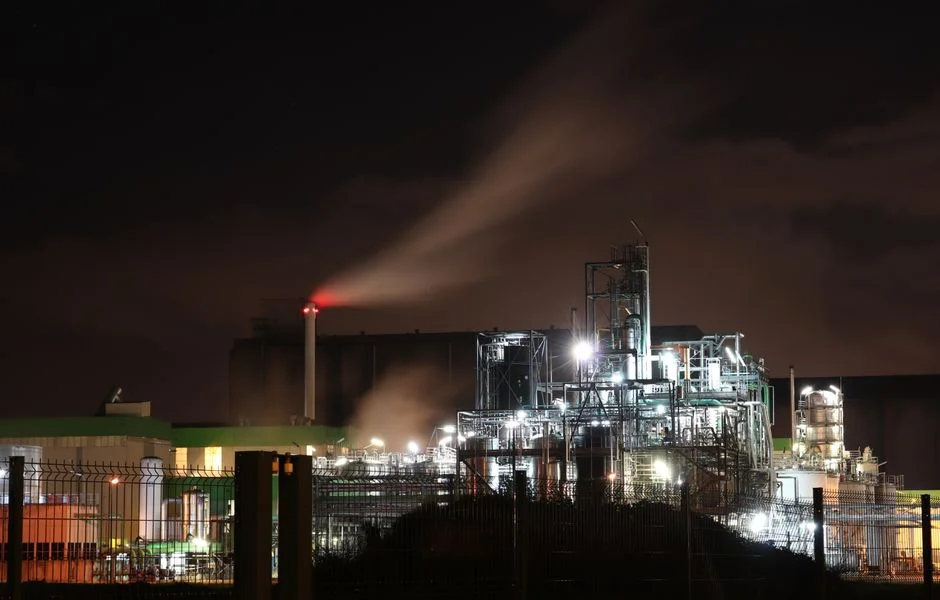
Three equipment trains cover roughly 95% of compliant installations for sub-100 m³/day San Diego sites: a buried package A/O plant for discharge, an MBR where effluent must be reuse-grade, and a DAF as a pre-treatment stage for high FOG or colloidal loads. The WSZ underground package sewage treatment plant runs 1–80 m³/h on anoxic/aerobic (A/O) contact oxidation with sedimentation and disinfection in a single buried skid, fully automated with no operator required — this is the standard choice for a residential community, hotel, or hospital where discharge to the municipal sewer is straightforward. The MBR membrane bioreactor system operates across 10–2,000 m³/day, uses PVDF membranes at <1 μm pore size, and produces an effluent that approaches Title 22 recycled water criteria — typically achieving about 60% footprint reduction versus conventional activated sludge, which is a significant factor on land-constrained San Diego parcels. DF series flat-sheet MBR modules push the pore size down to 0.1 μm and run 32–135 m³/day per 80–225 m² cassette at 10–20× lower energy than external cross-flow designs. The dissolved air flotation system covers 4–300 m³/h of micro-bubble flotation and is positioned as pre-treatment before the biological stage when FOG, oil & grease, or colloidal matter would otherwise overload the aeration tank. Vermifiltration has been documented as a decentralized option (IntechOpen, 2023) but is not a workhorse for commercial San Diego flows in 2026.
| Train | Capacity | Footprint | Effluent quality | Best-fit use |
|---|---|---|---|---|
| WSZ buried A/O package | 1–80 m³/h | Buried, near-zero surface | Discharge-grade; disinfection-limited | HOAs, hotels, hospitals, rural |
| Integrated MBR | 10–2,000 m³/day | ~60% of CAS | Approaches Title 22 reuse | Reuse, water-scoring projects |
| DF flat-sheet MBR cassette | 32–135 m³/day per 80–225 m² | Modular | <0.1 μm filtrate | Reuse polishing, low-energy retrofit |
| DAF pre-treatment | 4–300 m³/h | Compact skid | FOG/colloid removal to <30 mg/L | Food service, mixed industrial |
Sizing a Domestic Sewage Plant for San Diego Sub-100 m³/day Sites
Translating the building program into flow is the first step in sizing a packaged plant, followed by matching that flow to the WSZ or MBR capacity range. Residential design baseline is 100–150 gpd (380–570 Lpd) per person, so a 100-unit community at 3.0 persons/unit lands at roughly 30,000–45,000 gpd, or 114–170 m³/day — at the upper end of the WSZ envelope and the lower end of the MBR range. Hotels typically run 50–70 gpd per occupied room, hospitals 250–400 gpd per bed, and restaurants 25–35 gpd per seat (general industry convention). The MBR's ~60% footprint reduction versus conventional activated sludge provides a capex advantage; on a downtown parcel where land runs $80–$150/sf, a 40 m² MBR versus a 100 m² concrete tank pays back the membrane premium in months. For a full design pass on BOD removal at the front end of the train, the BOD reduction tactics for wastewater reference lays out the operating levers. For a sense of how these flow numbers translate into a delivered packaged plant, the package wastewater treatment plant cost guide provides a useful cross-jurisdiction comparison.
| Site scenario | Design flow | Recommended train | Notes |
|---|---|---|---|
| Small HOA, 20–30 units | ~15–25 m³/day | WSZ-3 buried package + ClO2 | Single buried unit, no operator |
| 100-unit residential community | ~115–170 m³/day | MBR + ClO2; or 2× WSZ in parallel | MBR preferred if reuse is a target |
| 120-room hotel | ~22–30 m³/day | WSZ-5 with equalization | Watch FOG from food & beverage |
| 50-bed hospital | ~50–70 m³/day | MBR + ClO2 polishing | Higher pathogen load drives CT |
| Restaurant row / mixed FOG | Site-specific, ~5–20 m³/day | DAF → WSZ → ClO2 | DAF front-end to protect biology |
Compliance Pathway: Discharge vs On-Site Reuse
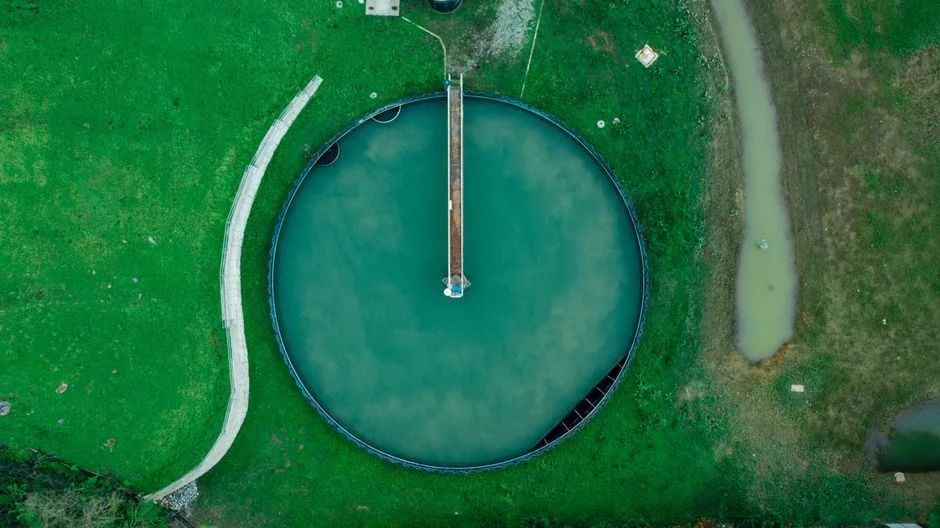
The San Diego Industrial Wastewater Control ordinance and the federal Clean Water Act / California Toxics Rule set the floor for any discharge to Point Loma or the municipal collection system; surface water beneficial uses on the San Diego River are defined in the same regulatory chain (per the SDSU Mission Valley Campus Water Quality Technical Report, 2022). Pure Water San Diego's indirect potable reuse strategy effectively raises that floor to Title 22 tertiary + disinfection for any site seeking design flexibility, a drought buffer, or a pathway to offsetting potable demand. The shortest compliant train to Title 22 recycled water criteria in 2026 is MBR followed by a chlorine dioxide polish on a chlorine dioxide generator, whose dosing is benchmarked against EPA drinking water standards, EU Drinking Water Directive 98/83/EC, and WHO Guidelines. If a developer can secure a sewer connection with no pretreatment requirements, the WSZ buried package plus a small chlorine contact chamber remains the lowest-capex path. If the site is on a tight lot, off-sewer, or chasing a water-reuse credit, the MBR + ClO2 train is the defensible default. For a broader frame on how this comparison plays out in another small-flow coastal jurisdiction, the municipal sewage treatment engineering guide is a useful adjacent reference.
Frequently Asked Questions
What is the typical installed cost of a package sewage treatment plant in San Diego for a 50 m³/day site?
For a 50 m³/day commercial or HOA site in 2026, expect $40,000–$90,000 for a buried WSZ A/O package delivered, and $120,000–$220,000 for an MBR + ClO2 train engineered to Title 22 reuse quality. Land cost and Title 22 polishing are the two primary variables; site geotech and discharge permit fees add 10–20%.
Which regulations govern a sub-100 m³/day domestic sewage plant in San Diego in 2026?
Three layers apply: the federal Clean Water Act and California Toxics Rule set discharge limits, the City of San Diego Industrial Wastewater Control ordinance governs pretreatment into the municipal system, and California Title 22 recycled water criteria apply if any portion of the effluent is destined for reuse under the Pure Water San Diego indirect potable reuse framework.
When should I pick an MBR over a buried WSZ package plant?
Choose the MBR membrane bioreactor system when the site must meet California Title 22 recycled water criteria, when the lot cannot accommodate a conventional activated sludge footprint (MBR cuts footprint by ~60%), or when the developer is chasing a reuse credit.