Why Mining Wastewater in New Hamilton Breaks a Conventional Activated Sludge Plant
Mining and metals wastewater in the New Hamilton, US envelope typically delivers 2,000–15,000 mg/L total dissolved solids, 500–3,000 mg/L sulfate, hardness above 1,000 mg/L as CaCO₃, suspended metal hydroxides, and pH swings from 2 to 11 during mill upsets or acid mine drainage (AMD) episodes (HydropureWater field data, 2026). Those numbers are not academic — they are the daily input a clarifier has to swallow.
A conventional activated sludge (CAS) clarifier depends on floc settling; when sulfate pushes the system toward Thiothrix-type bulking or a metal spike poisons floc-forming biomass, the clarifier loses solids and the effluent total suspended solids (TSS) limit is breached in a single shift. The binding US rule is 40 CFR Part 440 — Ore Mining and Dressing Point Source Category — which sets daily-maximum TSS, settleable solids, and pH 6.0–9.0 limits for discharges from active mining operations (EPA 40 CFR Part 440). A state NPDES overlay typically adds site-specific Cu, Pb, Zn, Fe, Mn, and As limits on top of Part 440; pending the site-specific permit review for a New Hamilton discharge, the state analogue behaves like the Arkansas ADEQ individual permit cited for the same category in 2026, overlaying metal limits and instream flow requirements on the federal floor.
The mechanism matters because the failure mode is predictable. A clarifier's job is to settle floc, and metal-laden floc has higher density but lower strength — it shatters under hydraulic surges from stormwater or mill startup. Sludge washout follows, and the daily-max TSS limit under 40 CFR Part 440 is breached within hours. Toxic metal spikes (Cu²⁺ above ~5 mg/L or Cr⁶⁺ above ~2 mg/L in mixed liquor) inhibit nitrifiers and floc formers, dropping sludge volume index (SVI) and pushing the system toward pinpoint or dispersed floc that never settles cleanly. CAS also generates 0.3–0.5 kg TSS per kg BOD removed as waste activated sludge — a real hauling and disposal burden at remote New Hamilton leases (HydropureWater field data, 2026).
Process Trains Side by Side: CAS and MBR for a Mining Site
A CAS train for a mining site typically runs: equalization basin → pH adjustment (lime or NaOH) → lamella clarifier for primary treatment → aeration basin → secondary clarifier → optional sand filter or DAF polish → disinfection. Design values commonly seen in 2026 industrial practice: MLSS 2,000–4,000 mg/L, solids retention time (SRT) 3–10 days, food-to-mass (F/M) 0.2–0.5 kg BOD/kg MLSS·d, SVI target 80–150 mL/g, dissolved oxygen 1.5–2.5 mg/L, and waste activated sludge (WAS) dewatered on a plate-and-frame filter press or drying beds.
An MBR train compresses the whole biological step into one tank-cassette combination: equalization → pH adjustment → rotary bar screen → biological reactor (MLSS 8,000–12,000 mg/L, SRT 20–40 days) → submerged PVDF membrane cassette (0.1 µm nominal pore) → permeate pump → optional RO or reuse disinfection. The reactor eliminates the secondary clarifier entirely; solid/liquid separation is done by the membrane, so all biomass is retained regardless of floc condition. The mechanism is captured in the source literature: an MBR achieves "higher SRT than CAS, which allow degrading even recalcitrant pollutants; low cell yield, thus leading to a low sludge production" (Mannina et al., 2019, S2). At the 0.04–0.2 µm cut-off band, the membrane provides complete bacteria and virus rejection (S3 thesis, theses.fr/2012MON20265, S5), which is meaningful where a remote New Hamilton camp's downstream contact is plausible. The CAS WAS burden of 0.3–0.5 kg TSS per kg BOD removed shrinks materially under MBR operation, cutting hauling cost on long New Hamilton access roads. For a 200–500 m³/day mining plant, a skid-packaged integrated MBR membrane bioreactor system arrives with bioreactor, cassette frame, permeate pump skid, air-scour blower, and cleaning chemistries pre-piped — shortening field installation to 4–8 weeks versus 12–20 weeks for an equivalent CAS buildout (HydropureWater field data, 2026).
| Process block | CAS train | MBR train |
|---|---|---|
| Equalization & pH adjustment | Equalization basin + lime/NaOH | Equalization basin + lime/NaOH |
| Pre-screening | Optional coarse screen | Rotary bar screen (required) |
| Primary separation | Lamella clarifier | None (biological step handles it) |
| Biological reactor MLSS | 2,000–4,000 mg/L | 8,000–12,000 mg/L |
| SRT | 3–10 days | 20–40 days |
| Solid/liquid separation | Secondary clarifier (gravity) | Submerged PVDF membrane (0.1 µm) |
| WAS yield | 0.3–0.5 kg TSS/kg BOD removed | Lower (low cell yield, S2) |
| Polish | Optional sand filter or DAF | Optional RO for reuse |
| Typical skid install time | 12–20 weeks | 4–8 weeks |
Design Parameters That Decide the Choice on a New Hamilton Site
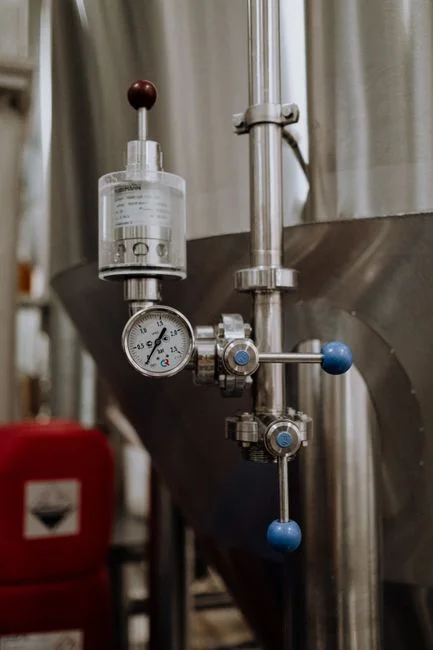
PVDF flat-sheet modules have largely displaced early-generation hollow-fiber at metal-laden sites because flat sheets tolerate air-scour abrasion and back-pulsing without fiber breakage, with air-scour rates of 0.3–0.6 m³/m²·h and intermittent relaxation cycles (typically 9 min on / 1 min off) now standard. In-situ chemical cleaning with NaOCl (300–500 mg/L free chlorine) and citric acid (1–2% w/w) on a maintenance-clean interval of 1–4 weeks keeps transmembrane pressure (TMP) in the 0.1–0.4 bar band; recovery cleans are scheduled every 6–12 months. The DF series PVDF flat-sheet membrane cassettes illustrate current spec practice: 0.1 µm PVDF, 80–225 m² per cassette, producing 32–135 m³/day each, with individually replaceable elements and an integrated aeration box for continuous scouring. Upstream, a rotary bar screen protects the membranes from lint, scale chips, and plastic media fragments common in mining process water.
Toxic thresholds to flag for the New Hamilton influent: Cu²⁺ above ~5 mg/L or Cr⁶⁺ above ~2 mg/L in mixed liquor inhibit nitrifiers and floc formers in CAS, dropping SVI and pushing toward pinpoint or dispersed floc that does not settle cleanly. MBR's longer SRT (20–40 days vs. 3–10 days) supports a more diverse, slow-growing community that tolerates these spikes better, but the membrane is still a physical barrier — it does not biologically destroy metals, it only retains the biomass that precipitates or biosorbs them. Cold-weather note: lows near –7 °C in winter reduce biological activity and increase mixed-liquor viscosity, lowering sustainable MBR flux by 10–20% from December through February. Address by insulating the bioreactor or partially burying it and enclosing the cassette.
| Parameter | CAS target | MBR target |
|---|---|---|
| MLSS | 2,000–4,000 mg/L | 8,000–12,000 mg/L |
| SRT | 3–10 days | 20–40 days |
| F/M | 0.2–0.5 kg BOD/kg MLSS·d | 0.05–0.2 kg BOD/kg MLSS·d |
| SVI | 80–150 mL/g | Not applicable (no clarifier) |
| DO | 1.5–2.5 mg/L | 1.5–2.5 mg/L (plus air-scour below cassette) |
| Membrane pore | — | 0.1 µm PVDF flat-sheet |
| Air-scour rate | — | 0.3–0.6 m³/m²·h, 9 min on / 1 min off |
| TMP band | — | 0.1–0.4 bar |
| Maintenance CIP | — | NaOCl 300–500 mg/L + citric acid 1–2% w/w, every 1–4 weeks |
| Recovery CIP | — | Every 6–12 months |
| Winter flux derating | — | 10–20% reduction Dec–Feb at –7 °C |
Effluent Quality, Footprint, and Energy: The Head-to-Head Numbers
MBR permeate routinely hits TSS <5 mg/L and turbidity <1 NTU because the membrane physically excludes suspended solids, while CAS depends on floc settling and typically lands at 10–30 mg/L TSS with intermittent excursions during upset conditions. MBR also removes microplastics more effectively — 0.4 MP/L in MBR effluent versus 1 MP/L in CAS effluent (Lares et al., 2018, cited in S2) — a relevant point where synthetic media wear, conveyor belt abrasion, and stormwater carry plastic fragments into the wastewater stream. On greenhouse gases, MBR direct emissions run 0.91 kgCO₂eq/m³ versus CAS at 0.85 kgCO₂eq/m³; MBR's higher indirect emissions from membrane aeration and cleaning offset its lower sludge-handling footprint (Mannina et al., 2019, S2). The GHG gap is small enough to be a tie-breaker, not a driver.
Footprint is often the decisive constraint on a small mining lease. A 300 m³/day plant needing biological treatment for roughly 150 m³/day (after equalization and recycle) occupies about 80–120 m² with an MBR versus 180–260 m² with CAS, because the secondary clarifier, most of the RAS pumping, and the sludge-wasting buffer all collapse into the membrane cassette (HydropureWater field data, 2026). Energy runs the other way: MBR typically uses 0.6–0.9 kWh/m³ treated versus CAS at 0.4–0.6 kWh/m³ (2026 industrial planning estimate, not source-cited). For a full-quality and reuse effluent spec, the MBR effluent quality specifications guide walks the parameter set a buyer should pin to a permit.
| Metric (300 m³/d, 150 m³/d bio step) | CAS | MBR |
|---|---|---|
| Effluent TSS | 10–30 mg/L (intermittent excursions) | <5 mg/L |
| Effluent turbidity | 5–15 NTU | <1 NTU |
| Microplastics in effluent | 1 MP/L (Lares et al., 2018, S2) | 0.4 MP/L (Lares et al., 2018, S2) |
| Direct GHG | 0.85 kgCO₂eq/m³ (Mannina et al., 2019, S2) | 0.91 kgCO₂eq/m³ (Mannina et al., 2019, S2) |
| Footprint | 180–260 m² | 80–120 m² |
| Energy | 0.4–0.6 kWh/m³ | 0.6–0.9 kWh/m³ |
A 0/1 Scoring Matrix Walked Through for a Fictitious 300 m³/d New Hamilton Site
The matrix below scores each line 0 or 1 based on the site. Two or more "1"s in the MBR column drive an MBR recommendation; two or more in the CAS column point to CAS; otherwise evaluate a hybrid. Applied to a 300 m³/d New Hamilton mining plant with a 150 m³/d bio step, frequent AMD upsets, site-specific Pb/As limits near detection, and a remote-camp reuse target, the net result is MBR-leaning (HydropureWater field data, 2026). The CAPEX line is the one most likely to flip the answer for a CAPEX-averse owner — see the next section for the crossover math.
| Decision line | MBR score | CAS score |
|---|---|---|
| Reuse / RO feed required (TSS <10 mg/L) | 1 | 0 |
| Discharge to large POTW or holding pond | 0 | 1 |
| Frequent shock loads, AMD upsets, sulfate 500–3,000 mg/L | 1 | 0 |
| Daily-max Pb, As, Hg near detection | 1 | 0 |
| Effluent limits well above typical effluent (e.g. TSS >50 mg/L) | 0 | 1 |
| High solids retention needed (recalcitrant organics) | 1 | 0 |
| Small footprint required (remote lease, 80–120 m²) | 1 | 0 |
| Owner prefers chemical precipitation + MBR polish | 1 | 0 |
| Owner membrane-CIP / TMP / SCADA literate | 1 | 0 |
| Owner prefers conventional activated sludge trades | 0 | 1 |
| OEM service contract on membranes already in place | 1 | 0 |
| Owner willing to pay 30–70% bio-step CAPEX premium | 1 | 0 |
| Phased build desired (CAS now, MBR retrofit later) | 0 | 1 |
| Total | 8 | 4 |
CAS still wins when the site discharges to a large POTW, where flow is high and footprint is not binding, and the owner is willing to operate a conventional activated sludge train and add an MBR polish only if limits tighten. A buyer weighing the MBR premium should request the OEM membrane service contract scope and CIP chemical pricing as separate line items, because they swing OPEX more than the membrane replacement event itself.
CAPEX, OPEX, and the 4–7 Year Payback Crossover
In 2026 dollars, MBR turnkey CAPEX runs roughly 1.3–1.7× CAS for the biological step at 200, 350, and 500 m³/day flows (HydropureWater field data, 2026). OPEX is 15–30% above CAS due to membrane cleaning, air-scour energy, and periodic membrane replacement every 5–8 years at roughly 10–15% of initial MBR CAPEX per replacement event; cleaning chemicals add $0.02–0.05/m³ treated. Offsetting these, MBR's lower sludge yield cuts sludge hauling and landfill cost by roughly 30–50% versus CAS, and the smaller footprint avoids land-clearing and longer pipe-run costs that often tip the 4–7 year payback in favor of MBR on remote New Hamilton-area sites. The numbers below are 2026 planning-order-of-magnitude (Class 5) envelopes with a ±25% band, assuming packaged turnkey scope on a prepared pad with utility tie-ins within 50 m; site-specific verification is required before any commitment.
For a 300 m³/day New Hamilton plant, a defensible memo line item is: "Bio-step CAPEX, MBR turnkey: 1.3–1.7× CAS baseline; offset by 30–50% sludge hauling reduction, 50–60% footprint reduction, and avoided land-clearing; payback 4–7 years." The MBR cost per m³ 2026 guide expands each line item with bid-form assumptions.
| Cost line | CAS (300 m³/d) | MBR (300 m³/d) | Source / scope note |
|---|---|---|---|
| Bio-step CAPEX ratio | 1.0× baseline | 1.3–1.7× baseline | HydropureWater field data, 2026; turnkey on prepared pad |
| Membrane replacement interval | — | 5–8 years | 10–15% of initial MBR CAPEX per event |
| Cleaning chemicals | — | $0.02–0.05/m³ treated | NaOCl + citric acid, maintenance CIP |
| Energy (bio step) | 0.4–0.6 kWh/m³ | 0.6–0.9 kWh/m³ | 2026 industrial planning estimate, not source-cited |
| Sludge hauling reduction | Baseline | 30–50% reduction | Low cell yield (S2) |
| Footprint | 180–260 m² | 80–120 m² | HydropureWater field data, 2026 |
| Payback window | — | 4–7 years | Remote New Hamilton lease, Class 5 ±25% |
Hybrid Trains Worth Considering for New Hamilton
Hybrid trains pair a CAS or MBBR roughing stage with a polishing MBR or DAF step. For mid-size plants (300–500 m³/day) with strict metal limits, a DAF system for high-TSS mining influent ahead of a smaller MBR cassette handles the bulk of metal-hydroxide solids and cuts membrane fouling load (HydropureWater field data, 2026). Tighten the upstream with an automatic chemical dosing system for lime, coagulant, and polymer feed to stabilize pH and TSS swings before they reach the membrane. A phased build — CAS now with hydraulic and structural provision for an MBR retrofit — is useful where capital is staged across fiscal years. For pretreatment-limit context on a comparable Arkansas metals site, see the DAF vs clarifier for mining/metals wastewater walkthrough.
Frequently Asked Questions
Is MBR worth the 30–70% CAPEX premium over CAS for a New Hamilton mining plant?
In 2026 dollars, MBR turnkey CAPEX runs roughly 1.3–1.7× CAS for the biological step at 200, 350, and 500 m³/day flows. OPEX is 15–30% higher due to membrane cleaning, air-scour energy, and periodic membrane replacement, but avoided land cost and lower sludge hauling can close the gap within 4–7 years on remote sites (HydropureWater field data, 2026). A buyer should request the OEM's bid broken into membrane replacement reserve, CIP chemical consumption, and air-scour energy as separate line items — those three lines swing the OPEX comparison more than the headline CAPEX ratio.
Does MBR handle toxic metal spikes better than CAS?
Yes, better than CAS. MBR retains 100% of biomass on a 0.1 µm PVDF membrane regardless of floc condition, so a Cu, Zn, or Cr spike that washes out a clarifier does not wash out the MBR. Cu²⁺ above ~5 mg/L or Cr⁶⁺ above ~2 mg/L in mixed liquor inhibits nitrifiers and floc formers in CAS, dropping SVI and pushing toward pinpoint or dispersed floc (HydropureWater field data, 2026). The 20–40 day SRT also supports more diverse, slow-growing biomass capable of degrading metal-chelating organic complexes from milling reagents (Mannina et al., 2019, S2).
What 40 CFR Part 440 and state NPDES limits apply?
40 CFR Part 440 sets daily-maximum TSS, settleable solids, and pH within 6.0–9.0 for the Ore Mining and Dressing category. A state NPDES individual permit overlays site-specific metal limits (typically Cu, Pb, Zn, Fe, Mn, As). MBR permeate at <5 mg/L TSS and <1 NTU turbidity comfortably meets daily-max TSS and gives margin on metals capture. A buyer should request the site-specific draft permit from the state agency before locking the design basis, because the overlay values drive the metal-removal polishing step selection.
How often do MBR membranes need replacement in mining service, and what should a New Hamilton buyer put on the supplier shortlist?
5–8 years is the typical replacement interval for PVDF flat-sheet membranes in metal-laden mining service, assuming disciplined maintenance CIP (NaOCl 300–500 mg/L and citric acid 1–2% w/w) and recovery cleans every 6–12 months. Flux decline, transmembrane pressure creep, and fiber integrity tests are the leading indicators. On the supplier shortlist, a New Hamilton buyer should ask each bidder for: OEM membrane service contract scope and response time, the 4–8 week MBR skid install commitment versus 12–20 weeks for CAS, CIP chemical pricing per m³ treated, spare-parts and consumables scope, and a named lead engineer for the 40 CFR Part 440 justification memo. Those five items convert a brochure into a defensible procurement decision.