What dairy wastewater actually contains and why COD is hard to hit
Dairy wastewater is characterised by proteins, fats, lactose, inorganic salts, detergents and sanitizers used for washing lines and equipment (Springer, 2025). The same source estimates that approximately 2% of processed milk is lost in the wastewater stream, which is why COD loadings reach the levels observed in pilots. The raw COD is not just high — it is highly variable, driven by cheese production cycles, whey streams, and CIP peaks, and without equalization a biological stage sees the same spikes a CAS basin would (Water Science & Technology, 2002, cited in the HydropureWater MBBR for dairy wastewater 2026 engineering guide).
FOG and protein shock loads from CIP cycles drive fouling in downstream biofilm and membrane stages if they are not removed upstream, which is why primary treatment (screening, oil and grease removal, and equalization) is treated as a prerequisite in the dairy MBBR literature rather than an option. Pilot work has loaded the same high-COD reality into different contexts: in India, Eichhornia crassipes and Pistia stratiotes systems were fed dairy effluent at 1700–2999 mg/L COD over a 15-day HRT (Europe PMC, 09 Sep 2026), and Springer (2025) measured 1360 mg/L COD in the equalization tank of a simulated dairy stream, with a small drop to 1240 mg/L after an oil and grease stage and a rebound to 1360 mg/L downstream — confirming that variability, not just absolute loading, defines the design problem.
How much COD each technology actually removes: numbers from pilots and full-scale dairies
Comparative literature cited by Springer (2025) reports that aerobic biological treatment reached about 80% COD removal, versus about 58.6% for anaerobic processes on dairy wastewater, with the anaerobic route penalised by oil and fat transfer limitations across the membrane–aqueous interface. A pilot MBBR filled with FLOCOR-RMP plastic media on raw dairy substrate achieved over 80% total COD removal at applied loads up to 52.7 gCOD/m²/d, which is approximately 5 kgCOD/m³/d (Water Science & Technology, 2002). Bioaugmentation with bacterial consortia reduced COD from an initial 3815 mg/L to 2190 mg/L, a 26–86% higher reduction than the best individual strains, and removed about 1700 mg/L against an average dairy effluent COD of about 1300 mg/L (Springer, 2025).
At the full-scale end, a 60 nm crossflow pilot at Mammen Dairy in August 2021 achieved 54% COD reduction in the permeate and 445% COD up-concentration in the concentrate, against only 13% COD reduction from Mammen's existing band filter (LiqTech, 2021). The phytoremediation pilots reached meaningful COD reduction on the same high-COD range (1700–2999 mg/L) over a 15-day HRT using Eichhornia and Pistia (Europe PMC, 09 Sep 2026).
| Technology | Reported COD removal | Source | Scope / conditions |
|---|---|---|---|
| Aerobic biological | ~80% | Springer (2025) | Comparative literature, dairy wastewater |
| Anaerobic biological | ~58.6% | Springer (2025) | Comparative literature, dairy wastewater |
| MBBR (FLOCOR-RMP, raw dairy) | >80% | Water Science & Technology (2002) | Up to 52.7 gCOD/m²/d, ~5 kgCOD/m³/d |
| Bacterial consortia (bioaugmentation) | 3815 → 2190 mg/L | Springer (2025) | Simulated dairy, 26–86% higher than single strains |
| 60 nm crossflow (full-scale pilot) | 54% permeate, 445% up-concentration | LiqTech (Aug 2021) | Mammen Dairy, 60 nm membranes in crossflow batch mode |
| Existing band filter (baseline) | 13% | LiqTech (Aug 2021) | Mammen Dairy, coagulant/flocculant assisted |
| Phytoremediation (Eichhornia/Pistia) | Measured at 1700–2999 mg/L feed | Europe PMC (09 Sep 2026) | 15-day HRT, lab/pilot, India |
Pretreatment you cannot skip: screening, DAF for FOG, and equalization
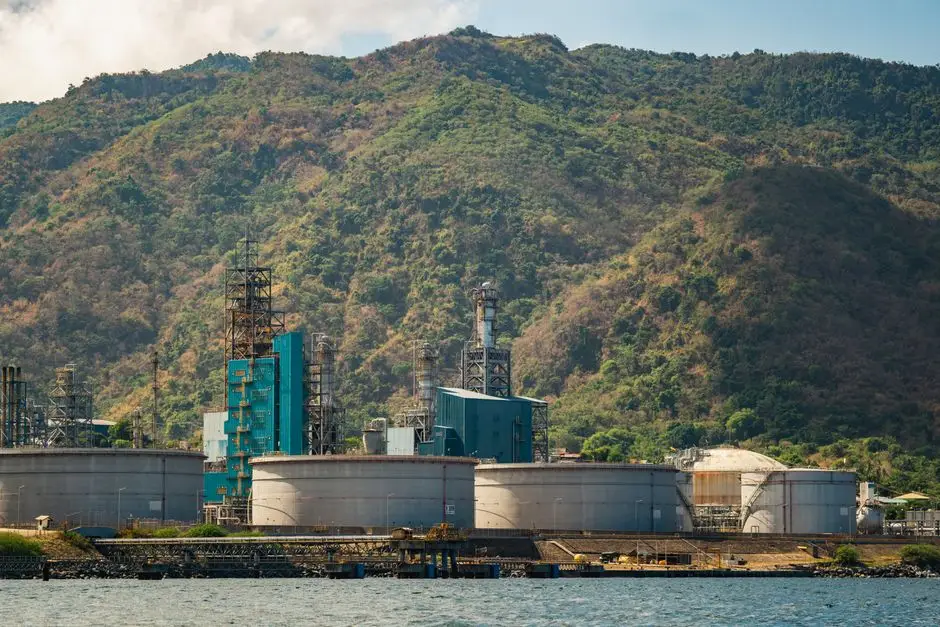
Mammen Dairy's existing band filter reached only 13% COD reduction because the mesh was not fine enough, and the system relied on coagulant and flocculant chemistry rather than fine membrane separation; switching to a 60 nm crossflow pilot with hydrophilic membranes pushed permeate COD reduction to 54% and eliminated the need for bulk chemical handling (LiqTech, Aug 2021). The same case study shows what under-sized pretreatment costs in real money: high annual expenses in discharge fees, chemicals, and maintenance that were set to increase as Mammen planned to mix floor whey into the wastewater stream.
Dairy streams carry emulsified fats from milk and cheese lines that foul biofilm carriers, and dissolved air flotation upstream of the biological stage is the standard FOG removal step on dairy effluent trains. Equalization and pH correction are mandatory because cheese production cycles and CIP peaks drive variability the biological stage cannot absorb alone (Water Science & Technology, 2002, cited in the HydropureWater MBBR for dairy wastewater 2026 engineering guide). A dissolved air flotation system for dairy FOG removal, a rotary mechanical bar screen for dairy headworks, and an automatic chemical dosing system for pH and coagulant control sized to the peak CIP flow — not the daily average — are the three pieces buyers consistently under-specify. The Mammen case also confirmed that adding a higher-nutrient waste stream (floor whey) did not significantly change the LiqTech permeate composition, which supports combined-stream treatment once equalization is in place.
Designing the biological stage for COD and ammonia in 2026
A 2023 University of Ottawa study concluded that a single sequencing-batch MBBR is not feasible for nitrification on cheese production wastewater; the authors recommend two SB-MBBRs in series (Tsitouras et al., 2023, cited in the HydropureWater MBBR for dairy wastewater 2026 engineering guide). This is the single most important design factor for any 2026 dairy MBBR project: a buyer needing to meet ammonia or total nitrogen limits must budget for two biofilm stages, and a vendor that quotes only one reactor with a footnote about ammonia has not yet priced the project correctly.
Published MBBR work on comparable high-strength streams used about 20% carrier fill with a 15-day seeding window and 6–10 day treatment windows (Kusuma et al., 2019, doi:10.26418/jtllb.v7i1.31882), and a vendor that quotes only reactor volume without media type, fill fraction, and aeration rate has not yet completed the engineering. Bioaugmentation with microbial consortia can cut sludge handling cost by 50% in transport and disposal and reduce chemical and energy cost by bypassing post-treatment disinfection (Velmurugan & Pandian, cited in Springer, 2025). Cold dairy effluent dropping to 12–15 °C in winter slows biofilm kinetics, so a vendor's ammonia and COD removal data must be confirmed at the plant's actual temperature window; carriers selected on cost per m³ of media rather than protected surface area per dollar at low temperature frequently under-perform in winter.
| Design parameter | Value / range from research | Source | Why it matters for a 2026 dairy plant |
|---|---|---|---|
| Reactor configuration for nitrification (cheese WW) | Two SB-MBBRs in series required; single SB-MBBR not feasible | Tsitouras et al. (2023) | Drives second-reactor cost and footprint |
| MBBR media fill fraction | ~20% | Kusuma et al. (2019), doi:10.26418/jtllb.v7i1.31882 | Defines aeration design and media retention |
| Biofilm colonization window | 15-day seeding; 6–10 day treatment | Kusuma et al. (2019) | Sets commissioning and seed-sludge strategy |
| Applied load benchmark (FLOCOR-RMP) | Up to 52.7 gCOD/m²/d, ~5 kgCOD/m³/d | Water Science & Technology (2002) | Anchor for sizing full-scale MBBR |
| Winter operating temperature risk | Effluent 12–15 °C slows kinetics | HydropureWater MBBR guide (2025) | Demands low-temp removal data from vendors |
| Bioaugmentation OPEX impact | ~50% sludge handling cost reduction; bypasses disinfection | Velmurugan & Pandian, in Springer (2025) | Sludge line and chemical footprint sizing |
Where effluent reuse or tight suspended-solids limits apply, an MBR membrane bioreactor for dairy wastewater integrates the biological stage with a membrane barrier, which is documented in the linked MBR vs CAS for food and beverage wastewater comparison.
Polishing, reuse, and sludge: closing the train

MBBR effluent typically needs TSS polishing and disinfection before sewer discharge or on-site reuse. For boiler feed or cooling-tower makeup, an industrial RO system downstream of the biological stage removes dissolved salts and residual organics and closes the loop on water cost (HydropureWater MBBR for dairy wastewater 2026 engineering guide). UV disinfection is a chemical-free option effective against chlorine-resistant organisms for MBBR effluent polishing, and the reuse target — cooling tower, boiler, or CIP final rinse — drives whether RO is required or whether UV plus TSS filtration is sufficient.
MBBR sloughing produces a waste activated sludge stream that must be dewatered, typically via a plate and frame filter press for MBBR waste sludge, and the dewatering choice feeds back into the OPEX picture. A reverse osmosis system for MBBR effluent reuse and a UV sterilizer for MBBR effluent polishing close the train, but the OPEX numbers in the linked food processing wastewater plant operating cost 2026 OPEX breakdown are the more useful cross-check for any quotation that bundles polishing into a single headline price.
How to evaluate a dairy wastewater supplier in 2026
Ask vendors for dairy-specific reference plants with measured COD and ammonia removal at the plant's actual operating temperature, not municipal or generic data. Compare offers on protected surface area per dollar, not headline reactor price, because the second SB-MBBR required for ammonia removal on cheese wastewater is a major cost driver (Tsitouras et al., 2023, cited in the HydropureWater MBBR for dairy wastewater 2026 engineering guide). Evaluate the chemical footprint: the Mammen Dairy case reduced wastewater discharge fee by 75% and eliminated bulk coagulant and flocculant handling by switching from a band filter to 60 nm crossflow (LiqTech, Aug 2021).
Request a full COD and ammonia profile from the vendor covering CIP peaks, not design averages, because equalization volume is sized on hourly data. Map the plant's discharge point to the relevant 2026 total nitrogen and COD standard before finalising biological-stage sizing, since TN-based limits require two biofilm reactors in series. Ask for a quotation that itemises biofilm carriers, aeration grid, reactor vessel, and the second reactor if ammonia limits apply — the available research does not include a published 2026 dairy-specific price, so a buyer must request a line-item quote rather than relying on a headline figure.
| Procurement question | What the buyer should ask for | Evidence anchor |
|---|---|---|
| Performance at operating temperature | Dairy-specific reference plant with COD and NH₃ data at low-temp end | Water Science & Technology (2002); HydropureWater MBBR guide (2025) |
| Reactor configuration | Line-item quote for two SB-MBBRs if TN limits apply | Tsitouras et al. (2023) |
| Media selection | Protected surface area (m²/m³) and fill %, not media price per m³ | Kusuma et al. (2019); HydropureWater MBBR guide (2025) |
| Chemical footprint | 75% discharge-fee saving, no bulk coagulant/flocculant | LiqTech (Aug 2021) |
| Equalization sizing | Hourly COD and flow profile over one production week including CIP | Water Science & Technology (2002) |
| Compliance basis | Plant's discharge point mapped to 2026 TN and COD standard | HydropureWater MBBR guide (2025) |
Frequently Asked Questions
What COD removal can a 2026 dairy plant realistically expect from a single biological stage?
Comparative literature reports about 80% COD removal for aerobic biological treatment and about 58.6% for anaerobic treatment on dairy wastewater (Springer, 2025). A pilot MBBR with FLOCOR-RMP media on raw dairy substrate achieved over 80% total COD removal at applied loads up to 52.7 gCOD/m²/d (Water Science & Technology, 2002), so a single well-sized aerobic stage anchored to that load benchmark is the realistic ceiling before polishing.
How much should a buyer budget for a 2026 dairy wastewater treatment train?
The available research does not include a published 2026 dairy-specific price, so a buyer must request a quotation that itemises the biofilm carriers, the aeration grid, the reactor vessel, and the second SB-MBBR if ammonia or total-nitrogen limits apply. Compare offers on protected surface area per dollar rather than headline reactor price, because the second-reactor cost is the line item most often buried in a vendor's single-tank quotation.
How do I compare biological versus membrane suppliers for a dairy plant?
Compare them on the same four inputs: dairy-specific reference plant COD and ammonia removal at the plant's operating temperature, fill fraction and protected surface area (for MBBR) or membrane pore size and chemistry (for crossflow), chemical footprint, and equalization-volume requirement. The Mammen Dairy case shows the trade-off explicitly: a band filter at 13% COD reduction versus 60 nm crossflow at 54% permeate reduction, with a 75% drop in discharge fees and elimination of bulk coagulant and flocculant handling (LiqTech, Aug 2021).
Does an MBBR always need a DAF unit upstream on dairy effluent?
Yes, dairy streams carry emulsified fats from milk and cheese lines that foul biofilm carriers, and dissolved air flotation upstream of the MBBR is the standard FOG removal stage on a dairy train. Skipping DAF to save CAPEX frequently results in biofilm carrier replacement, lost nitrification capacity, and floatable carryover into the polishing stage (HydropureWater MBBR for dairy wastewater 2026 engineering guide).