Why Wichita petroleum plants are re-asking the DAF or clarifier question in 2026
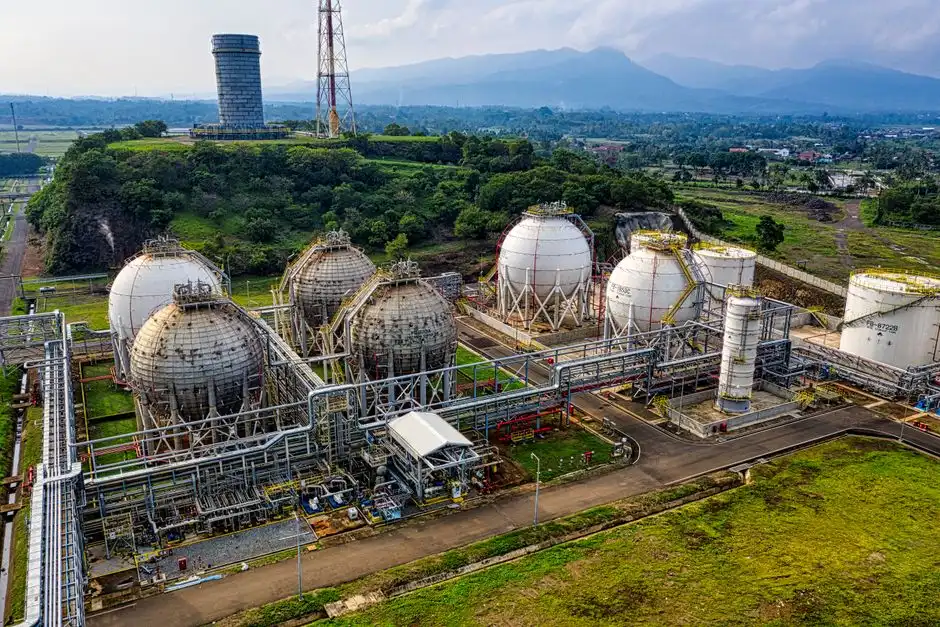
Wichita's petroleum sector — refineries, crude tank farms, compressor stations, and lube-oil blenders — generates a wide range of oily waste streams that no single primary-treatment unit can handle at full scale. Operators are finding that an existing API separator followed by a gravity clarifier can no longer hold oil and grease (O&G) and total suspended solids (TSS) within current permit bands during peak events such as desalter upsets, tank-farm stormwater surges, and hydrocracker catalyst changeouts.
Two reference documents anchor the engineering work: the EPA preliminary data summary for petroleum refining (docket EPA-HQ-OW-2018-0618) and the EPA AP-42 Chapter 2 reference document (EPA 625/1-79-011 process design manual, file dated April 2023), which define the influent characteristics refiners design against. Replacing or supplementing an existing API separator with a dissolved air flotation (DAF) system or a lamella clarifier is the primary-treatment upgrade path most Wichita plants are evaluating in 2026, with 40 CFR Part 419 categorical pretreatment standards and Kansas Department of Health and Environment (KDHE) permit limits setting the effluent targets the new equipment must hit.
How DAF and clarifiers actually treat petroleum wastewater
DAF systems generate fine air bubbles inside a saturation tank; when the pressurized, air-saturated recycle stream is released into the flotation chamber, the bubbles nucleate on oil droplets, grease, and light suspended solids, lifting them to the surface where a skimmer removes the float layer (Ecologix DAF vs. Clarifier selection guide). Clarifiers rely on gravity sedimentation: heavier solids settle to the bottom of a tank and are raked to a central sludge hopper, while clarified water overflows a peripheral weir (Ecologix, same source). For petroleum service, free oils and emulsified light oils float, while heavy sands, iron sulfide, scale, and grit from desalter and hydrocracker effluent settle. This physical difference is why hybrid trains are feasible for complex streams: the Ecologix guide notes that DAF and clarifiers can be combined, and an SSRN paper on DAF followed by a modified moving bed biofilm reactor (SSRN 4731382) demonstrates the same logic for synthetic oily wastewater, treating DAF as a primary oil-removal step with secondary polishing downstream.
Head-to-head: DAF vs. clarifier on the metrics a Wichita buyer cares about
A DAF system is documented at 95% removal of oils and greases versus 70% for a clarifier on the same oily industrial stream, per a food-processing benchmark cited in the Ecologix selection guide. On heavy-sediment streams, a clarifier is documented at 90% suspended-solids reduction at lower cost, per a mining benchmark in the same Ecologix source. Footprint favors DAF in conventional designs, but high-rate lamella clarifiers narrow that gap by stacking inclined plates inside a smaller tank envelope. Operating cost is lower for clarifiers because DAF carries higher upfront and ongoing costs from the air compressor, saturation tank, and recycle pumps. Operational complexity is rated "moderate" for DAF because of the air-saturation system, while clarifiers are mechanically simpler. Procurement teams evaluating HydropureWater DAF systems should weigh these trade-offs against the actual contaminant mix in their stream rather than headline removal percentages alone.
| Parameter | DAF system | Clarifier (incl. lamella) |
|---|---|---|
| Primary mechanism | Air-bubble flotation of oils, grease, light solids | Gravity sedimentation of heavy solids |
| Documented O&G removal | ~95% (Ecologix food-processing benchmark) | ~70% on the same oily stream (Ecologix) |
| Documented TSS removal | Lower on heavy-sediment streams (Ecologix qualitative) | ~90% on heavy-sediment streams (Ecologix mining benchmark) |
| Footprint | Compact per unit capacity | Larger conventional; lamella reduces envelope |
| Operating cost | Higher (air system, recycle pumps) | Lower in general |
| Mechanical complexity | Moderate (saturation tank, compressor) | Lower |
| Best-fit stream | Free oils, grease, emulsified FOG, light TSS | Heavy grit, sand, iron sulfide, settleable solids |
Which petroleum sub-stream drives the choice in Wichita
Desalter effluent and crude-unit condensate typically carry high free oil and grease with moderate TSS, so the 95% vs. 70% O&G benchmark points to a DAF as the appropriate primary treatment step. Tank-farm runoff and ballast water have highly variable O&G-to-TSS ratios depending on rainfall and turnover activity, which means site characterization — not equipment preference — should drive the specification. Compressor-station condensate and lube-oil blending wash water are light-oil dominated and indicate DAF on a qualitative Ecologix basis. Produced-water and remediation streams with high sand and iron sulfide loadings favor a lamella clarifier for the heavy-solids step, with optional DAF polishing if residual oil remains in the overflow. When a single stream contains both high O&G and high TSS — a common case at integrated Wichita sites — both the Ecologix guide and the SSRN DAF + MBBR paper support a hybrid DAF-then-clarifier (or DAF + biological) train rather than a single unit. For sites with limited pad space, the HydropureWater lamella clarifier can take the heavy-solids cut in a small footprint before any DAF polish.
| Wichita sub-stream | Dominant contaminant | Recommended primary unit | Hybrid option |
|---|---|---|---|
| Desalter effluent / crude-unit condensate | High free O&G, moderate TSS | DAF | DAF + lamella clarifier |
| Tank-farm runoff / ballast water | Variable O&G and TSS | Site characterization required | DAF or clarifier per characterization |
| Compressor-station condensate | Light oils | DAF | DAF + biological polishing |
| Lube-oil blending wash water | Light oils, emulsified FOG | DAF | DAF + clarifier polish |
| Produced water / remediation | Sand, iron sulfide, heavy TSS | Lamella clarifier | Clarifier + DAF polish |
2026 compliance framing: 40 CFR Part 419, KDHE permits, and PFAS pressure
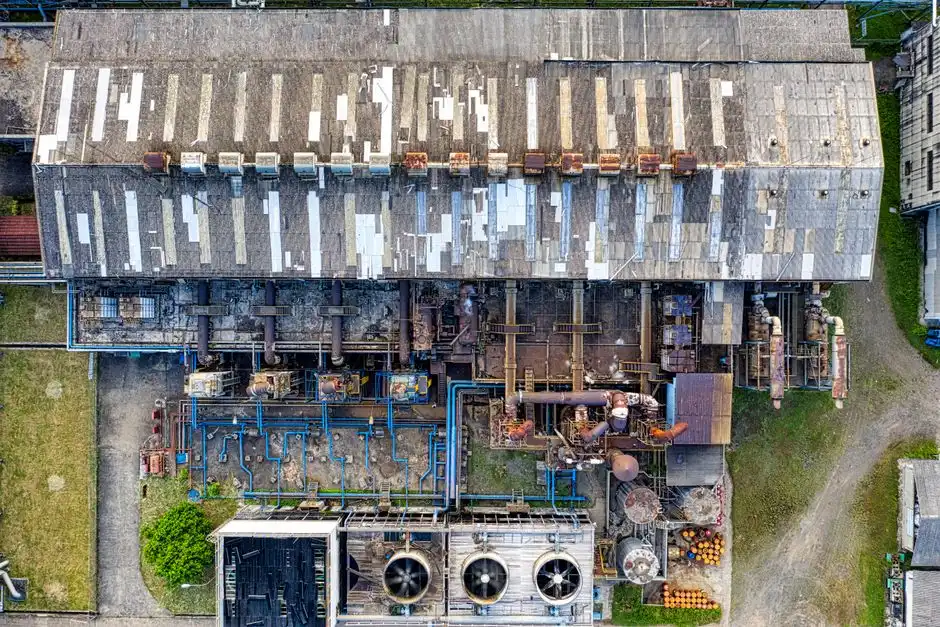
40 CFR Part 419 establishes categorical pretreatment standards for petroleum refining, and the equipment a Wichita plant installs must be defensible against those effluent targets. The EPA preliminary data summary for petroleum refining (docket EPA-HQ-OW-2018-0618) is the reference dataset refiners use to characterize influent loadings when they build a permit application or a pilot case. KDHE surface-water and pretreatment permits typically include numeric limits on O&G, TSS, benzene, and total petroleum hydrocarbons (TPH) that the chosen primary treatment must address. 2026 pressure also includes emerging PFAS scrutiny on refinery wastewater; while PFAS removal is downstream of primary treatment, the choice of DAF versus clarifier affects solids loading and PFAS partitioning into the sludge stream, so the primary-treatment decision feeds directly into the solids-handling and disposal plan. Both the Ecologix guide and the EPA characterization references flag wastewater characterization — O&G, TSS, TPH, temperature, and salinity — as the controlling input before any unit is specified; readers working through a similar compliance problem can compare notes with the petroleum pretreatment compliance guide for adjacent regulatory territory.
Sizing, cost, and supplier-selection checklist for 2026
Before issuing an RFQ, lock down the design inputs: hourly and peak flow in m³/h, influent O&G and TSS concentrations, temperature, salinity, target effluent O&G and TSS, available footprint, and power budget. With those values in hand, the equipment shortlist follows from the sub-stream table. HydropureWater DAF systems cover 4–300 m³/h across 13 standard models and are documented for petrochemical duty, while the HydropureWater lamella clarifier is specified for surface loading rates of 20–40 m/h and is a fit when Wichita site footprint is constrained. Polymer and coagulant consumption should be metered through a HydropureWater chemical dosing skid so that dose tracking is auditable for KDHE reporting. A 2026 RFQ should ask every supplier for guaranteed O&G removal at design flow, polymer and coagulant consumption in mg/L, air-saturation system energy draw in kW, and sludge yield in kg/m³ — not unit price alone, because lifetime OPEX typically dominates primary-treatment economics over a 15-year asset life. Pilot or jar testing on real desalter or tank-farm effluent is the most defensible step before committing CAPEX. Engineers cross-checking regional decisions can also review the Oregon petroleum DAF vs. clarifier guide or the Prattville mining DAF vs. clarifier guide for adjacent use cases.
Frequently Asked Questions
Which Wichita petroleum sub-stream should be treated by a DAF versus a clarifier?
DAF is the better pick for desalter effluent, crude-unit condensate, compressor-station condensate, and lube-oil blending wash water — streams where free oils, grease, and light suspended solids dominate. A lamella clarifier is the better pick for produced water, remediation streams, and any sub-stream with high sand, iron sulfide, or other heavy settleable solids. Many Wichita refineries run a DAF and a clarifier in series on the same site to cover both contaminant classes, as the Ecologix selection guide and the SSRN DAF + MBBR paper both support hybrid trains for mixed streams.
What 2026 compliance drivers should shape the DAF or clarifier choice for a Wichita refinery?
The decision is driven by influent characterization, the categorical pretreatment standards in 40 CFR Part 419, and the site-specific KDHE permit conditions for O&G, TSS, benzene, and total petroleum hydrocarbons. Emerging 2026 PFAS scrutiny on refinery wastewater also affects the choice because DAF and clarifier produce different solids loadings and therefore different PFAS partitioning into the sludge stream the operator must dispose of. Buyers should request a written summary of how a proposed unit affects downstream solids handling and PFAS mass balance before signing.
How much does a DAF system or lamella clarifier cost for a Wichita petroleum plant in 2026?
The supplied research does not include a 2026 unit price for either equipment class. Buyers should request a budgetary proposal tied to design flow (m³/h), target effluent O&G and TSS, polymer and coagulant consumption, and air-saturation system energy draw, because lifetime OPEX typically dominates primary-treatment economics over a 15-year asset life. A pilot or jar test on real desalter or tank-farm effluent is the most defensible way to convert those design inputs into a firm 2026 number.
How should a Wichita buyer screen DAF and clarifier suppliers for a 2026 primary-treatment upgrade?
Shortlist suppliers that can document petrochemical-duty references, provide guaranteed O&G removal at design flow, and supply a chemical-dosing skid that integrates with the proposed unit. Confirm in writing that the supplier will support a site pilot on actual desalter or tank-farm effluent before purchase, and that the proposed unit maps to the KDHE permit limits for the facility. HydropureWater DAF systems cover 4–300 m³/h across 13 standard models and the lamella