Why Pocahontas Mining and Metals Streams Defeat a Single-Mechanism Pick
A Pocahontas-area plant stream in 2026 rarely reduces to one contaminant fraction. A typical influent combines dense mineral fines from a tailings thickener overflow or mill discharge, colloidal clays that do not settle cleanly, oils and greases from mobile equipment, residual flotation reagents from the mill circuit, and dissolved heavy metals that cross the pH boundary into solution or back into hydroxide precipitate depending on the day's process conditions.
A single-mechanism clarifier sized only for the settleable fraction will discharge the colloidal, buoyant, and dissolved loads; a DAF unit forced to handle raw tailings will be overwhelmed by the silt and clay fraction it cannot lift. The selection begins by identifying which fraction dominates the specific stream before naming any equipment. The application note from Fluence is explicit on the limit: DAF is not well suited for water sources that contain high levels of heavier particles that don't float, for example silt and clay particles (Fluence, "What Is Dissolved Air Flotation?"). That boundary is the reason a 2026 specification for an ore-processing, smelter, AMD, or finishing plant in the Pocahontas corridor is fraction-led, not vendor-led, and ties directly into mining and metals 2026 EPA pretreatment compliance for any stream the plant sends to sewer.
How a DAF Unit Actually Separates Solids
A dissolved air flotation unit separates suspended matter by attaching micro-bubbles to flocculated particles and floating the resulting aggregate to the surface, where a skimmer pulls the sludge blanket into a collection trough (Clearwater Industries, "Dissolved Air Flotation for Industrial Wastewater Treatment"). The bubbles are 30–50 microns in diameter, small enough to adhere to oil droplets, fine precipitates, biological flocs, and the loose floc produced by polymer conditioning — exactly the fractions a clarifier cannot reach. The process is paired with chemical conditioning: coagulant, pH adjustment, and polymer flocculant are dosed either into flocculation tubes that give a 15–45 second flash mix, or into impeller mix tanks where longer contact time is needed; the contact time in either case is set empirically by jar testing (Clearwater Industries). At startup, the unit is filled with clean water because the recirculation loop pulls clarified effluent, pressurizes it with air, and returns the saturated stream to the tank; on depressurization the micro-bubbles nucleate and attach to the incoming floc (Clearwater Industries). The available mechanical configurations cover low to high solids loads: the Clearwater FPAC is a low-built cross-flow separator for small-to-medium flows with very high contaminant loads, the FPBC is a high-profile lamella design that treats low-to-medium loads with very low overflow rates, and the FPHF is a hybrid cross/counter-flow unit for large flows with medium-to-large loads (Clearwater Industries). When coagulation and flocculation are properly tuned, DAF solids removal rises and the floated sludge is thick enough to need little or no further dewatering, which is a direct cost lever for a 2026 water-reuse or ZLD spec (Clearwater Industries), and the benchmark unit for that role in a Pocahontas train is a DAF system for mining and metals wastewater.
How a Clarifier (Conventional and Lamella) Separates Solids
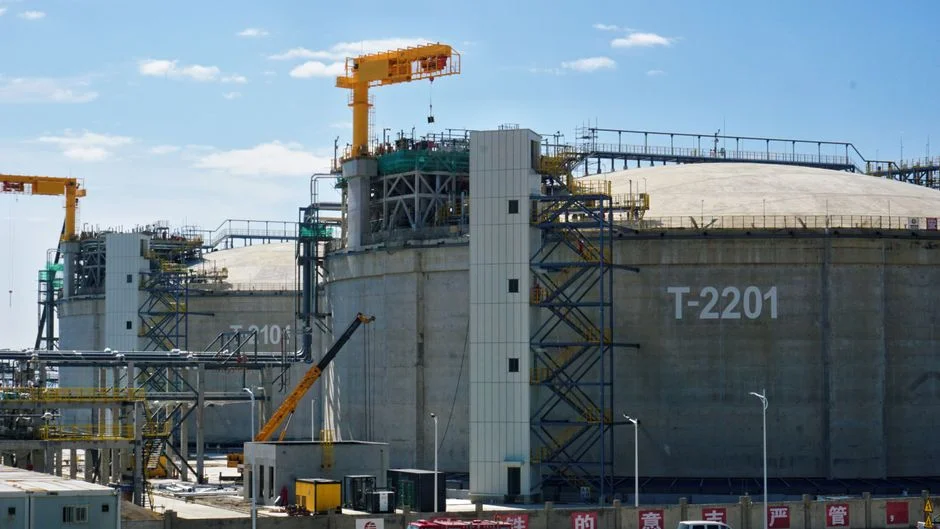
A clarifier separates by gravity. Particles with specific gravity greater than water settle under the surface overflow rate set by the tank geometry, the sludge is withdrawn from the bottom, and clarified water overflows a peripheral or peripheral-and-imperforate launder. A conventional clarifier is the workhorse of mineral processing — a thickener on the tailings side, a primary sedimentation tank ahead of any downstream treatment — and its performance is set by particle settleability, surface overflow rate, and the sludge withdrawal mechanism, not by chemical conditioning intensity. Lamella designs compress the footprint of that same mechanism. Inclined plates multiply the effective settling area inside a much smaller tank volume, which raises the allowable surface loading rate for a given civil footprint. A high-rate lamella clarifier for mineral fines is the standard selection where the mine or smelter has a fixed footprint and a high underflow solids target. Because lamella plates do not change the underlying separation mechanism, the two technologies often function best in tandem.
DAF vs Clarifier: Stream-Fraction Decision Matrix
The matrix below scores the two units against the contaminant fractions a 2026 specification must address. The dominant mechanism — micro-bubble flotation at 30–50 µm versus gravity sedimentation — determines which stream belongs in which unit (Clearwater Industries; Fluence).
| Decision Axis | DAF (Dissolved Air Flotation) | Clarifier (Conventional or Lamella) |
|---|---|---|
| Separation mechanism | Micro-bubbles (30–50 µm) attach to floc and float it to the surface, where a skimmer removes sludge | Gravity settling; lamella plates increase effective settling area for the same footprint |
| Target fraction | Oils, greases, flotation reagents, biological flocs, fine precipitates, colloidal fines after coagulation | Dense mineral fines, tailings, metallurgical sludges with specific gravity greater than water |
| Boundary case to avoid | High silt and clay loadings, which DAF is not well suited to lift (Fluence) | Emulsified oils, colloids, and low-specific-gravity precipitates that do not settle |
| Chemistry lever | Coagulant, pH, and flocculant dose set by jar testing; 30 mg/L aluminum sulfate recorded as the optimum in the Logan, UT study (USU, 2011) | Coagulant aid is optional; performance is governed by surface overflow rate and sludge withdrawal design |
| Sludge handling | Thick floated sludge that may need little further dewatering (Clearwater Industries) | Thickener underflow; usually handled by a thickener or filter press |
| Footprint | Compact tank; high-rate designs available for medium-to-large flows | Large civil footprint for conventional units; lamella designs compress the footprint significantly |
| Role in the train | Primary for oil/reagent/colloid loads; polisher after a clarifier for combined streams | Primary for bulk settleable solids; pre-step ahead of DAF in a combined stream |
| Process-water benefit | Documented for recycling process water and materials in mining waste treatment (Fluence) | Recycles clarified supernatant; does not address colloidal or buoyant load |
For most mining and metals operations the streams are combined, so the matrix points to a clarifier ahead of a DAF polisher. A DAF system for mining and metals wastewater as the polisher captures the colloidal, precipitated, and buoyant fraction that escapes a high-rate lamella clarifier for mineral fines, and the underflow from either unit is then sent to sludge dewatering.
Which Streams Actually Show Up in a Pocahontas Plant
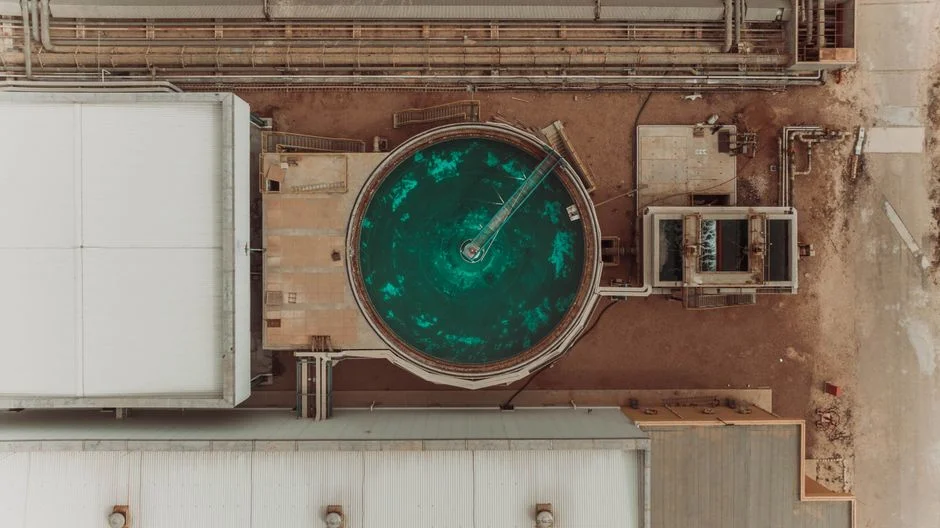
Translating the matrix into per-stream picks writes the 2026 spec for the four stream families a Pocahontas mill, smelter, AMD site, or finishing plant will see at the headworks.
- Tailings thickener overflow and mill discharge. Dominant settleable fines → primary lamella clarifier or thickener, with DAF polish only if reagent carryover or oil contamination is present.
- Metal-finishing rinse water and AMD neutralization overflow. Colloidal precipitates, light metal hydroxides, residual reagents → DAF as the primary unit, jar-test-tuned.
- Combined mill or smelter effluent where fines and reagents co-mingle. Lamella clarifier primary for the settleable fraction, DAF polisher for the colloidal and buoyant load that escapes the clarifier overflow.
- Oil-contaminated sumps, vehicle wash, and reagent-handling areas. DAF primary to lift emulsified oils and reagent residues before the stream rejoins the main treatment train.
Each of these picks assumes the chemical conditioning dose is held at the value jar testing sets, and the standard way to hold that dose on a Pocahontas plant is a PLC-controlled coagulant and flocculant dosing skid sized to the stream's peak flow.
Pocahontas 2026 Compliance and Cost Levers
Tightening heavy-metal discharge limits push factories to remove the colloidal and precipitated metal fraction that escapes a clarifier alone — exactly the fraction DAF targets, with users citing efficient heavy-metal and oil-waste removal as the documented benefit (Fluence). Water-reuse economics make process-water recycling a 2026 priority, and DAF is a proven tool for recycling process water and materials in mining waste treatment (Fluence). For a facility building a recycle loop, the DAF effluent typically needs a downstream solids-removal step — filtration or membrane — before reuse or discharge, and that downstream polish should be in the RFQ from day one. Chemical conditioning is the lever that determines DAF performance, and the Logan, UT study shows that the optimum is empirical and dose-specific, not a default supplier value (USU, 2011). A correctly conditioned DAF produces a thicker sludge that may need little further dewatering, which lowers downstream sludge handling cost and is directly relevant to ZLD economics in 2026 (Clearwater Industries). The research does not supply a 2026 unit price for either a DAF or a clarifier, so the engineer must request a budgetary quotation tied to the specific flow, TSS, and contaminant-fraction profile of the stream. A buyer should ask the vendor to quote the DAF, the chemical conditioning skid, and the plate and frame filter press for sludge dewatering as a single RFQ line, so the sludge-handling saving is visible in 2026 dollars. Additional sizing depth is available in the locational DAF vs clarifier factory guide and the micro-bubble flotation design criteria for 2026.
How to Run the Vendor Selection for a 2026 Pocahontas Spec
Qualifying a supplier requires verifying their track record with specific metal-bearing effluents and 2026 environmental standards. Prioritize vendors who provide documented pilot study data from similar metallurgical processes and offer post-commissioning support for automated chemical dosing systems. Ensure they can provide ISO 9001 certification and evidence of compliance with local discharge regulations, including the EPA's Effluent Guidelines for the Ore Mining and Dressing Point Source Category. Vendors require a comprehensive influent characterization — total suspended solids (TSS), particle size distribution, pH, temperature, and dissolved heavy metals such as copper, lead, and zinc — plus bench-scale jar testing that identifies optimal coagulant and flocculant doses, the required rise rate (m/h) for clarifiers, and the air-to-solids ratio for DAF units. Failure to provide consistent data across seasonal flow variations will lead to undersized equipment and non-compliance, which is the single most common RFQ failure mode in this segment. Where oil handling is the dominant concern, the DAF oil water separator design criteria for 2026 document gives the oil-specific operating envelope that the vendor has to defend.
Frequently Asked Questions
What is the defensible per-stream pick between a DAF and a clarifier for a 2026 Pocahontas spec?
Match the unit to the dominant fraction. Tailings thickener overflow and mill discharge go to a high-rate lamella clarifier for mineral fines first, then a DAF polisher if reagent carryover or oil contamination is present. Metal-finishing rinse water and AMD neutralization overflow — where the load is colloidal precipitates, light metal hydroxides, and residual reagents — go straight to a DAF as the primary unit, jar-test-tuned. Combined mill or smelter effluent almost always resolves to a clarifier first, DAF polish second. Oil-contaminated sumps, vehicle wash, and reagent-handling areas go to DAF primary before the stream rejoins the main train (Fluence; Clearwater Industries).
What should I budget for a DAF or clarifier in my 2026 RFQ for a Pocahontas operation?
The supplied research does not publish a 2026 unit price for either unit, so request a budgetary quotation from each shortlisted vendor tied to the specific flow (m³/h), TSS, and contaminant-fraction profile of the stream. The cost lever the research does support is downstream: a well-conditioned DAF produces a thick sludge that may need little further dewatering, which reduces the sludge-handling line item (Clearwater Industries). Ask the vendor to quote the DAF, the chemical conditioning skid, and the
Frequently Asked Questions
For a Pocahontas mining plant, is a DAF or a clarifier the better primary unit in 2026?
The selection depends on the specific gravity and settling velocity of your mineral tailings. If your mining wastewater contains light, hydrophobic particles or oil-emulsified metals, a Dissolved Air Flotation (DAF) unit is superior because it achieves separation via micro-bubble attachment, which is effective for particles with settling velocities slower than 0.1 meters per hour. Conversely, if your waste stream consists of dense, high-specific-gravity metal oxides, a conventional clarifier remains the more energy-efficient choice for primary solids removal.
In 2026, many Pocahontas facilities are opting for a hybrid approach or DAF systems due to increasingly stringent discharge limits for Total Suspended Solids (TSS) and trace metals. DAF units typically achieve 90 to 95 percent removal efficiency for light particles that would otherwise remain suspended in a traditional sedimentation basin, making them better suited for high-clarity discharge requirements.
What is the realistic capital cost range for an industrial DAF system sized for a metals plant, and what drives the premium?
For a standard industrial metals plant flow rate of 500 to 1,000 gallons per minute (GPM), capital costs for a turn-key DAF system typically range from $450,000 to $950,000. This estimate accounts for the pressure vessel, saturation system, sludge skimming mechanisms, and necessary control integration.
The price premium is primarily driven by the materials of construction required to handle the corrosive chemistry of mining wastewater. If your stream requires 316L stainless steel or specialized internal coatings to withstand low pH or high chloride levels, capital expenditure can increase by 30 to 50 percent. Additional automation features, such as real-time turbidity sensors and automated chemical dosing loops, also contribute to higher upfront costs but reduce long-term operational expenditure.
Can a DAF and a lamella clarifier be used together in one train, and what is the order?
Yes, these units are frequently used in series to maximize separation efficiency, with the clarifier typically positioned first. The lamella clarifier acts as the primary settling stage to remove the bulk of heavy settleable solids, protecting the downstream DAF unit from excessive sludge loading.
The DAF unit follows the clarifier to serve as a polishing stage. It targets the fine, non-settleable colloidal particles and residual emulsified metals that pass through the lamella plates. This configuration is highly effective for Pocahontas plants facing strict EPA limits on dissolved and particulate metal concentrations, as the clarifier reduces the solids burden on the DAF, allowing the flotation system to operate at lower air-to-solids ratios with higher consistency.
What influent data do I have to send a DAF vendor before they will size a unit for a mining stream?
To receive an accurate sizing and performance guarantee, you must provide the average and peak flow rates in GPM or cubic meters per hour. Essential chemical data includes the pH range, temperature, and current concentrations of TSS, Total Dissolved Solids (TDS), and specific target metals (e.g., Lead, Arsenic, or Copper). You should also provide the results of a bench-scale jar test to determine the required coagulant and flocculant dosages.
Additionally, vendors require the particle size distribution (PSD) and specific gravity of the suspended solids. If the wastewater contains surfactants or dissolved oils, disclose the Oil and Grease (O&G) concentration in mg/L, as these components significantly impact the required saturation pressure and air-to-solids ratio for effective flotation.
What 2026 EPA compliance risks does a Pocahontas metals plant face if it relies on a clarifier alone?
Relying solely on a clarifier in 2026 creates a significant risk of non-compliance with the Clean Water Act, particularly regarding discharge limits for fine particulate metals and turbidity. Conventional clarifiers often struggle to capture particles below 20 microns, which are increasingly targeted by recent EPA effluent limitation guidelines (ELGs) for the mining sector.
If your effluent turbidity exceeds local permit limits due to colloidal carryover, you face mandatory reporting, potential fines, and the risk of a consent decree. Given the tightening of 2026 water quality standards, a clarifier-only system may fail to meet the "Best Available Technology" (BAT) requirements for toxic pollutant removal, likely necessitating an expensive, last-minute retrofit to add tertiary filtration or flotation capacity to maintain your National Pollutant Discharge Elimination System (NPDES) permit status.