

Why Textile Dye-House Effluent Needs DAF as Primary Clarification
Dye-house effluent is one of the hardest streams a primary clarifier faces: it arrives hot, intensely coloured, surfactant-rich, and loaded with fibre fragments, size residues, hydrolysed reactive dyes, and finishing oils. Conventional sedimentation needs far larger footprints to settle the same load, and it often re-suspends colloidal matter instead of removing it. A HydropureWater dissolved air flotation system handles that profile because it floats suspended, colloidal and emulsified matter rather than waiting for it to settle, which is exactly how dye-house solids behave.
The 20–50% COD reduction range that a DAF delivers on its own is the right calibration target for a textile justification memo. Reactive-dye baths with high hydrolysed-dye load will sit at the low end of that band; surfactant-heavy scouring effluent with entrained oils and size will push toward the upper end (sigmadafclarifiers.com FAQ). A textile engineer should present 30% as a defensible planning number and flag the band as the design envelope. The same FAQ sets the operating envelope at 4–6 m³/m²/h hydraulic loading and 3–5 kg/m²/h mass loading, which is several times the load a sedimentation basin can absorb on the same footprint (sigmadafclarifiers.com FAQ). The recirculation pump is the dominant energy consumer because it pressurises 10–40% of the clarified flow to 4–6 bar, so the mill's electrical budget must be sized for that load before the DAF is approved (sigmadafclarifiers.com FAQ).
DAF Design Parameters for Textile Duty
Four governing ranges define a defensible DAF datasheet for textile duty: hydraulic loading, mass loading, saturation pressure, and recirculation ratio. These parameters determine the system's efficiency and physical footprint requirements.
| Parameter | Design Range | Textile-Specific Note |
|---|---|---|
| Hydraulic loading rate | 4–6 m³/m²/h | Derate for very hot streams (40–60 °C) where viscosity lowers bubble rise velocity; confirm with a pilot or jar test. |
| Mass loading | 3–5 kg/m²/h | Covers normal scouring/dyeing solids; reactive-dye baths with hydrolysed dye can spike solids — require jar-test confirmation at peak dye-bath discharge. |
| Saturation pressure | 3–6 bar | Set to the higher end when effluent is hot, because warm water holds less dissolved air at the same pressure. |
| Recirculation ratio | 10–50% of treated flow (commonly 10–40%) | Higher ratios support higher mass loading but increase pump energy. |
| Micro-bubble size | 50–100 µm | Smaller bubbles improve TSS capture on the fine fibre fragments common in textile effluent (sigmadafclarifiers.com FAQ). |
| Float sludge dry matter | 3–4% DM | Direct feed to a downstream plate and frame filter press for the 3-4% DM DAF float (sigmadafclarifiers.com FAQ). |
Hydraulic and mass loading drive tank area. A 50 m³/h textile stream at 5 m³/m²/h needs roughly 10 m² of effective flotation surface, which is the kind of number a mill engineer can confirm against a vendor's standard model list. Saturation pressure and recirculation ratio drive the pump and saturator, which are the two line items that swing DAF energy use the most.
Coagulation and Flocculation Chemistry for Dye Wastewater
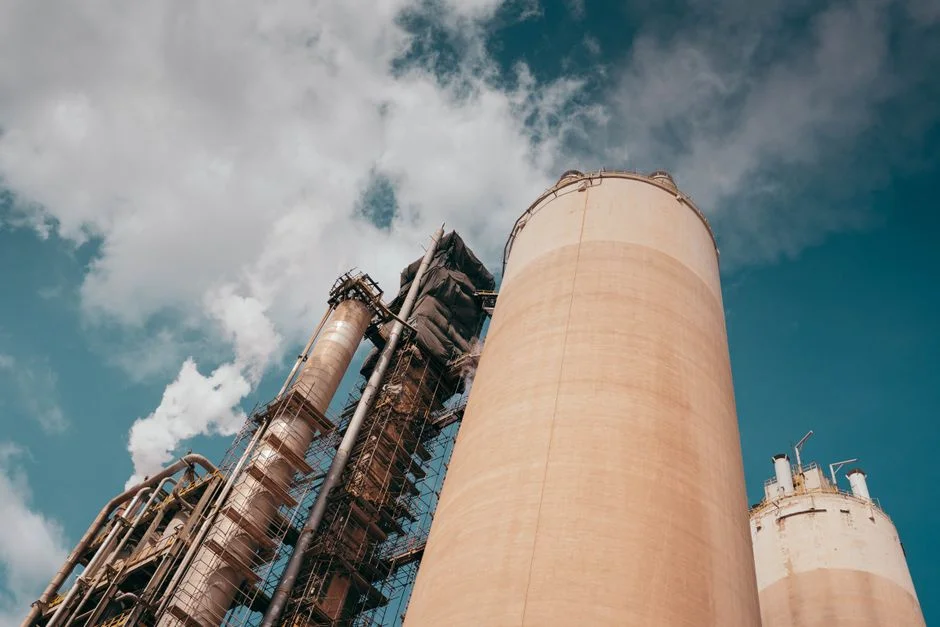
DAF only removes suspended, colloidal and emulsified matter; dissolved dye load passes through unless it is oxidised upstream (sigmadafclarifiers.com FAQ). Effective chemistry converts dissolved colour and colloidal dye aggregates into a settleable or floatable floc before the wastewater reaches the flotation cell. Without that conversion, the 90% TSS and ≥95% oil/grease removal targets are unattainable.
Use the 20–50% COD reduction band as the calibration window. Run jar tests at low, mid and high coagulant and flocculant dose on the actual mill effluent, measure residual COD and colour at each dose, then lock the chemistry before committing to a vendor selection (sigmadafclarifiers.com FAQ). Pair the DAF with an automatic chemical dosing skid so pH and polymer feed stay stable through shift changes and dye-batch transitions — manual dosing on a textile line is the most common reason the DAF underperforms its design numbers. Full decolourisation is rarely achieved in DAF alone; reactive dye hydrolysis products and disperse dye residues typically need downstream biological, ozone, or membrane polishing. The buyer must measure colour on jar-tested samples rather than rely on a generic figure.
Matching DAF to Textile Sub-Processes
Scouring, bleaching, dyeing, printing, and finishing each generate a different effluent profile, and the DAF response differs for each. Each sub-process requires specific design considerations to ensure effective contaminant removal.
| Sub-Process | Effluent Character | Expected DAF Behaviour | Design Implication |
|---|---|---|---|
| Scouring | High temperature, high COD, surfactant-rich, entrained oils | Oil/grease removal ≥95% achievable; COD stays high because load is largely dissolved (sigmadafclarifiers.com FAQ) | Maximise the oil/grease envelope; downstream biological step sized for residual COD. |
| Bleaching | Alaline, residual peroxide, suspended fibre and stabiliser precipitates | Tracks the 90% TSS removal figure (sigmadafclarifiers.com FAQ) | Standard hydraulic/mass load; verify pH window for coagulant choice. |
| Dyeing (reactive) | Hydrolysed reactive dyes, high salt, suspended dye aggregates and size | Captures suspended dye and size; dissolved colour passes through | Plan downstream biological or membrane step for colour; do not expect DAF to hit a colour spec. |
| Printing | Pigment- and thickener-laden | Captures thickener and pigment flocs when properly coagulated | Expect upper-end mass load; verify against the 3–5 kg/m²/h design ceiling (sigmadafclarifiers.com FAQ). |
| Finishing | Softeners and oils | DAF's ≥95% oil/grease removal applies directly (sigmadafclarifiers.com FAQ) | Standard DAF sizing; oil-rich float will dominate sludge volume. |
For a comparison of how DAF stacks up against induced-air flotation on the same streams, the DAF vs IAF Comparison: Which Flotation System Is Right for Your Plant? article walks through the mass-load and bubble-size trade-offs.
Sludge Handling and Disposal from a Textile DAF
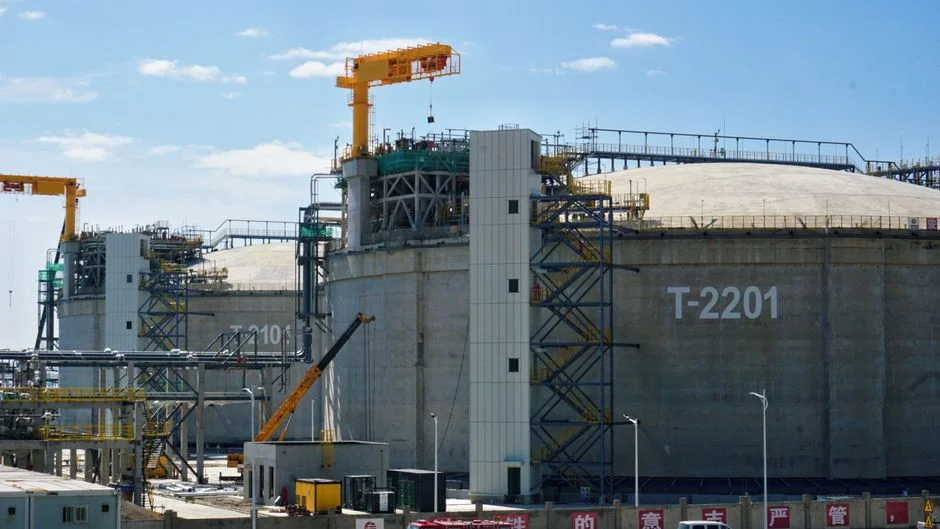
DAF float leaves the tank at 3–4% dry matter, which is thick enough to feed a plate-and-frame or belt press directly without an intermediate thickener (sigmadafclarifiers.com FAQ). This concentration links the DAF capex line to the dewatering capex line in a defensible memo.
Textile float sludge often contains spent reactive and disperse dyes, residual salts, and trace heavy metals. The buyer must request a TCLP or equivalent leachate test from the mill's effluent and have the waste hauler classify the cake before signing a disposal contract. Treat the sludge as potentially hazardous until the test says otherwise. Without a dewatering line item in the capex memo, the DAF becomes a slurry-storage problem rather than a treatment step — the float volume alone will fill any equalisation basin in a single shift. Size the plate and frame filter press for the 3-4% DM DAF float against the expected float volume calculated from the chosen hydraulic load and the operating hours per day.
Equipment Sizing, Footprint and Vendor Selection
Catalog DAF systems typically span 4–300 m³/h across standard models, which covers most single-line textile mills without custom fabrication (hydropurewater.com DAF product page, verified 2026). For very large composite flows, prefabricated units up to 1,000 m³/h are feasible, which means even multi-line dye houses can be served by standard models rather than field-fabricated tanks (sigmadafclarifiers.com FAQ).
Compact footprint is a primary DAF advantage, but the buyer must confirm available headroom for the saturator, pump skid, and skimmer drive (sigmadafclarifiers.com FAQ). The HydropureWater DAF product page documents textile, food, pulp and paper, metalworking, petrochemical, and municipal pre-treatment applications (hydropurewater.com DAF product page, verified 2026). Validate that the proposed tank material suits hot dye-house liquor; stainless or FRP options are common. The Best DAF Unit for Industrial Wastewater: 2026 Engineering Specs, Costs & Decision Framework piece gives a procurement checklist, and the DAF Machine Manufacturer: How to Choose the Right System for Industrial Wastewater (2026 Guide) article covers supplier shortlisting criteria.
Integrating DAF With Downstream Treatment
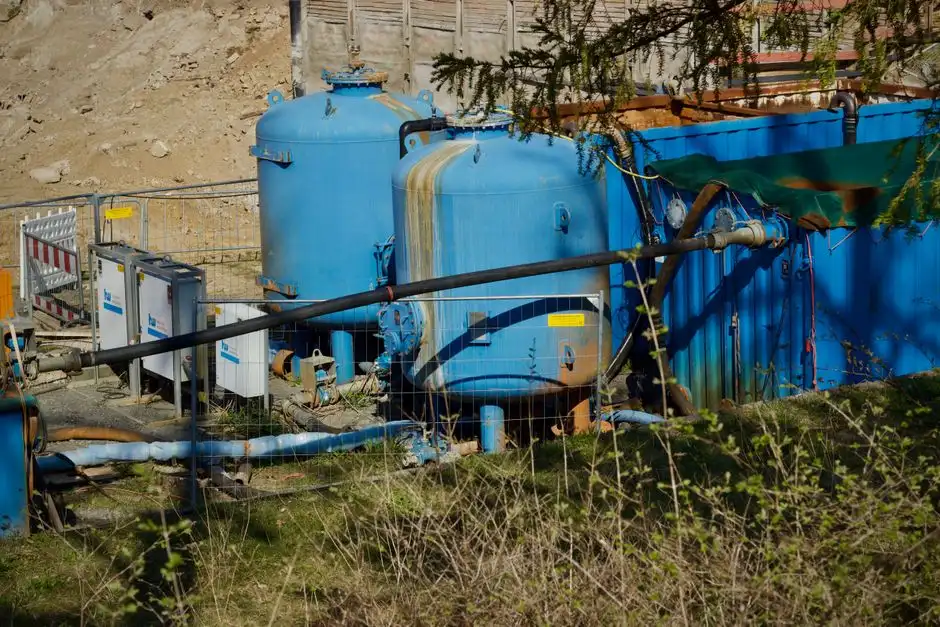
DAF is the standard pretreatment ahead of biological reactors; its 90% TSS removal protects aeration basins and biomass from size, fibre, and inert solids (sigmadafclarifiers.com FAQ). For plants targeting water reuse, DAF acts as the protective stage ahead of ultrafiltration or reverse osmosis, where it shields the membrane from fouling.
The 20–50% COD reduction DAF delivers sets the load that the biological step must hit, so size aeration tanks against post-DAF COD rather than raw COD (sigmadafclarifiers.com FAQ). On the reuse side, pair DAF with a multi-media filter for DAF polishing when discharge limits are tight or reuse is required, because DAF effluent alone usually carries enough residual colloids to foul a downstream RO membrane within weeks.
Frequently Asked Questions
What hydraulic and mass loading rates should a textile DAF be designed for?
Use 4–6 m³/m²/h hydraulic loading and 3–5 kg/m²/h mass loading as the starting envelope (sigmadafclarifiers.com FAQ). Derate hydraulic loading for very hot streams (40–60 °C) and confirm mass loading with a jar test on the actual dye-house effluent, because hydrolysed reactive dye and thickener can push solids above the design ceiling.
What COD removal can a textile DAF realistically deliver, and is that enough on its own?
Plan on 20–50% COD reduction depending on coagulant chemistry and dye class (sigmadafclarifiers.com FAQ). This is rarely enough for direct discharge from a dye house; DAF is a primary clarification step, and the biological or membrane step downstream is sized against the post-DAF COD rather than the raw COD.
How much does a textile-duty DAF cost, and what should a capex memo line item include?
The capex memo must request a budgetary quotation from each shortlisted vendor based on the mill's peak hourly flow, peak temperature, and peak mass load. The line item should cover the DAF tank, saturator and recirculation pump, an automatic chemical dosing skid, the float dewatering press, and the interconnecting pipework — splitting the DAF from the dewatering press usually creates an unfunded slurry-storage problem at commissioning.
What is the right way to shortlist a DAF supplier for a dye house?
Shortlist vendors who can show textile references, can supply the required flow within their standard model range (4–300 m³/h catalog, up to 1,000 m³/h prefabricated), and can match the proposed tank material to the mill's peak effluent temperature (hydropurewater.com DAF product page, verified 2026; sigmadafclarifiers.com FAQ). Ask each vendor for a written performance guarantee on TSS, oil/grease, and COD against the jar-test results from the mill's effluent, and verify lead time and local service coverage before issuing the purchase order.