Why Greater Tokyo Process Wastewater Is a Freshwater-Avoidance Problem in 2026
Greater Tokyo in 2026 should not be treated as a generic Japan case. The Kanto industrial corridor — including the Tama, Arakawa and Edogawa basins — combines dense fab and hyperscale data-hall build-outs with summer wet-bulb envelopes and typhoon-driven humidity swings that drive cooling-tower cycles of concentration harder than the Tokai case. Site-specific basin classification and consent text must be confirmed against current permits and local meteorological data, not assumed, but the qualitative risk is unambiguous. The defensible 2026 case is anchored in freshwater avoidance per wafer or per megawatt of IT load, with the consent treated as a floor rather than a target.
The numbers behind that framing come from the global technology sector. The semiconductor industry consumes around 210 trillion litres of water annually, with almost half of that in higher-than-average water-scarcity areas (TNFD, Feb 2026, citing Yin and Yang, 2025). A single fab uses around 14 billion litres of UPW per year, and for every unit of UPW, 1.4–1.6 units of municipal water are used (TNFD, Feb 2026, citing WEF 2025 and IDE Tech 2024). Northeast Asia is one of the two regions with the highest adjusted semiconductor-related water demand (TNFD, Feb 2026). Globally, 40% of existing fabs and over 40% of new fabs announced since 2021 are projected to sit in basins with high or extremely high water stress by 2030 (TNFD, Feb 2026, citing Lepawsky 2024).
The data-hall side runs on a parallel curve. 45% of data centres globally are in river basins at high risk of water-availability disruption (TNFD, Feb 2026, citing Hajonides et al. 2025). Typical facilities use 25 million to 770 million litres per year, while hyperscale facilities can exceed 2 billion litres annually (TNFD, Feb 2026, citing Ceres 2025 and Hines Research 2025). Cooling systems account for most on-site operational water withdrawals, so the design KPI for a 2026 Tokyo site is not "do we meet the consent" but "how many litres of municipal water do we avoid per wafer-start or per MW of IT load".
Two Streams, One Site: Why Segregation Beats Combined Treatment
A mixed-use campus in the Kanto corridor contains at least two chemically incompatible wastewater streams, and combining them forces every unit downstream to be over-specified. The two streams are defined by their solutes, and the failure modes each one imposes downstream are different enough that segregation pays for itself in CAPEX. The 2026 best practice is segregated drains at source, separate equalization, and only a final common RO or brine-concentrator polishing step if the upstream chemistries are genuinely compatible (Sim et al., 2023).
Fab wet-process wastewater carries fluoride from HF etching, TMAH and photoresist developers, ammonia, strong acids and alkalis, and CMP slurry with copper, nickel and tungsten particles (Sim et al., 2023). The pH swings from strongly acidic to strongly alkaline, the flow is batchy, and the abrasive nanoparticle fraction is what kills RO membranes first if it is not removed upstream. Data-hall cooling-tower blowdown is fundamentally different: it is concentrated cooling-tower water dominated by TDS, calcium and magnesium hardness, silica, and trace oxidizing biocides, containing none of the fluorides, solvents or abrasive slurry particles that define a fab drain (TNFD, Feb 2026).
Mixing the two forces neutralization and precipitation to be sized for fluoride and solvent upset tolerance, which over-specs the chemistry for what is essentially a softened water stream, and forces any biological or downstream membrane step to handle fluoride spikes it was never designed for (Sim et al., 2023). On the data-hall side, cooling-tower blowdown flow follows ambient wet-bulb temperature and peaks in Tokyo's hot-humid July–September window (TNFD, Feb 2026, citing Ceres 2025), concentrating silica and hardness into the range where RO membranes scale within weeks. The table below maps each stream to its dominant solutes, the failure mode each one imposes, and the unit processes those failure modes justify.
| Parameter | Fab wet-process wastewater | Data-hall cooling-tower blowdown |
|---|---|---|
| Dominant solutes | Fluoride, TMAH, photoresist, CMP slurry, Cu/Ni/W, ammonia, mixed acids/alkalis (Sim et al., 2023; IDE Tech) | TDS, Ca/Mg hardness, silica, trace oxidizing biocides (TNFD, Feb 2026) |
| pH envelope | Strongly acidic to strongly alkaline, highly variable | Near-neutral, buffered by cooling-water chemistry |
| Particulate load | Abrasive CMP nanoparticles, precipitated metal hydroxides | Low; primarily dissolved species and silica |
| Reuse target | Toxicity removal + high-recovery reuse to UPW reclaim | Scale and silica control + cooling-tower makeup |
| Defensible unit process | Equalization, fluoride precipitation, Fenton/AOP, UF, high-recovery RO, brine concentration (Sim et al., 2023; IDE Tech) | Softening, single-pass RO with energy recovery, polishing carbon or UV (TNFD, Feb 2026) |
The 2026 Unit-Process Train for a Greater Tokyo Fab
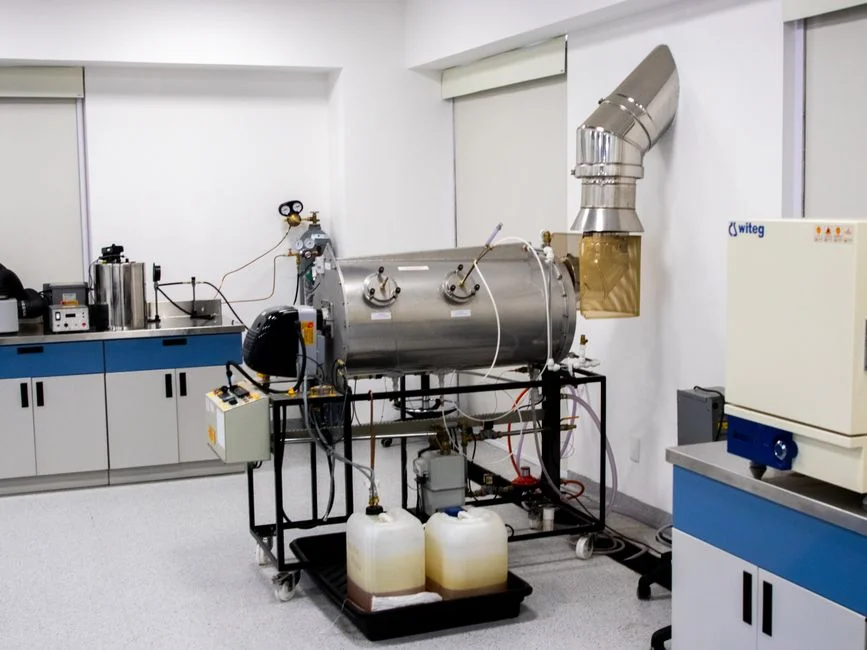
The defensible unit-process order for a 2026 Greater Tokyo fab train is fixed, and each step is chosen for a specific failure mode. The sequence runs: source segregation and equalization, fluoride precipitation, Fenton or advanced oxidation for organics, UF pretreatment, high-recovery RO, and finally brine concentration or crystallization (Sim et al., 2023; IDE Tech, cited in TNFD Feb 2026). Equalization prevents downstream shock and enables segregated reuse loops; fluoride precipitation with calcium or aluminium salts is the established chemical route for HF waste; UF protects the RO from abrasive CMP fines; and Fenton or AOP degrades fouling organics such as TMAH and resist solvents before the membrane (Sim et al., 2023).
High-recovery RO at greater than 99% salt rejection enables UPW reclaim when paired with a downstream polishing loop, moving the recovery number from compliance to freshwater avoidance per wafer (IDE Tech, cited in TNFD Feb 2026). State-of-the-art fabs can recover up to 85–90% of their wastewater using high-recovery RO, advanced filtration and thermal polishing technologies; that figure is the 2026 baseline, not the ceiling (IDE Tech, cited in TNFD Feb 2026). AOP selection across the Fenton, ozone, UV/H2O2 and peroxone branches is treated in more depth in the 2026 AOP system design guide.
For the chemistry stages, a PLC-controlled chemical dosing skid with redundant pumps keeps the equalization pH window stable through batch discharges. A pre-engineered PVDF ultrafiltration skid for RO pretreatment and a high-recovery industrial RO with an energy-recovery device are the membrane workhorses. The table below maps each step to the failure mode it addresses, the typical chemistry, and the design question a Tokyo engineer should put to the supplier.
| Unit process | Failure mode addressed | Design question for the supplier |
|---|---|---|
| Equalization | pH and flow shock from batch discharges | Residence time and pH window tolerance under peak batch load |
| Fluoride precipitation | HF and fluoride toxicity to downstream biology and membranes | Ca or Al dose control and residual fluoride target in the supernatant |
| Fenton / AOP | Fouling organics (TMAH, resist solvents) reaching the RO | AOP branch selection and oxidant consumption per m³ |
| UF pretreatment | Abrasive CMP fines and metal hydroxides scaling the RO | Membrane rating for the fluoride and solvent excursions the equalization tank can deliver |
| High-recovery RO | Dissolved salts and UPW reclaim | Energy-recovery device sized for sustained high-recovery operation, not nominal flow |
| Brine concentration / crystallization | Concentrate disposal and recovery uplift | Heat source availability and concentrate disposal route |
Pre-engineered modular skids for UF, RO and brine concentration cut the field-work fraction of the schedule and shift late-delivery risk from a civil contractor to an equipment vendor. The 2026 Nagoya fab and data-hall wastewater guide covers the same train shape for a Tokai case; the Kanto-specific difference is the summer wet-bulb envelope and the way it interacts with cooling-tower reuse on a shared site.
The 2026 Unit-Process Train for a Greater Tokyo Data-Hall
Data-hall scope is smaller but requires specific treatment to avoid wasting CAPEX and energy. Cooling-tower blowdown flow follows ambient wet-bulb temperature and peaks in Tokyo's hot-humid July–September window when cooling towers work hardest, concentrating TDS, hardness, silica and oxidizing biocides. The two failure modes a Tokyo operator must design around are silica scale on the RO membrane and biocide slugs from routine cooling-water treatment. A polishing carbon or UV stage handles biocide spikes rather than letting them into the RO.
The defensible train is side-stream softening or chemical precipitation ahead of a single-pass RO with an energy-recovery device. Permeate goes to cooling-tower makeup or toilet flushing; a small concentrate stream is sent to authorized disposal or to the common brine-concentrator polishing step if one is already in place on the campus. Component-level references for this train are a twin-tank industrial water softener for the data-hall train, a pipeline UV sterilizer for biocide polishing, and a high-recovery industrial RO with an energy-recovery device sized for the silica envelope, with compatible RO and UF membrane elements specified for sustained operation at peak wet-bulb.
Sizing the softener correctly and specifying a silica-tolerant antiscalant are the two decisions that determine whether the RO runs clean or scales up within six months. The DAF vs clarifier selection guide for Kyushu fabs covers upstream solids handling that is not on the data-hall critical path but is useful when a campus co-locates the two streams and the data-hall concentrate needs to be polished against residual floc carryover.
Choosing the Recovery Target: Baseline RO, RO Plus Brine Concentrator, or ZLD
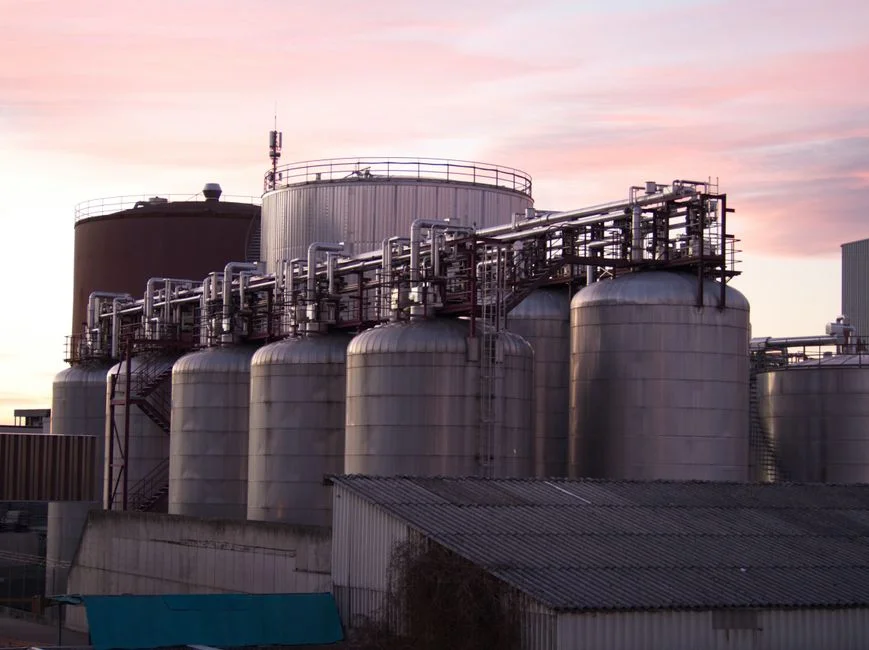
The recovery number is a permitting artefact, and the train should be designed so the recovery rate can be lifted later by adding a brine concentrator without re-plumbing the upstream. The 2026 Nagoya fab and data-hall wastewater guide covers the same matrix for the Tokai case; the Kanto case adds the hyperscale data-hall concentration and the PFAS-readiness question that consent renewals in 2026 are starting to flag. The decision matrix below ties the three operating points to the conditions that justify them, so the engineer can read the recovery target off the local water-stress classification and the consent text.
| Operating point | Unit-process scope | When to select | Limitations to confirm against permit |
|---|---|---|---|
| Baseline RO | Equalization, fluoride precipitation, Fenton/AOP, UF, high-recovery RO (Sim et al., 2023; IDE Tech) | Default 2026 target where consent does not mandate brine minimization | Recovery ceiling at the high-recovery RO |
| RO + brine concentrator | Baseline train + brine concentrator sending concentrate to authorized disposal | Reactive if local freshwater cost rises or a downstream cooling-tower reuse loop expands | Requires a verified disposal route for the concentrate |
| ZLD | Baseline train + brine concentrator + crystallizer (IDE Tech) | Where the consent requires zero liquid discharge or freshwater is prohibitively scarce | Energy and CAPEX jump sharply; thermal systems need a credible heat source |
PFAS is an emerging permit risk worth designing for now even if current influent is below detection: PFAS compounds are chemically stable, resistant to conventional oxidation, and difficult to remove (IDE Tech, cited in TNFD Feb 2026). Leaving a slot for a high-pressure RO or EDI polishing stage with compatible membrane elements is cheaper to do during build than to retrofit under consent pressure. Japanese-specific consent numerics, JPY CAPEX ranges and PFAS trigger concentrations are not in the supplied research, so they must be requested in the proposal stage rather than treated as known values.
What a Reliable 2026 Vendor Looks Like for a Tokyo Fab or Data-Hall
A reliable 2026 supplier must demonstrate a track record on internationally recognized water specifications, hold ISO 9001 and 14001 certifications, and offer validated documentation and performance guarantees for chemical consumption and energy efficiency. Real-time monitoring of pH, flow, conductivity, TOC and fluoride is standard; advanced sites layer in AI-driven antiscalant dosing and membrane-fouling prediction to keep OPEX predictable (IDE Tech, cited in TNFD Feb 2026). Pre-engineered modular skids for UF, RO and brine concentration cut the field-work fraction of the schedule and shift late-delivery risk from a civil contractor to an equipment vendor.
The Tokyo-specific numerics a procurement manager should ask for in writing are: JPY-denominated CAPEX per m³/day for each unit process, OPEX in JPY per m³ treated, guaranteed recovery rate and reject volume, energy consumption in kWh per m³ permeate, chemical consumption in kg per m³ treated, and a documented lead time for the largest membrane skid. Japanese-specific consent numerics and JPY CAPEX bands are not in the supplied research, so they must be requested in the proposal stage — ask for them by line item, not as a single number. Confirm with the supplier that the UF membrane is rated for the fluoride and solvent excursions the equalization tank can deliver, and that the RO has an energy-recovery device sized for sustained high-recovery operation rather than nominal flow. A PLC-controlled chemical dosing skid with redundant pumps and a documented spares and valves package close the chemistry and maintenance loops.
Frequently Asked Questions
What CAPEX range should a Greater Tokyo fab or data-hall budget for a 2026 segregated wastewater train?
JPY-denominated CAPEX bands per m³/day for UF, RO, brine concentration and ZLD crystallizers are not in the supplied research, so they must be requested by line item in the proposal stage. The defensible request is CAPEX per m³/day per unit process, OPEX in JPY per m³ treated, guaranteed recovery rate, energy in kWh per m³ permeate, and chemical consumption in kg per m³ treated — each as a separate number, not rolled up. The 2026 auto-dosing engineering guide covers the chemistry-loop inputs that should be priced separately from the membrane skids.
How do I shortlist equipment vendors for a segregated Tokyo fab and data-hall train in 2026?
Shortlist on documented track record against internationally recognized water specifications, ISO 9001 and 14001 certification, validated performance guarantees for chemical consumption and energy efficiency, and pre-engineered modular skid delivery that shifts late-delivery risk off the civil contractor. Ask each vendor for a written recovery guarantee, an energy-recovery device sized for sustained high-recovery operation, a UF membrane rating that covers the equalization tank's worst-case fluoride and solvent excursion, and a spare-parts and valves package with quoted lead times to a Japanese port.
Does a 2026 Greater Tokyo fab consent require ZLD, or is high-recovery RO enough?
That is a permit-by-permit question and is not in the supplied research. The decision matrix above ties baseline RO, RO plus brine concentrator, and ZLD to the conditions that justify each operating point, and the engineer should read the recovery target off the local water-stress classification and the consent text rather than picking from a vendor brochure. For data halls, partial reuse plus a small brine stream sent for authorized evaporation or hazardous-waste disposal is usually the economic optimum; hyperscale flow rates push ZLD energy costs to a level that a recovery-only train avoids.
Should a 2026 Kanto site design for PFAS even if current influent is below detection?
Yes. PFAS compounds are chemically stable, resistant to conventional oxidation, and difficult to remove, and the permit trajectory in 2026 is moving in the direction of tighter PFAS trigger concentrations (IDE Tech, cited in TNFD Feb 2026). Leaving a slot for a high-pressure RO or granular activated carbon polishing stage is cheaper to do during build than to retrofit under consent pressure, and the same slot doubles as a future-proofing point for tighter organic rules.