The Compliance Picture for Maple Valley Mining and Metals Dischargers
Mining and metals plants near Maple Valley, Washington that discharge to a public sewer fall under a two-layer compliance regime: the federal Clean Water Act NPDES program, with categorical effluent limits for ore mining and dressing under 40 CFR Part 440, and a local King County or POTW sewer-use ordinance that typically imposes additional or tighter limits for pH, total metals, sulfates, and oil and grease than the federal floor (OSTI/ACS EST Engineering 2021). The federal framework is technology-driven and effluent-quality-driven: NPDES permits and the periodic reports they require list constituents by concentration and load, and the POTW sets the local limits while the operator selects the treatment train (OSTI/ACS EST Engineering 2021). A pretreatment train that handles pH, suspended solids, dissolved heavy metals, and sulfates in series is the only practical way to satisfy both layers at once.
What Mine-Influenced Water Looks Like Before Treatment
Mine-influenced water (MIW) is the wastewater stream produced when ore contacts process water during washing, milling, and material handling, characterized by depressed pH, elevated total suspended solids, dissolved metals, and sulfate loading (ChemREADY mining guide). Common contaminants include arsenic, iron, manganese, lead, zinc, and copper, with salinity and sulfate scaling becoming dominant in coal-influenced streams (Fluence mining guide). Untreated, this stream causes acid runoff, equipment fouling from saline brines, aquifer contamination, and permit risk at the community level (ChemREADY mining guide; Fluence mining guide). Each parameter maps to a unit operation: pH is corrected by chemical dosing, TSS by clarification and filtration, dissolved metals by precipitation or ion exchange, and sulfates by membrane or biological treatment.
| Parameter | Typical Source in MIW | Unit Operation That Targets It |
|---|---|---|
| Depressed pH | Ore contact, acid drainage | Chemical dosing (lime, NaOH) |
| Total suspended solids | Washing, milling fines | Coagulation/flocculation, DAF or lamella |
| Dissolved heavy metals (As, Fe, Mn, Pb, Zn, Cu) | Ore leaching, contact water | Hydroxide precipitation, ion exchange |
| Sulfates and salinity | Coal-influenced streams, brines | RO, SAVMIN, SPARRO, Biogenic sulphide, DESALX |
| Oil and grease | Equipment lubrication, metal finishing | DAF, skimming |
The Canonical Pretreatment Train: Equalization to Polishing
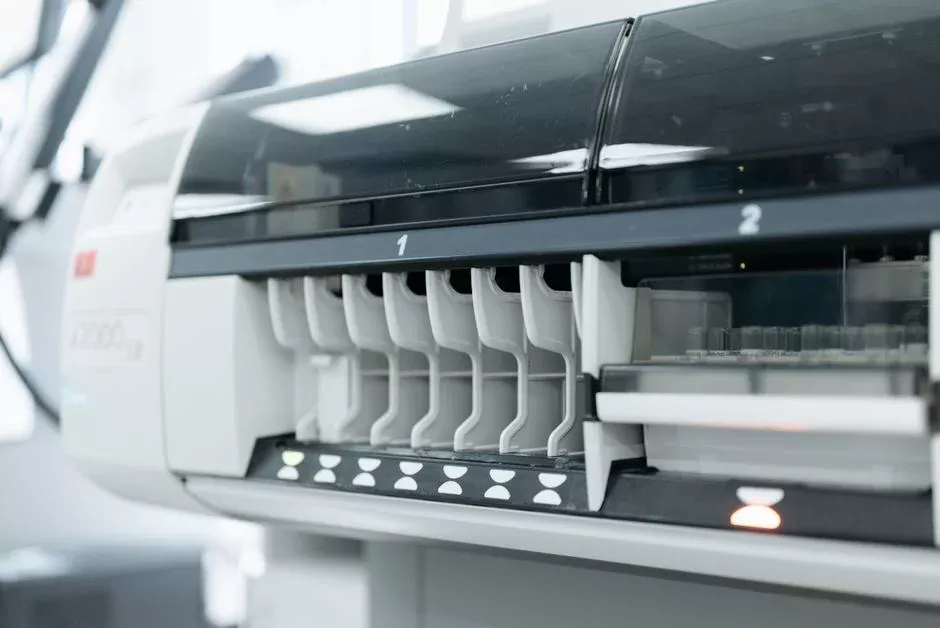
A defensible pretreatment train for a Maple Valley-area discharger is built in seven ordered steps, each justified by a specific water-quality target.
- Flow equalization — smooths batch swings from milling and wash cycles so downstream chemistry stays in band; without it, pH probes and dosing pumps chase the influent and the metals removal collapses (OSTI/ACS EST Engineering 2021).
- pH adjustment to ≥ 8 with lime or NaOH to drive dissolved metal ions into insoluble hydroxide solids that settle and press well; many plants target pH ≥ 8 specifically because dense metal hydroxides form above that band (ChemREADY mining guide).
- Coagulation and flocculation — charge-neutralizing coagulants plus high-molecular-weight flocculants build dense, fast-settling floc from fines that will not settle on their own (ChemREADY mining guide).
- Primary solids separation via DAF or lamella clarifier, with selection driven by floc density, flow rate, and footprint. DAF can be specified as a DAF system for light or oily floc streams.
- Sludge dewatering with a plate-and-frame or high-pressure filter press, sized for the cake solids target the receiving POTW will accept; a plate-and-frame filter press for mine sludge is the common selection for dense, abrasive mine tailings.
- Polishing with multimedia filtration to drop the Silt Density Index ahead of any RO or membrane step, often paired with a multi-media filter for SDI reduction ahead of RO, and disinfection where the receiving POTW or reuse end use requires it.
- Optional advanced separation — SAVMIN, SPARRO, Biogenic sulphide, or DESALX trains integrate two or more separation processes and can recover more than 95% of water plus saleable salts (ScienceDirect Heliyon 2024). Reagent control upstream is handled by PLC-controlled chemical dosing for pH and precipitant control.
DAF vs Lamella Clarifier: Which One Earns the Slot
DAF (dissolved air flotation) uses micro-bubbles to float light, oily, or low-density floc to the surface for skimming, and is the proven choice for metalworking and mining-influenced streams where floc density is low (HydropureWater DAF product description). Lamella clarifiers use inclined plates to settle dense hydroxide floc over a much smaller footprint, with surface loading rates of 20–40 m/h and up to 30% lower chemical consumption than comparable clarifiers (HydropureWater lamella product description). Operators must choose between these technologies based on feed characteristics and physical site constraints. A practical decision heuristic: choose DAF when feed solids are light, oily, or buoyancy-challenged, which is the common case in metal finishing; choose lamella when floc is dense hydroxide from a high-pH precipitation step, which is the typical case in hard-rock mining. Footprint and flow range matter at procurement — standard DAF packages cover 4–300 m³/h across 13 models (HydropureWater DAF product description), while lamella is favored at high surface loading and constrained sites, including options like a lamella clarifier for dense hydroxide floc. For a deeper walk through the trade-offs, the DAF vs clarifier selection guide lays the decision out as a side-by-side matrix.
| Criterion | DAF | Lamella Clarifier |
|---|---|---|
| Floc density handled | Light, oily, low-density | Dense hydroxide floc from high-pH precipitation |
| Surface loading | Lower, limited by bubble rise | 20–40 m/h via inclined plates |
| Chemical consumption | Standard | Up to 30% lower than comparable clarifiers |
| Footprint | Larger rectangular basin | Compact inclined-plate design |
| Typical flow range | 4–300 m³/h (13 standard models) | High-throughput, constrained sites |
| Best fit for Maple Valley | Metal finishing, oily feeds | Hard-rock mining with pH ≥ 8 precipitation |
Sludge Dewatering and the Real Cost of the Cake
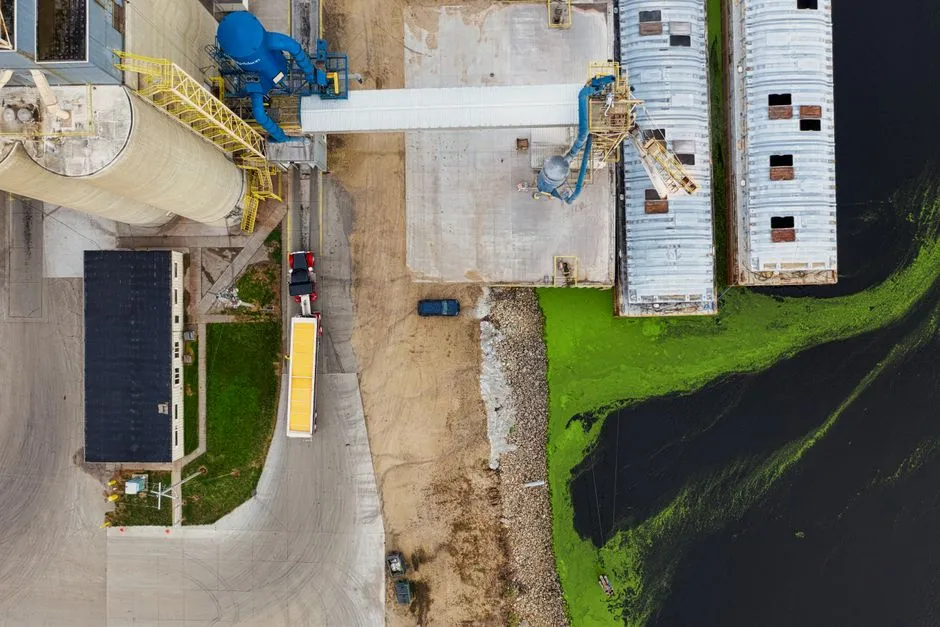
Filter presses are the dewatering workhorse for mining-influenced sludge because the cake is what the POTW or the dry-stack facility actually receives, and reported energy performance is around one-sixth the operating cost of a belt press or centrifuge in vendor comparisons (ChemREADY mining guide). High-pressure builds above 30 bar, automatic cloth washing, and open filtrate design are specified for dense, abrasive mine tailings (ChemREADY mining guide). Belt presses start cheaper but polymer dose and belt replacement drive long-run cost, and cake solids from belt presses often need further dewatering before dry stacking (ChemREADY mining guide). For a buyer weighing the trade-off, the belt filter press troubleshooting field guide documents the failure modes that drive the long-run OPEX gap. Plate-and-frame presses for this duty cover 1–500 m² of filtration area, supporting small batch operations up to continuous high-throughput plants (HydropureWater filter press product description).
Water Reuse, Reagent Recovery, and Closing the Loop
Treated MIW can be reused for process water, dust suppression, and irrigation, with reuse economics improving as fresh water scarcity tightens (OSTI/ACS EST Engineering 2021; ChemREADY mining guide). Advanced commercial trains (SAVMIN, SPARRO, Biogenic sulphide, DESALX) integrate two or more separation processes and can recover more than 95% of water plus saleable salts (ScienceDirect Heliyon 2024). Biogenic sulphide and SAVMIN target sulfate and dissolved-metal polishing that conventional precipitation does not fully remove, while DESALX combines ion exchange and membrane steps for high-recovery desal (ScienceDirect Heliyon 2024). Reagent choice is driven by downstream solids handling: high alkalinity can drive calcium carbonate scale, so alkalinity control belongs in the chemical program (ChemREADY mining guide). For a parallel view of how metal-specific runoff drives these polishing decisions, the zinc runoff mitigation strategies guide walks through zinc as a worked example. The membrane step in any high-recovery train is normally fed by an RO unit downstream of multimedia filtration.
Procurement Checklist: What to Ask the Vendor Before You Sign
Before signing a PO, the buyer should pin the vendor to five things that protect both compliance and OPEX.
- Bench-scale jar test on your water, not a generic curve. The chemistry of MIW is too site-specific to engineer from generic curves, and the jar test is the only honest way to set coagulant and flocculant doses (ChemREADY mining guide).
- Confirm the equipment is rated for the local feed envelope — peak flow, peak TSS, peak total metals, pH range, and chloride/sulfate if a membrane step is planned.
- Demand a one-page ROI model that shows trucking avoided, polymer and lime consumption, sludge cake dry solids, and projected payback (ChemREADY mining guide).
- Verify compliance scope — confirm the supplier's reference plant holds its own 40 CFR Part 440 / local POTW permit and can share effluent data for an analogous feed.
- Plan for the local sewer-use ordinance, which may set tighter limits than the federal categorical standard; confirm with King County or the local authority before procurement (OSTI/ACS EST Engineering 2021).
Frequently Asked Questions
What is a realistic 2026 budget range for a Maple Valley mining/metals pretreatment train?
The supplied research does not quote a specific installed-cost or OPEX figure for a 2026 Maple Valley mining or metals pretreatment train, so any number a vendor gives should be treated as a quote, not a benchmark. Ask each bidder for a one-page ROI model that includes trucking avoided, polymer and lime consumption, sludge cake dry solids, and projected payback (ChemREADY mining guide). Comparing those four line items across two or three vendors is the only defensible way to normalize quotes that otherwise hide different scopes.
How do I evaluate which supplier to buy the train from?
Weight three checks that the research supports. First, ask whether the supplier has a reference plant that holds its own 40 CFR Part 440 or local POTW permit and can share effluent data for an analogous feed. Second, confirm the supplier runs jar tests on your water before sizing — generic curves are not adequate for MIW chemistry (ChemREADY mining guide). Third, confirm delivery, lead time, and on-site commissioning scope in writing, because decentralized mining treatment depends on containerized or pre-assembled skids to keep site work short (Fluence mining guide).
What is the correct pH target for hydroxide precipitation of dissolved metals in MIW?
Many plants aim for pH ≥ 8 before the next step, because raising pH pushes dissolved metals out of solution and the metal ions form dense, insoluble hydroxide solids that settle and press well (ChemREADY mining guide). The exact set point for a given metal mix should come from a bench-scale jar test on the actual feed, since each metal has a different minimum precipitation pH.
When does an advanced train like SAVMIN, DESALX, or Biogenic sulphide beat a conventional precipitation train?
When the discharger needs to recover more than 95% of water and capture saleable salts, or when sulfate and dissolved-metal polishing is required beyond what conventional precipitation can deliver. SAVMIN, SPARRO, Biogenic sulphide, and DESALX integrate two or more separation processes and are proven at commercial scale for high-recovery mining wastewater treatment (ScienceDirect Heliyon 2024). For a lower-risk feed that only needs to meet POTW discharge