Why Paper Mill Effluent Treatment Plants Fail Faster Than Other Industrial ETPs
Paper mill wastewater plant maintenance is a stage-by-stage preventive program covering rotary bar screens, DAF or primary clarifiers, aeration basins or MBR modules, and sludge dewatering presses. The dominant failure modes are fiber blinding, DAF chemistry drift, biological washout, and press cloth fouling — typically controlled through daily KPI checks (SVI, MLSS, F/M, polymer dose), weekly inspections, and scheduled equipment retrofits that, per a 2024 Altum case, can cut annual maintenance cost by roughly two-thirds.
Paper-mill wastewater sits in a narrow band of industrial effluents that punish generic PM intervals. Per the profile published in Pulp and Paper Technology (2024), the stream carries high biochemical oxygen demand, chemical oxygen demand, dissolved solids, color bodies, residual chlorinated compounds from bleaching sequences, and sizing agents from surface sizing operations. That mix is uniquely capable of blinding screens within hours, exhausting DAF polymer demand, stripping biofilm from aeration basins, and glazing press cloths in a single shift. None of those failure modes behave the way they would in a refinery or food plant treating a simpler organic load.
What drives maintenance pain is not absolute pollutant load but the swings around it. Mechanical pulping, chemical pulping, and recycled-fiber lines produce three different effluent signatures, and a single integrated mill often runs all three in the same week. Flow and load excursions of 2–4× are routine during grade changes, shutdowns, and washouts. The treatment plant does not fail because the design was wrong; it fails because the schedule was written for a steady stream and the stream is never steady.
Source control has to be part of any defensible maintenance program. Upstream fiber recovery, counter-current washing, and process-water segregation cut the load reaching the ETP in the first place, so the maintenance team's job is as much about auditing fiber lines and white-water loops as it is about cleaning basins. The rest of this article lays out the stage-by-stage PM program, the KPI thresholds that trigger work orders, and the 2026 equipment-selection framework that turns that program into a budgeted retrofit plan.
Paper Mill Wastewater Treatment Process Flow and What Each Stage Demands of Maintenance
The process flow below is the one operators can pin to the control room. Each stage carries a specific maintenance intensity, and the budget request reads more cleanly when intensity is named per unit operation rather than aggregated as "ETP maintenance."
Primary stage — headworks and primary clarification. Rotary bar screens, grit chambers, and either a primary clarifier or a DAF micro-bubble system handle fiber, grit, and floatable solids. Maintenance intensity is high but predictable: weekly rake and brush discharge inspection, daily skimmer and grease-trap checks, and a quarterly review of screen aperture sizing as the furnish mix changes. The recurring pain is fiber blinding and ragging on the rotary mechanical bar screen, which is why the GX-series self-cleaning brush discharge is a default specification on retrofits.
Secondary stage — biological treatment. Activated-sludge aeration basins, aerated lagoons, or membrane bioreactors carry most of the BOD and COD reduction. Maintenance here is monthly: diffuser fouling, MLSS loss, and bulking events dominate the work-order queue. Real-time monitoring of DO, MLSS, and F/M is now standard in advanced paper-mill WTPs, and the maintenance team should expect to own at least half of the sensor calibration on the floor.
Tertiary stage — polishing. Sand filters, multi-media filters, UF/RO membranes, and UV or chlorination finish the job. Maintenance intensity is lower per shift but spikes during membrane CIP events. UV sleeve cleaning is typically monthly; full membrane CIP runs on a 1–3 month cycle depending on feed quality.
Sludge handling — thickening and dewatering. Gravity thickeners, centrifuges, or a plate-and-frame filter press take biological and primary sludge from 1–3% DS to a handleable cake. The dominant pain is polymer dose drift and press cloth wear, and per Altum Technologies (2024), lamella evaporators can clog within weeks without fouling control — wet sludge becomes uneconomic to handle and transport, which is why press uptime is treated as a revenue issue, not a maintenance one.
Daily, Weekly, and Monthly Maintenance Tasks for a Paper Mill ETP
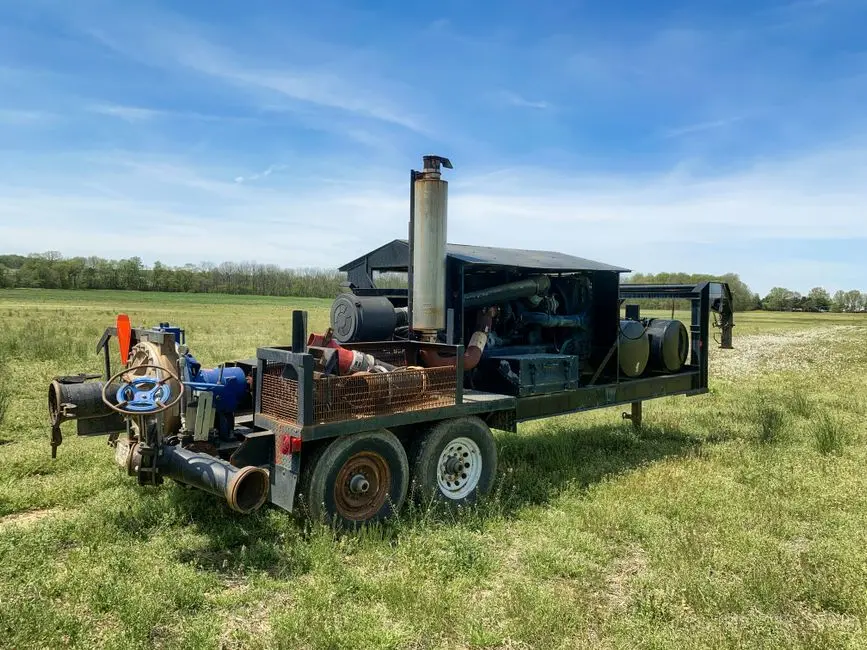
The checklist below is the core deliverable. It is built to be cut and pasted into a CMMS. Frequencies assume a single integrated mill running 24/7 with a dedicated ETP crew; adjust upward for mills that batch-produce and shut the ETP on weekends.
Daily tasks — log influent flow, pH, DO, MLSS, SVI, polymer dose, and DAF air-to-solids ratio on the operator round sheet; inspect screen rake torque, skimmer operation, and grease accumulation; walk the aeration basin for surface foam, pinpoint floc, or rising sludge; check DAF subnatant clarity and float quality; verify polymer make-down concentration and feed pump stroke.
Weekly tasks — calibrate DO and pH probes against buffer solutions; inspect DAF micro-bubble nozzles for fouling and confirm saturator pressure is within ±0.2 bar of setpoint; walk the aeration basin and secondary clarifier for surface scum, foam, and pinpoint floc; check belt-filter or filter-press cloth condition, including seam integrity and blinding patterns; review SCADA trend logs for any probe drift.
Monthly tasks — pull at least one diffuser element per basin and inspect for fouling or scaling; clean the DAF saturator and inspect the recycle pump mechanical seal; run a polymer activity jar test against a fresh lot; perform vibration analysis on thickener and centrifuge drives; inspect aeration blower oil level and bearing temperature; confirm DAF air-to-solids ratio against the design value.
Quarterly tasks — full membrane CIP on UF/RO skids; flow-meter verification against a portable reference; DAF pump rebuilds on the saturated-water and recycle pumps; aeration blower bearing inspection; SCADA tag audit and backup verification. Real-time monitoring is now standard in advanced paper-mill WTPs, so the quarterly review should also reconcile what the SCADA saw versus what the operators recorded.
Annual tasks — basin dewatering and structural inspection of aeration and clarifier walls; gearbox oil analysis on screens, DAF skimmers, and press conveyors; SCADA and PLC firmware review with a documented change log; full audit of the chemical dosing skid including pump calibration and tank integrity.
| Frequency | Unit Operation | Task | KPI or Trigger |
|---|---|---|---|
| Daily | Bar screen / headworks | Inspect rake torque, brush discharge, skimmer | Upstream level differential <100 mm |
| Daily | DAF | Log saturator pressure, recycle ratio, subnatant TSS | TSS removal 80–95% |
| Daily | Aeration basin | Log DO, MLSS, SVI, F/M; walk basin for foam | DO 1.5–2.5 mg/L; SVI 80–150 mL/g |
| Daily | Filter press | Log cycle time, polymer dose, cake thickness | Cake dryness ≥30% DS |
| Weekly | DO / pH probes | Calibrate against buffer | Drift <0.1 pH unit; ±0.2 mg/L DO |
| Weekly | DAF nozzles | Inspect and clean | No visible fouling; bubble size <50 µm |
| Monthly | Diffusers | Pull and inspect; clean or replace | Standard oxygen transfer efficiency within 15% of new |
| Monthly | Polymer | Jar test against fresh lot | Polymer demand drift <10% |
| Quarterly | UF/RO membranes | Full CIP | Permeate flux recovery ≥95% |
| Annual | Basin / civil | Dewater and structural inspection | No visible cracking or corrosion |
KPI Thresholds That Trigger Maintenance Intervention
Vibes-based troubleshooting is the most expensive way to run a paper-mill ETP. The thresholds below are the numeric triggers that should open a work order without waiting for a shift handover argument. Operators should be able to laminate this list and mount it next to the SCADA screen.
Mixed-liquor suspended solids (MLSS) should sit between 2,500 and 4,500 mg/L for conventional activated sludge at typical paper-mill F/M ratios. A drop below 2,000 mg/L within 24 hours means washout — usually a clarifier solids loss or a toxic slug upstream — and a rise above 5,500 mg/L means the wasting rate is wrong or the clarifier is bleeding sludge. Sludge volume index (SVI) should sit between 80 and 150 mL/g. Above 200 mL/g the risk of bulking and clarifier failure is real; below 50 mL/g the floc is pin-sized and the effluent will carry turbidity regardless of what the basin is doing. The F/M ratio target is 0.2–0.5 kg BOD per kg MLSS per day; excursions above 0.6 drive foaming and poor floc formation, and excursions below 0.15 starve the biomass.
DAF performance should hold 80–95% TSS removal on a stable feed. A drop of more than 10% in 24 hours is a saturator, nozzle, or polymer-feed problem — not a hydraulic one. Effluent targets after tertiary polishing are typically COD below 150–250 mg/L and TSS below 30 mg/L to meet most regional discharge rules; the regulated parameters remain BOD, COD, SS, and color. Confirm against the mill's specific permit before quoting the number to a regulator. Sludge press cake should hit at least 30% DS on biological paper-mill sludge; per the dewatering case data published in 2024, a 2–5% improvement in dry-matter content reduces sludge volume and transport cost meaningfully, and per the same source wet sludge dramatically increases storage and transport cost.
| KPI | Target Range | Maintenance Trigger | Likely Root Cause |
|---|---|---|---|
| MLSS | 2,500–4,500 mg/L | <2,000 or >5,500 mg/L | Washout, toxic slug, or wasting error |
| SVI | 80–150 mL/g | >200 mL/g or <50 mL/g | Bulking or pinpoint floc |
| F/M | 0.2–0.5 kg BOD/kg MLSS·d | >0.6 or <0.15 | Foaming, nutrient deficiency, starvation |
| DAF TSS removal | 80–95% | Drop >10% in 24 h | Saturator, nozzle, or polymer issue |
| Effluent COD | <150–250 mg/L (permit-dependent) | Above permit limit | Biological upset or tertiary failure |
| Effluent TSS | <30 mg/L (permit-dependent) | Above permit limit | Clarifier / DAF / filter breakthrough |
| Press cake dryness | ≥30% DS | <28% DS for >3 cycles | Polymer dose, cloth condition, feed solids |
When these triggers fire, escalate in this order: confirm the probe, confirm the sample, then confirm the unit operation. A bad DO probe has cost more mills a basin than a bad blower has.
Common Failure Modes by Equipment Type and How to Diagnose Them
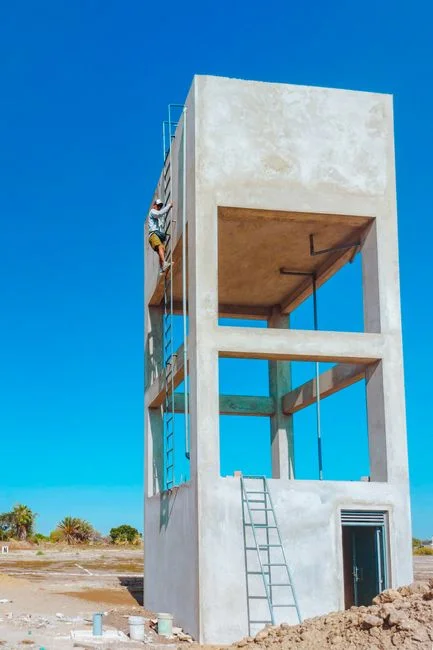
When the plant is upset, the diagnosis is the same regardless of which shift is on. Walk the unit operations in flow order and apply the symptom-to-cause map below.
Bar screen — fiber and plastic ragging blind the aperture and the symptom is a high upstream level. Check rake torque first; if the torque is within design but the level is still climbing, the brush discharge is glazed and the screen needs a manual pull-and-clean. A rotary mechanical bar screen with self-cleaning brush discharge is the retrofit that eliminates the recurring pull-and-clean work order.
DAF — cloudy subnatant and a rising or non-existent sludge blanket point at the saturator, the recycle ratio, or the polymer dose. Verify saturator pressure against design, confirm the recycle ratio is in the 20–50% range typical for paper-mill DAF duty, and run a jar test on the polymer. Per the same 2024 source, a lamella or plate-pack unit can lose capacity within weeks if fouling is not controlled — the same principle applies to the DAF nozzle rack, and a DAF micro-bubble system with accessible nozzle banks is much easier to keep on spec than a packed-plate design with no clean-out access.
Aeration basin — high SVI and persistent foam point at DO profile, F/M, and nutrient balance. Pull a DO profile vertically through the basin; if the bottom is starved, the diffusers are fouled. Chronic bulking that does not respond to chlorination of the return line usually means a selector zone is missing — a lamella clarifier or selector-zone retrofit is often the only durable fix.
MBR — transmembrane pressure (TMP) creep is the early warning. If CIP frequency is increasing, the issue is feed water quality, scour-air integrity, or aeration uniformity around the modules. An MBR membrane bioreactor built around MBR flat-sheet membrane module geometry with integrated aeration scour runs with substantially lower energy than cross-flow hollow-fiber designs, and the flat-sheet format also makes localized cleaning possible without draining the tank.
Filter press — wet cake and long cycle times point at polymer dose, cloth condition, or feed solids. Verify the polymer activity jar test, pull and inspect a cloth panel, and check feed pump pressure. A plate-and-frame filter press sized to the mill's dry-solids load, with a PLC-controlled cycle, removes the operator-judgment component that drives most of the variability.
Paper Mill Wastewater Plant Maintenance Costs and Where to Spend in 2026
Maintenance discipline is easier to defend when it is framed in the language of OPEX. A typical paper-mill ETP OPEX split lands in the following bands: energy 30–40% (dominated by aeration blowers and any membrane recirculation pumps), chemicals 15–25% (polymer, coagulant, pH adjustment, nutrient if applied), sludge handling 15–25% (dewatering, transport, and disposal), and labor and direct maintenance 15–20%. The numbers are a frame of reference and should be reconciled with each mill's chart of accounts before they go into a budget memo.
The published 2024 case data is the strongest single argument for treating maintenance as a capital project rather than a cost center. One ultrasonic fouling-prevention retrofit on an effluent evaporator cut yearly maintenance cost by approximately two-thirds by removing the need for chemical and mechanical cleaning. On the dewatering side, dry-matter content improvements of 2–5% reduced sludge volume and stabilized downstream centrifuge operation, with measurable reductions in vibration and reject-water solids.
The highest-ROI 2026 retrofits, ranked by payback and operational impact:
- DAF saturator and nozzle upgrade — eliminates the saturator rebuild cycle and stabilizes TSS removal at 90%+.
- MBR flat-sheet module replacement — drops aeration energy versus legacy hollow-fiber cross-flow designs and brings CIP intervals back to design.
- PLC-based auto-dosing — a PLC-controlled chemical dosing skid tied to flow and TSS signals removes the operator-judgment loop that drives polymer and coagulant overspend.
Read the DAF energy reduction guide alongside the saturator upgrade to size the blower and recycle pump savings together.
Selecting the Right Equipment for a 2026 Paper Mill ETP Upgrade
The framework below pairs the dominant pain point at the mill with the unit operation that resolves it. The aim is to give procurement a defensible selection rather than a like-for-like replacement.
- If fiber and TSS are the dominant load — a DAF micro-bubble system ahead of the biological stage. DAF is the proven application for pulp and paper, and the micro-bubble format keeps the float layer consistent across load swings.
- If footprint is constrained or the effluent must approach reuse quality — an MBR membrane bioreactor built around MBR flat-sheet membrane module geometry, which pairs high mixed-liquor concentrations with low-fouling operation.
- If primary clarification is the bottleneck — a lamella clarifier with sludge recirculation, which operates at high surface loading and slots into existing civil works.
- If headworks ragging is the recurring pain — upgrade to a rotary mechanical bar screen with self-cleaning brush discharge.
- If dewatering cost dominates OPEX — a plate-and-frame filter press sized 1–500 m² with PLC-controlled cycle; confirm sizing against the sludge dryer installation guide if downstream drying is in scope.
| Pain Point | Recommended Unit Operation | Key Spec | Linked Reference |
|---|---|---|---|
| Fiber / TSS load | DAF micro-bubble | Recycle ratio 20–50%; bubble <50 µm | DAF energy reduction guide |
| Footprint / reuse quality | MBR flat-sheet (DF) | MLSS 8,000–12,000 mg/L; low scour energy | — |
| Clarifier bottleneck | Lamella clarifier | Surface loading 20–40 m/h | — |
| Headworks ragging | Rotary bar screen (GX) | Self-cleaning brush discharge | — |
| Dewatering cost | Plate-and-frame filter press | 1–500 m²; PLC-controlled cycle | sludge dryer installation guide |
| Tertiary polishing | Multi-media filter + UF/RO | Per multi-media filter and UF/RO membrane specs | disc filter retrofit guide |
Frequently Asked Questions
What is the biggest maintenance risk in a paper mill ETP?
Fiber blinding at the headworks and biological bulking in the aeration basin are the two failure modes that account for the majority of unplanned downtime. Per the 2024 operator literature, both can be controlled by a daily KPI log covering MLSS, SVI, F/M, and DAF saturator pressure, paired with weekly inspections of diffusers and nozzles.
How often should a paper mill ETP run a full membrane CIP?
A UF or RO membrane skid polishing a paper-mill secondary effluent should run a full clean-in-place on a 1–3 month cycle, with the interval shortened whenever transmembrane pressure creeps more than 10% above baseline. Daily permeate flux logging is the trigger; waiting for visible fouling is the most expensive way to manage membrane life.
What cake dryness should a paper-mill filter press target?
Target at least 30% dry solids on biological paper-mill sludge, with a 32–35% band on a well-tuned press. Per the 2024 dewatering case data, a 2–5% improvement in dry-matter content reduces sludge volume, transport cost, and downstream dryer load meaningfully, and is one of the few OPEX levers that pays back inside a fiscal year.
Is MBR worth the energy cost over conventional activated sludge?
For mills constrained on footprint or pushing toward water reuse, an MBR with flat-sheet PVDF modules and integrated aeration scour runs at substantially lower energy than cross-flow hollow-fiber designs, and eliminates the secondary clarifier. The tradeoff is capital cost and CIP discipline; the operational win is a stable, high-MLSS biomass that produces reuse-quality effluent on a small footprint.