
Why Food Plant Wastewater Maintenance Is a Compliance Problem, Not a Design Problem
Most food plant treatment systems are overbuilt for the load they receive. The permit limit is the harder constraint. Raw food processing effluent carries 2,000–8,000 mg/L BOD, while typical discharge permits set final limits at 20–50 mg/L BOD and 100–250 mg/L COD (OxMaint, 2025) — a 95–99% reduction that no single piece of equipment holds without disciplined maintenance. Treatment trains combine physical screening, dissolved air flotation, biological oxidation, anaerobic digestion, sludge dewatering, and final effluent monitoring; a failure at any stage cascades into the next, and a single missed BOD excursion can trigger regulatory notices or consent revocation under the US Clean Water Act / NPDES, UK Environment Agency discharge consents, Germany's Abwasserabgabengesetz and Abwasserverordnung, UAE national water quality programmes, and Canadian provincial rules (OxMaint, 2025).
The cost frame is now well established. Emergency repairs on DAF rebuilds, blower replacements, and centrifuge overhauls run 3–5× the cost of planned interventions. Aeration accounts for 50–70% of total plant energy, and well-maintained diffusers and DO instrumentation cut that bill by 15–25% annually. Structured programs extend DAF, centrifuge, belt press, blower, and UASB service life by 20–35%, deferring capital replacement (OxMaint, 2025). The regulators who audit these plants already have visibility into the numbers — a maintenance program that cannot defend its own records is a permit risk before the first sample is pulled.
Influent Screening and Equalization: Stopping Solids and pH Swings at the Gate
Meat, poultry, and ready-meal operations produce screenings of bone fragments, packaging debris, vegetable matter, and fibrous solids that accumulate within a single production shift. Rotary drum screens need daily panel inspection, automated backwash calibration, and weekly drive-motor checks to keep that load from passing downstream and fouling DAF and biological stages (OxMaint, 2025). The 2026 headworks bar screen specifications guide covers sizing and overload protection in more detail, but the operating principle is the same: headworks is the cheapest place to remove a kilogram of solids, and the most expensive place to let one through.
Equalization tanks exist to absorb the second headworks problem — pH shock. Caustic CIP chemistry drives pH above 12, while fermentation and acidic product streams push pH below 4 within the same shift (OxMaint, 2025). Calendar-based PM intervals miss this; CMMS-triggered routines tied to production events do not. Grease traps serving fry lines must be pumped on production-volume triggers, not fixed dates — under-scheduling lets FOG carry over into biological treatment where it suppresses microbial activity and inflates effluent TSS (OxMaint, 2025). A purpose-built screening unit such as the GX series rotary mechanical bar screen handles continuous-duty fine screening with dual overload protection so a single upstream failure does not propagate into the rest of the train.
| Asset | Daily Task | Weekly Task | Trigger-Based Task | Failure Mode Prevented |
|---|---|---|---|---|
| Rotary drum screen | Panel inspection, backwash calibration | Drive motor check, bearing temperature | Fouling alert from AI vision | Solids carryover to DAF |
| Equalization tank | pH/conductivity log, mixer run-time | Sensor calibration check | CIP discharge event flag | Biomass pH shock downstream |
| Grease trap / interceptor | Layer depth visual | Sample pump-out volume | Production volume threshold | FOG carryover to aeration |
Dissolved Air Flotation (DAF) Maintenance: The Highest-Maintenance Asset in the Train
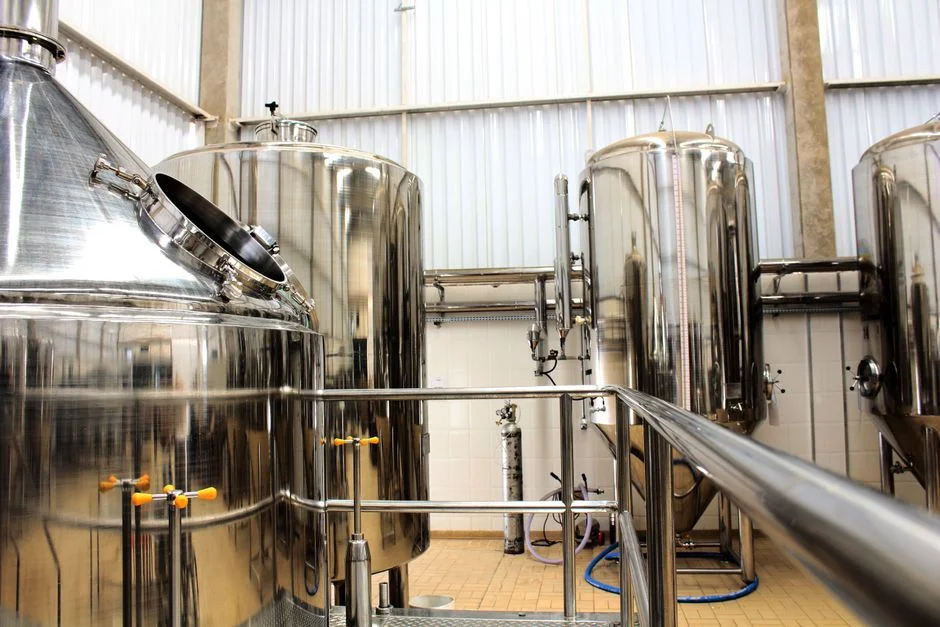
DAF units are the workhorse of food plant primary treatment, but they fail in ways that propagate directly into permit exceedances. A DAF operating with worn skimmer blades or miscalibrated coagulant dosing will pass elevated BOD and TSS into the biological stage, where recovery can take weeks (OxMaint, 2025). Daily checks must cover float blanket quality, chemical dosing pump calibration, dissolved-air pressure verification, and effluent clarity. Weekly tasks address recycle pump performance, air release valves, and skimmer blades. Quarterly work covers tank internal inspection, recycle pipe descaling, and a full dosing system audit (OxMaint, 2025).
Two field-level checks decide most DAF outcomes. First, weir levelness verified with a spirit level — misaligned weirs create dead zones where FOG bypasses the skimmer and elevates effluent TSS. Second, float blanket quality — thin, watery float or dense sinking sludge indicates dosing failure that increases effluent TSS and degrades biological feed quality (OxMaint, 2025). A purpose-built HydropureWater dissolved air flotation system covers flows from 4–300 m³/h and is proven in food processing primary treatment, but even the best mechanical package needs the PM schedule behind it.
| Frequency | Task | Measured Parameter | Permit Risk if Skipped |
|---|---|---|---|
| Daily | Float blanket, dosing pump, saturator pressure, effluent clarity | Saturator 4–6 bar, TSS < target subnatant | Elevated BOD/TSS to aeration |
| Weekly | Recycle pump performance, air release valves, skimmer blades | Recycle rate 20–50%, skimmer contact | FOG carryover, scum escape |
| Quarterly | Tank internal inspection, recycle pipe descaling, dosing audit | Wall scaling, pipe ΔP, dose vs jar test | Sustained TSS excursion |
Biological Treatment: Activated Sludge, SBR and MBR Maintenance Schedules
Biological treatment is the core of BOD and nutrient removal and the subsystem most vulnerable to upset — aeration failures in food plant wastewater can produce complete biomass washout within 24–48 hours (OxMaint, 2025). The maintenance program has to defend against three failure modes at once: diffuser fouling, low DO, and CIP chemical shock. MLSS and MLVSS should be measured three times weekly, with food-to-microorganism ratio calculated against current BOD loading so operators can see stress before the biomass does. Aeration diffuser fouling reduces oxygen transfer efficiency and inflates energy consumption, requiring quarterly pull-and-inspect cycles in high-fat environments (OxMaint, 2025). Low dissolved oxygen is the leading cause of filamentous bulking and rising sludge volume index in food plant systems.
CIP chemical shocks can suppress or kill activated sludge biomass and take weeks to recover from — during which the plant is in continuous non-compliance (OxMaint, 2025). The control is operational, not mechanical: schedule CIP discharges so they do not coincide with peak biological loading, and watch MLSS trends for early warning. Secondary clarifiers need weekly biofilm, algae, and grease removal from effluent weirs and scum baffles, with weir levelness verified to keep floating material from escaping with the effluent (OxMaint, 2025). For tighter footprints, the HydropureWater MBR membrane bioreactor system integrates activated sludge with submerged PVDF membrane filtration at <1 μm and cuts footprint by roughly 60% versus conventional trains, though it shifts the maintenance burden toward membrane integrity and air-scour routines.
| Parameter | Target / Range | Measurement Frequency | Response Trigger |
|---|---|---|---|
| MLSS | 2,500–4,500 mg/L (conventional) | 3× weekly | ±20% shift |
| DO (aeration tank) | 1.5–2.5 mg/L | Continuous | <1.0 mg/L >30 min |
| F:M ratio | 0.05–0.20 (food plant typical) | Weekly | >0.25 |
| SVI | 80–150 mL/g | Weekly | >200 mL/g |
| Diffuser ΔP | Baseline ± 10% | Quarterly pull-and-inspect | >15% rise |
Anaerobic Treatment and Sludge Dewatering Maintenance
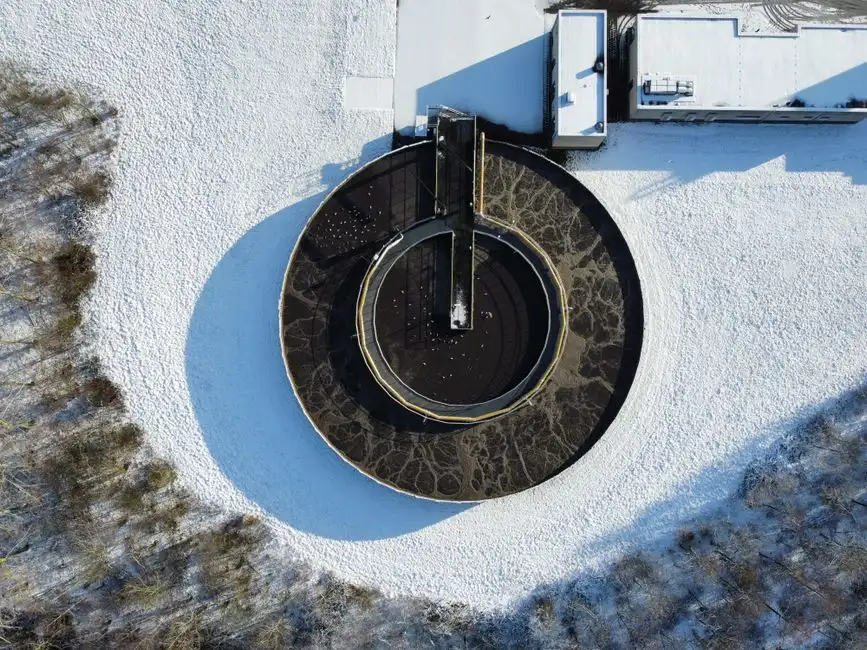
Breweries, dairies, sugar processors, and vegetable lines increasingly run UASB reactors, anaerobic lagoons, or covered ponds as a primary BOD reduction stage — delivering 60–80% COD removal while generating usable biogas (OxMaint, 2025). The maintenance program protects two failure modes: pH excursion and organic overload. Anaerobic biomass needs pH 6.8–7.4, stable alkalinity, and organic loading within design limits. When an anaerobic system underperforms, the aerobic stage receives a BOD load beyond its design capacity, and effluent failures can persist for weeks (OxMaint, 2025). Biogas collection systems need regular leak testing, pressure relief valve inspection, and flare integrity checks — a missed flare test is both a safety and an emissions-reporting failure.
Sludge dewatering is the most operationally intensive subsystem in a food plant wastewater facility. Belt presses need daily belt washing checks, weekly tension and tracking adjustment, and scheduled doctor-blade replacement. Centrifuges need bowl wear monitoring, vibration analysis for imbalance, and bearing replacement aligned to operating hours (OxMaint, 2025). One detail that separates compliant plants from non-compliant ones: dairy, poultry, and bakery sludge dewaters differently, so jar tests should be run on production-mix changes and polymer dosing reset accordingly rather than left at historical setpoints (OxMaint, 2025). For plants scaling dewatering capacity or replacing aging units, the engineering trade-offs across belt press, centrifuge, screw press, and plate and frame filter press options are covered in the 2026 industrial sludge dewatering comparison. Plate and frame units cover 1–500 m² with manual through PLC-controlled operation. Major capacity decisions like Purina's €50M Portogruaro wastewater investment show how regulatory pressure and growth are pushing food plants toward fully instrumented dewatering lines.
CIP Chemical Control, Online Analysers and the 2026 AI Layer
CIP scheduling is the single biggest controllable variable in food plant wastewater compliance. Caustic and acid CIP streams can drive equalization pH above 12 and below 4 within the same shift, and the recovery time on a shocked activated sludge population runs into weeks (OxMaint, 2025). The engineering response is to schedule CIP discharges away from peak biological loading, watch MLSS for stress signals, and integrate analyser calibration into CMMS PM schedules with mandatory verification against grab-sample laboratory results — fouled or miscalibrated online sensors are a leading cause of missed non-compliance events (OxMaint, 2025). Discharge compliance runs across BOD, COD, TSS, ammonia-N, total phosphorus, temperature, and pH, with sampling frequencies set by permit (OxMaint, 2025).
The 2026 research direction is no longer optional reading. The September 2026 Journal of Food Science systematic review on hybrid intelligence for fouling prediction and adaptive CIP shows that explainable AI plus digital-twin-driven adaptive CIP cuts water, chemical, and energy use while preserving hygienic performance (Madhu et al., J Food Sci 91(9):e71435, 2026-09). AI vision is already in operation: overhead cameras on DAF float, diffuser bubble-pattern diagnostics, screen panel fouling, and dewatered cake uniformity are deployed in UK and Germany smart-water programmes (OxMaint, 2025). The same logic applies to disinfection — a chlorine dioxide generator needs lamp/chemical dosing PM matched to permit requirements, and parallel UV stages need their own intensity and sleeve-cleaning routines. Regional specifics for plants operating under tightening UAE programmes are mapped in the UAE 2026 industrial wastewater compliance guide.
Maintenance Frequency, Failure Cost and 2026 Compliance Evidence
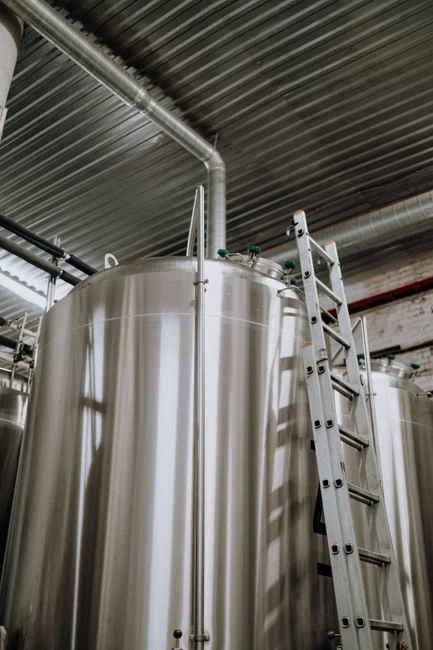
One decision table should drive the program. Each treatment stage is mapped to its daily, weekly, and quarterly PM tasks, the failure mode each task prevents, and the permit parameter that fails if the task is skipped. The same table carries the cost case: emergency repairs run 3–5× the cost of planned work, well-maintained aeration cuts energy 15–25%, and structured programs extend service life 20–35% (OxMaint, 2025). The highest-criticality assets — DAF units, aeration blowers, centrifuges, and final effluent monitoring instrumentation — get the highest-frequency PM and standby redundancy wherever capital allows, because their failure causes immediate permit exceedance (OxMaint, 2025).
Compliance evidence is shifting from paper to structured digital records. US NPDES Discharge Monitoring Reports and biosolids manifests, UK Environment Agency consent records, Germany Abwasserverordnung monitoring logs, UAE national water quality reports, and Canadian provincial standards all increasingly require timestamped digital documentation that links maintenance events, calibration certificates, and lab results (OxMaint, 2025). The 2026 J Food Sci review on hybrid intelligence makes the trajectory explicit: future programs need data schemas that can absorb fouling prediction, condition-based CIP, and explainable decision support without rework (Madhu et al., 2026-09). A monthly cross-functional review — environmental, maintenance, and production — keeps the schedule honest against actual asset condition trends rather than last year's calendar.
| Treatment Stage | Daily / Weekly / Quarterly PM Anchor | Failure Mode Prevented | Permit Parameter at Risk | Cost / Benefit Lever |
|---|---|---|---|---|
| Screening & EQ | Daily panel; weekly drive; trigger-based CIP | Solids & pH shock carryover | TSS, pH | Avoids downstream cascade |
| DAF | Daily float/dose; weekly skimmer; quarterly tank audit | Worn blades, dose drift | BOD, TSS, FOG | 3–5× emergency cost avoided |
| Biological (AS/SBR/MBR) | 3× weekly MLSS; continuous DO; quarterly diffuser pull | Biomass washout, bulking | BOD, COD, ammonia-N | 15–25% aeration energy |
| Anaerobic (UASB) | Daily pH/OLR; monthly biogas leak test | pH crash, flare failure | COD, biogas safety | 60–80% COD removal protected |
| Dewatering | Daily belt wash; weekly tension; quarterly vibration | Cake quality, bearing failure | Sludge volume, manifests | 20–35% life extension |
| Online sensors & CIP | Calibration vs lab; CIP schedule gate | Sensor drift, CIP shock | All discharge parameters | Audit-ready digital evidence |
Frequently Asked Questions
What belongs on a daily DAF checklist in a food plant?
Float blanket quality, chemical dosing pump calibration, dissolved-air pressure verification, and subnatant effluent clarity — all logged against a TSS target. Worn skimmer blades or miscalibrated coagulant dosing will pass elevated BOD and TSS into the biological stage, so the daily check is the cheapest insurance in the train (OxMaint, 2025).
How do you handle a CIP chemical shock to activated sludge?
Prevent the coincidence first: schedule CIP discharges so high-strength caustic and acid releases do not land on peak biological loading, and use equalization to absorb pH swings. Once shock occurs, MLSS will drop and recovery runs into weeks, so the response is to stabilize pH, restore DO, and reduce organic loading until the biomass rebuilds (OxMaint, 2025).
How often should aeration diffusers be inspected?
Quarterly pull-and-inspect in high-fat food plant environments. Diffuser fouling reduces oxygen transfer efficiency, inflates energy consumption, and drives low-DO bulking — and aeration represents 50–70% of total treatment plant energy use, so this PM has both compliance and financial payback (OxMaint, 2025).
How should online BOD/COD sensors be calibrated against lab results?
Integrate analyser calibration into CMMS PM schedules with mandatory verification against grab-sample laboratory results. Fouled or miscalibrated online sensors are a leading cause of missed non-compliance events, so routine cross-check — not annual swap — is the operational standard (OxMaint, 2025).
What maintenance records do regulators require in 2026?
Discharge monitoring reports, effluent analytical results with chain of custody, flow meter calibration records, composite sampler logs, toxicity test results, biosolids disposal manifests, pH and chemical dosing logs, and all corrective maintenance work orders tied to treatment equipment. Regulators across the US, UK, Canada, Germany, and UAE are moving toward digital compliance evidence requirements — structured, timestamped CMMS records are now the baseline, not paper files (OxMaint, 2025).