Why Sydney's 2026 Process Wastewater Decisions Are Different
Sydney semiconductor and data-hall facilities in 2026 should segregate process wastewater into four streams — CMP slurry, fluoride/HF spent etch, IPA/NMP solvent, and cooling-tower blowdown — treat each under the POEO Act 1997 with a Sydney Water Trade Waste Agreement, and design cooling blowdown for RO reuse (up to 95% recovery) rather than sewer discharge. With Sydney Water estimating data-centre demand could reach 15–20% of supply by 2035, against a 1.9% sector self-estimate for 2030, reuse at scale is now a permit-shaping decision, not just a cost one (per WSAA Dec 2025).
The 15–20% versus 1.9% gap is the planning signal regulators are working to. Sydney Water is already fielding servicing enquiries for single data-hall sites of 5–40 ML/day (average day demand), which is roughly 20× the largest current single customer and equivalent to 70,000–80,000 households (per WSAA Dec 2025). When a single site can request that much water, trade-waste consent negotiations start at feasibility, not at commissioning, and the design basis has to be defensible to a regulator that has not yet seen the final facility.
The Western Sydney Aerotropolis adds a second layer. Australia's first commercial advanced packaging facility — the AMRF Bradfield Semiconductor Advanced Packaging Facility — is in construction now and will be available from 2028, operating a split-fab BEOL model with capabilities starting at flip-chip and progressing to fan-out WLP, 2.5D and 3D packaging (per amrf.sydney). It sits in the AMRF Precinct adjacent to Western Sydney 24/7 International Airport. A 2026 design review in that catchment must already handle the wastewater profile of a flip-chip-through-3D packaging line, not just a back-end test house. The portable numbers from the Brisbane four-stream blueprint still hold — but the regulatory envelope, the demand forecast, and the recycled-water opportunity have all shifted.
The Two Regulatory Interfaces Every 2026 Sydney Design Must Clear
The headline statute is the Protection of the Environment Operations Act 1997 (POEO Act) read with the Protection of the Environment Operations (General) Regulation 2022. Environmental protection licences (EPLs) are issued by the NSW Environment Protection Authority (EPA) for scheduled activities, including scheduled waste activities and any industrial wastewater discharge that exceeds the thresholds defined in the General Regulation. For a fab or a hyperscale data hall, the relevant scheduled-activity trigger is the volume and contamination profile of the discharge — not the building classification.
The second interface is operational: a Sydney Water Trade Waste Agreement issued under the Sydney Water Customer Charter. This is where the numerical discharge limits actually live — fluoride, heavy metals, temperature, pH, flow, COD, TSS, total nitrogen, oil & grease — set against the sewer point, not the receiving environment. A typical Sydney Water fluoride envelope at discharge is ≤10 mg/L, and the trade-waste schedule for cooling-tower blowdown will separately list conductivity, hardness, silica and temperature limits tied to the catchment's sewer capacity. Parameter ranges from the Brisbane four-stream scheme are portable into the engineering basis; the final numbers come from the issued consent.
Two NSW-specific triggers should not be missed. First, a discharge above Sydney Water's acceptance limits, or a discharge volume above the trade-waste threshold, simultaneously engages the POEO Act and requires an EPL variation from NSW EPA in parallel with the Sydney Water agreement — both must close before commissioning. Second, the WSAA Dec 2025 priority #1 puts early engagement with the water utility at feasibility, before land, power and anchor tenants are locked in, as the single highest-leverage action a proponent can take. Engineers writing a 2026 basis-of-design should build Sydney Water pre-lodgement meetings into the project schedule at the 30% design review, not at 90%.
Segregate First, Treat Second: The Four-Stream Scheme for Sydney Fabs and Data Halls
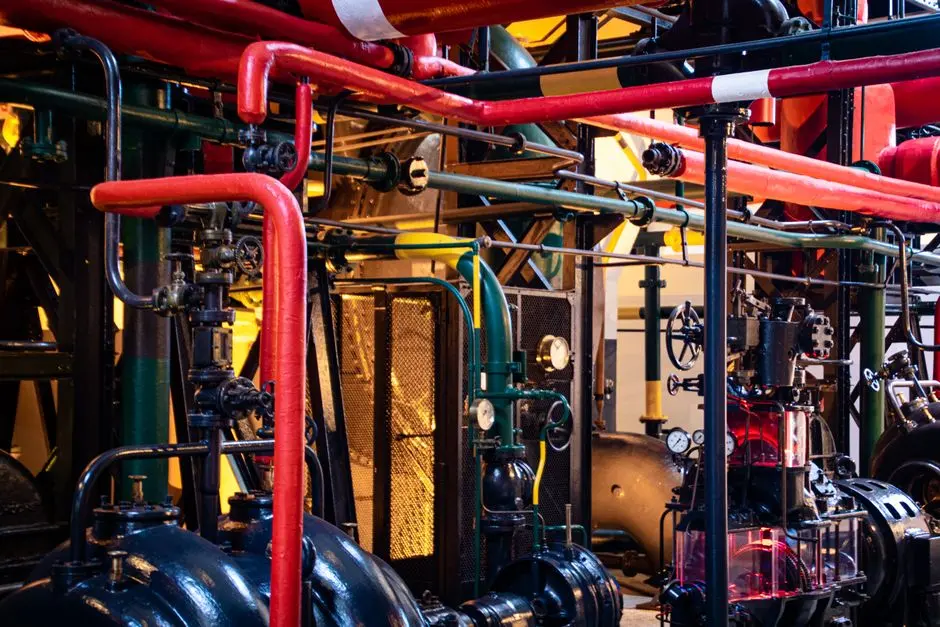
Source segregation is the single most cost-defining decision in a 2026 Sydney wastewater train. Mixed-stream treatment forces over-engineered precipitation, oversized biological reactors and membrane fouling that no pretreatment can fully recover. Four streams carry the load, and each must stay isolated from the pipe-rack stage through to discharge.
| Stream | Source | Typical feed | Headline treatment | Endpoint |
|---|---|---|---|---|
| 1 — CMP slurry | Polish residue | Colloidal silica/ceria, TSS 200–1,000 mg/L, pH 8–11 | Lamella clarify → 0.03 μm PVDF UF | RO polish or non-process rinse reuse; UF backwash to filter press |
| 2 — HF/fluoride spent etch | Wet bench | F⁻ 100–5,000 mg/L, low pH, HNO₃/H₂SO₄ co-contamination | CaCl₂ precipitation → lamella → MMF → RO | <10 mg/L F⁻ to sewer; CaF₂ sludge to filter press at 25–35% DS |
| 3 — IPA/NMP solvent rinse | Photoresist / stripping | COD 5,000–20,000 mg/L, volatile | DAF → equalise → MBR → UV/ClO₂ | Trade-waste discharge or tool-rinse reuse |
| 4 — Cooling-tower blowdown | Hyperscale data hall | Conductivity 2,500–4,500 μS/cm at 4–6 cycles, SiO₂ 80–150 mg/L, hardness 400–800 mg/L as CaCO₃ | Lime softening → MMF → RO (95% recovery) → UV 40 mJ/cm² | Cooling-tower make-up reuse; ~7–8 m³/day brine for 150 m³/day feed |
For Stream 1 (CMP), lamella clarification followed by a 0.03 μm PVDF ultrafiltration system accepts feed turbidity up to 300 NTU and produces a particulate-free bleed. For Stream 2, the fluoride line feeds a high-efficiency lamella clarifier after CaCl₂ precipitation, then multi-media filtration and RO polish. For Stream 3, a dissolved air flotation unit (4–300 m³/h range) skims floatable solvent ahead of a dedicated MBR membrane bioreactor system with its own mixed-liquor community. Stream 4 (cooling-tower blowdown) is engineered for cooling-tower make-up reuse — softening, multi-media filtration, RO and UV — not for sewer discharge, because the volumes from a 1–2 MW IT-load data hall (80–150 m³/day) are too large to discharge economically and too small to require thermal ZLD at 2026 Sydney tariffs. NMP in the solvent stream and PFAS in CMP slurries are the two emerging parameters to segregate now, because retrofitting segregation after construction costs several multiples of building it in at the pipe-rack stage.
Per-Stream Treatment Trains and the Numbers a 2026 Design Review Expects
The portable numbers from the Brisbane four-stream scheme — CaCl₂ 1.5–2.0× stoichiometric, UF at 50–80 LMH, RO at 95% recovery, UV at 40 mJ/cm² — all hold in Sydney. What changes is the regulatory envelope around them and the size of the consent dataset you have to defend.
| Train | Unit operation | Design parameter | Target / endpoint |
|---|---|---|---|
| CMP | Equalisation (24–48 h) | pH trim 9.5–10.5 via PLC-controlled chemical dosing skid | Stable feed to clarifier |
| CMP | Lamella clarifier | 20–40 m/h surface loading; ~30% lower coagulant demand vs. conventional | TSS reduction ahead of UF |
| CMP | 0.03 μm PVDF UF | 50–80 LMH flux | Particulate-free bleed to RO or non-process reuse |
| CMP | Sludge dewatering | Plate-and-frame filter press | UF backwash to off-site disposal |
| Fluoride | Agitated reactor | CaCl₂ at 1.5–2.0× stoichiometric F⁻, 30–60 min residence | CaF₂ precipitation |
| Fluoride | Lamella + multi-media filter | SDI <3 | RO feed protection |
| Fluoride | Industrial RO system with up to 95% recovery | 75–85% recovery on F⁻ feed (avoids CaF₂ scaling) | <10 mg/L F⁻ to sewer or UPW reclaim |
| Fluoride | Brine recycle + filter press | RO brine back to reactor; sludge to 25–35% DS | Off-site CaF₂ disposal |
| Solvent | DAF | Floatables removal | Protected MBR feed |
| Solvent | MBR | MLSS 8,000–12,000 mg/L; ~60% smaller footprint than CAS at this load; effluent <1 NTU | UV/ClO₂ polish ahead of discharge or reuse |
| Blowdown | Lime softening | Ca²⁺ <50 mg/L as CaCO₃ | Hardness removal |
| Blowdown | MMF + RO | 95% primary recovery; 5% reject to side-stream RO at 50% recovery | ~7–8 m³/day brine from 150 m³/day feed |
| Blowdown | UV steriliser rated at 40 mJ/cm² | Cryptosporidium- and giardia-effective; no bromate risk | Cooling-tower make-up |
| UPW reclaim (optional) | EDI stack replacing mixed-bed ion exchange | 75–90% rinse-water recovery | Removes acid/caustic regen loop |
For cross-checking the RO numbers — recovery, flux, feed SDI, rejection — against a 2026 design criteria reference, the RO design criteria 2026 reference is the right companion document. For a parallel hyperscale cooling-blowdown context, the data-hall cooling blowdown treatment reference walks through the same train on a different tariff and water-stress profile.
Reuse or Discharge: When RO+EDI Wins and When ZLD Is the Only Answer
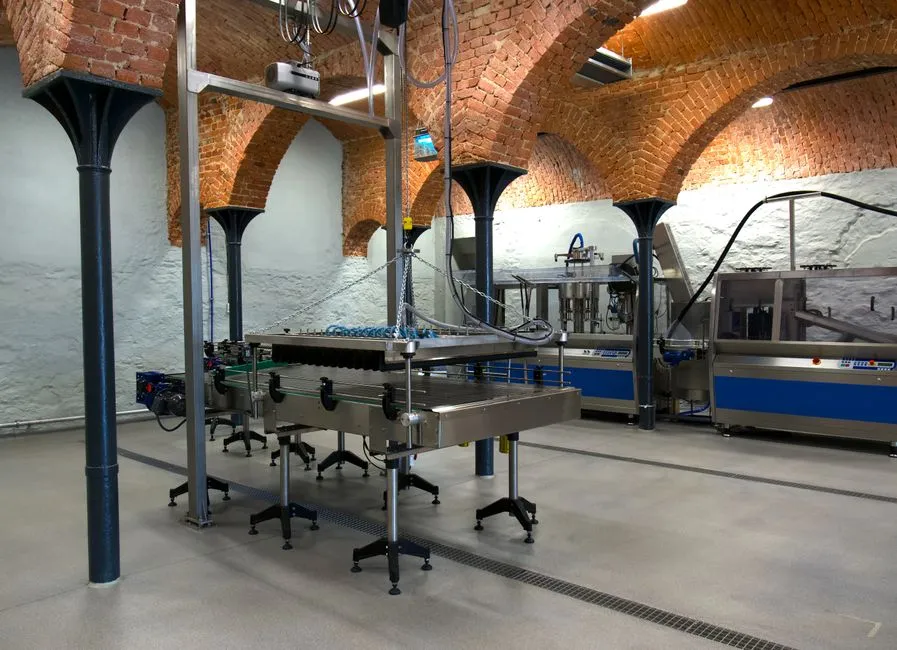
RO + EDI typically recovers 75–90% of fab rinse water and replaces mixed-bed ion exchange, which removes the acid/caustic regeneration loop — increasingly important where Sydney Water is tightening trade-waste acceptance of regeneration waste. For cooling-tower blowdown, an industrial RO system with up to 95% recovery compresses 150 m³/day of blowdown to 7–8 m³/day of brine. At 2026 Sydney tariff conditions, that 5% reject is usually below the threshold where a thermal ZLD step pays back.
ZLD — a crystalliser or brine concentrator plus thermal evaporator, with solid salt sent off-site — is the right answer only when sewer discharge is barred or brine disposal cost exceeds the thermal step's operating cost. For most 2026 Sydney contexts, partial UPW reclaim via RO + EDI is the economic optimum, with the cooling-tower make-up reuse closing the loop on the largest single water consumer on site. The Brisbane guide's tariff proxy — SEQ industrial potable water in the AUD 2.50–4.00/kL band once bulk and recycled-water access charges are included (per Queensland Urban Utilities 2025-26) — is a published reference, not a Sydney number; Sydney Water's published industrial tariffs should be substituted in the final ROI calculation, but the order of magnitude holds: reuse above ~50 m³/day returns RO+EDI capex in 3–5 years on water-cost avoidance alone; a small hyperscale data hall at 1–2 MW IT load typically produces 80–150 m³/day of blowdown, squarely in the reuse-pays zone.
WSAA Dec 2025 records that Australian data centres can achieve WUE as low as 0.01 L/kWh. A recycled-water design is the way to stay there as the grid tightens — and as the WUE/PUE disclosure framework flagged in WSAA priority #3 becomes standard on the operator's annual transparency report.
The 2026–2028 Watchlist: PFAS, NMP and Western Sydney Recycled Water
Three things will reshape consent assumptions inside the design life of a 2026 facility, and the engineering basis needs to acknowledge them now rather than retrofit later. First, PFAS in CMP slurries and certain etchant surfactants — NSW EPA is tracking EU and US EPA frameworks; design for source segregation and carbon or ion-exchange polish even where no hard NSW limit yet exists. Second, NMP in the solvent stream — track the same way; the cost of retrofitting segregation after construction is several multiples of building it in at the pipe-rack stage.
Third, Western Sydney Aerotropolis / AMRF Precinct recycled-water access. WSAA Dec 2025 priority #4 states that utilities will prioritise recycled water where feasible; the engineer should ask Sydney Water at feasibility whether a recycled-water main can serve the cooling-tower make-up, because that single decision resets the cost of the blowdown train. The portable four-stream logic from the Brisbane semiconductor and data-hall engineering guide still anchors the segregation scheme — but in Western Sydney, recycled-water access is the variable that decides whether the blowdown train discharges to sewer or closes the loop on site.
WSAA Dec 2025 priority #3 also flags that minimum WUE/PUE standards are being considered for new Australian facilities. Design documentation should already record WUE and PUE for the operator's annual transparency report, because the consent variation conversation in 2028 will start with whatever the operator has been publishing.
Frequently Asked Questions
What is the headline statute governing a 2026 Sydney semiconductor or data-hall wastewater discharge?
The Protection of the Environment Operations Act 1997 (POEO Act) read with the Protection of the Environment Operations (General) Regulation 2022, with environmental protection licences issued by the NSW EPA for scheduled activities. A Sydney Water Trade Waste Agreement covers the operational sewer discharge consent in parallel.
How should process wastewater be segregated in a Sydney fab or data-hall design?
Four streams: CMP slurry, HF/fluoride spent etch, IPA/NMP solvent, and cooling-tower blowdown. Each train runs from source segregation through its own treatment chain — lamella + UF for CMP, CaCl₂ precipitation + RO for fluoride, DAF + MBR for solvent, and softening + RO + UV for blowdown — with a common discharge header.
What fluoride limit applies at the sewer point?
Sydney Water trade-waste consents typically set ≤10 mg/L F⁻ at the point of discharge. The CaCl₂ precipitation train (1.5–2.0× stoichiometric, lamella, multi-media filtration, RO at 75–85% recovery on the F⁻ feed) reliably achieves this on feeds up to 5,000 mg/L F⁻.
What RO recovery should a 2026 cooling-tower blowdown train target?
95% recovery on the primary RO, with the 5% reject sent to a side-stream RO at 50% recovery. A 150 m³/day blowdown stream compresses to roughly 7–8 m³/day of final brine, which is usually below the threshold where thermal ZLD pays back under 2026 Sydney tariff conditions.
When does thermal ZLD become the right answer?
Only when sewer discharge is barred or brine disposal cost exceeds the thermal step's operating cost. For a 2026 Sydney hyperscale data hall at 1–2 MW IT load (80–150 m³/day of blowdown), partial UPW reclaim via RO + EDI is the economic optimum and the ZLD capex is not justified.
Why is WSAA's 15–20% Sydney 2035 demand forecast shaping 2026 design reviews?
Sydney Water is fielding servicing enquiries for single sites of 5–40 ML/day, roughly 20× the largest current single customer. That scale makes reuse a permit-shaping decision now, not just a cost decision — which is why a recycled-water design and RO + EDI blowdown reuse belong in the 30% design review, not the 90% one.