Why Manila Hotels Are Switching to Packaged MBR STPs
Hotel wastewater in Metro Manila is unusually demanding: kitchens discharge fats, oils, and grease (FOG) at concentrations that routinely push influent BOD above 400 mg/L, laundry streams add surfactant surges, and tropical mixed-liquor temperatures of 28–32 °C accelerate biological kinetics by 30–40% relative to temperate designs (standard activated-sludge rule of thumb, Arrhenius-adjusted). Service yards in Makati, BGC, and Quezon City typically allow only 40–80 m² for a 200-key property, which rules out conventional activated sludge and pushes designers toward packaged membrane bioreactors (MBRs). A submerged MBR combines the biological reactor and the solids separation step in a single tank, so footprint drops by roughly 50–60% versus an activated-sludge plant with a secondary clarifier (per Imemflo's hotel duty sheet).
Two Philippine reference points anchor the choice. Manila Water Infratech Solutions is piloting the i-Tech Packaged STP, a 10 m³/d unit that integrates MBR into a plug-and-play skid designed to meet DENR effluent parameters for nitrate and phosphate (per Manila Water's i-Tech launch, via Inquirer Tech). Isaton Water, a local fabricator, explicitly markets MBR for "space-tight sites with strict discharge standards" and positions MBBR as its alternative for shock-loaded duty (per the Isaton Water service portfolio). Imemflo reports 90–95% contaminant removal on a 250 m³/d, 200-bed five-star install using submerged PVDF hollow-fiber and flat-sheet modules, with treated water reused for toilet flushing, irrigation, and laundry make-up (per Imemflo's hotel MBR reference). The default answer for most Metro Manila new-builds is therefore a packaged, submerged PVDF MBR with an anoxic zone — sized for occupancy, peaked for banquet nights, and sourced from a Philippine-based supplier.
Step 1: Size the Packaged MBR to Your Hotel's Actual Flow
Generic municipal flow rates (150–200 L/capita·d) overestimate or underestimate hotel duty depending on the property mix. A defensible Philippine hotel sizing starts at 0.20–0.30 m³ per guest-night, then layers F&B, laundry, and pool backwash on top. A 200-room city hotel at 75% average occupancy and 0.25 m³/guest-night sees ~37.5 m³/d from guest rooms alone; add kitchen prep, two restaurants, a banquet hall, and a 30 kg/d on-premise laundry and the daily average climbs to roughly 50–60 m³/d. The Imemflo 250 m³/d, 200-bed five-star reference plant sits comfortably in this envelope once F&B and laundry are counted (per Imemflo's hotel MBR case data).
Peaks matter more than averages in Metro Manila. Apply a 1.5–2.0× peak factor for morning checkouts (08:00–11:00), Saturday banquet nights, and weekend leisure stays that push occupancy past 90%. A 60 m³/d average at 2.0× peak is 120 m³/d instantaneous, which is the number to give the membrane skid supplier. Some Philippine hotels route laundry through a separate grey-water stream, often an MBR/MBBR skid sized at 30–50% of the main flow; reconcile that stream with the packaged plant's rated capacity before signing the PO (per Imemflo's note on dedicated laundry grey-water treatment).
Leave 20% hydraulic headroom above the peak in the MBR tank itself for foam control, membrane backwash recovery, and the return activated-sludge (RAS) line. The Manila Water i-Tech 10 m³/d unit is appropriate for 30–50-room boutique properties, off-grid resort staff villages, and remote island sites — not for a 200-key city hotel (per the i-Tech product spec). For larger plants, a skid such as the WSZ underground packaged STP can be specified as a parallel or duty/standby unit in constrained service yards.
| Property Profile | Rooms | Avg Occupancy | Base Flow (m³/d) | F&B / Laundry Add (m³/d) | Avg Daily (m³/d) | Peak @ 2.0× (m³/d) |
|---|---|---|---|---|---|---|
| Boutique city hotel | 40 | 70% | 7 | 5 | 12 | 24 |
| Mid-scale business hotel | 150 | 75% | 28 | 18 | 46 | 92 |
| 200-key five-star city hotel | 200 | 80% | 40 | 22 | 62 | 124 |
| Resort with F&B / laundry on-site | 120 | 85% | 26 | 30 | 56 | 112 |
| Remote staff / staff village | 50 | 90% | 11 | 5 | 16 | 32 |
Step 2: Match the Membrane to Manila's Operating Conditions
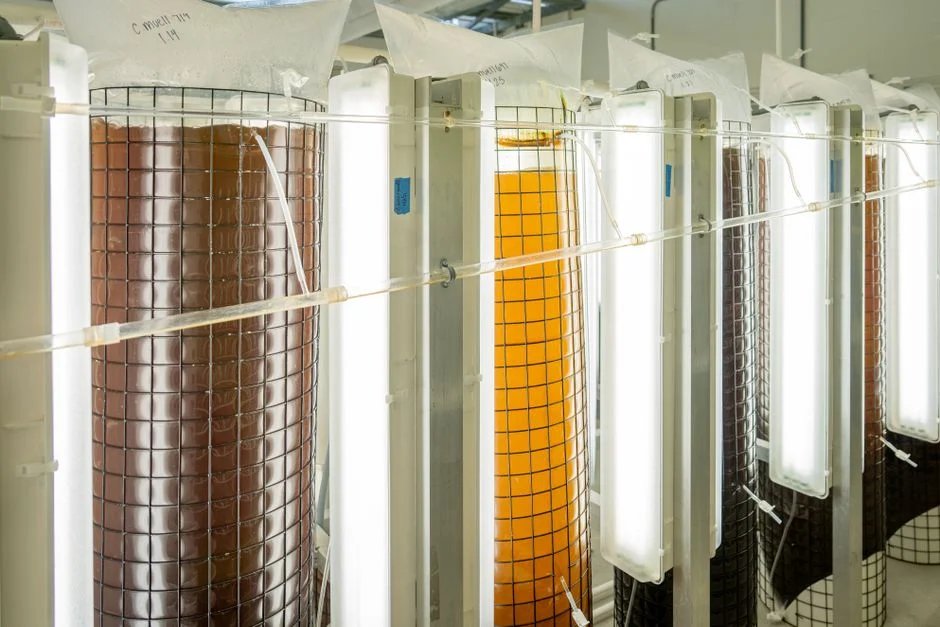
Two submerged configurations dominate Philippine hotel MBRs: hollow-fiber (HF) and flat-sheet (FS). HF modules pack more membrane area per cubic meter of tank (typically 800–1,200 m²/m³ versus 100–200 m²/m³ for FS) and tolerate higher mixed-liquor suspended solids (MLSS) up to 12,000–15,000 mg/L, but they are more sensitive to fouling by hair, fibres, and grit. FS modules run at lower MLSS (8,000–12,000 mg/L), handle solids better, and clean in place more easily — a real advantage on tropical sites where operator skill varies (per Imemflo's HF and FS reference configurations).
Specify PVDF (polyvinylidene fluoride) membrane material with 0.03–0.1 μm nominal pore size. The DF series PVDF flat-sheet MBR module operates at 0.1 μm and is well-suited to reuse-grade polishing; tighter 0.03–0.05 μm UF elements sit at the top of the band and are specified when reuse targets approach potable-quality. Membrane origin matters as much as format: Imemflo's reference list covers Suez, Dow, DuPont, and Mitsubishi hollow fiber plus Toray flat sheet (per Imemflo's hotel MBR datasheet), and a Philippine supplier should be able to source and stock equivalents in-country to keep the 6–10 week international lead time off the critical path.
Energy is the second design lever. Submerged MBRs with coarse-bubble aeration for membrane scouring typically run 0.3–0.6 kWh/m³, roughly 30–50% below external cross-flow designs because there is no recirculation pump. For a 100 m³/d plant at 0.45 kWh/m³ and a Philippine commercial tariff of ₱11–13/kWh, membrane-aeration OPEX is ₱150–175/m³ treated — a defensible number to put in front of the developer. Field troubleshooting for HF MBRs on tropical duty is covered in the Hollow fiber MBR troubleshooting field guide.
| Parameter | Hollow-Fiber (HF) MBR | Flat-Sheet (FS) MBR |
|---|---|---|
| Packing density (m²/m³) | 800–1,200 | 100–200 |
| Operating MLSS (mg/L) | 8,000–15,000 | 8,000–12,000 |
| Pore size range (μm) | 0.03–0.1 (PVDF) | 0.05–0.1 (PVDF) |
| Clean-in-place | Backflush + chemical | Easy chemical CIP, no backflush |
| Solids tolerance | Moderate | High |
| Typical energy (kWh/m³) | 0.3–0.6 | 0.3–0.6 |
| Common suppliers | Suez, Dow, DuPont, Mitsubishi | Toray, DF series |
MBR vs MBBR vs SBR vs ASP for a Manila Hotel
Four biological processes are realistic for Philippine hotel duty: MBR, MBBR (Moving Bed Bio-Reactor), SBR (Sequential Batch Reactor), and ASP (Activated Sludge Process). The choice is not about which is "best" — it is about trading footprint, effluent quality, OPEX, and shock-load tolerance against the realities of the site.
MBR delivers the best effluent (typically BOD <5 mg/L, TSS <1 mg/L) and the smallest footprint because the membrane replaces the clarifier, but it carries membrane replacement cost and slightly higher aeration energy. MBBR uses free-moving plastic carriers to host a biofilm; Isaton flags it as "robust, low-maintenance, strong shock-load tolerance" (per the Isaton Water service portfolio), which fits Manila hotels with sudden kitchen and laundry surges where the operator cannot fine-tune the plant in real time. SBR is a batch fill-react-settle-decant process with no separate clarifier; CAPEX is lower, but the equalization volume inflates the tank footprint and the plant needs a competent operator to manage the cycle. ASP is the lowest CAPEX option but the largest footprint (clarifier plus aeration basin plus sludge return line), so it is rarely used for new Metro Manila hotel builds where the service yard is already tight (per Imemflo's hotel technology comparison).
For a 200-key city hotel on a 60–80 m² service yard in Metro Manila, MBR is the default. For a remote resort with erratic occupancy, limited operator presence, and a generator-dependent power supply, MBBR is often the safer pick because biofilm systems tolerate power dips and feed interruptions better than membranes do. The Lagos hotel packaged MBR sizing guide covers a similar tropical trade-off for African projects, and the Indonesia MBR engineering and ROI guide benchmarks the same comparison for Southeast Asia.
| Criterion | MBR | MBBR | SBR | ASP |
|---|---|---|---|---|
| Relative footprint | Smallest | Small–medium | Medium (large equalization) | Largest |
| Typical effluent BOD (mg/L) | <5 | <20 | <20 | <30 |
| Typical effluent TSS (mg/L) | <1 | <30 | <30 | <30 |
| Shock-load tolerance | Moderate | High | Moderate | Low–moderate |
| Operator skill required | Medium | Low–medium | High | Medium |
| Relative CAPEX | High | Medium | Medium | Low |
| Membrane replacement | Yes (3–5 yr cycle) | No | No | No |
| Best fit | City hotels, tight yard | Resorts, remote sites | Stable flow, skilled operator | Large sites, low cost priority |
Step 3: Map Your Design to DENR Effluent Parameters
Philippine effluent compliance is governed by the DENR DAO 2021 series (DAO 2021-19 and related water-quality criteria), with parameter limits typically set at BOD ≤20 mg/L (some reclassification classes require ≤30 mg/L), TSS ≤30 mg/L, total coliform ≤200 MPN/100 mL for Class C inland waters, and stricter limits for nitrate-nitrogen and phosphate in nutrient-sensitive water bodies. The Manila Water i-Tech Packaged STP is explicitly engineered to meet DENR effluent parameters for nitrate and phosphate (per the i-Tech launch coverage in Inquirer Tech) — ask the supplier to name the specific DAO reference and produce a parameter-by-parameter compliance table before signing.
A properly operated submerged MBR with an anoxic zone will comfortably deliver BOD <5 mg/L, TSS <1 mg/L, and total coliform well within Philippine discharge norms. Denitrification happens biologically in the anoxic stage, so a packaged MBR does not need a separate methanol or acetate dosing skid for nitrate removal — a small automatic chemical dosing system for carbon supplementation is enough during low-loading periods. Reuse targets (toilet flush, landscape irrigation, cooling-tower make-up) require polishing disinfection; a pipeline UV sterilizer is the default because it is chemical-free and effective against chlorine-resistant pathogens, which fits hotels marketing chemical-light operations. Where residual chlorine is preferred — for example, to keep the reclaimed-water ring main biologically stable — a chlorine dioxide generator can be specified downstream of the MBR tank.
Reuse plumbing is where the developer recovers CAPEX. Routing MBR permeate to a dedicated reclaimed-water tank for toilet flushing, irrigation, and cooling-tower make-up can offset 25–40% of a Metro Manila hotel's potable water bill, depending on occupancy and air-conditioning load. The Imemflo 250 m³/d five-star install recycles treated water to multiple non-potable end uses (per Imemflo's hotel case data), confirming that reuse is a default design outcome, not an optional add-on.
Step 4: Pretreatment, Sludge, and Reuse Plumbing
Most packaged MBR operating problems in tropical hotels trace back to underspecified headworks. Specify a GX rotary mechanical bar screen upstream of the equalization tank with 3–5 mm openings; rags, plastic stirrers, and food solids are the single biggest cause of transmembrane pressure (TMP) spikes in hotel duty, and a mechanical screen pays for itself in avoided membrane cleans within the first year. On the kitchen waste line, install a grease trap or, for higher FOG loadings, a DAF (Dissolved Air Flotation) unit to keep fats and oils out of the biological stage — hotel wastewater is "enormously challenging" in part because of kitchen and laundry loading (per Imemflo's hotel MBR reference), and FOG is the most preventable fraction of that load.
Plan the sludge line. A packaged MBR produces 0.3–0.5 kg dry sludge per kg BOD removed, concentrated to 8,000–12,000 mg/L in the waste activated sludge (WAS) stream. A plate-and-frame filter press downstream of a sludge thickener drops moisture from ~99% to 60–65%, cutting disposal volume by 80% and reducing haulage cost to a DENR-registered disposal site. In Metro Manila, sludge haulage is regulated under DAO 2013-22 (revoked/replaced by current DAO 2021 series), and improper disposal is a common finding during DENR inspections.
Reuse plumbing should isolate the reclaimed-water ring main from the potable network with an air gap or reduced-pressure-principle (RP) backflow preventer, with mains supply on a float-valve bypass so the hotel stays operational during membrane CIP or element replacement.
Step 5: Evaluate the Philippine Supplier, Not Just the Skid
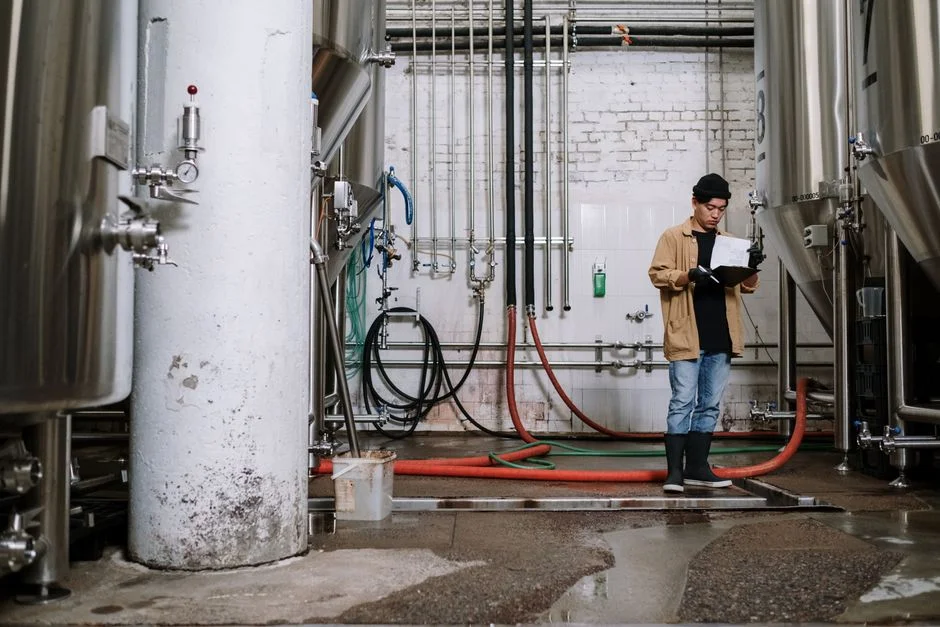
A packaged MBR is a 15-year asset, and the skid is only the visible 30%. The supplier's in-country capability determines whether the plant actually meets its performance guarantee. Score every bidder against five criteria, not against skid price alone.
First, local fabrication or assembly. Isaton explicitly markets "design, fabrication, installation, and commissioning — one accountable team" (per the Isaton Water service portfolio) — that single-team model is the differentiator versus resellers who import a container from China and subcontract installation. Second, chemical logistics across the archipelago. A packaged STP needs coagulant (PAC or alum), a carbon source for denitrification, CIP chemicals (NaOCl and citric acid), and disinfection chemicals delivered on a predictable schedule; Isaton bundles "steady chemicals and consumables shipped across the archipelago" as a service promise (per the Isaton Water portfolio), and that is a real advantage for resort sites in Cebu, Palawan, or Bohol where logistics costs can double the unit price of imported consumables. Third, membrane stocking. Demand a written commitment to 48–72 hour in-country membrane element delivery for both HF and FS formats; the Imemflo reference list (Suez, Dow, DuPont, Mitsubishi, Toray) shows the international brands a credible Philippine supplier should be able to source (per Imemflo's hotel MBR datasheet). Fourth, operator training and remote monitoring — hotels without trained operators are the single biggest cause of MBR underperformance. Fifth, reference projects with at least 12 months of operating data, flow rate within ±30% of your design, and a comparable occupancy profile.
| Criterion | Weight | What to verify | Pass / Fail |
|---|---|---|---|
| In-country fabrication / assembly | 20% | Factory address, local welding / piping workforce | — |
| Archipelago-wide chemical supply | 20% | Logistics partners, depot locations, lead time | — |
| Membrane element stocking | 20% | 48–72 hr in-country delivery, HF + FS formats | — |
| Operator training + remote monitoring | 20% | Training hours, SCADA / IoT dashboard, SLA | — |
| Philippine hotel reference | 20% | ±30% flow match, 12+ months operating data | — |
Procurement Checklist for a Manila Hotel Packaged MBR STP
Hand this list to procurement as part of the RFQ package. Every line should be ticked, quantified, or explicitly excluded before a purchase order is released.
| # | Item | Specification | Tick / Exclude |
|---|---|---|---|
| 1 | Design flow (m³/d) | Average + 1.5–2.0× peak, 20% headroom | — |
| 2 | Influent assumptions | BOD, COD, TSS, FOG, NH₃-N values stated | — |
| 3 | Process selection | MBR or MBBR, HF or FS, defended vs alternatives | — |
| 4 | Footprint | m², fits service yard, includes access for membrane swap | — |
| 5 | Effluent targets | DENR DAO reference, BOD / TSS / coliform / nutrient targets | — |
| 6 | Reuse commitments | Toilet flush / irrigation / cooling-tower make-up, % offset | — |
| 7 | Pretreatment | Bar screen, grease trap or DAF, make & model | — |
| 8 | Disinfection | UV or ClO₂, dose, redundancy | — |
| 9 | Sludge handling | Thickener, filter press, dewatering target %DS | — |
| 10 | Supplier capability | Local fab, membrane stock, chemicals, training, monitoring | — |
| 11 | Warranty | Skid 12–24 months, membrane 3–5 years, replacement ₱/m² | — |
| 12 | Commissioning plan | Performance test, DENR sampling, operator handover | — |
Frequently Asked Questions
How much does a packaged MBR STP cost for a 200-room Manila hotel?
Turnkey CAPEX for a 50–100 m³/d packaged MBR skid in the Philippines typically falls in the ₱8–15 million range (2026), excluding civil works, with membrane replacement at ₱2,500–4,500 per m² of installed area every 4–6 years. The dominant cost driver is membrane surface area, which is set by the average daily flow and the peak factor you commit to in the sizing step.
What DENR effluent parameters must a packaged MBR meet in the Philippines?
Discharge to Philippine inland waters typically requires BOD ≤20 mg/L, TSS ≤30 mg/L, total coliform ≤200 MPN/100 mL, and nutrient limits per the DAO 2021 series. A submerged MBR with an anoxic zone delivers BOD <5 mg/L and TSS <1 mg/L routinely, comfortably below the regulatory ceiling, but the supplier must name the specific DAO reference in the compliance table.
How long do MBR membranes last in hotel duty, and can they be replaced locally?
PVDF hollow-fiber and flat-sheet membranes in hotel duty last 4–6 years before reaching the 30 kPa TMP endpoint that triggers replacement, assuming proper pretreatment and routine CIP. Local replacement is feasible only if the Philippine supplier stocks spare elements — confirm 48–72 hour in-country delivery for both HF and FS formats before signing, and review the Hollow fiber MBR troubleshooting field guide for HF-specific failure modes.
Is a packaged MBR or a packaged MBBR better for a remote Philippine resort?
For a remote resort with erratic occupancy, generator-dependent power, and limited operator presence, MBBR is often the safer pick because biofilm systems tolerate power dips and feed interruptions without irreversible fouling. MBR is the right call when footprint is at a premium and the property has stable power and a trained operator — see the Lagos and Indonesia guides for comparable tropical trade-offs.
Can a packaged MBR be used for a small boutique hotel of 30–50 rooms?
Yes. A 30–50-room boutique at 0.20–0.30 m³/guest-night sees 5–10 m³/d average, which is within the envelope of compact packaged units such as the Manila Water i-Tech 10 m³/d pilot (per the i-Tech product spec) or the WSZ underground packaged STP for sites where the tank must sit below the service yard. Confirm the chosen unit hits the same DENR parameters you would demand at 200-key scale.
Related Equipment
- submerged PVDF MBR system — specifications, capacity range, and technical data