Hollow fiber MBR troubleshooting starts with measurable symptoms: transmembrane pressure (TMP) rising above 0.06 MPa, permeate flux falling below design, or effluent turbidity above 2 NTU. Normal hollow fiber MBR TMP is usually 0.02–0.04 MPa at design flux. Operators then restore air scour (2.5–3.5 Nm³/h per m² membrane area), clean fouled fibers, or seal broken fibers cut to 7 cm with fast-cure epoxy. Stable MLSS, uniform aeration, and scheduled CIP keep most modules in service for 5–7 years.
Hollow Fiber MBR Troubleshooting in Practice
Hollow fiber MBR troubleshooting compares TMP, flux, and turbidity to baseline, then verifies aeration at 2.5–3.5 Nm³/h per m². Next come integrity testing if turbidity exceeds 2 NTU, MLSS at 8,000–12,000 mg/L, and dosing-log review. Sustained TMP above 0.06 MPa means fouling or upset until those checks clear. Most plants we support regain flux after fixing scour dead zones first.
Common Symptoms of Hollow Fiber MBR Failure
A sustained TMP rise above 0.06 MPa is the first distress signal for hollow fiber MBR trains, often from fouling or a hydraulic upset. Normal operating TMP for hollow fiber MBR systems typically ranges from 0.02 to 0.04 MPa, so any lasting climb past that band needs investigation the same shift. A sharp drop in permeate flux points to lost permeability or a suction-side problem. If the permeate pump runs but delivers little flow, check rotation direction, inlet leaks that pull air, and air locks in the header.
Turbid effluent consistently above 2 NTU points to a membrane integrity breach such as fiber breakage or a failed O-ring, letting solids bypass filtration. Normal permeate turbidity stays below 1 NTU under stable operation. Excess foaming in the MBR tank or sludge carryover into the membrane zone often tracks defoamer or coagulant imbalance, or aeration below the scour target that destabilizes mixed liquor.
Root Causes of Hollow Fiber Damage
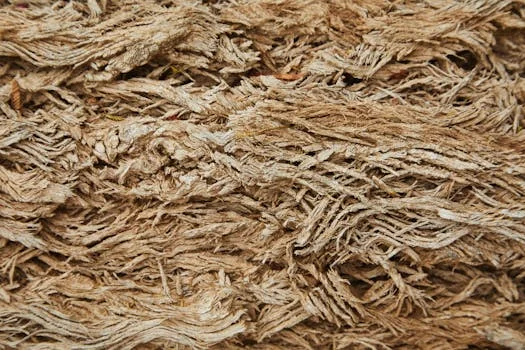
Hollow fiber MBR membranes fail from mechanical stress, chemical attack, and biological fouling. Each path needs a different fix. Mechanical stress leads fiber damage when fibers bend hard or abrade during lifts, cracking the potting that anchors the bundle (per HYDRAsub TSB402.02 handling warning). Weak supports or violent aeration patterns create the same stress in service. Chemical attack from chlorine overdosing hits PVDF hard: free chlorine above 5 ppm can embrittle the polymer and raise breakage risk.
Biological fouling from filamentous growth and extracellular polymeric substances (EPS) raises mixed-liquor viscosity and cuts permeability, pushing TMP up. Aeration below 2.5 Nm³/h per m² of membrane area fails to scour cake, packs fibers together, and starves local biomass of oxygen. That combination grows biofilm on the fiber surface and shortens cleaning intervals.
What Are Submerged MBR Hollow Fibers?
Submerged MBR hollow fibers are outside-in PVDF (or similar) capillary membranes mounted in modules that sit in the mixed liquor and withdraw permeate under slight vacuum or low suction. Air scour along the fiber length controls cake. Design flux commonly sits near 15–25 LMH when TMP stays in the 0.02–0.04 MPa band. Compared with sidestream tubular loops, submerged hollow fiber packs more area per footprint and relies on tank aeration for both process oxygen and membrane scour. When permeate quality must match ultrafiltration polish after biological treatment, plants often pair the bioreactor with an Ultrafiltration (UF) Water Treatment System on a separate water line.
MBR Wastewater Troubleshooting Diagnosis Steps
MBR wastewater troubleshooting starts by comparing live TMP, flux, and turbidity to baseline and design values before any chemical clean. That sequence isolates the cause without swapping modules on guesswork.
- Step 1: Measure Key Parameters. Record current TMP, permeate flux, and effluent turbidity. Compare each value to baseline from stable operation and to manufacturer design. TMP held above 0.06 MPa or turbidity above 2 NTU is an immediate red flag.
- Step 2: Inspect Aeration Uniformity. Walk the membrane zone and watch bubble patterns. Uneven bubbling, dead zones, or clogged diffusers mean local fouling and fiber compaction. Keep air scour at 2.5–3.5 Nm³/h per m² and confirm it is vigorous across the cassette.
- Step 3: Conduct Fiber Integrity Test. If turbidity or a TMP spike suggests a breach, run integrity testing. A methylene blue check doses dye into the tank and looks for color in permeate. A pressure-hold test pressurizes the permeate side and watches for decay. On a submerged PVDF hollow fiber train, either method pinpoints leaking fibers before repair.
- Step 4: Check Sludge Characteristics. Sample mixed liquor for MLSS and SVI. Target MLSS between 8,000–12,000 mg/L for most municipal and industrial hollow fiber MBR basins. SVI above 150 mL/g signals poor settling and high viscosity that loads the membrane.
- Step 5: Review Chemical Dosing Logs. Audit coagulants, defoamers, and biocides against the upset window. Overdose can foul fibers; underdose invites foam or runaway filaments. Tie any recent dose change to the TMP or turbidity shift you measured.
| Parameter | Normal Range (Hollow Fiber MBR) | Indication of Failure | Initial Diagnostic Action |
|---|---|---|---|
| Transmembrane Pressure (TMP) | 0.02 – 0.04 MPa | > 0.06 MPa | Inspect aeration, conduct integrity test, check MLSS |
| Effluent Turbidity | < 1 NTU | > 2 NTU | Perform fiber integrity test (Methylene Blue/pressure hold) |
| Flux Rate | Design-specific (e.g., 15-25 LMH) | Significantly below design | Check pump, aeration, membrane fouling |
| MLSS Concentration | 8,000 – 12,000 mg/L | < 8,000 or > 12,000 mg/L | Adjust sludge wasting, nutrient dosing |
| Aeration Rate | 2.5 – 3.5 Nm³/h per m² | < 2.5 Nm³/h per m² | Inspect blowers, aeration pipes for blockages |
| SVI | 80 – 150 mL/g | > 150 mL/g | Evaluate sludge characteristics, F:M ratio, nutrient balance |
Cleaning Hollow Fiber TMP After Fouling
Cleaning hollow fiber TMP restores permeability when pressure climbs while flux is held at design. First confirm air scour at 2.5–3.5 Nm³/h per m². Then run physical backwash or relaxation. Chemical CIP follows if TMP remains above 0.06 MPa. A common CIP uses citric acid to about pH 2 for inorganic scale, followed by sodium hypochlorite at 500–1,000 mg/L for organic foulants, always within membrane chlorine limits. Weekly diffuser checks prevent the dead zones that make TMP climb between cleans. For process selection context beyond the membrane cassette, see this technical comparison of MBR versus conventional systems.
How to Repair a Damaged Hollow Fiber
Repairing a damaged hollow fiber restores integrity so solids cannot bypass into permeate. It avoids full module replacement when only a few fibers leak. The field sequence below matches common submerged PVDF practice.
- Step 1: Isolate and Remove Module. Isolate the cassette, lift it to a clean bench, and rinse sludge with low-pressure water. Avoid sharp tools and hard bends at the potting line (HYDRAsub TSB402.02). Rough handling here creates new cracks while you chase the old leak.
- Step 2: Locate and Cut Damaged Fiber. Use integrity-test results to find the broken fiber. Cut it with a sharp blade so at least 7 cm remains on both ends of the element. That length leaves working room without risking potting pull-out, yet stays short enough not to whip under aeration.
- Step 3: Prepare and Apply Epoxy. Dry only the cut tip with a clean towel; keep neighboring fibers wet. Apply a water-resistant two-part cold-setting epoxy such as Cemedine EP330 so a small amount enters the lumen and seals the tip.
- Step 4: Cure and Re-submerge. Cure per the adhesive label; many fast-cure epoxies like Cemedine EP330 are ready in about 1 hour before re-submersion. Keep fibers wet in clean water until the module returns to the submerged PVDF hollow fiber MBR system.
What Drives Hollow Fiber Membrane Costs?
Hollow fiber membrane costs are driven less by sticker price alone and more by replacement interval, downtime, chemical CIP frequency, and how many fibers you pin each year. Modules that hold 5–7 years under MLSS at 8,000–12,000 mg/L, quarterly CIP, and stable scour cost less per cubic meter than trains that trip on TMP every few weeks. Fiber breakage from chlorine above 5 ppm or rough handling shortens life faster than mild organic fouling. When you compare membrane OPEX with upstream clarification or downstream polish, an Ultrafiltration (UF) Water Treatment System may sit on a different duty than the MBR cassette itself.
Use this field checklist before approving a repair-versus-replace call:
- TMP trend: baseline 0.02–0.04 MPa versus sustained >0.06 MPa after scour check
- Integrity: turbidity >2 NTU or failed pressure-hold / dye test
- Aeration: confirmed 2.5–3.5 Nm³/h per m² with no diffuser dead zones
- Sludge: MLSS inside 8,000–12,000 mg/L; SVI ≤150 mL/g
- Chlorine exposure: free chlorine kept well below 5 ppm except controlled CIP
- CIP discipline: acid to ~pH 2 and NaOCl at 500–1,000 mg/L on a quarterly (or TMP-triggered) cycle
- Handling: no sharp bends at potting during lifts and installs
Preventing Recurring MBR System Failures
Proactive maintenance extends hollow fiber life into the 5–7 year band and cuts unplanned downtime when TMP spikes are caught early. Weekly aeration-pipe inspections stop the blockages that create uneven scour and local cake. Hold MLSS between 8,000–12,000 mg/L so biology stays active without pushing viscosity into the membrane. Schedule quarterly CIP: citric acid near pH 2 for scale, then NaOCl at 500–1,000 mg/L for organics, within the membrane chlorine rating. Train crews to avoid bending fibers at the potting face during every lift. Plants that lock these four habits rarely need emergency fiber pinning outside planned outages.
This guide is for plant engineers, EPC commissioning teams, and O&M contractors running submerged hollow fiber MBR cassettes who need a same-shift diagnosis path. Look elsewhere if you are sizing a brand-new flowsheet from scratch without operating data, or if your duty is drinking-water UF only with no bioreactor. If TMP, turbidity, and aeration checks already point to a module change-out, send design flux and recent TMP trend through our inquiry form for hollow fiber MBR support.
Frequently Asked Questions
How long do MBR membranes last?
MBR membranes typically last 5–7 years when CIP is timely, MLSS stays near 8,000–12,000 mg/L, and aeration holds 2.5–3.5 Nm³/h per m². Shorter life usually traces to chlorine above 5 ppm outside controlled cleans, chronic under-aeration, or mechanical damage at the potting. Track TMP against the 0.02–0.04 MPa normal band so you clean before irreversible compaction sets in.
What causes hollow fiber breakage?
Hollow fiber breakage is commonly caused by mechanical stress from excessive bending during handling, chemical attack from chlorine overdosing, poor or uneven aeration, or, less often, manufacturing defects. HYDRAsub TSB402.02 warns that sharp bends crack potting and start leaks. Keeping free chlorine below 5 ppm in normal service and maintaining uniform scour sharply cuts breakage rates we see in the field.
Can you repair a broken MBR fiber?
Yes, individual broken MBR fibers can be repaired without replacing the whole module. Cut the damaged fiber to at least 7 cm on both ends, dry only the tip, and seal with a water-resistant fast-cure two-part epoxy such as Cemedine EP330. Allow about 1 hour cure for many fast-cure epoxies before re-submerging, and keep adjacent fibers wet the entire time.
What is normal transmembrane pressure for MBR?
Normal transmembrane pressure for hollow fiber MBR systems typically ranges from 0.02–0.04 MPa at the design flux window of about 15–25 LMH. A TMP held above 0.06 MPa signals significant fouling or an operational fault. Confirm aeration and sludge condition before assuming the membrane polymer has failed.
How often should MBR membranes be cleaned?
MBR membranes need frequent physical cleaning through air scour and periodic permeate backwash or relaxation, with chemical CIP typically quarterly or when TMP rises sharply. A practical CIP pairs citric acid near pH 2 with sodium hypochlorite at 500–1,000 mg/L for organics. Always stay inside the membrane chlorine limit so cleaning does not create the embrittlement you are trying to avoid.