What 'Buried' Actually Means for a Textile ETP in 2026
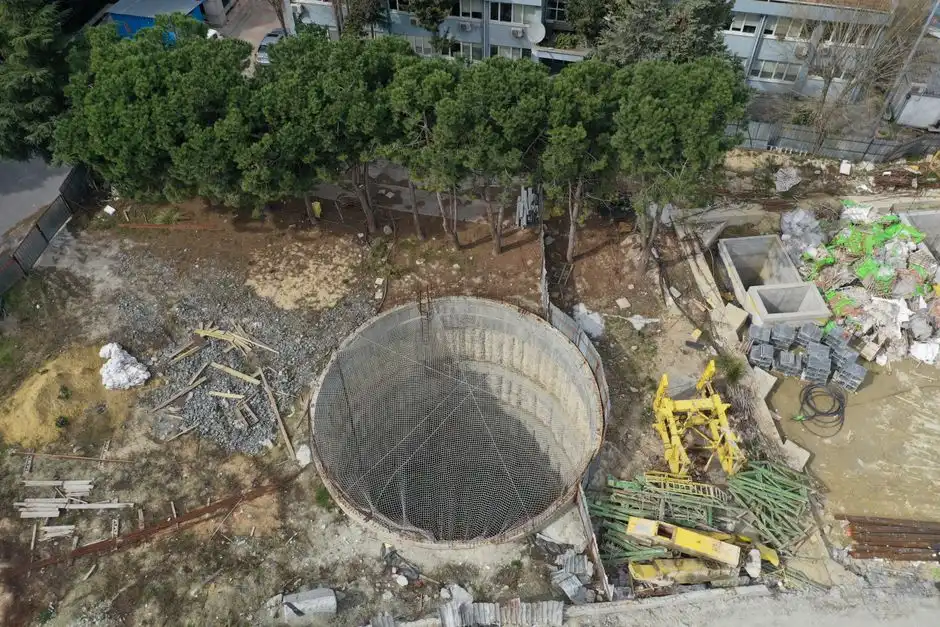
A buried wastewater treatment system for a textile mill in 2026 is an underground packaged ETP — typically GRP, RPP, or internally rubber-lined carbon-steel tanks combining equalization, DAF, anaerobic, MBR and disinfection — sized for 200 L of effluent per kg of finished fabric and inlet COD of 800–2,500 mg/L from reactive-dyeing lines. Four form factors compete on the bid sheet: a buried civil-concrete ETP (cast in situ, lowest unit cost, longest build), a buried packaged or skid ETP (factory-built GRP/RPP modules dropped into a prepared pit), a containerized ETP (ISO 40/45 ft frames set on grade), and an above-ground integrated ETP (skid or block, fully accessible). What gets quoted as "buried" in 2026 South Asian and Turkish tenders is almost always the second category — the factory-built packaged train — because the civil-concrete variant is essentially a conventional ETP with a roof slab.
The sizing benchmark is non-negotiable: at 200 L per kg of finished fabric, a 50,000 kg/day cotton knitting and dyeing line produces 1,000 m³/day of mixed effluent, of which the dye-house contributes 60–70%. China's textile sector alone discharged 1.84 billion tonnes of wastewater in 2015, ranking third among 41 key industries for five consecutive years, and the printing-and-dyeing water reuse rate sat at only 30% (China National Textile and Apparel Council, 2018). On water-stressed sites in Tamil Nadu, Dhaka, Hanoi, and Bursa, a buried compact train is attractive precisely because the land it frees has a higher value than the modest CapEx saving.
The rule this article defends: a buried textile ETP is viable only when stream strength, temperature, and TDS all fall inside the packaged-tank envelope — roughly COD <1,500 mg/L, TDS <3,000 mg/L, pH 6.5–8.5 after correction, and temperature <40 °C at the biological stage. Outside that window, a buried form factor creates more operating risk than it removes.
Why Textile Effluent Punishes Underground Tanks
Textile effluent is not a municipal digester feed. The wet process is not one stream but eight — sizing, desizing, scouring, bleaching, mercerizing, dyeing, printing, and finishing — each producing a distinct pollutant mix (Babu et al., 2007; Liu et al., 2010). Sizing and desizing dominate COD and BOD when polyvinyl alcohol (PVA) or modified starch is used, with BOD₅/COD of 0.4–0.6 and frequently 40–60% of total plant COD (Holkar et al., 2016). Scouring and bleaching effluents arrive at pH 10–13 and 60–95 °C, loaded with surfactants, residual H₂O₂, and silicates. Mercerizing liquor carries 20–25% NaOH. Dyeing lines discharge color from 10–50 mg/L in normal mixed effluent to 7,000 mg/L in a single dye-house dump (Koprivanac et al., 1993), with reactive, disperse, vat and azo chromophores that carry chromium, zinc, cobalt, and copper. Printing paste adds alginate, guar thickeners, and urea. Finishing drives the chronic-toxicity load through softeners, formaldehyde-based easy-care resins, and fluorocarbons that contribute adsorbable organic halides (AOX).
Three consequences follow for any buried envelope. First, hot alkaline effluent rules out thin-wall HDPE and unprotected concrete as structural materials; buried tanks for textile duty in 2026 are typically GRP (most common below 500 m³), RPP where chemical resistance to dyes and carriers is critical, and internally rubber-lined carbon steel for tanks above 500 m³. Second, a 1,000 m³ buried equalization tank in saturated alluvium — common in Bangladesh and coastal Vietnam — exerts roughly 1,000 tonnes of empty buoyancy, so the design must include anti-floatation ballast or a tied-down anchor slab with a 1.2 safety factor against high groundwater. Third, the biological stage generates H₂S from anaerobic desize liquor; any buried chamber above 50 m³ needs forced ventilation at ≥6 air changes per hour, H₂S/LEL gas detection, and a 600 mm manway with fall-arrest grating, regardless of local practice on municipal digester lids.
The 95 °C mercerizing dump and the 7,000 mg/L dye peak are not intermittent events to be averaged out — they arrive on a duty cycle the equalization tank must absorb, and that buffer volume grows with the square of the peak-to-mean ratio. Buried packages built for municipal loadings do not have that buffer.
Buried ETP vs Containerized vs Above-Ground Concrete: 2026 Comparison
The structured head-to-head below lets a buyer rule in or out the buried option in five minutes. CapEx bands are 2026 reference values for a 1,000 m³/day textile ETP with combined cotton reactive and polyester disperse streams, derived from HydropureWater project data and EPC benchmarks. The direct-discharge band (₹8–18 Lakh per m³/day) and the partial-reuse band (₹20–40 Lakh per m³/day) are the realistic envelope for a buried packaged ETP. Full ZLD at ₹60 Lakh–1.2 Cr per m³/day is not buildable in a buried form factor and must remain above-ground concrete with MVR crystallizer.
| Parameter | Buried packaged ETP | Containerized ETP | Above-ground integrated ETP | Above-ground civil concrete ETP |
|---|---|---|---|---|
| Footprint (per 1,000 m³/day) | 0.4–0.6× plan area, full pit | 2–3 × 40 ft containers, on grade | 1.0× reference, single block | 1.0–1.2×, open basin |
| Civil work | Excavation, ballast, anti-floatation slab | RC plinth only | RC plinth, minimal | Full reinforced concrete, 6–9 months |
| Install time (ex-works + site) | 10–14 wk ex-works + 4–6 wk site | 6–10 wk ex-works + 2 wk site | 10–14 wk ex-works + 3–4 wk site | 6–9 months site-built |
| Max inlet COD (mg/L) | 1,500 (post-EQ) | 2,000 (post-EQ) | 2,500 (post-EQ) | >2,500 with source segregation |
| Max TDS (mg/L) | 3,000 | 4,000 | 5,000 | >5,000, ZLD-ready |
| Scalability | Limited above 5,000 m³/day per train | Modular, parallel units | Modular, parallel skids | Linear, basin extension |
| 2026 CapEx (₹/m³/day, direct discharge) | 8–18 Lakh | 10–22 Lakh | 10–20 Lakh | 9–18 Lakh |
| 2026 CapEx (₹/m³/day, partial reuse) | 20–40 Lakh | 22–42 Lakh | 20–40 Lakh | 20–40 Lakh |
| Operator access | Confined-space entry required | Full access, walk-in | Full access, walk-in | Full access, walk-in |
| Best fit | Low/medium COD, tight site, no ZLD | Rinse water, pilot duty, remote sites | Most dye-house streams | High TDS, ZLD, >5,000 m³/day |
Use a buried packaged ETP for residential/hostel/domestic streams co-located with the mill, low-strength rinse water, and sites with effectively zero lay-down space. Use containerized or above-ground for the actual dye-house stream. The containerized textile wastewater treatment guide covers the containerized option in detail.
The 2026 Buried Treatment Train for a Textile Mill
The process train that fits inside a buried textile package is a five-stage sequence. Each stage has a textile-specific design number that must be hit, not a generic municipal value.
| Stage | Unit operation | Key design parameters (textile duty, 2026) |
|---|---|---|
| 1 | Equalization + screening | HRT 6–12 h, pH 6.5–8.5 after correction, T <40 °C; rotary bar screen 5–10 mm aperture |
| 2 | Coagulation + DAF | 4–300 m³/h; ferric chloride or PAC 100–300 mg/L plus anionic polyacrylamide 1–3 mg/L; TSS removal 50–92%, color removal 30–60% |
| 3 | Anaerobic (UASB / EGSB), source-segregated desize liquor | OLR 10–15 kg COD/m³·day; COD removal 60–80%; biogas yield ~0.35 m³ per kg COD removed |
| 4 | Aerobic MBR (PVDF flat-sheet) | MLSS 8,000–12,000 mg/L; flux 12–18 LMH; effluent COD <100 mg/L, TSS <5 mg/L, BOD <10 mg/L |
| 5 | AOP (Fenton preferred where Fe is already dosed) | H₂O₂/Fe²⁺ at 30–60 min contact; residual color <50 ADMI units; AOX reduction 40–70% |
Stage 1 absorbs the 95 °C mercerizing dump before anything biological sees it; without 6–12 h HRT, the downstream biology will never hold a steady MLSS. Stage 2 is the dissolved air flotation system, lifting TSS and a first pass at color with ferric chloride or PAC plus anionic polyacrylamide. Stage 3 segregates high-strength PVA desize liquor and feeds it to a UASB or EGSB reactor; this single pipework change typically pulls 20–40% of total plant COD off the downstream aerobic stage, shrinking aeration demand and MBR membrane area (HydropureWater field data, 2025). Stage 4 is the only biological stage that fits inside a buried package — an integrated MBR membrane bioreactor system using DF series PVDF flat sheet membrane modules that replaces the secondary clarifier and stabilizes downstream polishing. Stage 5 — a buried Fenton or ozone AOP — drops color below 50 ADMI and reduces AOX before reuse or discharge. A buried RO stage is unusual because membrane replacement access is poor; partial-reuse sites normally put RO above-ground in a containerized skid.
Engineering Specs the Buried Tank Must Carry
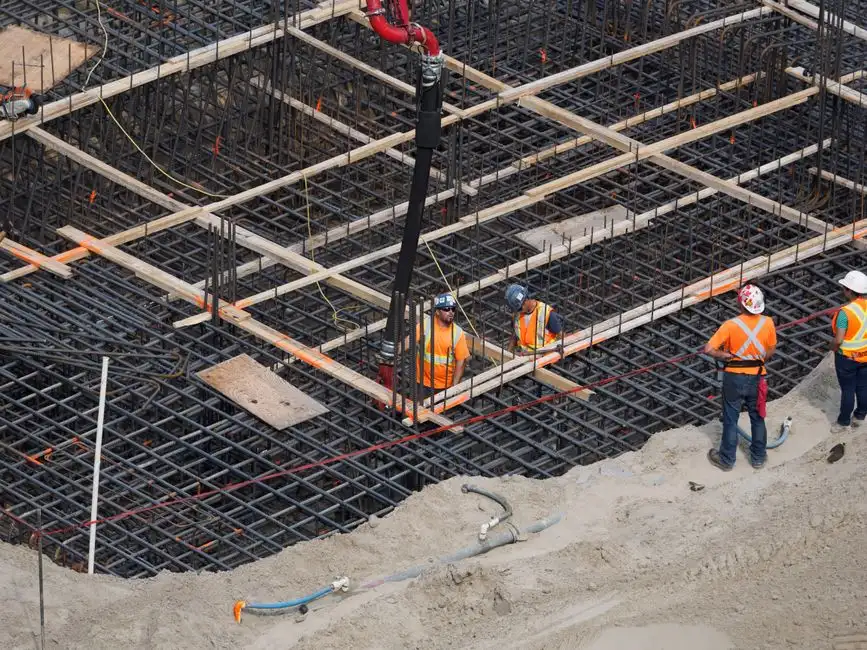
The materials and design checklist below is what an EPC should hand to a civil or tank supplier before issuing a PO on a buried textile ETP. The buried envelope does not forgive the same shortcuts a civil-concrete ETP absorbs.
| Item | Specification (textile duty, 2026) |
|---|---|
| Tank material (<500 m³) | GRP, vinyl ester or isophthalic resin, minimum 6 mm laminate, 1.5 mm chemical barrier; UV-stabilized gelcoat |
| Tank material (chemical-heavy streams) | RPP (random polypropylene) for dye-house liquors above 50 °C and pH >11 |
| Tank material (>500 m³) | Carbon steel with internal rubber lining (3 mm bromobutyl or chlorobutyl), externally coal-tar epoxy or PU |
| Top slab and traffic loading | 150–200 mm RC top slab rated for HGV traffic if forklifts operate above the tank |
| Anti-floatation | Empty-tank buoyancy check, ballast or anchor slab, 1.2 safety factor for high groundwater |
| Access | Minimum 600 mm manway on every chamber >50 m³, fall-arrest grating on each opening |
| Ventilation | Forced ventilation ≥6 air changes/h on every buried chamber >50 m³; H₂S and LEL gas detection with audible alarm |
| Pipework inside buried envelope | Ductile iron or HDPE; every tank-to-tank connection flanged and accessible from a walkway, not buried in concrete |
| Screening and dosing | rotary mechanical bar screen upstream of EQ; automatic chemical dosing system on the DAF feed line |
Two failure modes dominate field returns on buried textile ETPs: (1) a top slab not rated for the actual forklift or truck axle load, and (2) anti-floatation calculated against a winter low groundwater table rather than a post-monsoon high. Both are civil-engineering oversights, not equipment problems.
2026 CapEx, OpEx and Payback for a Buried Textile ETP
These are 2026 reference points for South Asian, Southeast Asian, Turkish, and East African sites, anchored to a 1,000 m³/day textile ETP with combined cotton reactive and polyester disperse streams. For a direct-discharge buried textile ETP, CapEx runs ₹8–18 Lakh per m³/day and OpEx runs ₹0.8–1.5 Lakh per m³. The dominant OpEx line items are power for aeration and DAF air compression, plus coagulant and polymer dosing.
| Layout | 2026 CapEx (₹/m³/day) | 2026 OpEx (₹/m³) | Payback driver |
|---|---|---|---|
| Direct discharge (buried package) | 8–18 Lakh | 0.8–1.5 Lakh | Compliance only; no payback |
| Partial reuse (buried + above-ground RO) | 20–40 Lakh | 2.0–3.5 Lakh | 3–5 years when freshwater >$0.8/m³ and discharge levy applies |
| Full ZLD (above-ground concrete + MVR) | 60 Lakh–1.2 Cr | 5.0–9.0 Lakh | Regulatory mandate only; never financially driven |
Partial reuse pushes CapEx to ₹20–40 Lakh per m³/day, with OpEx of ₹2–3.5 Lakh per m³ — dominated by RO membrane replacement every 2–3 years and 0.6–0.9 kWh/m³ on the high-pressure pump. The buried form factor saves land cost and landscaping value but rarely saves more than 10–15% on CapEx versus an above-ground packaged skid of the same hydraulic capacity; the civil pit, ballast, and RC top slab typically absorb most of the visible CapEx benefit. The integrated textile ETP design guide covers the above-ground variant in detail.
Buyer's Decision Framework: When to Specify Buried in 2026
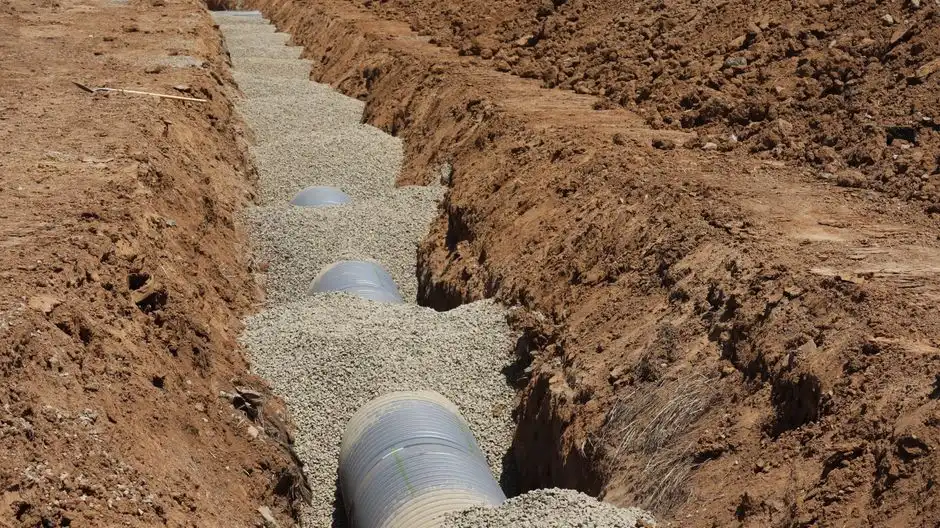
The rule set below lets a project engineer justify — or reject — the buried option in front of a client in one page. A buried textile ETP is the right answer in a narrow band of site and stream conditions; outside that band it creates operating risk without saving money.
| Condition | Specify buried | Reject buried |
|---|---|---|
| Stream COD (post-EQ) | <1,500 mg/L | >2,000 mg/L |
| Stream TDS | <3,000 mg/L | >5,000 mg/L or full ZLD mandate |
| Influent temperature | <40 °C at biology | Regularly >60 °C at EQ inlet without cooling |
| Design flow per train | ≤5,000 m³/day | >5,000 m³/day (single buried package un-buildable) |
| Receiving water | Municipal sewer or high-dilution river | Closed basin with discharge ban |
| Site constraint | Tight footprint, landscaping premium | Open plant, no land cost pressure |
| Hybrid rule | EQ + DAF + MBR underground; RO + AOP + sludge above-ground for operator access | — |
One non-negotiable verification step: confirm the supplier has built a textile plant on the same fabric mix — not a generic municipal digester — and ask for a reference with the same dye class (reactive, disperse, vat, azo). Reactive azo dye wastewater in particular carries chromophores and metals that a municipal digester operator has never seen, and the operating data from a cotton knit line is not transferable to a polyester disperse line.
Frequently Asked Questions
Can a buried wastewater system really handle textile effluent?
Yes for low-to-medium strength streams — post-EQ COD <1,500 mg/L, TDS <3,000 mg/L, pH 6.5–8.5, temperature <40 °C at biology — provided the buried package is built in GRP, RPP, or rubber-lined carbon steel with forced ventilation and anti-floatation design. No for high-TDS dye-house liquor (TDS >5,000 mg/L), full ZLD scope, or design flows above 5,000 m³/day per train; those projects need above-ground civil concrete with MVR crystallizer, not a buried envelope.
What CapEx should I budget for a 500 m³/day buried textile ETP in 2026?
For direct discharge, budget ₹4–9 Cr (₹8–18 Lakh per m³/day × 500 m³/day). For partial reuse with RO polishing above-ground, budget ₹10–20 Cr (₹20–40 Lakh per m³/day). These are 2026 reference bands for South Asia, Southeast Asia, Türkiye, and East Africa, and assume a combined cotton reactive plus polyester disperse stream; a single-fiber cotton knit line sits at the lower end, a polyester disperse line with high TDS sits at the upper end.
Which unit operations can be buried?
Equalization, screening, DAF, anaerobic UASB/EGSB (source-segregated desize liquor only), MBR, and disinfection can all be packaged below grade. AOP can be buried where Fenton chemistry is used and iron is already dosed at the DAF. RO and sludge dewatering are normally kept above-ground for membrane-replacement access and operator safety; AOP is sometimes kept above-ground for the same reason.
How is hot alkaline scouring/bleaching liquor managed inside a buried tank?
The EQ stage is sized at 6–12 h HRT with online pH and temperature probes; hot alkaline liquor (pH 10–13, 60–95 °C) is cooled to <40 °C and neutralized to pH 6.5–8.5 using acidic bleaching wastewater or recovered mercerizing NaOH before the stream enters biology. Without this buffer, anaerobic and MBR biomass cannot hold steady MLSS, and buried tank materials above their rated service temperature will fail within 24–36 months.
What is the typical delivery and install time for a buried packaged textile ETP from an Indian or Chinese supplier in 2026?
10–14 weeks ex-works for the packaged tanks, MBR modules, DAF, dosing, and control panel, plus 4–6 weeks site install including excavation, ballast pour, tank setting, pipework, and commissioning. Total 14–20 weeks from PO to handover, against 6–9 months for a civil-concrete ETP on the same hydraulic capacity. The buried option's lead-time advantage is the strongest single argument for it on tight 2026 capex schedules. For the broader engineering context, see the buried wastewater treatment systems selection guide.
Related Equipment
- WSZ underground integrated sewage treatment plant — specifications, capacity range, and technical data