Why SK On's Hungary Deal Is a Change-of-Operator Event, Not a Share Purchase
Operational control transfer to a new legal operator is the trigger for re-permitting under EU IED 2010/75/EU Article 6(9) and Hungarian Government Decree 314/2005 (XII.25.) §20 — the share-purchase contract is not. SK On's existing Komárom and Debrecen footprint already places the group under Hungarian integrated permitting, so a 2026 acquisition is governed by a known procedural clock rather than a greenfield application. The new legal entity must notify the megyei kormányhivatal (county Government Office) within 90 days of legal transfer and submit a complete IPPC application within the same window. The authority's substantive decision is then due 180 days from a complete filing; missing either deadline exposes the asset to operating without a valid permit, which carries administrative fines and a credible threat of injunction under Hungarian environmental liability law (per Decree 314/2005).
Three parallel obligations activate on the same date and are routinely missed in early diligence. First, the Water Act (Act LVII of 1995) water-utilization right and water-utilization fee registration must be re-filed in the name of the new operator. Second, any local discharge consent issued by the municipal water utility (Fővárosi Vízművek, ALFÖLDVÍZ, or Tiszamenti Vízművek depending on site) must be novated. Third, the seller's self-monitoring reports and accident-incident records transfer to the new operator's liability, so pre-close diligence should pull at least three years of OKIR self-monitoring data into the data room before signing. The integration team should treat the period as a Gantt chart, not a to-do list — the same approach recommended in the parallel SK On Germany plant acquisition wastewater guide.
The Four-Layer EU + Three-Layer Hungarian Legal Stack
Hungarian automotive and battery-cell wastewater compliance sits on a four-layer EU stack and a three-layer national stack, and the layers are not duplicative — each adds a constraint. Reading the stack as a single hierarchy is the difference between a defensible permit and a re-permit event at the next BAT review.
EU Layer 1 — IED 2010/75/EU. Vehicle and battery-cell manufacturing both fall under Annex I, so a single integrated IPPC permit replaces media-specific air, water, and waste permits. The IED also obliges the operator to apply BAT conclusions when the permit is re-issued.
EU Layer 2 — STS BREF 2020 + emerging battery BREF. The Surface Treatment Using Organic Solvents BAT Reference Document (2020 update) defines BAT-AEL ranges for the automotive paint shop. A separate BAT reference document for battery cell manufacturing is now under development and will progressively fold electrode-coating, electrolyte, and formation-cycle streams into the BAT framework.
EU Layer 3 — UWWTD 91/271/EEC (2024 recast). The sanitary stream falls under 91/271/EEC if co-discharged to a municipal collector. The 2024 recast adds pharmaceutical-class micropollutant removal at WWTPs above 10,000 p.e., with formal transposition in 2027 and likely early Hungarian action in 2026 (per the 2024 Env. Sci. Europe recast study).
EU Layer 4 — WFD 2000/60/EC, Nitrates Directive 91/676/EEC, REACH. Receiving-water-body status, the 35 mg/L TN action threshold in vulnerable zones, and substance control for PFAS, nickel, and chromium are all in scope. Hungary still has 579 freshwater surface water bodies classified "at risk" under the WFD out of 876 natural and 150 artificial bodies identified nationally (per the Water Action Hub Hungary country profile, 2025-11), which is roughly two-thirds of the inventory and triggers a precautionary bias in the inspectorate.
On the national side, Government Decree 314/2005 (XII.25.) transposes the IED and defines the change-of-operator trigger, the 90-day notification window, and the 180-day authority decision. Government Decree 27/2015 pins the numeric effluent limit values that actually appear on the discharge permit. The Water Management Act (Act LVII of 1995) and Ministerial Decrees issue the water-use consent and discharge consent, and OKIR (Országos Környezetvédelmi Információs Rendszer) is the national self-monitoring reporting platform that ties compliance evidence to the IED Article 72 public register.
| Layer | Instrument | What it writes on the discharge pipe |
|---|---|---|
| EU 1 | IED 2010/75/EU | Single integrated permit; obligation to apply BAT |
| EU 2 | STS BREF 2020 + battery BREF (in dev.) | BAT-AEL ranges for COD, Ni, Zn, Cr |
| EU 3 | UWWTD 91/271/EEC (2024 recast) | Nutrient + micropollutant removal >10,000 p.e.; 2027 transposition |
| EU 4 | WFD / Nitrates / REACH | Receiving-water status; 35 mg/L TN in vulnerable zones; substance control |
| HU 1 | Decree 314/2005 (XII.25.) | IPPC procedure, 90-day notification, 180-day decision |
| HU 2 | Decree 27/2015 | Numeric effluent limits at the discharge point |
| HU 3 | Act LVII of 1995 + Ministerial Decrees + OKIR | Water-use consent, discharge consent, self-monitoring reporting |
Numeric Limits the Design Engineer Must Hit on Day 1
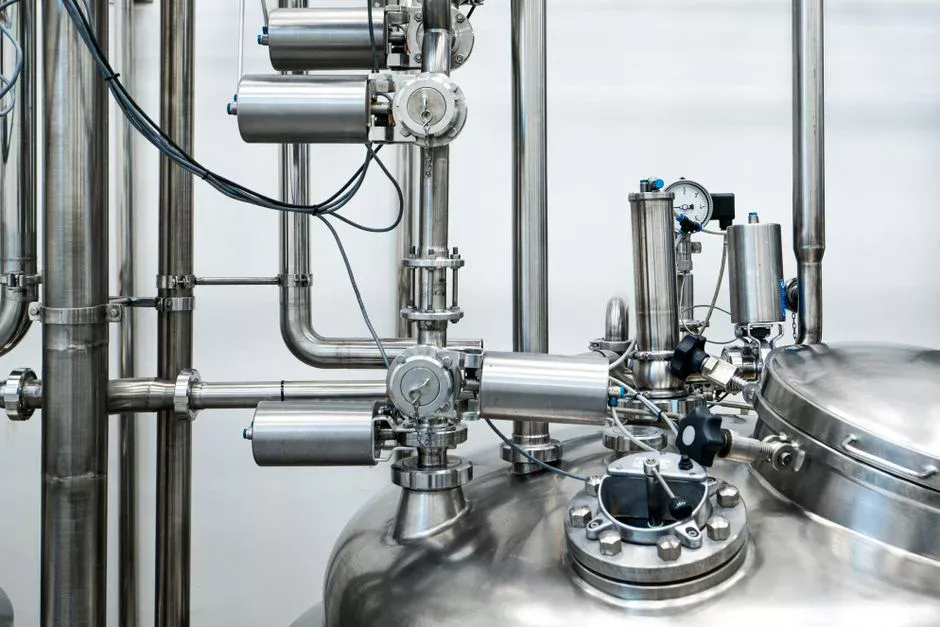
The 27/2015 limits are the floor, not the ceiling. STS BREF 2020 BAT-AEL ranges are tighter and become the de facto target when the inspectorate re-issues the permit under BAT conclusions. The design envelope should be the most stringent of (a) 27/2015, (b) BAT-AEL, (c) the local sewer-use ordinance — and the EPC should size the polishing step to (b) so a future BAT review does not trigger a re-permit event.
Government Decree 27/2015 splits limits by discharge route. For industrial wastewater entering a municipal sewer, typical limits are pH 6.5–9, COD ≤1,000 mg/L, TSS ≤50 mg/L, total Ni ≤0.5–1.0 mg/L, total Zn ≤2 mg/L, total Cr ≤0.5–2 mg/L, and oil & grease ≤20 mg/L. For direct discharge to a surface water body, the limits tighten to COD ≤200 mg/L, TSS ≤30 mg/L, and the same metal ceilings but applied to a 24-hour composite sample. The EU STS BREF 2020 BAT-AEL ranges for direct discharge sit at COD 100–500 mg/L, Zn 0.1–2 mg/L, and Ni 0.1–0.5 mg/L.
Receiving-WWTP-driven tightening drives the next set of constraints (per Env. Sci. Europe 2024, drawing on 788 Hungarian WWTPs in the national GIS database). Plants discharging to a WWTP with constructed capacity above 100,000 p.e. face TP <1 mg/L and TN <10 mg/L summer / <20 mg/L winter. In the 10,000–100,000 p.e. band, TP <2 mg/L and TN <15 / 25 mg/L (summer / winter). Plants discharging to the Lake Balaton watershed must hold TP <0.7 mg/L. Nitrates Directive protected areas carry a 35 mg/L TN action threshold. PFAS remains qualitative in 2026 — the EU PFAS restriction under REACH and the emerging drinking- and surface-water directive are watch items, but the 2026 industrial-discharge number is not final and should be tracked rather than designed against today.
| Parameter | 27/2015 (municipal sewer) | 27/2015 (direct to surface) | STS BREF 2020 BAT-AEL (direct) | Receiving WWTP / watershed overlay |
|---|---|---|---|---|
| pH | 6.5–9 | 6.5–9 | — | — |
| COD | ≤1,000 mg/L | ≤200 mg/L | 100–500 mg/L | — |
| TSS | ≤50 mg/L | ≤30 mg/L | — | — |
| Total Ni | ≤0.5–1.0 mg/L | 0.1–0.5 mg/L (composite) | 0.1–0.5 mg/L | — |
| Total Zn | ≤2 mg/L | ≤2 mg/L (composite) | 0.1–2 mg/L | — |
| Total Cr | 0.5–2 mg/L | — | — | — |
| Oil & grease | ≤20 mg/L | — | — | — |
| TP | — | — | — | <1 mg/L >100K p.e.; <2 mg/L 10K–100K p.e.; <0.7 mg/L Balaton watershed |
| TN | — | — | — | <10 / 20 mg/L >100K p.e. (summer/winter); 35 mg/L action threshold in Nitrates zones |
What Battery-Chemistry Adds to the Standard Automotive Stream Map
The existing Hungary compliance guides (Rivian, GM) treat the site as a generic automotive assembly plant and never engage with battery-chemistry streams. For an SK On site, the stream map must add three streams that the automotive literature does not cover, and the chemistry changes both the segregation logic and the design envelope.
Electrode-coating wastewater. Carries NMP solvent, PVDF binder, and carbon black. COD typically sits in the 3,000–10,000 mg/L range. NMP recovery via vacuum distillation is the BAT upstream lever and reduces biological load by 50–70% before the stream ever reaches the WWTP.
Electrolyte rinse water. Carries LiPF6 hydrolysis products plus dissolved Li, Ni, and Co salts. It is a segregated, low-volume, high-metal stream — chemical precipitation at pH 9–10 plus ion exchange for residual Li, targeting <1 mg/L Li in the treated stream.
Formation-cycle wastewater. Generated during initial charge/discharge cycling, carries dissolved metals and electrolyte breakdown products. Flow is intermittent and defeats simple equalization, so equalized feed to the biological step is the engineering control.
The standard automotive streams still apply. Paint-shop pre-treatment wastewater carries COD 1,500–4,000 mg/L, TSS 200–800 mg/L, oils 50–300 mg/L, and phosphate 5–30 mg/L if zinc-phosphating is still in use; phosphate-free conversion coating drops source phosphate to <1 mg/L and is now the BAT option for new lines. Stamping and machining generate 1–5% oil-in-water emulsions routed to DAF, with float and frame sludge dewatered to 20–25% dry solids. Sanitary sewage is co-treated on-site via an MBR wastewater treatment system sized at ~200 L per capita per day for three-shift operations. Stormwater stays strictly separate from all process streams to avoid treating uncontaminated runoff through the WWTP.
| Stream | Key pollutants | Typical concentration | Front-end control |
|---|---|---|---|
| Electrode coating | NMP, PVDF, carbon black | COD 3,000–10,000 mg/L | Vacuum distillation (NMP recovery), 50–70% load reduction |
| Electrolyte rinse | LiPF6 hydrolysis, Li, Ni, Co | Low volume, high metals | Chemical precipitation pH 9–10 + ion exchange, <1 mg/L Li |
| Formation cycle | Dissolved metals, electrolyte breakdown | Intermittent flow | Equalized feed to biological step |
| Paint pre-treatment | Phosphate, Ni, Zn, COD, oils | COD 1,500–4,000 mg/L; PO4 5–30 mg/L | Phosphate-free conversion drops PO4 <1 mg/L |
| Stamping/machining | Oil-in-water emulsion | 1–5% oil | DAF system for automotive and battery wastewater |
| Sanitary | BOD, TSS | ~200 L/capita/day | MBR or municipal co-treatment |
The Five-Stage Treatment Train and the Two Watch Items for 2027
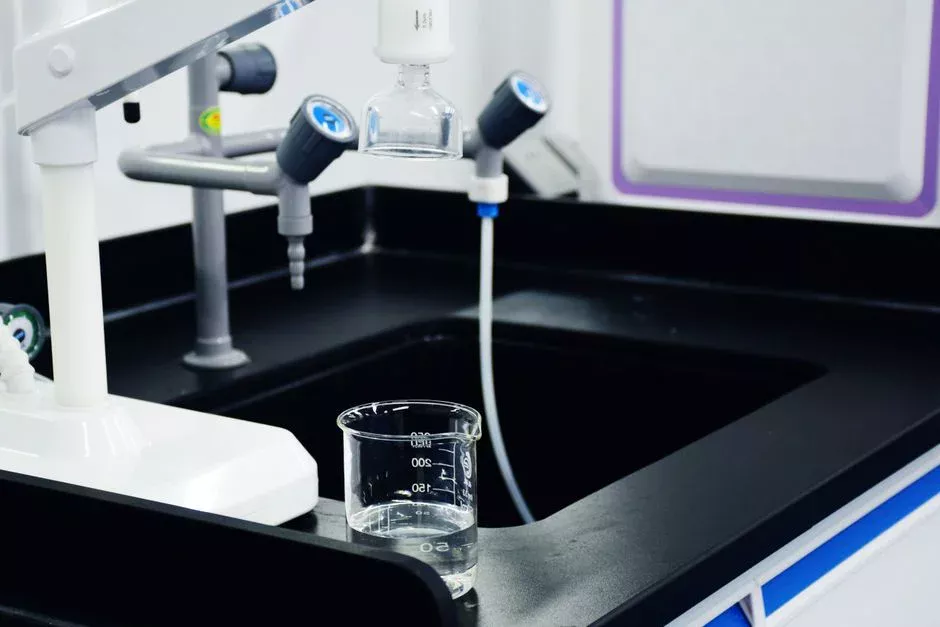
A compliant train for a Hungary SK On site runs in five stages. Stage 1 is headworks protection — a rotary bar screen plus grit chamber sized to handle paint sludge and shot-blast media carryover. Stage 2 is flow equalization plus a DAF system for automotive and battery wastewater, delivering 80–95% oil & grease removal and 50–70% TSS removal, which protects downstream biology from emulsion shock. Stage 3 is chemical precipitation at pH 9–10 plus a lamella clarifier for metal precipitation, with automatic chemical dosing for phosphate and metal precipitation keeping the setpoint when influent drifts. The dosing control matters: Hungarian self-check data shows 12 of 788 plants reporting TP an order of magnitude above the legal limit (per the 2024 Env. Sci. Europe study), and dose control is the dominant failure mode. Stage 4 is biological treatment — MBR versus MBBR is the engineering trade-off. MBR targets effluent COD <100 mg/L at the cost of higher energy and membrane replacement; MBBR cuts capex at slightly higher effluent COD. The MBBR engineering guide lays out the hydraulic-retention logic. Stage 5 is polishing — sand filtration or UF, with optional RO for water reuse on paint-shop and battery-cell rinse streams. Sludge from the DAF float and the lamella underflow routes to a plate and frame filter press for sludge dewatering to a 20–25% dry solids cake for disposal.
Two forward-looking watch items shape 2027 design decisions. UWWTD recast — design the biological HRT for the 2027 envelope now and reserve plot space for advanced oxidation or activated-carbon polishing on the most impacted streams. PFAS — the recast EU Water Directive is tightening PFAS, but the 2026 industrial-discharge number is not final; a polishing stage designed for pharmaceutical-class micropollutants is the same kit that will handle PFAS precursors at the next permit renewal.
Twelve-Month Post-Close Compliance Gantt
The 90-day Decree 314/2005 clock and the 180-day authority decision window are statutory deadlines, not project targets. Pairing each legal step with a treatment-train sizing decision stops the two tracks from drifting apart in the close plan.
| Window | Legal step | Treatment-train sizing decision |
|---|---|---|
| Day 0 (legal transfer) | Notify megyei kormányhivatal of operator change; appoint környezetvédelmi megbízott; commission baseline wastewater characterization | Lock influent envelope for BAT-AEL design basis |
| Day 1–30 | Re-file water-utilization right in new operator's name; novate local sewer consent; pull 3 years of seller's self-monitoring into data room | Map existing permit values to BAT-AEL gap |
| Day 30–90 | Submit integrated environmental permit application; install flow measurement and automatic sampler on discharge pipe | Issue EPC RFQ for DAF + lamella + MBR/MBBR sizing |
| Day 90–180 | Authority substantive review; if EIA triggered (Natura 2000 overlay or >150,000 m² footprint) add 60–90 days; report any non-compliance within 24 hours under the átmeneti szabályok framework | Place long-lead equipment orders (membranes, filter press) |
| Day 180–365 | OKIR enrollment for self-monitoring; operator training on corporate EMS; public register entry under IED Article 72; consider UWWTD-2027 retrofit if biological HRT is undersized | Commission polishing stage; baseline UF/RO reuse loop on paint + battery rinse |
Frequently Asked Questions
What is the statutory clock for an SK On operator change in Hungary?
Under Government Decree 314/2005 (XII.25.), the new operator must notify the megyei kormányhivatal and submit a complete IPPC application within 90 days of legal transfer. The authority's substantive decision is then due within 180 days of a complete application. Missing either window exposes the asset to administrative fines and injunction under Hungarian environmental liability law.
How do battery-chemistry streams change the standard automotive wastewater design?
Three additional segregated streams are required: electrode-coating wastewater (NMP, PVDF, carbon black; COD 3,000–10,000 mg/L) routed to NMP recovery via distillation, electrolyte rinse water (Li, Ni, Co salts) routed to chemical precipitation at pH 9–10 plus ion exchange, and intermittent formation-cycle wastewater routed to equalized feed for the biological step. Sanitary sewage is co-treated on-site with an MBR wastewater treatment system sized at ~200 L per capita per day for three-shift operations.
What does the 2024 UWWTD recast mean for a 2026 Hungary design?
The recast adds pharmaceutical-class micropollutant removal at WWTPs above 10,000 p.e. The formal transposition deadline is 2027, but Hungarian authorities are expected to act on nutrient tightening and micropollutant removal in 2026 (per the 2024 Env. Sci. Europe recast study). The on-site polishing step should be sized for the 2027 envelope now, with reserved plot space for advanced oxidation or activated-carbon polishing on the most impacted streams.
Which limit binds — local sewer-use ordinance, 27/2015, or BAT-AEL?
The hierarchy is most stringent of (a) Government Decree 27/2015, (b) EU STS BREF 2020 BAT-AEL, and (c) the local sewer-use ordinance issued by the municipal water utility. The EPC should size the polishing step to the BAT-AEL ceiling to avoid a permit-rewrite event at the next BAT review. The same logic applies in the parallel SK On Mexico plant acquisition wastewater guide.
What reporting obligations activate on Day 1 of operator control?
OKIR enrollment for self-monitoring is required, with validated flow-proportional composite samples. EU-wide, IED Article 72 puts the permit and the self-monitoring summary on the public register. In Hungary, the megyei kormányhivatal holds the IED permit, the local water directorate holds the discharge consent, and OKIR receives the self-monitoring data — all three notifications must land in the same 30-day window for a clean transfer.