Why a Garrison Metals Plant Cannot Afford a Clarifier Washout
On a January night outside Garrison, Montana, overnight temperatures drop below −25 °C and a 500 m³/day mill feed carries a Cu²⁺ pulse from a thickener upset. The mixed liquor in the aeration basin climbs past the ~5 mg/L threshold where free copper starts inhibiting nitrifiers and weakening floc; within one shift the secondary clarifier loses its blanket, suspended solids push past the 40 CFR Part 440 Ore Mining and Dressing daily-maximum TSS limit, and the morning composite sample is already non-compliant. Under 40 CFR Part 440, the binding federal floor for active ore mining operations sets daily-maximum and monthly-average limits on TSS, settleable solids, and a pH envelope of 6.0–9.0 (per EPA 40 CFR Part 440). For sites discharging to the Tongue or Powder River basins, Montana DEQ may layer selenium and sulfate numerical limits on top of the Part 440 ceiling, narrowing the safe operating window another notch.
The CAS failure window is documented and predictable: a heavy-metal pulse that pushes mixed-liquor free copper or hexavalent chromium above the toxicity threshold knocks 30–60% of removal efficiency offline for 24–72 hours, because the metal-laden floc itself is what the clarifier tries to settle, and the floc is exactly what the metal is killing (HydropureWater field data, 2026). That recovery window is the single largest compliance risk on a Montana winter operation, where sample turnaround and resampling logistics add days to any enforcement response. The choice between a submerged membrane bioreactor and a conventional activated sludge train is therefore a question of shock resilience and compliance margin, not steady-state BOD removal. A Garrison-area engineer evaluating biological treatment for a 200–1,000 m³/day feed under 40 CFR Part 440 needs to size that margin explicitly, and the MBR technology primer frames the equipment line-up that delivers it.
How Each Technology Actually Treats Mining Water
A conventional activated sludge train for mining duty runs equalization → pH adjustment → lamella clarifier → aeration basin (MLSS 2,000–4,000 mg/L, SRT 3–10 days, F/M 0.2–0.5 kg BOD/kg MLSS·d, SVI target 80–150 mL/g, DO 1.5–2.5 mg/L) → secondary clarifier → optional sand filter or DAF polish → disinfection. The clarifier is the load-bearing element. A submerged membrane bioreactor train collapses the same job into equalization → pH adjustment → rotary bar screen at 1–3 mm → biological reactor (MLSS 8,000–12,000 mg/L, SRT 20–40 days) → DF-series PVDF flat-sheet membrane cassette at 0.1 µm → permeate pump → optional RO for reuse. The membrane replaces both the secondary clarifier and the sand filter, and it physically retains biomass regardless of floc condition.
Mining feed breaks the CAS design envelope in three predictable ways. BOD/COD ratios often run below 0.3 because the carbon is partially refractory or metal-complexed, hardness lands in the thousands of mg/L as CaCO₃, sulfate often sits above 1,000 mg/L, and TDS climbs past 5,000 mg/L in arid districts where make-up water is scarce (HydropureWater field data, 2026). That matrix drives Thiothrix-type bulking and pinpoint deflocculation in secondary clarifiers, and the 5–15 day SRT typical of CAS does not give slow-growing nitrifiers enough residence time to recover from a salinity or metal pulse. MBR survives the same feed because the 0.1 µm cut-off keeps biomass in the tank, and a 20–40 day SRT supports slow-growing autotrophs plus biomass capable of degrading metal-chelating reagent complexes (Mannina et al., 2019, cited in HydropureWater 2026 mining wastewater guide). Cyanidation-circuit species — free cyanide, ammonia, thiosulfate — add oxygen-demand swings that only equalization and a high-SRT biology can ride out without a clarifier washout.
2026 Parameter Comparison: MBR vs CAS for Mining Service
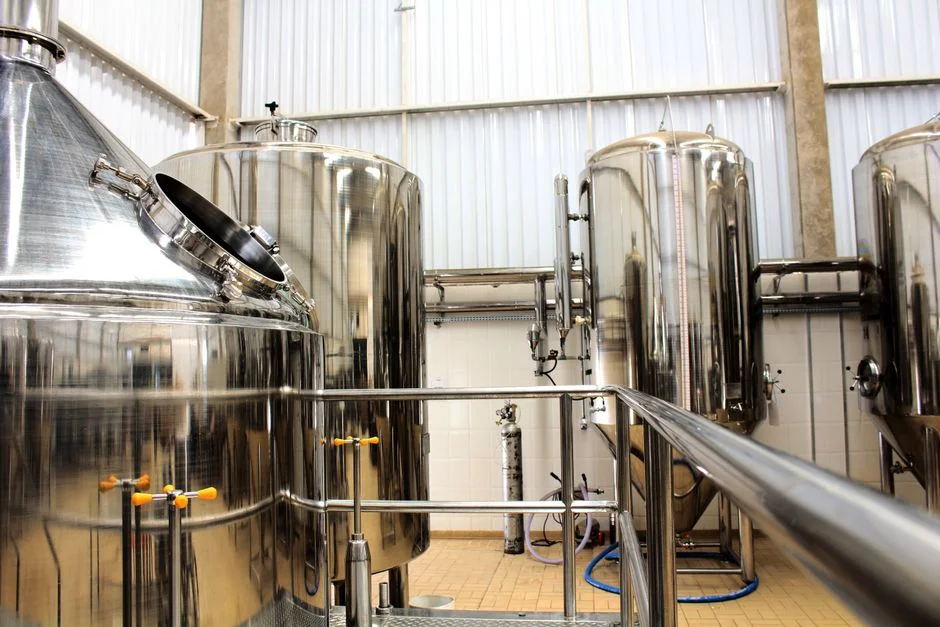
The table below consolidates the parameters a Garrison-area process engineer will paste into an internal memo. MBR numbers are anchored to the EPA Membrane Bioreactor Fact Sheet (Calls Creek and Cauley Creek facilities) and to Mannina et al. (2019); CAS numbers are typical secondary-clarifier performance for municipal-style activated sludge, with the caveat that mining feeds routinely run outside that envelope.
| Parameter | MBR (submerged PVDF) | CAS (clarifier-based) |
|---|---|---|
| MLSS (mg/L) | 8,000–12,000 | 2,000–4,000 |
| SRT (days) | 20–40 (mining), 30–60 typical | 3–10 (non-nitrifying), 5–15 (nitrifying) |
| F/M (kg BOD/kg MLSS·d) | 0.05–0.15 | 0.2–0.5 |
| Effluent TSS (mg/L) | <5 (per EPA Fact Sheet) | 10–30, excursions to >50 during upset |
| Effluent turbidity (NTU) | <1 (0.01–1.31 range) | 5–20 |
| Ammonia-N (mg/L) | 0.10–0.72 | 1–5 (nitrifying design) |
| Footprint, 300 m³/d plant (m²) | 80–120 (50–60% smaller) | 180–260 |
| Energy (kWh/m³ treated) | 0.6–0.9 | 0.4–0.6 |
| Sludge yield | 0.2–0.35 kg TSS/kg BOD | 0.3–0.5 kg TSS/kg BOD |
| Microplastics in effluent | 0.4 MP/L (Lares et al., 2018) | 1 MP/L (Lares et al., 2018) |
| Direct GHG (kgCO₂eq/m³) | 0.91 | 0.85 |
| Replacement / rebuild interval | Membranes every 5–8 yr | Clarifier internals 15–25 yr |
| Sensitivity to metal shock | Low (membrane retains biomass) | 30–60% efficiency loss for 24–72 hr |
For a packaged 200–1,000 m³/day skid sized to the Garrison flow band, the integrated MBR system ships with bioreactor, cassette frame, permeate pump skid, air-scour blower, and cleaning chemistries pre-piped. The MBR column's microplastics advantage (0.4 MP/L vs 1 MP/L, per Lares et al., 2018) matters where conveyor-belt abrasion and stormwater carry synthetic fragments into the wastewater. The GHG gap (0.91 vs 0.85 kgCO₂eq/m³) is small enough to be a tie-breaker, not a driver.
Cold-Climate Engineering for Garrison
Garrison sits in north-central Montana with winter lows near −30 °C, materially colder than the −7 °C band cited for milder US West sites. That gap flips the cold-climate calculus. Mixed-liquor viscosity rises at low temperature, dissolved-oxygen transfer falls off, and sustainable membrane flux drops 10–20% from December through February (HydropureWater field data, 2026). The 2026 mining-duty mitigation is a covered cassette enclosure plus a partially buried bioreactor, which holds flux stable and protects the air-scour blower intake from ice fog. Blower-room heat tracing and a cassette-frame stainless upgrade are standard scope, not optional extras.
Freeze-tolerant equalization sizing matters more for MBR than for CAS, because a frozen EQ basin shuts permeate flow on a membrane system before it shuts a clarifier train — a clarifier will still overflow and produce non-compliant but non-catastrophic effluent, whereas an MBR cassette running dry against a dead pump will scorch. For Garrison, EQ volume should be sized to 8–12 hours of average flow at minimum, with mechanical mixing and a covered surface. pH adjustment upstream of the biology is best handled by an automatic chemical dosing system sized for cold-weather viscosity, because lime slurries and caustic both behave differently below freezing and manual dosing drifts fast when an operator is working in a parka at 6 a.m.
Pretreatment, Sludge Handling, and Reuse Train
Undersized fine screening is the single most common MBR failure cause. All MBR systems require 1–3 mm screening immediately before the membranes, with the cutoff set by module type: hollow-fiber bundles need 1–2 mm; flat-plate cassettes like the DF series tolerate the 2–3 mm range (HydropureWater field data, 2026). The rotary bar screen at the headworks is the standard mining-duty answer, and the screening spec drives both CAPEX and the rest of the headworks design.
pH adjustment to 6.5–7.5 with lime or caustic before the MBR keeps dissolved metals precipitated as hydroxides and protects the biology. Pair the screen with the automatic chemical dosing system for lime, coagulant, and polymer feed. For high-turbidity or oil-laden mine water upstream of equalization, a DAF system removes floatables and protects the fine screens from blinding. MBR waste sludge has a lower settleability and more colloidal particles than CAS waste activated sludge, so a plate-and-frame filter press dewatered to 25–35% dry solids is the right disposal answer for Montana landfill haul economics, where the 30–60% lower hauling radius relative to out-of-state disposal sites tips the OPEX math in MBR's favor. For reuse trains, MBR permeate at TSS <5 mg/L and turbidity <1 NTU is suitable feed for a downstream reverse osmosis stage sized to the recovery target; an ultrafiltration stage is the right polish when reuse is for dust suppression or camp supply rather than boiler feed.
Garrison 20-Year LCC: MBR vs CAS at 500 m³/day
The numbers below are 2026 Class 5 (±25%) planning estimates, not bids. They assume a packaged turnkey scope — bioreactor, secondary separation, RAS/WAS pumping, basic controls — installed on a prepared pad with utility tie-ins within 50 m. Regional factors for freight to Garrison, mining-grade alloy trim, and freeze-protective civil works (basin insulation, cassette enclosure, heat-traced blower room) are included. The Garrison-area landfill hauling radius is 30–60% shorter than the comparable Arkansas site, which materially improves MBR's OPEX case because MBR's sludge yield is 0.2–0.35 kg TSS/kg BOD versus CAS at 0.3–0.5.
| Cost line (500 m³/d, 20-yr, 2026 USD) | MBR | CAS |
|---|---|---|
| Turnkey CAPEX (biological step) | 1.3–1.7× CAS baseline | 1.0× baseline |
| OPEX ($/m³ treated) | 15–30% above CAS | Baseline |
| Air-scour + permeate pump energy | 0.15–0.25 kWh/m³ above CAS | — |
| Cleaning chemicals (NaOCl + citric acid) | $0.02–0.05/m³ | Minimal |
| Membrane replacement (every 5–8 yr) | 10–15% of initial MBR CAPEX per event | — |
| Sludge hauling + landfill | 30–50% below CAS | Baseline |
| Civil works (cold-climate, Garrison) | Smaller basin, enclosure premium | Larger basin, deeper excavation |
| Payback window (reuse + civil offsets) | 4–7 years | n/a |
| Best-fit electricity tariff | >$0.09/kWh or water >$2/m³ | <$0.07/kWh, no reuse driver |
Sensitivity callout: Garrison-area grid power is tied to the regional coal-era transmission and is variable; if a site locks in below $0.07/kWh and has no reuse or ZLD driver, the case for CAS or a hybrid clarifier-plus-MBR polish strengthens. If a site pays above $2/m³ for purchased make-up water or pays to dispose of brine, the reuse revenue from an MBR permeate stream typically pulls payback inside 4–6 years even before avoided land cost and lower hauling are counted.
The Garrison Decision Rule and Pilot Checklist
Run this 30-second score against the actual site:
- Is the available footprint below ~500 m²?
- Does the site have a reuse or ZLD driver?
- Is the flow below ~2,000 m³/day?
Two out of three "yes" answers means MBR. Zero or one "yes" means CAS or a hybrid clarifier-plus-MBR polish on the reuse stream. For a Garrison-area site specifically, three regional factors push the answer toward MBR: the Tongue and Powder River selenium and sulfate limits raise the value of every cubic meter of reuse, 40 CFR Part 440 sets the heavy-metal ceiling, and the cold-climate civil work favors the smaller MBR basin that can be partially buried and enclosed.
Before committing CAPEX, rent one MBR cassette for a 60–90 day pilot against the actual feed and verify metals removal at the real influent matrix. Hand procurement a five-line pilot checklist on Monday morning: (1) influent characterization with 7-day composite, (2) equalization volume in hours of average flow, (3) fine-screen spec in mm, (4) membrane warranty length in years, and (5) 10-year membrane replacement cost in dollars per m² of membrane area. For the upstream coal-prep context that often sits next to a metals circuit on a Montana site, the coal mining wastewater characteristics and treatment guide covers the parallel feed envelope.
Frequently Asked Questions
Is MBR actually better than CAS for a Garrison mining plant under 40 CFR Part 440?
Yes, for the 200–1,000 m³/day flow band that defines most small-to-mid Montana metals and coal-prep operations. MBR permeate at TSS <5 mg/L and turbidity <1 NTU clears the Part 440 daily-maximum TSS limit with margin, while CAS effluent at 10–30 mg/L TSS with upset excursions leaves little compliance headroom (per EPA 40 CFR Part 440 and EPA Membrane Bioreactor Fact Sheet).
How long do MBR membranes last in Montana mining service?
5–8 years is the typical replacement interval for PVDF flat-sheet membranes in metal-laden mining service, assuming disciplined maintenance CIP with NaOCl 300–500 mg/L and citric acid 1–2% w/w, plus recovery cleans every 6–12 months (HydropureWater field data, 2026). Flux decline, transmembrane pressure creep, and fiber integrity tests are the leading indicators.
What is the real payback for MBR versus CAS on a remote Montana site?
4–7 years when reuse value, avoided land cost on a tight lease, and the 30–50% reduction in sludge hauling to a closer Montana landfill are counted. The window stretches past 7 years if electricity sits below $0.07/kWh and no reuse driver exists, in which case CAS or a hybrid train is the cheaper answer.
Can MBR handle a Montana winter at Garrison?
Yes, with a covered cassette enclosure, a partially buried bioreactor, heat-traced blower room, and a 10–20% winter flux derate from December through February. Winter lows near −30 °C in Garrison are materially colder than the −7 °C band cited for milder US West sites, so cold-climate civil work is not optional (HydropureWater field data, 2026).
Does MBR permeate support downstream RO for reuse?
Yes. MBR permeate at TSS <5 mg/L, turbidity <1 NTU, and BOD <5 mg/L is suitable feed for a downstream brackish-water RO sized to the recovery target, producing reuse-quality water for mill process loops, dust suppression, or camp supply.