Why Cooling Tower Blowdown Is the Defining Wastewater Stream for a Tokyo Data Center
A 100 MW facility can consume up to 2 million liters of water per day, with cooling-tower evaporation and blowdown the dominant loss path rather than chiller makeup or humidification (IDE, 2026). At 4 cycles of concentration, roughly 25–30% of makeup water exits the system as cooling tower blowdown; for a campus drawing 10 million gallons per month, that is 2.5–3 million gallons of concentrated discharge per month (Genesis Water Technologies, 2026). In the Tokyo region, hyperscale campuses in Inzai, Shiroi, Joetsu and the Tokyo Bay waterfront are being delivered through 2026–2027, intensifying pressure on the Tone and Tama system that supplies most industrial makeup water. The policy backdrop is no longer just PUE: Japan's METI Data Center Efficiency Guidelines (2023 update, in force through 2026) now require WUE reporting and reward reuse with benchmark recognition, and reuse does not exempt the site from effluent compliance. For a facilities engineer sizing a train, blowdown chemistry — not raw water cost — is the variable that determines equipment selection, permit risk and yen-denominated payback.
CTBD Chemistry in Tokyo: What Is Actually in the Blowdown
Tokyo-area makeup water drawn from the Tone and Tama systems typically runs TDS 70–200 mg/L with low hardness (calcium 8–18 mg/L, magnesium 3–8 mg/L) but with seasonal silica excursions of 8–25 mg/L during low-flow periods on the upper Tama. That profile matters because the limiting species in Tokyo CTBD is silica, not calcium carbonate. After 4–6 cycles, blowdown reaches 1,200–6,000 mg/L TDS with elevated calcium, magnesium, silica and alkalinity, plus the cooling-program additives — biocides, corrosion inhibitors, scale inhibitors and dispersants — that accumulate proportionally to cycles of concentration (Genesis Water Technologies, 2026). Suspended solids typically measure 10–50 mg/L from corrosion products, biofilm fragments and airborne dust, and the biological load includes planktonic bacteria and biofilm fragments that must be addressed before any membrane step (UGA TP-121, 2026).
Silica is the rate-limiting species in Tokyo specifically. Even soft makeup water concentrates silica past the 150–180 mg/L scaling threshold once cycles exceed 4, and conventional brackish-water reverse osmosis is capped at 75–80% recovery before silica scale forces a shutdown (IDE, 2026). Pushing recovery higher without controlled precipitation or a dynamic RO operating mode rapidly destabilizes the membrane stage. The envelope below is the working CTBD parameter window for a Tokyo site operating at 4–6 cycles; every number in the train selection table later in this article is anchored to this envelope.
| Parameter | Tokyo makeup (Tone/Tama) | CTBD at 4 cycles | CTBD at 6 cycles | Reuse/discharge implication |
|---|---|---|---|---|
| TDS | 70–200 mg/L | 1,200–1,800 mg/L | 2,500–6,000 mg/L | RO permeate 10–50 mg/L achievable; sewer limit often <1,500 mg/L |
| Calcium | 8–18 mg/L | 60–110 mg/L | 120–250 mg/L | CaCO₃ scaling risk above 6 cycles without antiscalant |
| Magnesium | 3–8 mg/L | 25–50 mg/L | 60–120 mg/L | Drives NF softening case |
| Silica (SiO₂) | 8–25 mg/L | 60–120 mg/L | 150–250 mg/L | Rate-limiting above 4 cycles; RO capped at 75–80% recovery |
| Alkalinity (as CaCO₃) | 30–60 mg/L | 200–400 mg/L | 400–700 mg/L | Langelier index must be controlled at reuse blend |
| Suspended solids | <5 mg/L | 10–30 mg/L | 20–50 mg/L | Side-stream filtration + UF required ahead of RO |
| Free/total chlorine | 0.3–0.8 mg/L | 0.1–0.5 mg/L (after program) | 0.1–0.5 mg/L | Must be quenched (<0.1 mg/L) before RO |
Contaminant classes listed by UGA TP-121 (2026) and EPA 2026 cooling-tower guidance include legacy chromate substitutes, phosphorus-based inhibitors, and oxidative biocides — all of which fall under Japan's 'specified substances' list once they enter the discharge stream. A pre-engineering bench test on site makeup water, run to the planned cycles of concentration, is the cheapest insurance against an equipment selection error that costs six months and ¥80–150M to correct. A self-cleaning rotary mechanical bar screen on the cooling-tower basin return is the standard first line of defense for TSS reduction before any membrane step.
Japanese Regulatory Framework: What Tokyo Actually Permits You to Discharge
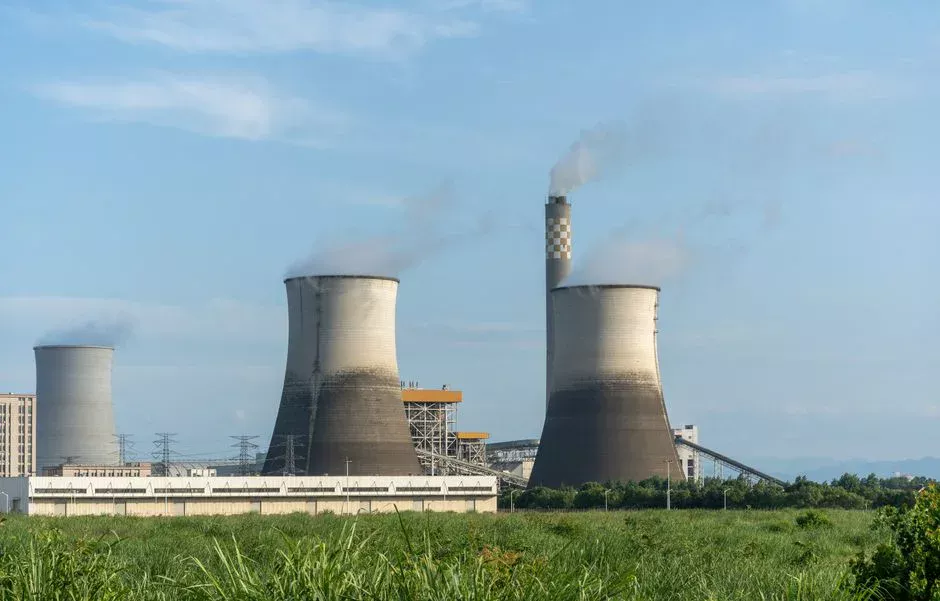
Japan's Water Pollution Control Act (水質汚濁防止法) sets the national effluent floor; the Tokyo Metropolitan Government layers stricter prefectural limits on top of it for pH (5.8–8.6 outside the basin, tighter inside), SS (≤200 mg/L national, ≤40 mg/L in some sewer contracts), COD, total nitrogen, total phosphorus and a list of metals including zinc, copper and hexavalent chromium. Cooling-tower chemicals — biocides, chromate substitutes, phosphorus-based inhibitors — are captured under the Act's 'specified substances' (特定排出施設) list and trigger enhanced monitoring on a quarterly to semi-annual cadence, with self-reporting to the prefectural governor. METI's Data Center Efficiency Guidelines (2023 update, in force through 2026) require WUE reporting and recognize high-recovery reuse with benchmark credit, but reuse does not exempt the site from effluent compliance — the permeate blend and the concentrate stream are both regulated.
For most Tokyo sites the practical discharge path is the local Bureau of Sewerage (東京都下水道局) pretreatment permit, which sets site-specific limits on TDS, phosphorus, heavy metals and biocide residuals before accepting the concentrate. Where on-site land is constrained and sewer capacity is tight — much of the bay waterfront and central Tokyo — the bureau is increasingly directing applicants toward high-recovery reuse before accepting a permit. Engineers should expect a 4–9 month permit review for a new CTBD discharge, longer if ZLD is proposed, and should plan for a 12-month compliance baseline once the train is commissioned. The current regulatory pressure on hyperscale water disclosure — exemplified by reporting mandates under discussion across multiple prefectures in 2026 — is documented in coverage of the South Bend data center wastewater disclosure case from 2026-09, and the same disclosure pressure is now reaching Japanese municipal stakeholders.
The 2026 Treatment Train Options Side by Side
Four trains are in scope for a 2026 Tokyo build. The selection logic is not "which is most efficient" but "which combination of CAPEX, OPEX, sewer permit risk and WUE reporting position is acceptable to the steering committee." Every option assumes side-stream filtration plus UF pretreatment in front of the membrane or thermal step; the variable is what happens to the concentrate.
| Option | Train | Recovery | Permeate quality | Discharge path | CAPEX (200 m³/day) | OPEX (¥/m³) | Tokyo 2026 fit |
|---|---|---|---|---|---|---|---|
| A — RO reuse | Side-stream filter + UF + BWRO | 70–85% | 10–50 mg/L TDS | Concentrate to sewer under permit | ¥30–60M | ¥180–360 | Default; lowest CAPEX, fast permit |
| B — High-recovery RO | UF + BWRO + fluidized-bed precipitation + dynamic RO | ~95% | ~1 mg/L silica permeate | Brine 5–10× reduced; sewer or partial ZLD | +¥20–40M vs A | ¥260–480 | Sweet spot for WUE targets; cuts discharge 80–90% |
| C — Partial ZLD | RO + MVC brine concentrator | 95–98% | Distillate <10 mg/L TDS | 20–30% TDS brine off-site hauling | ~2× Option B | ¥400–900 | When sewer permit is denied or denied conditionally |
| D — Full ZLD | RO + MVC + crystallizer | 95–99% | Distillate <10 mg/L TDS | Solid salt cake only; no sewer | ¥150–400M (hyperscale) | ¥600–1,800 | Only for board-level water-positive mandate |
Option A is the 2026 default for Tokyo. The PVDF ultrafiltration pretreatment ahead of RO is the workhorse, delivering 90–95% recovery on its own with chemical-free backwash, and the industrial RO system for cooling-tower makeup reuse produces a 10–50 mg/L TDS permeate that can be blended directly into the cooling-tower basin. Option B is the sweet spot for any site targeting METI WUE benchmark recognition or a corporate water-stewardship KPI: a fluidized-bed precipitation stage drops silica and hardness out as a dense pellet before the second RO pass, so overall recovery reaches ~95% with ~1 mg/L silica in the permeate (IDE, 2026). Options C and D enter the picture only when the Bureau of Sewerage declines a permit, the site is a zero-discharge showcase, or a board-level water-positive target overrides the OPEX penalty. For a parallel tropical-climate reference, the Jakarta data center blowdown engineering guide covers the same train logic in a higher-COC environment.
Pretreatment, Biocide Management and RO Membrane Protection
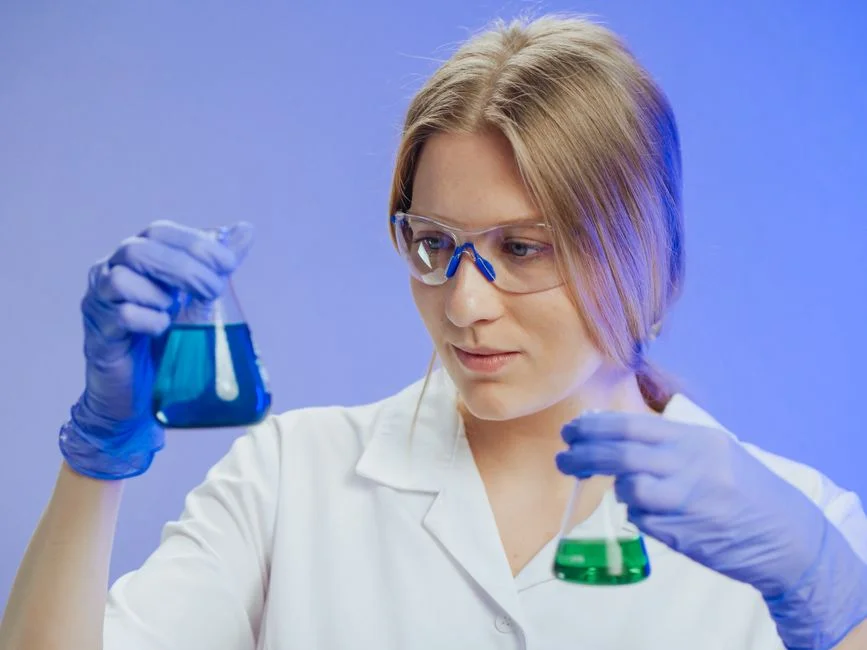
The most common failure mode in CTBD reuse is not the RO stage itself but fouled or scaled membranes from inadequate upstream removal of suspended solids, organics and treatment chemicals. A self-cleaning spiral side-stream filter at 10–25 micron cuts suspended solids to levels the downstream UF can handle without excessive backwash cycling (Genesis Water Technologies, 2026). The UF stage at 0.01–0.1 micron PVDF then achieves 90–95% recovery, tolerates high-turbidity spikes from basin upset, and backwashes with permeate on a fixed interval; chemical-enhanced cleaning is required only every 1–3 months. A multi-media filter polishing step ahead of the RO high-pressure pump catches the turbidity excursions that follow a cooling-tower fan or fill change-out.
Antiscalant selection is a discharge-permit decision as much as a membrane-protection decision. Phosphorus-based inhibitors are widely used in U.S. cooling programs but create a direct compliance conflict with Tokyo's total-phosphorus discharge limits and should be replaced with non-phosphate, low-fouling formulations. A PLC-controlled antiscalant and biocide dosing skid with closed-loop trim on RO concentrate pH and Langelier index keeps the inhibitor dose at the minimum effective rate. Biocide rotation between an oxidizing agent (chlorine dioxide or stabilized bromine) and a non-oxidizing agent (DBNPA or isothiazolone) prevents biofilm colonization of the RO feed; free chlorine residual must be quenched to below 0.1 mg/L ahead of the membranes with sodium bisulfite to avoid polyamide oxidation. A documented biocide neutralization step is also a permit-review asset, because the bureau routinely asks how the program prevents residual biocide from passing the sewer discharge limits.
2026 Cost, Footprint and Payback for a Tokyo Hyperscale Site
For a 200 m³/day CTBD stream, Option A (side-stream filtration + UF + BWRO) installs in the order of ¥30–60M with OPEX of ¥180–360/m³ once energy, antiscalant, membrane replacement and labor are summed (Genesis Water Technologies, 2026, converted to 2026 yen). The RO skid itself typically occupies 25–40 m² of floor area, with pretreatment and chemical dosing adding another 30–50 m²; a full Option A train including chemical rooms fits in a 100–140 m² equipment pad on a typical Tokyo site. Option B adds ¥20–40M to CAPEX for the fluidized-bed reactor and the second RO pass, but cuts discharge volume by 80–90% — the saving that typically pays back the upgrade in 3–5 years through avoided sewer fees, lower freshwater purchase, and a higher METI WUE benchmark rating. Option C roughly doubles the CAPEX of Option B; Option D triples it, putting hyperscale full ZLD into the ¥150–400M range with OPEX of ¥600–1,800/m³. The 2026 yen figures for Options C and D are derived from Genesis Water Technologies (2026) USD ranges at current FX; the site-specific number depends on energy tariffs, sewer pretreatment surcharges and the cost of off-site brine hauling.
| Cost line | Option A (RO reuse) | Option B (high-recovery RO) | Option C (partial ZLD) | Option D (full ZLD) |
|---|---|---|---|---|
| CAPEX (¥M, 200 m³/day) | 30–60 | 50–100 | 100–200 | 150–400 |
| OPEX (¥/m³ treated) | 180–360 | 260–480 | 400–900 | 600–1,800 |
| Footprint (m²) | 100–140 | 140–200 | 200–300 | 300–500 |
| Discharge volume | 100% (baseline) | 10–20% of baseline | 2–5% of baseline | 0% (solid only) |
| Payback horizon | — | 3–5 years | 5–8 years | Board mandate only |
| Tokyo sewer permit risk | Low | Low | Low (no discharge) | None |
Direct discharge fees in water-stressed basins already reach $5–$15 per thousand gallons (Genesis Water Technologies, 2026); Tokyo's Bureau of Sewerage tariffs are lower in absolute terms, but pretreatment surcharges on high-TDS concentrate and the tightening total-phosphorus limit replicate the same cost pressure on a per-m³ basis. The Medan data center blowdown treatment guide provides a parallel tropical baseline for OPEX in a higher-COC climate, useful when a Tokyo steering committee benchmarks a project against an APAC peer build.
Frequently Asked Questions
What is the standard treatment train for cooling tower blowdown at a Tokyo data center in 2026?
The 2026 default is side-stream filtration (10–25 micron) plus PVDF ultrafiltration (0.01–0.1 micron) feeding a brackish-water reverse osmosis system at 70–85% recovery, with concentrate discharged to sewer under a Bureau of Sewerage (東京都下水道局) pretreatment permit. The permeate at 10–50 mg/L TDS blends directly into the cooling-tower basin as makeup.
Does Japan require WUE reporting for data centers, and does reuse exempt a site from discharge compliance?
Yes. METI's Data Center Efficiency Guidelines (2023 update, in force through 2026) require WUE reporting and recognize high-recovery reuse with benchmark credit, but reuse does not exempt the site from the Water Pollution Control Act effluent standards or from Tokyo's stricter prefectural ordinances on pH, SS, total nitrogen, total phosphorus and metals.
When does full ZLD make sense for a Tokyo hyperscale build?
Full ZLD — RO plus MVC plus crystallizer at 95–99% recovery — is justified only when the Bureau of Sewerage declines a discharge permit, the site has a board-level water-positive mandate, or the operator is targeting a showcase WUE rating. The CAPEX premium is roughly 5–8× a standard RO-reuse train, with OPEX of ¥600–1,800/m³ at a 200 m³/day scale.
Why is silica the rate-limiting species in Tokyo CTBD reuse?
Tokyo makeup water from the Tone and Tama systems carries 8–25 mg/L silica, which concentrates past the 150–180 mg/L scaling threshold once cycles of concentration exceed 4. Conventional BWRO is capped at 75–80% recovery before silica scale forces a membrane shutdown; a fluidized-bed precipitation stage or a high-pH RO stage is required to push recovery to ~95%.
What permits and timelines should a Tokyo engineer plan for a new CTBD discharge?
A Bureau of Sewerage pretreatment permit review typically runs 4–9 months for a new CTBD discharge, longer if ZLD is proposed, and the Water Pollution Control Act requires semi-annual self-monitoring reports on specified substances once the train is commissioned. Engineers should plan a 12-month compliance baseline after commissioning and budget for enhanced monitoring on biocides, phosphorus and metals.