Why Carolina petroleum operators are rethinking CAS in 2026
North and South Carolina petroleum operators are running conventional activated sludge (CAS) trains designed for different influent and regulatory climates. A typical petroleum bulk-terminal wastewater stream carries free and emulsified oil, BTEX, phenols, sulfide, ammonia, and COD in the 500–2,000 mg/L range, often arriving in slugs from desalter dumps, tank draws, or ballast water. A CAS clarifier, which relies on gravity settling of a 2,000–4,000 mg/L mixed-liquor suspended solids (MLSS) blanket, is poorly equipped for that pattern: a 15-minute slug of emulsified oil at 300 mg/L can lift the sludge blanket, carry biomass over the weir, and stall nitrification for 24–48 hours. The North Carolina Department of Environmental Quality (NCDEQ) and the South Carolina Department of Health and Environmental Control (SCDHEC) both administer EPA-authorized NPDES pretreatment programs that build on the federal Clean Water Act (1972) and Safe Drinking Water Act (1974) baseline. Their local limits on oil and grease, phenols, sulfide, and ammonia often sit below what a struggling CAS train can reliably meet (per EPA 40 CFR 403). Compounding the load problem, Carolina mixed-liquor temperatures run 25–32 °C for most of the year, which drives filamentous bulking in CAS but also lifts membrane flux in MBR by 15–25% over winter baseline. Hurricane-season surge flow (June–November) is the third pressure point: a 3-day atmospheric river can double the hydraulic load on a small terminal and push a CAS clarifier past its solids-flux rating in a single shift. Operators are now evaluating whether to rebuild the CAS basin, retrofit the existing aeration tank with a membrane cassette, or run a sidestream MBR as a polish on the worst stream.
How MBR and CAS actually differ in a petroleum train
A conventional activated sludge train is an aeration basin followed by a secondary clarifier where biology processes the waste and gravity separates the biomass from the clarified effluent. Because the clarifier has a finite solids-handling rate, MLSS in a CAS basin is normally held between 2,000 and 4,000 mg/L, and the hydraulic residence time (HRT) is matched to that settling limit. Slow-growing nitrifiers and hydrocarbon-degraders risk washout whenever a slug pushes the system toward higher throughput, which is why CAS on refinery-strength wastewater often shows variable ammonia and phenol removal.
A membrane bioreactor (MBR) replaces the secondary clarifier with a submerged or sidestream ultrafiltration (UF) membrane cassette, typically polyvinylidene fluoride (PVDF) with a 0.02–0.1 µm pore size. The membrane serves as a physical barrier: bacteria, most colloids, and the great majority of viruses are rejected, and literature consensus confirms that 0.04–0.2 µm membranes retain them almost completely (Grasmick et al., 2012). Practical MBR geometries include flat sheet, hollow fibre, and multi-tubular; spiral-wound designs are unsuitable for activated-sludge duty because of plugging (PCI Membranes, 2024). Because the membrane replaces the clarifier, MLSS can be pushed to 8,000–12,000 mg/L, and sometimes higher, with no settling constraint. That higher biomass mass, retained continuously inside the reactor, raises biodiversity and supports the slow-growing organisms that break down phenols, naphthenic acids, and other petroleum recalcitrants. Effluent quality is a primary advantage: the MBR permeate is essentially solids-free, with turbidity typically below 0.5 NTU, making it suitable for direct feed to reverse osmosis (RO) when the plant is reusing water rather than discharging. For a deeper process walkthrough, see our 2026 MBR explainer with full process and cost detail.
Side-by-side parameters: MBR vs CAS for petroleum wastewater
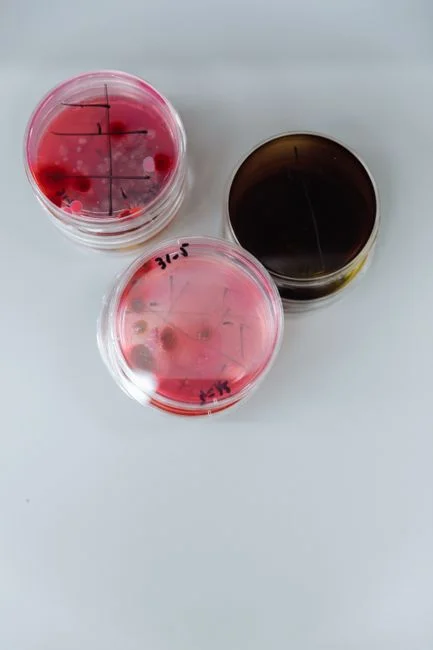
Engineers select a process based on the metrics that drive capex, footprint, and effluent risk. The table below compares CAS and MBR across parameters relevant to a Carolina bulk terminal or small refinery treating petroleum wastewater, with typical operating ranges drawn from municipal and refinery design references and MBR vendor literature (PCI Membranes, 2024; HydropureWater field data, 2026).
| Parameter | Conventional Activated Sludge (CAS) | Membrane Bioreactor (MBR) |
|---|---|---|
| Footprint (incl. clarifier or membrane tank) | Baseline | ~50% smaller; up to 60% smaller per HydropureWater product catalog for packaged units |
| MLSS in aeration basin | 2,000–4,000 mg/L | 8,000–12,000 mg/L, occasionally 15,000+ mg/L |
| Solids retention time (SRT) | 5–15 days typical | 20–60+ days; tolerates much longer SRT |
| Hydraulic retention time (HRT) | 6–12 h typical for refinery strength | 3–6 h typical for similar F/M |
| Effluent total suspended solids (TSS) | 10–30 mg/L | <1 mg/L (often <5 mg/L measured) |
| Effluent turbidity | 5–20 NTU | <0.5 NTU |
| Effluent COD (refinery strength feed) | 30–60 mg/L, variable | Typically 20–40 mg/L, more stable |
| Oil & grease in effluent | 5–15 mg/L with well-managed DAF upstream | <5 mg/L; tolerates emulsified oil better but DAF still required upstream |
| Ammonia (nitrification robustness) | Vulnerable to slug washout of slow growers | Stable at long SRT; supports complete nitrification |
| Sludge yield (WAS, per kg COD removed) | ~0.3–0.4 kg TSS/kg COD | ~0.2–0.3 kg TSS/kg COD at long SRT (lower yield) |
| Operator skill profile | Generalist; clarifier-focused | Process data-literate; comfortable with TMP and CIP recipes |
| Automation potential | Partial | High; viable for decentralized sites (PCI Membranes, 2024) |
Three metrics drive most of the capex conversation: footprint (~50% smaller for MBR), MLSS ceiling (roughly 3× higher for MBR), and effluent TSS (effectively zero versus 10–30 mg/L). MBR operating costs are higher regarding membrane aeration for scouring, which typically runs 0.3–0.6 m³ of air per m² of membrane area per hour, and chemical cleaning intervals of 6–12 months are standard. Both trains require a DAF oil and grease removal system upstream, because emulsified oil below ~50 mg/L will foul PVDF membranes within weeks and upset a CAS clarifier almost as fast.
Carolina-specific compliance: NCDEQ and SCDHEC pretreatment limits
North Carolina and South Carolina implement EPA-authorized NPDES pretreatment programs under 40 CFR 403, allowing control authorities to set local limits on industrial user discharges that are stricter than federal categorical standards. For petroleum terminals, tank farms, and small refineries, the parameters in published local limits include oil and grease, total phenols, sulfide, ammonia, and several metals, with daily-maximum and instantaneous-maximum values that must not be exceeded. A CAS effluent at 10–30 mg/L TSS can sit comfortably within those limits on a calm day, but a single slug that carries 50 mg/L TSS over the weir can trigger an instantaneous-maximum excursion. An MBR effluent at <1 mg/L TSS removes that failure mode because the membrane provides a physical barrier and permeate quality is decoupled from clarifier hydraulics. Additionally, NCDEQ and SCDHEC permits issued in 2025–2026 increasingly require or incentivize RO polishing for sites in water-stressed basins, where RO feed must be near-zero TSS to control fouling. Operators should confirm current limits with their control authority before issuing any RFQ; this article serves as a 2026 engineering guide rather than a permit. For a comparable Southern U.S. pretreatment playbook, see the petroleum pretreatment compliance playbook from a neighboring Southern U.S. jurisdiction.
When CAS still wins, and when MBR is the right call
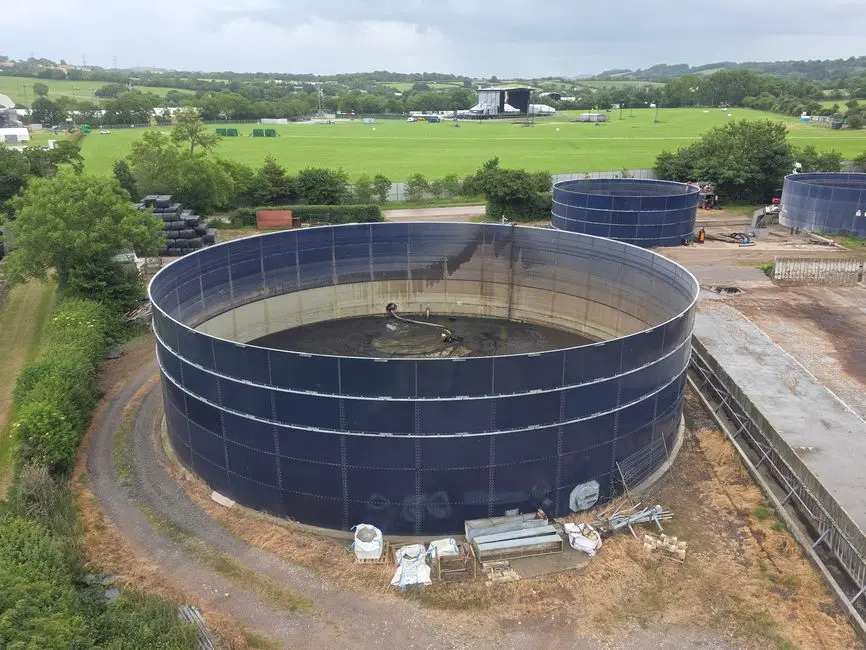
CAS remains a viable technology when project variables align with its specific strengths. The table below outlines factors a Carolina engineer can use to justify a process decision during a steering meeting.
| Project variable | Favors CAS | Favors MBR |
|---|---|---|
| Available land | Plenty, low $/acre (e.g., rural SC coastal plain) | Constrained (port, urban terminal, brownfield) |
| Influent variability | Steady, equalized, low O&G | Slugs of oil, phenol, sulfide; intermittent batch discharges |
| Effluent TSS target | 10–30 mg/L acceptable (typical NCDEQ daily max) | <5 mg/L required, or near-zero for RO feed |
| Local limit trajectory | Stable | Tightening (oil & grease, ammonia, or total phenols) |
| Operator staffing | Existing CAS-trained team, daily rounds | Decentralized site, limited operator presence, automation preferred |
| Reuse goal | Discharge-only | RO reuse, scrubber makeup, or cooling-tower makeup |
Retrofitting is the most common 2026 case in the Carolinas, where a plant with a working aeration basin and a failing clarifier upgrades by adding a membrane cassette in a new tank, reusing existing blowers, and converting the old clarifier into a wet buffer for hydraulic equalization. This path delivers MBR effluent quality without scrapping existing civil work. Where the retrofit is not attractive—for example, on a small desalter brine or spent-caustic pretreatment stream with high temperature and TDS—a sidestream (pressure-driven) MBR, often multi-tubular PVDF, is preferred for its tolerance of high suspended solids. For larger flows with steadier loads, the submerged configuration in an integrated MBR system for petroleum bulk wastewater typically wins on energy consumption. MBR also facilitates full automation, a significant advantage at unstaffed bulk terminals. The supporting RAS and WAS pump maintenance for activated sludge plants content applies to either train, as both produce a waste-activated sludge stream that requires thickening and dewatering, usually on a sludge dewatering for the waste activated sludge stream filter press or screw press.
Cost, energy, and O&M trade-offs in 2026
Capital cost favors CAS when the basin and clarifier already exist; new-build MBR trains carry higher equipment costs due to membrane cassettes, frames, permeate pumps, and upgraded aeration systems. However, the civil side often favors MBR, as a 50%+ smaller footprint reduces costs for concrete, excavation, and piping. On the operating side, MBR incurs higher costs for membrane aeration (typically 30–50% of the train's process-blower load) and periodic chemical cleaning with sodium hypochlorite and citric acid, whereas CAS costs are weighted toward clarifier maintenance, polymer for sludge thickening, and hauling or dewatering costs. PVDF cassettes have a multi-year service life and should be budgeted as a predictable line item rather than an emergency reserve. MBR requires an operator comfortable reading transmembrane pressure (TMP) trends and managing clean-in-place (CIP) recipes. For a 100–500 m³/day petroleum stream in the Carolinas, packaged MBR CAPEX in 2026 typically lands 20–60% above an equivalent CAS rebuild on equipment, partially or fully offset by civil savings, with OPEX running 10–25% higher per cubic meter treated, depending on influent variability, energy cost, and the operator's membrane stewardship.
Frequently Asked Questions
For a Carolina petroleum terminal with slugs of oil and phenol, is MBR
Frequently Asked Questions
Is MBR better than conventional activated sludge for petroleum wastewater?
Membrane Bioreactor (MBR) technology is generally superior for petroleum wastewater due to its ability to achieve complete solids separation via micro- or ultrafiltration membranes, which bypasses the common issues of sludge bulking and pin-floc carryover associated with conventional activated sludge (CAS). MBR systems consistently produce higher quality effluent with turbidity often below 0.2 NTU, facilitating easier compliance with stringent discharge limits for hydrocarbons and suspended solids.
While CAS requires secondary clarifiers that are sensitive to the density fluctuations of hydrocarbon-laden sludge, MBRs decouple hydraulic retention time (HRT) from solids retention time (SRT). This allows for the selection of specialized, slow-growing bacteria capable of degrading complex recalcitrant petroleum hydrocarbons that CAS systems often fail to process effectively.
What is the footprint difference between MBR and CAS for an oil refinery?
MBR systems typically require 50% to 70% less physical footprint than conventional activated sludge systems. Because MBRs eliminate the need for large secondary clarifiers and operate at significantly higher biomass concentrations, the total tank volume required for the biological process is drastically reduced.
In the space-constrained environments of Carolinas-based refineries, this reduction allows for the integration of advanced treatment processes within existing site boundaries. The elimination of gravity-based settling tanks also reduces the total civil infrastructure costs associated with large, deep concrete basins required for conventional secondary sedimentation.
Can MBR handle oil and grease from a petroleum bulk terminal?
MBRs can handle oil and grease, but they require robust upstream pretreatment, such as Dissolved Air Flotation (DAF) or API separators, to prevent membrane fouling. Free-phase oil must be removed to levels typically below 50 mg/L before entering the membrane tank to ensure long-term flux stability and prevent hydrophobic coating of the membrane surface.
When properly pretreated, the MBR’s high SRT allows the biological community to acclimate to and effectively oxidize emulsified hydrocarbons that remain post-DAF. This dual-stage approach ensures that the membrane bioreactor remains protected from high-viscosity oil slugs while successfully meeting stringent effluent oil and grease discharge standards.
What MLSS can an MBR run compared to a CAS basin?
MBR systems typically operate at Mixed Liquor Suspended Solids (MLSS) concentrations ranging from 8,000 mg/L to 15,000 mg/L, whereas conventional activated sludge basins are generally limited to between 2,000 mg/L and 4,000 mg/L. This higher concentration is maintained because the membrane filtration process is independent of the sludge settling characteristics that restrict CAS operation.
Operating at these higher densities increases the volumetric loading rate, allowing for a much smaller reactor volume. However, operators must carefully manage oxygen transfer efficiency and viscosity at these higher MLSS levels to ensure that the biological process remains aerobic and efficient.
How do NCDEQ and SCDHEC pretreatment limits affect the MBR vs CAS choice?
Both the North Carolina Department of Environmental Quality (NCDEQ) and the South Carolina Department of Health and Environmental Control (SCDHEC) enforce strict NPDES permit limits that increasingly target Total Suspended Solids (TSS), oil and grease, and specific volatile organic compounds (VOCs). MBR technology is often the preferred choice for new or upgraded facilities in the Carolinas because it acts as an absolute barrier to TSS, ensuring consistent compliance with these regulatory standards regardless of influent variability.
For facilities discharging into sensitive watersheds or those facing stricter local pretreatment limits for heavy metals and hydrocarbons, MBRs provide a higher safety factor. While CAS may struggle to meet low-level discharge limits during cold weather or process upsets, the physical membrane barrier provides a reliable, consistent effluent quality that simplifies the reporting and compliance requirements for state environmental agencies.