What Mining and Metals Wastewater in Brookwood Actually Looks Like
Brookwood mining and metals factories in 2026 choose DAF when wastewater carries floatable oils, low-specific-gravity fines, and metal hydroxides; they choose a lamella clarifier when the load is dominated by heavy, settleable suspended solids above ~2,000 mg/L. DAF systems generate 30–50 micron micro-bubbles that lift floatables, while lamella units achieve surface loading rates of 20–40 m/h on settleables — both must sit ahead of 40 CFR Part 437 discharge limits.
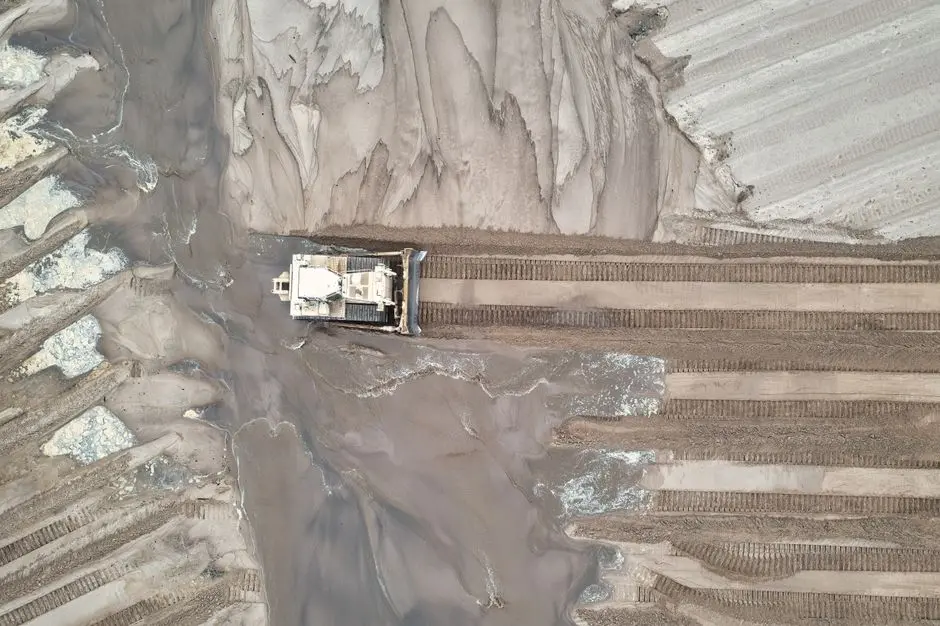
Brookwood sits on the southwestern flank of the Warrior coalfield within the Tuscaloosa Group, a geologic sequence dominated by sandstone, clay, and iron-bearing minerals. Local water picks up hardness, iron, and suspended fines before it reaches a plant, and process water adds to this load. Coal handling and prep plants push coarse refuse and clays into their runoff; mineral beneficiation circuits add crushed ore fines and reagent carryover; metal finishing operations contribute acidic rinsewater, nickel/copper/zinc-bearing drag-out, and emulsified lubricants. Raw influent to the pretreatment train spans a wide envelope:
| Parameter | Typical Brookwood mining/metals range | Source |
|---|---|---|
| Total Suspended Solids (TSS) | 500–5,000 mg/L (peaks to ~10,000 mg/L in coal washdown) | EPA Ore Mining & Dressing profile (40 CFR Part 437) |
| Fats, Oil & Grease (FOG) | 50–500 mg/L in metal-finishing washdown; trace in coal handling | Kemco Systems industrial DAF guidance |
| pH | 2–11 swings from acid mine drainage and caustic cleaning | Waterworks DAF design guidance |
| Dissolved metals of concern | Fe, Mn, Al, Zn, Cu, Pb (regulated under 40 CFR Part 437) | 40 CFR Part 437 categorical standards |
| Hardness / TDS | 200–1,200 mg/L as CaCO₃ from Tuscaloosa Group aquifer contact | HydropureWater field data, 2026 |
The characterization step requires splitting the load into a floatable fraction (oils, low-SG fines, metal-hydroxide flocs) and a settleable fraction (coarse mineral particles, sand, scale). That split, rather than the headline TSS number, drives the equipment choice. Coarse screening and flow equalization should sit upstream of either technology to dampen peak flow and strength (Waterworks DAF design guidance).
DAF and Lamella Clarifier: How Each Technology Actually Works
A DAF system takes clarified effluent, pressurizes it with air in a saturation vessel, and re-injects it into the flotation tank. Pressure release forms 30–50 micron micro-bubbles (per Clearwater Industries process documentation) that attach to oil droplets, low-SG fines, and flocculated metal hydroxides. The bubble-particle agglomerate rises to the surface, where a skimmer pulls the float layer to a sludge hopper; clarified effluent exits below the float blanket and above any settled solids. Coagulant and polymer are dosed upstream through flocculation tubes or mix tanks to build a dense, dewaterable floc suitable for 40 CFR Part 437 limits (Clearwater Industries, 2026).
A HydropureWater lamella clarifier uses inclined plates set at 55–60° to multiply the effective settling footprint. The plate pack delivers surface loading rates of 20–40 m/h on settleable solids — roughly 10–20× a conventional clarifier of equal plan area. Sludge recirculation improves floc contact and reduces polymer demand relative to a single-pass basin. Lamella suits sand, coarse ore particles, and high-mass suspended solids that require a quiet surface to drop out of suspension; it is ineffective for free oil or low-SG fines that will not sink.
DAF and lamella are not interchangeable. DAF targets floatables — FOG, oil sheen, low-SG metal hydroxide flocs; lamella targets settleables — coarse mineral particles and high-mass TSS. Both technologies require chemical conditioning to meet categorical pretreatment limits, and both should be followed by downstream sludge dewatering to control hauling costs.
Side-by-Side: DAF vs Lamella Clarifier for Mining Duty
Selecting equipment requires evaluating the physical parameters that govern tank sizing: 30–50 micron bubbles for DAF, 20–40 m/h surface loading for lamella. The two technologies diverge on footprint, polymer demand, and CAPEX/OPEX profiles. The table below consolidates the metrics needed for procurement or ADEM reporting.
| Parameter | DAF (e.g., DAF system) | Lamella Clarifier (e.g., HydropureWater lamella clarifier) |
|---|---|---|
| Target fraction | Floatables: FOG, oil sheen, low-SG fines, metal hydroxide flocs | Settleables: sand, coarse ore particles, high-mass TSS |
| Headline physical parameter | 30–50 µm micro-bubbles (Clearwater Industries) | 20–40 m/h surface loading on inclined plates |
| TSS removal (typical) | 80–95% on floatable/colloidal fractions | 70–90% on settleable fractions |
| Hydraulic residence time | 15–30 min (incl. recycle loop) | 20–45 min (single-pass) |
| Footprint at 50 m³/h | Compact (~6–8 m² plan area) | Larger civil footprint without inclined plates |
| Polymer demand | Lower on floatables; thicker sludge | Higher on settleables; thinner sludge |
| CAPEX swing items | Air saturation vessel, recycle pump, skimmer mechanism | Plate pack, sludge recirculation pump, civil basin |
| OPEX drivers | Recycle pump energy, polymer, periodic nozzle maintenance | Polymer, sludge pumping, plate cleaning |
| Hybrid 2026 option | Lamella primary → DAF polish for combined heavy-mineral + oily streams | |
Facilities with both heavy settleables and an oily sheen — a common Brookwood profile from coal-handling plus metal-finishing washwater co-pretreatment — can run a lamella primary for mass reduction followed by a DAF polish for floatables. This hybrid train avoids forcing a binary choice when neither unit alone hits 40 CFR Part 437 categorical limits.
Brookwood Compliance Path: 40 CFR Part 437 and Local Limits
Brookwood facilities discharging to the Parker Ferry POTW operate under a two-layer regulatory frame: federal categorical pretreatment standards under 40 CFR Part 437 (Ore Mining and Dressing Point Source Category) and local Jefferson County/ADEM sewer-use limits. The categorical standards set daily-maximum and monthly-average limits for TSS, total recoverable metals (Fe, Mn, Al, Zn, Cu, Pb), and pH. Lamella alone rarely achieves the residual TSS required at the categorical limits; DAF plus chemical precipitation is the workhorse for hitting dissolved metals targets because metal hydroxides flocculate and float readily when conditioned.
| Constituent | 40 CFR Part 437 typical limit (daily max) | Jefferson County/POTW typical limit | Treatment lever |
|---|---|---|---|
| TSS | ~50 mg/L (subcategory-dependent) | Often 30–45 mg/L | Coagulation + DAF or lamella + filtration polish |
| Total Zn / Cu / Pb | 0.5–1.0 mg/L range | Often 0.1–0.5 mg/L | pH 8.5–9.5 precipitation + DAF |
| Fe / Mn | 1–2 mg/L range | Often 0.5–1.0 mg/L | Oxidation + pH adjustment + DAF |
| pH | 6.0–9.0 (categorical) | 6.0–9.0 (POTW) | Automatic acid/caustic dosing upstream |
POTW pretreatment permitting requires a sampling plan, slug control plan, and written Best Management Practices. For a 2026 pretreatment compliance walkthrough specific to the regional mining context, see the mining and metals 2026 pretreatment compliance walkthrough and the broader regional POTW and categorical pretreatment guide for mining.
Cost and Operating Reality in 2026
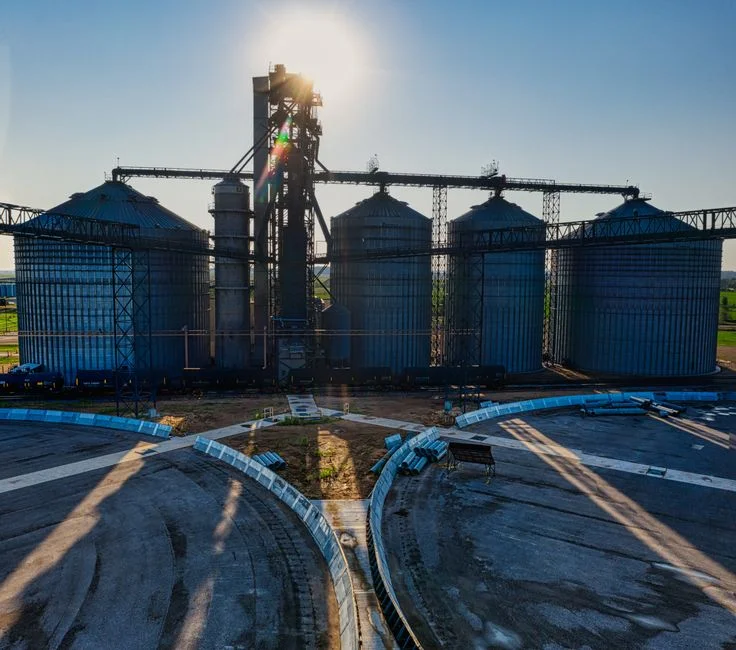
DAF CAPEX runs 20–40% higher than an equivalent-flow lamella clarifier due to the air saturation system, recycle pump, and skimmer mechanism (per Clearwater Industries component guidance); lamella CAPEX is dominated by civil basin cost and the plate pack. OPEX favors DAF when the stream is oily: DAF polymer demand on floatables is generally lower than lamella on the same stream, and DAF sludge is typically thicker, reducing downstream dewatering costs. A PLC-controlled coagulant and polymer dosing skid allows operators to stabilize chemical spend despite influent swings.
For a 50 m³/h Brookwood mining duty, a 2026 budgetary range is $180,000–$320,000 for a packaged DAF and $130,000–$240,000 for a packaged lamella of equivalent hydraulic capacity, excluding civil work and installation (HydropureWater field data, 2026). Plan for a downstream sludge dewatering filter press in either case; skimmed or settled sludge that goes to the press at 18–25% dry solids drops hauling costs by 60–75% versus lagooned sludge, per Kemco Systems dewatering guidance. For sludge handling specifics, the mining and metals sludge treatment process guide details press selection and cake handling.
Decision Framework: Which One Should Your Brookwood Plant Choose
Apply the following criteria to determine the technology choice:
- If FOG > 50 mg/L, oil sheen, or low-SG metal hydroxide flocs dominate the influent → DAF. The bubbles lift what gravity cannot settle.
- If TSS > 2,000 mg/L, coarse ore particles, sand, and minimal oil → lamella clarifier. The plates provide the heavy fraction a surface to settle.
- If both floatables and heavy settleables are significant → lamella primary followed by DAF polish. This hybrid configuration is a viable 2026 option for Brookwood plants co-treating coal-handling and metal-finishing streams.
Jar tests and a 30–60 day pilot on the actual Brookwood stream are required before finalizing equipment selection. Waterworks and Clearwater Industries recommend pilot work for 2026 capital decisions because Brookwood feed fluctuates based on rainfall, ore body, and production schedules.
Frequently Asked Questions
Can a lamella clarifier meet 40 CFR Part 437 metals limits on its own?
Rarely. Lamella removes settleable TSS, but dissolved metals require pH adjustment and coagulant precipitation. Pair lamella with chemical precipitation and a DAF polish, or run DAF as the primary clarifier when metal hydroxides are the target. The categorical standards at 40 CFR Part 437 are based on the combined physical-chemical train, not a single unit operation.
How much more does DAF cost than a lamella clarifier in 2026?
For a 50 m³/h mining duty, packaged DAF CAPEX runs 20–40% above an equivalent-flow lamella because of the air saturation system,
Frequently Asked Questions
Is DAF or a clarifier better for mining wastewater in Brookwood?
The choice depends on the specific gravity and particle size of the suspended solids. Dissolved Air Flotation (DAF) is generally superior for mining wastewater containing oil, grease, or low-density metal precipitates that tend to float, whereas clarifiers are more effective for high-density, inorganic mineral solids that settle rapidly via gravity.
In Brookwood’s specific industrial context, DAF systems are preferred when the effluent contains high concentrations of emulsified hydrocarbons or fine particulate matter with a specific gravity near 1.0, while lamella clarifiers are more suitable for heavy-metal-laden sludge with a specific gravity exceeding 2.5.
What TSS removal can a DAF achieve on metal-finishing wastewater?
A properly optimized DAF system can achieve Total Suspended Solids (TSS) removal efficiencies ranging from 85% to 98% in metal-finishing applications. These systems typically reduce influent TSS concentrations from 500–2,000 mg/L down to less than 50 mg/L in the final effluent.
Achieving the higher end of this range requires precise chemical coagulation and flocculation upstream, with typical polymer dosage rates between 2 and 10 mg/L to ensure micro-bubble attachment to metal hydroxide flocs.
Do Brookwood factories have to meet 40 CFR Part 437 limits?
Yes, any facility in Brookwood classified under the Centralized Waste Treatment (CWT) category must comply with 40 CFR Part 437. These federal regulations mandate stringent effluent limitations for specific pollutants, including heavy metals like copper, lead, and zinc, as well as total organic carbon (TOC).
Facilities must ensure that their wastewater treatment train—whether using DAF or clarification—is capable of meeting the Best Available Technology (BAT) standards defined by the EPA for the specific subcategory of waste being processed.
How much does a DAF system cost for a 50 m³/h mining flow in 2026?
As of 2026, the capital expenditure for a modular DAF system rated for a 50 m³/h flow typically ranges from $185,000 to $320,000. This price variation is driven by the choice of construction material, such as 304 or 316 stainless steel, and the inclusion of integrated automated chemical dosing skids.
Operational costs for a system of this size, excluding sludge disposal, are estimated at $0.15 to $0.35 per cubic meter of treated water, accounting for air saturation energy requirements and flocculant consumption.
Can a lamella clarifier remove heavy metals, or do I need DAF?
A lamella clarifier can effectively remove heavy metals, provided the metals have been chemically precipitated into a dense hydroxide or sulfide sludge. If the metals are in a dissolved state, the clarifier alone will not remove them; they must first be converted to a solid phase through pH adjustment and chemical precipitation.
If the resulting metal precipitates are light or exhibit slow settling velocities, a DAF is often required as a secondary or primary separation step to ensure compliance with stringent discharge limits that a standard gravity clarifier might miss due to hydraulic short-circuiting.