What an Effluent Treatment Plant in Glasgow Must Handle in 2026
An effluent treatment plant in Glasgow in 2026 typically processes 10–500 m³/day of mixed industrial wastewater from distillery stillage, food processing lines, oil and gas support activities, university research laboratories, hospital laundries, and metal finishing shops. Influent characterisation on these sites routinely shows BOD of 800–3,000 mg/L, TSS of 200–1,500 mg/L, oil and grease above 200 mg/L, and ammonia nitrogen exceeding 100 mg/L during peak production. Two consenting regimes run in parallel: SEPA enforces direct discharge to the environment under the Controlled Activities Regulations (CAR) via a CAR licence or, for smaller sites, a CAR-SBR registration, while any discharge to public sewer requires a separate trade effluent consent from Scottish Water under the Sewerage (Scotland) Act 1968. Both consents set site-specific limits for COD, BOD, TSS, NH4-N and total nitrogen, and SEPA's tighter ammonia and phosphorus limits introduced for the 2026 cycle make biological nutrient removal effectively mandatory for any Clyde-discharging site above 50 m³/day. Membrane polishing, typically nanofiltration or ultrafiltration, is the established route to bring WWTP effluent to a quality consistent with the EU Water Framework Directive standards (per Schrader, University of Twente PhD thesis, on direct nanofiltration of WWTP effluent for WFD compliance). Designers who start with a measured characterisation, not a catalogue, avoid the most common 2026 commissioning failure: hardware that meets spec on day one but cannot hold the consent BOD and NH4-N values under real hydraulic loads.
How a 2026 ETP Process Train Is Built
A defensible 2026 ETP for a Glasgow industrial site is a four-stage train, with sludge handling bolted on at the end. Stage 1 is screening: a GX rotary bar screen with 2–10 mm apertures removes rags, plastics and large debris, and dual overload protection (mechanical rake plus bypass weir) prevents flooding if rags blind the bar rack during a washdown surge. Stage 2 is primary treatment, almost always a DAF system rated 4–300 m³/h, which lifts FOG and suspended solids on micro-bubbles ahead of the biological stage. DAF is the default for distillery pot ale, dairy washwater, poultry processing, and refinery oily water because it strips 60–90% of FOG and 40–70% of TSS in a single pass, reducing the organic load on the aeration tank. Stage 3 is secondary biological treatment, either conventional anoxic/aerobic activated sludge for larger sites (above ~200 m³/day) or a packaged MBR system for flows of 10–2,000 m³/day where footprint or effluent quality is critical. The Indian abattoir benchmark published in Frontiers in Environmental Science recorded final COD of 26–89 mg/L, BOD of 41–79 mg/L, and NH4-N reductions above 95% on three full-scale DAF-plus-biological plants operating at 254–427 m³/day — the same flow range as a mid-sized Glasgow food processor. Stage 4 is tertiary polishing and disinfection, typically a 0.03 μm UF membrane running at 2,000–40,000 L/h followed by a ClO₂ generator sized 50 g/h to 20,000 g/h for residual disinfection, or UV where chlorine residuals are unacceptable. Sludge from DAF and the biological stage is thickened and dewatered on a plate and frame filter press with 1–500 m² filtration area, producing a cake typically 22–28% DS for off-site disposal.
MBR vs DAF + Activated Sludge vs UF: 2026 Selection Matrix for Glasgow Sites
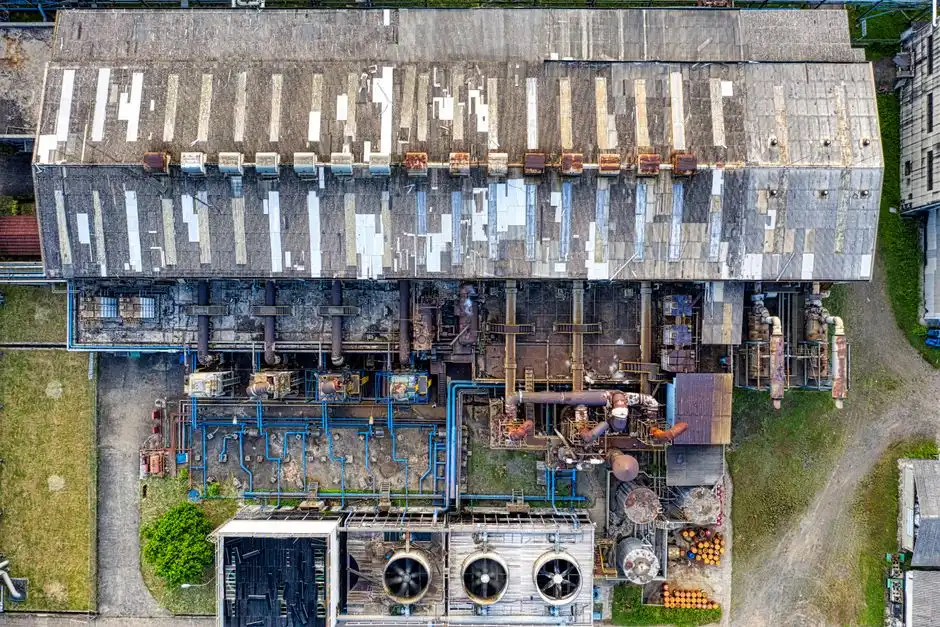
Choosing between MBR, DAF-plus-activated-sludge (DAF+AS) and standalone UF is the single most consequential decision a Glasgow engineer will make in 2026. The table below anchors the choice in the S2 abattoir benchmark and the operating envelope typical of Glasgow distillery, food, and oil and gas support sites. None of the three Indian reference plants were designed for nutrient removal, so any Glasgow plant discharging to a sensitive Clyde tributary must add a tertiary N step (nitrification plus denitrification) regardless of which core technology is selected.
| Parameter | Packaged MBR | DAF + Activated Sludge | Standalone UF (polishing) |
|---|---|---|---|
| Flow range | 10–2,000 m³/day (per HydropureWater MBR specification) | 50–5,000 m³/day (DAF 4–300 m³/h per unit) | 2,000–40,000 L/h (0.03 μm) |
| Footprint vs CAS | ~60% smaller than conventional activated sludge | Largest (clarifier + aeration + RAS) | Smallest, but no biological removal on its own |
| Final COD (mg/L) | <30 typical; aligns with S2 Al Noor result of 26 mg/L | 26–89 (S2 Meem Agro, Al Noor, IAF range) | <10 from MBR permeate; standalone UF does not reduce COD significantly |
| Final BOD (mg/L) | <5 typical; aligns with S2 Al Noor result of 41 mg/L overall plant | 41–79 (S2 observed) | Same as feed unless paired with biological stage |
| NH4-N removal | >99% achievable with MLSS 8,000–12,000 mg/L and DO >2 mg/L (per Frontiers in Environmental Science abattoir study) | 90–99% with extended aeration; sensitive to sludge settleability | None standalone |
| Indicative CAPEX (per m³/day, 2025–2026 UK supply) | Highest (membranes, scour air, integrity testing) | Lowest (most civil work, least exotic hardware) | Moderate as polishing stage |
| Indicative OPEX (per m³, 2025–2026 UK) | Power-dominant (membrane aeration); CIP chemicals 2–4×/year | Sludge haulage and DAF coagulant dominant | Lowest energy; membrane replacement every 5–7 years |
| Best fit on the Clyde | Distillery and food sites with reuse intent and constrained footprint | Mid-size food and oil and gas sites with trained O&M staff | Reuse line on top of MBR or DAF+AS permeate |
For most Glasgow distilleries and food processors above 200 m³/day, a DAF+AS plant with a downstream 0.03 μm UF polishing stage is the lowest-risk 2026 configuration. The S2 study makes the operational lesson explicit: Al Noor failed BOD because of low MLSS and poor secondary settling, not because of equipment choice — biology, not hardware, is the constraint.
SEPA Consent, Scottish Water Trade Effluent and 2026 Discharge Limits
Two consent pathways apply to a Glasgow ETP in 2026, and they are not interchangeable. Direct discharge to surface water or to the Clyde estuary requires a SEPA CAR licence (or CAR-SBR registration for sites below the threshold), and the application form lists consent values for COD, BOD, TSS, NH4-N and total nitrogen, with the tighter ammonia and phosphorus limits now in force. Discharge to public sewer requires a separate trade effluent consent from Scottish Water under the Sewerage (Scotland) Act 1968; BOD, SSo (suspended settleable solids) and ammoniacal nitrogen limits are negotiated against the receiving works' capacity — most Glasgow flows go to Dalmarnock or Shieldhall — and the consent will set both a maximum permissible value and a 95-percentile compliance target. Where the effluent enters a product or process stream, water reuse consent must align with the EU Drinking Water Directive 98/83/EC parametric values for the relevant determinants; an on-site ClO₂ generator plus UF polishing is the standard 2026 route to clear the microbiological bar. The practical 2026 consequence is that any site above 50 m³/day discharging to the Clyde should be specified for biological nutrient removal from day one — adding denitrification as a retrofit after consent has been granted is the single most expensive change order a Glasgow ETP owner will face.
Indicative 2026 CAPEX and OPEX for a Glasgow ETP
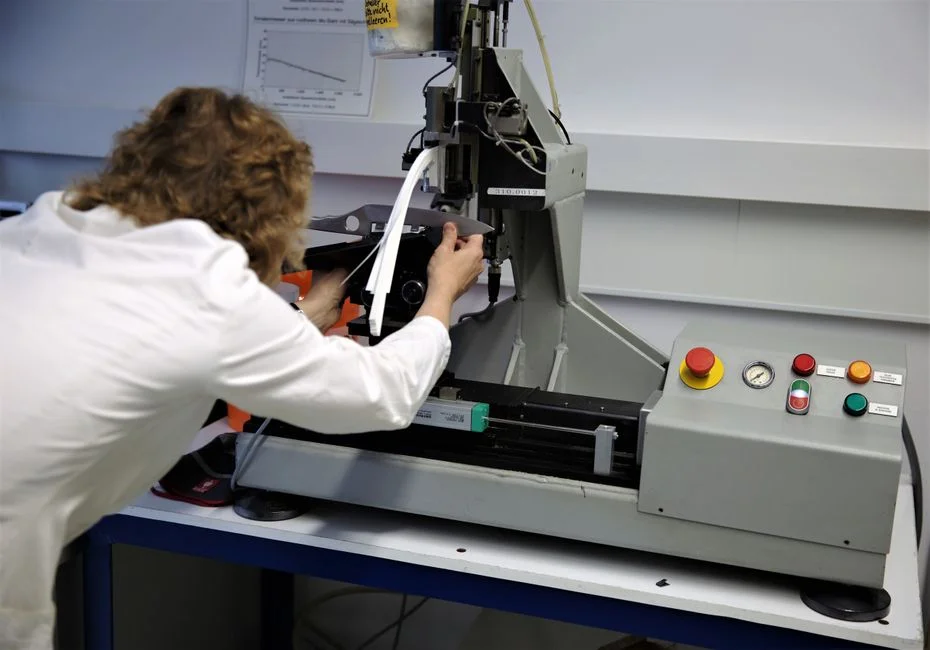
Cost bands for 2025–2026 UK supply-and-install contracts (per m³/day, packaged, not including civils) typically sit in the following ranges: packaged MBR £900–1,800, DAF plus activated sludge £500–1,000, and DAF plus AS plus UF £850–1,400. The wide bands reflect inlet quality, automation level, and whether the build is greenfield or retrofit. OPEX is dominated by power (membrane scour air accounts for 40–60% of MBR energy), chemical dosing (DAF coagulant 20–80 g/m³ treated, CIP chemicals for UF every 2–4 months), sludge haulage (a plate and frame filter press cake at 22–28% DS cuts volume by a factor of 8–10 versus liquid disposal), and the SEPA annual licence charge. A PLC-controlled chemical dosing skid typically reduces coagulant use by 10–20% and stabilises consent compliance, which directly reduces the risk of a CAR exceedance notice. On space-constrained Glasgow brownfield sites, a WSZ underground package plant rated 1–80 m³/h cuts civils cost and removes the surface footprint, at the price of stricter access and ventilation planning. The 2026 default CAPEX split for a 200 m³/day distillery site should land near 50% mechanical, 30% civils and M&E, 12% instrumentation and SCADA, and 8% commissioning and validation.
Supplier Checklist: Choosing a Glasgow ETP Builder in 2026
Procurement managers in 2026 should score bidders against the same five criteria, not against brochure claims. The table below is a scoring template; require each bidder to evidence every line.
| Criterion | What to evidence | Score (1–5) |
|---|---|---|
| SEPA consent experience in Scotland | At least three live CAR licences and two Scottish Water trade effluent consents in the last 36 months | |
| In-house MBR and UF commissioning track record | Certified commissioning engineers, not a subcontractor; CIP and integrity test procedures written into the contract | |
| Service response time | Written 24-hour rapid response target for Scotland, with named engineers and a parts depot north of Manchester (per UK service norm) | |
| Spare-parts holding in the UK | Stock of membrane modules, DAF nozzle packs, and ClO₂ precursor chemicals on UK soil, not on sea-freight from Asia | |
| Reference sites within 100 miles of Glasgow | At least one operational visit available for a 2026 buyer; ideally on a comparable waste stream (distillery, food, oil and gas) |
Do not accept a packaged ETP offer that does not name the SEPA consent BOD and NH4-N values it can meet in writing. The Frontiers in Environmental Science abattoir study is the cautionary case: three plants with similar hardware produced final effluents spanning COD 26–89 mg/L and BOD 41–79 mg/L because MLSS control and secondary settling, not the equipment list, set the result. Insist on a six-month process guarantee tied to measured effluent quality, not to equipment uptime, and budget a site visit to one of the bidder's working reference plants before contract award. The Birmingham ETP engineering guide covers the equivalent Midlands consent framework and the Scottish Water River Leven overflow upgrade is the most current 2026 reference for SEPA's drainage direction of travel.
Frequently Asked Questions
What is the typical 2026 process train for an effluent treatment plant in Glasgow?
Most Glasgow industrial ETPs in 2026 are built as screening, then DAF, then either activated sludge or a packaged MBR, then 0.03 μm UF and ClO₂ disinfection where reuse is required. A plate and frame filter press handles the sludge. Final effluent is consistently in the COD 26–89 mg/L, BOD 41–79 mg/L range (per the Frontiers in Environmental Science abattoir benchmark).
Do I need SEPA consent and Scottish Water trade effluent consent at the same time?
Only if you discharge to both a watercourse and the public sewer. Most Glasgow sites need one or the other: a SEPA CAR licence for direct discharge to the Clyde, or a Scottish Water trade effluent consent under the Sewerage (Scotland) Act 1968 for discharge to sewer and onward treatment at Dalmarnock or Shieldhall.
Is biological nutrient removal mandatory in 2026?
For any Glasgow site above 50 m³/day discharging to the Clyde, ammonia and total nitrogen limits in the 2026 SEPA cycle make nitrification and denitrification effectively mandatory. The packaged MBR system delivers NH4-N removal above 99% when operated at 8,000–12,000 mg/L MLSS and DO above 2 mg/L.
What UF specification is needed for industrial water reuse?
A 0.03 μm UF polishing stage operating at 2,000–40,000 L/h turns MBR permeate into RO-quality feed for cooling tower make-up or boiler feed. Pair it with an on-site ClO₂ generator sized from 50 g/h up to 20,000 g/h to clear the EU Drinking Water Directive 98/83/EC microbiological bar.
How much does a Glasgow ETP cost in 2026?
Packaged plant CAPEX in 2025–2026 UK supply-and-install contracts typically runs £500–1,800 per m³/day, with packaged MBR at the top of that band and DAF plus activated sludge at the bottom. OPEX is dominated by membrane aeration power (for MBR), DAF coagulant, sludge haulage, and the SEPA annual licence charge.