
Why PCB Wastewater Treatment Creates a Sludge Problem
Every cubic metre of compliant discharge that leaves a PCB plant carries 8–15 kg dry solids of metal-bearing hydroxide and sulfide cake out the back of the clarifier. A 20 m³/d line running the standard 2026 train therefore generates 160–300 kg DS/day of hazardous waste that did not exist in the influent as a solid and must be stabilized, dewatered, and either recovered or shipped to a licensed facility. Three sludge streams come off the train: copper-rich hydroxide from pH 9–10 precipitation, nickel sulfide from the Na₂S polish (dosed at 5–15 mg/L per mg Ni), and biological waste-activated sludge from the MBR at MLSS 8–12 g/L. In China this cake is classified HW07; in the EU it typically falls under EWC 19 02 05* as a physico-chemical sludge containing hazardous substances. None of it can be landfilled raw. The uncomfortable truth is that a well-designed liquid train solves one regulatory problem by creating another, and dewatering is sized as an afterthought at the bid stage even though it sits at 20–30% of total wastewater OPEX. As laid out in the upstream PCB wastewater treatment guide, OPEX for the full train runs USD 2.8–6.5 per m³ treated, and hazardous sludge disposal alone consumes USD 200–500 per wet tonne in Guangdong — roughly 20–30% of that envelope.
Sludge Characterization: What Comes Out of the Clarifier
Specifying a dewatering device without characterizing the feed sludge is the single most common engineering mistake on PCB bids. Gravity-thickened metal sludge from a lamella clarifier typically arrives at the press at 1–3% DS, with SVI 80–150 mL/g, Cu 8,000–25,000 mg/kg DS, and Ni 2,000–8,000 mg/kg DS. Biological WAS from the MBR is thinner — 0.8–1.2% DS at the same MLSS range — and carries low metals but high volume, so most plants blend it 30/70 with metal sludge to stabilize the feed before pressing. Spent electroless copper and stripping solutions are segregated at source and precipitated separately because they sit at 1,000–10,000 mg/L Cu with free CN⁻ and pH 8–11; that sludge is the most hazardous stream on site. Cu(OH)₂ floc is also fragile and breaks under high-shear pumps, so transfer between the lamella clarifier upstream of the press and the press feed tank should use progressive-cavity or peristaltic pumps rated below 1 m/s tip speed.
| Parameter | Metal hydroxide sludge | Biological WAS (MBR) | Spent electroless Cu sludge |
|---|---|---|---|
| Dry solids (%) | 1.0–3.0 | 0.8–1.2 | 2.0–5.0 |
| SVI (mL/g) | 80–150 | 100–180 | 120–200 |
| Cu (mg/kg DS) | 8,000–25,000 | < 500 | 30,000–80,000 |
| Ni (mg/kg DS) | 2,000–8,000 | < 200 | < 1,000 |
| COD (mg/kg DS) | 5,000–20,000 | 40,000–80,000 | 30,000–100,000 |
| Shear sensitivity | High | Moderate | High |
Conditioning Chemistry Before Dewatering
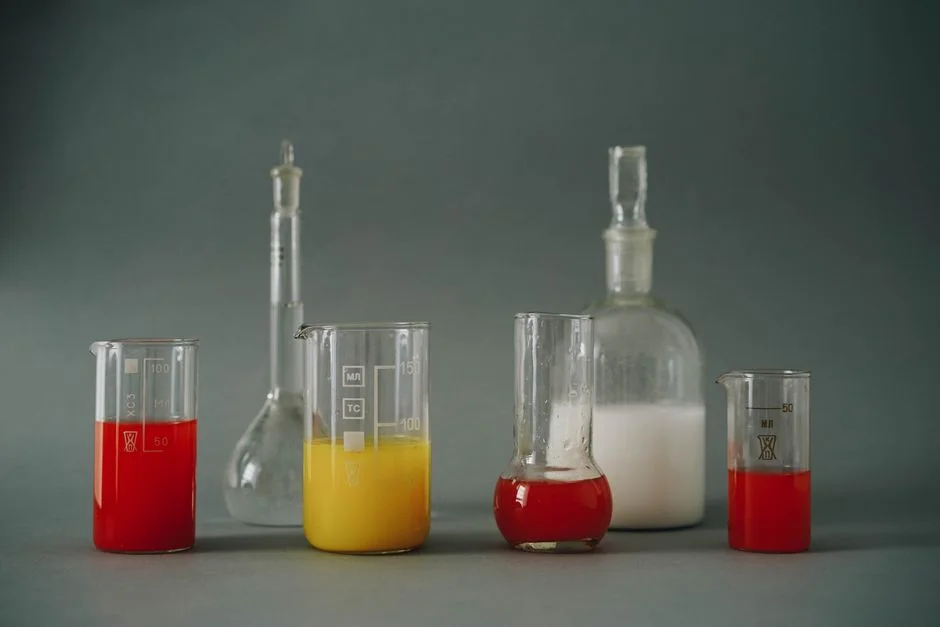
Straight polymer is not enough on metal-bearing sludge. Cationic polyacrylamide at 2–6 kg/tonne DS with 60–80% charge density strengthens the floc and is the baseline for every pressing chemistry on a PCB plant, but it cannot fix soluble metal-EDTA complexes that survived the upstream Fe-C micro-electrolysis stage. For Ni- and Zn-rich streams, lime pre-treatment at 5–15% on a DS basis raises pH above 10 and converts residual soluble metal-EDTA to stable hydroxides, which is what makes the difference between a cake that passes EN 12457 leachability and one that does not. Ferrous sulfate (FeSO₄·7H₂O) at 10–30 kg/tonne DS works as a coagulant aid specifically on sulfide-bearing nickel sludge, where the Fe²⁺ sweeps colloidal NiS into a settleable precipitate. When the cake is destined for acid leaching rather than disposal, residual chelators still need to be broken: drop the sludge to pH 2–3 with H₂SO₄, hold 30–60 minutes, then re-flocculate before pressing. Dosing is best handled on a dedicated automatic polymer and sulfide dosing skid with redundant metering pumps and on-line pH and ORP probes, because conditioning errors show up as wet cake and disposal-cost overruns rather than as an alarm.
Dewatering Equipment Selection
Four dewatering options are realistic for a PCB plant, and only one is the right default for hazardous metal cake. The plate and frame filter press delivers 30–45% DS, runs in batch duty, has the lowest cake moisture of the four, and is the only device that reliably produces a HW07 cake that passes TCLP and EN 12457 limits; standard sizes span 1–500 m² of filtration area with 2–4 hour cycle times. A belt press gives 18–25% DS in continuous duty but the open filtrate and airborne dust make it a poor fit for HW07 streams in anything but the largest enclosures. A screw press sits at 20–30% DS with low energy draw but captures fines poorly on fragile hydroxide floc. A decanter centrifuge produces 20–28% DS in a fully enclosed frame — the right answer when footprint or odor control drives selection, at the cost of 30–50% higher polymer consumption and 15–25% higher power draw than a filter press. Quick sizing for a filter press: required area (m²) ≈ Q × C × t / (V × n), where Q is feed flow (m³/h), C is the solids fraction entering, V is achievable cake volume per cycle (m³/m²), t is cycle time (h), and n is cycles per shift. For a 20 m³/d line with 1.5% DS feed, a 25–40 m² press is the working size. The full selection is covered in the plate and frame filter press for metal sludge dewatering product specification.
| Device | Cake DS (%) | Duty | Enclosed? | Polymer use | Fit for HW07 |
|---|---|---|---|---|---|
| Plate and frame filter press | 30–45 | Batch | Yes | 2–6 kg/t DS | Default |
| Belt press | 18–25 | Continuous | No | 3–8 kg/t DS | Poor |
| Screw press | 20–30 | Continuous | Semi | 2–5 kg/t DS | Marginal |
| Decanter centrifuge | 20–28 | Continuous | Yes | 4–10 kg/t DS | Good for odor control |
Metal Recovery vs Licensed Disposal: The Real Trade-off
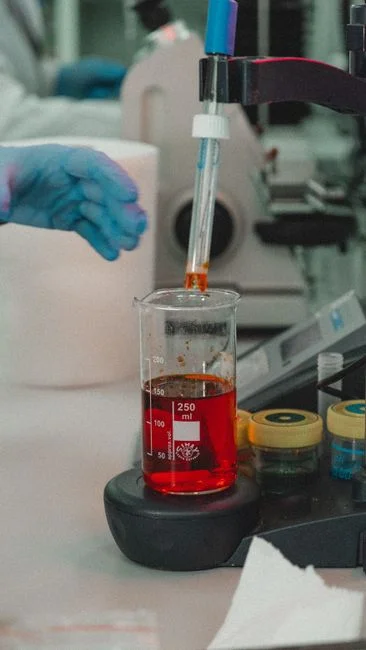
Onsite metal recovery is technically straightforward but only pays under the right mass balance. Acid leaching of Cu from the cake uses H₂SO₄ at pH 1.5–2, 2–6 hours residence, and recovers 70–90% of Cu into a leachate that can be sent to electrowinning for cathode copper or sold as CuSO₄·5H₂O solution. Nickel is recovered from the leach residue by sulfide precipitation with Na₂S or NaHS at 1.05–1.2× stoichiometric, giving a NiS cake at 55–60% Ni. The economics turn on the 2026 metal market: LME copper at USD 7,500–9,500/tonne and nickel at USD 16,000–20,000/tonne mean a 20 m³/d plant recovering 60% of its Cu and Ni can offset 40–70% of disposal OPEX. Academic work on thermophilic bioleaching (S4) and chelator-assisted acid leaching (S1, S2) confirms that recovery at 70–90% Cu is achievable at lab and pilot scale; the open question for buyers is scale-up risk, since bioleaching kinetics above 50 kg DS/day are still largely unproven commercially. Recovery does not pay when cake volume is below 50 kg DS/day, or when Cu/Ni concentrations are below 5,000/1,000 mg/kg DS — at those loadings the leaching tank capex cannot be amortized and disposal is the lower-risk answer.
Disposal Routes and Compliance
Decide the recovery question before specifying the disposal chain, because the receiving end of the pipeline drives the cake specification. In China, HW07 cake must be shipped to a licensed hazardous-waste facility at USD 200–500 per wet tonne in Guangdong, and most facilities require pre-stabilization with cement or sulfide addition to meet the toxicity characteristic leaching procedure. In the EU, the cake typically falls under EWC 19 02 05* and must satisfy EN 12457 leachability limits before landfilling, which is why the lime pre-treatment and minimum 30% DS cake matters. Vietnam's QCVN 40:2011/BTNMT covers the liquid stream; the sludge falls under Decree 08/2022/NĐ-CP hazardous waste rules, which require a licensed contractor and a manifested chain of custody. For sites above 50 m³/d — where transporting 8–15 tonnes/day of wet cake becomes a logistics and cost problem — onsite stabilization via cement kiln co-processing or a secure on-site landfill cell is gaining traction in 2026, particularly at large Chinese and Vietnamese multilayer plants.
Cost Model: What Sludge Handling Really Costs in 2026
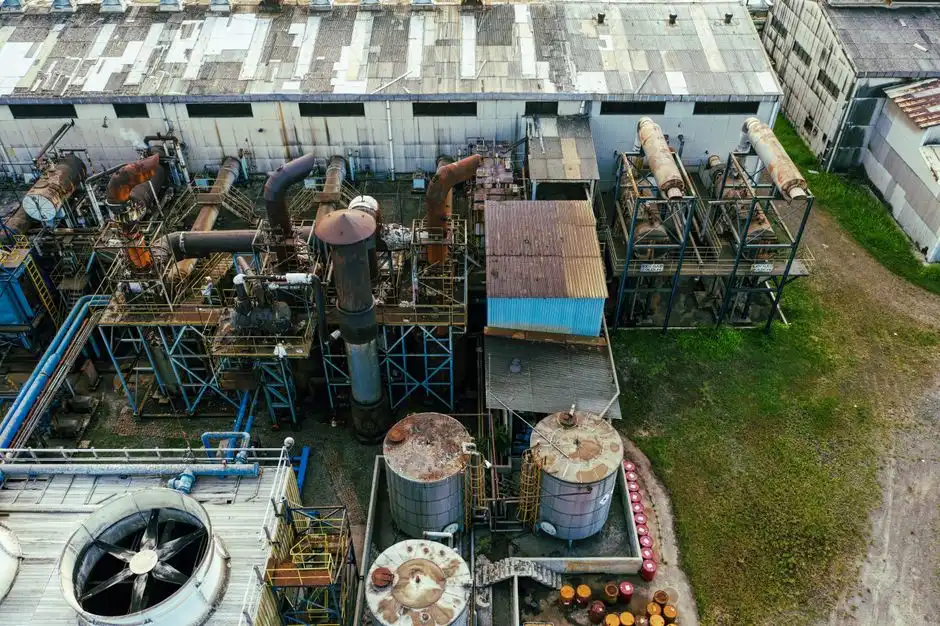
Procurement needs numbers that survive a finance review, so here is the 2026 envelope. Filter press CAPEX runs USD 25,000–180,000 across the 1–80 m² range, with USD 15,000–60,000 added for the polymer dosing skid, washwater skids, and cake conveyors. Sludge-handling OPEX is USD 0.7–1.8 per m³ treated, which sits inside the full-train OPEX band of USD 2.8–6.5/m³ given in the upstream PCB wastewater treatment guide. A disposal-only 20 m³/d line generates roughly 5–6 tonnes/day of wet cake at 30% DS, so disposal alone runs USD 300–900 per day in Guangdong. A recovery-on scenario adds USD 200,000–500,000 of capex for acid-leach plus electrowinning, but OPEX drops 40–70% — payback falls in the 24–48 month window at 2026 metal prices, and shorter where water tariffs are high. For sites with reuse mandates, the cross-impact with the GB 39731-2020 compliance analysis is direct: tighter discharge limits push the train toward more precipitation, which generates more cake, which makes recovery economics more favorable.
| Scenario (20 m³/d line) | CAPEX (USD) | OPEX (USD/m³ treated) | Wet cake (t/day) | Disposal cost (USD/day) | Payback |
|---|---|---|---|---|---|
| Disposal-only, filter press | 40,000–240,000 | 1.4–1.8 | 5–6 | 300–900 | — |
| Disposal-only, centrifuge | 120,000–350,000 | 1.5–2.0 | 6–7 (lower DS) | 400–1,000 | — |
| Cu recovery + disposal of Ni cake | 240,000–600,000 | 0.7–1.1 | 2–3 (residual) | 120–360 | 24–36 months |
| Full Cu + Ni recovery loop | 400,000–900,000 | 0.5–0.9 | < 1 | 60–180 | 30–48 months |
Frequently Asked Questions
How much hazardous sludge does a PCB wastewater line actually produce?
A PCB wastewater line typically produces 8–15 kg dry solids per m³ treated, so a 20 m³/d plant generates 160–300 kg DS/day of HW07 cake before dewatering. That works out to roughly 5–6 tonnes/day of wet cake at 30% DS after a filter press.
What dewatering device gives the driest cake for hazardous PCB sludge?
A plate and frame filter press delivers 30–45% DS — the driest cake of the four realistic options and the default for HW07 streams. Centrifuges reach 20–28% DS, belt presses 18–25%, and screw presses 20–30%.
Is onsite metal recovery from PCB sludge economic in 2026?
Recovery pays at 40–70% OPEX offset when cake exceeds 50 kg DS/day and Cu/Ni concentrations sit above 5,000/1,000 mg/kg DS. Capex for acid-leach plus electrowinning is USD 200,000–500,000, with payback of 24–48 months at 2026 LME prices of USD 7,500–9,500/t Cu and USD 16,000–20,000/t Ni.
Why can't PCB sludge go to a municipal landfill?
PCB sludge is classified HW07 in China and EWC 19 02 05* in the EU because Cu and Ni leach above regulatory limits. Stabilization with cement, sulfide, or lime plus meeting TCLP or EN 12457 leachability is required before any landfill acceptance.