
The Regulatory Stack That Governs a Winslow Sewer Discharge
Mining and metals plants near Winslow, AZ meet sewer pretreatment limits in 2026 by discharging under Clean Water Act §307(b) and 40 CFR Part 403, with categorical standards in 40 CFR Part 437 (Ore Mining and Dressing) and 40 CFR Part 433 (Metal Finishing), then satisfying the local POTW's sewer-use ordinance — which is typically tighter (Zn 0.3–1.0 mg/L, Cu 0.3–0.5 mg/L monthly average) than the federal floor. Compliance is achieved with an equalization basin (8–24 h flow), pH correction to 6.5–9.0, hydroxide or sulfide precipitation (85–95% metals removal), DAF or lamella clarification, multimedia filtration to <10 mg/L TSS, and optional chlorine dioxide disinfection, followed by plate-and-frame sludge dewatering to 25–35% dry solids.
Sewer discharge is a pretreatment problem, not an NPDES problem. NPDES permits under CWA §402 govern direct discharges to surface water; sewer discharges to a POTW are governed by CWA §307(b) and 40 CFR Part 403, with categorical standards layered on under 40 CFR Part 437 for ore mining and 40 CFR Part 433 for any plating, pickling, or anodizing lines (per EPA 40 CFR 403.3). Most Winslow-area operations carry both authorizations in parallel because they have separate stormwater outfalls, but for the sewer path the federal categorical floor is not the binding number. The binding numbers come from the local POTW's sewer-use ordinance, developed under 40 CFR 403.5(c) to protect against pass-through and interference at the POTW's biological process, sludge, and receiving water (per EPA pretreatment standards guidance).
Three 2024–2026 EPA tracks reshape what counts as compliant in Winslow. First, the Lead and Copper Rule Revisions (LCRR) are pushing the lead action level toward 10 µg/L and forcing POTWs to re-derive local limits lower. Second, EPA's 2024 Multi-Sector General Permit (finalized 2024-09) added PFAS monitoring (PFOS, PFOA, PFHxS, PFNA) for sectors including metal mining — local control authorities are adopting the same analytical suite even for indirect dischargers. Third, the 2025 ore-mining BAT revisions (2025-03) tightened the cost-benefit envelope on total recoverable metals. Civil penalties reach $25,000/day per violation under CWA §309, which is why a single excursion is treated as a permit-cycle event, not a maintenance ticket. For a parallel compliance blueprint covering adjacent sectors, see the sister Skiatook pretreatment guide.
What "Winslow-Area" Wastewater Actually Looks Like
The influent profile in the Winslow basin is dominated by acid mine drainage (AMD) and leach-pad runoff rather than the cleaner spent process streams seen in Skiatook or Tulsa. Raw AMD and spent process solutions typically arrive at pH 2–4 with TSS in the hundreds to several thousand mg/L, sulfate and TDS elevated into the thousands of mg/L in leach-pad and brine streams, and dissolved heavy metals (Pb, Cu, Zn, Cd, Ni, As) as the regulated analytes. The largest excursions are not steady-state — they are pH swings from batch discharges during shift changes, dump-leach cycles, and mill clean-outs.
Regional industries shape the influent mix. Copper operations around the historic mining districts contribute Cu-, Fe-, and sulfate-rich drainage; uranium legacy sites contribute radionuclides and elevated uranium (often managed under separate NRC/Arizona DEQ overlays); aggregate, sand & gravel wash water contributes TSS-dominated flow with low dissolved metals; pumice processing contributes fines and modest metals. The combined effect is a wide flow envelope — pilot plants at 4–10 m³/h, satellite operations at 20–100 m³/h, and central facilities at 100–300 m³/h — with intermittent oil/grease loadings that determine whether DAF or lamella fits.
Winslow's small-municipal POTW means local limits are written conservatively. Until a plant receives a specific permit letter, assume Zn ≤ 0.5 mg/L and Cu ≤ 0.5 mg/L monthly average, and design the equalization and precipitation stages to comfortably underperform those numbers rather than graze them.
40 CFR Part 437 and 433 Numerical Targets You Must Hit
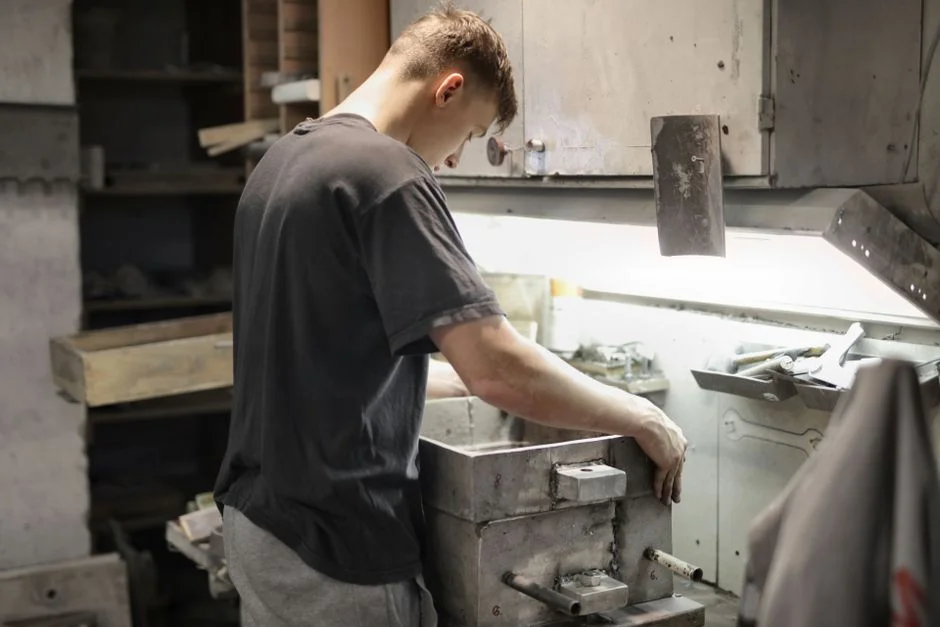
The 40 CFR Part 437 subcategory limits (Part 437.40–437.47) are the federal floor for any ore mining and dressing operation discharging to a sewer. The table below quotes representative daily-max and monthly-average values for the parameters a Winslow-area plant actually monitors; local POTW limits are layered on top and are typically tighter.
| Parameter | 40 CFR Part 437 Daily Max (mg/L) | 40 CFR Part 437 Monthly Avg (mg/L) | Typical Local POTW Limit (mg/L) |
|---|---|---|---|
| pH (instantaneous) | 6.0–9.0 | 6.0–9.0 | 6.5–9.0 |
| Total Suspended Solids (TSS) | 50 | 25 | 10–30 |
| Oil & Grease | 20 | 10 | 5–10 |
| Copper (Cu) | 1.0 | 0.5 | 0.3–0.5 |
| Zinc (Zn) | 1.0 | 0.5 | 0.3–1.0 |
| Lead (Pb) | 0.6 | 0.3 | 0.1–0.3 |
| Cadmium (Cd) | 0.4 | 0.2 | 0.05–0.1 |
| Total Recoverable Iron | — | — | 2.0–5.0 |
40 CFR Part 433 (Metal Finishing) layers on top whenever a plant runs plating, pickling, or anodizing lines: Cu 3.38 mg/L daily max / 2.07 mg/L monthly avg; total Cr 2.77 mg/L daily max / 1.71 mg/L monthly avg (per 40 CFR 433.15). The Part 433 numbers rarely bind when local POTW limits are already at 0.3–0.5 mg/L Cu, but they do bind when the same plant also operates a metal-finishing shop on a satellite pad. Raw influent pH 2–4 must be lifted to the 6.5–9.0 instantaneous POTW range during equalization/pH correction, before metals precipitation is even attempted. Heavy parameter tables like the one above are the artifact of the design basis — the chemistry section that follows explains how each row is actually achieved.
Equalization and pH Correction — The Two Most Undersized Pieces
The equalization basin is the most undersized piece of equipment in most mining/metals pretreatment plants, and the most expensive to retrofit. Spec the basin at 8–24 hours of average daily flow to dampen batch discharges from shift changes, dump-leach cycles, and mill clean-outs; a 4-hour basin passes every spike straight to the clarifier and overwhelms it. For a 50 m³/h plant, 8 hours of equalization is a 400 m³ basin — sized for hydraulic averaging, not for raw storage.
pH correction comes immediately downstream. Lime (Ca(OH)₂) and caustic soda (NaOH) are the workhorses; lime is cheaper per ton but generates 3–5× more sludge by mass, so high-TDS Winslow streams often justify the higher reagent cost of NaOH. Stage pH dosing in two reactors if influent swings more than 2 pH units. The downstream consequence of sloppy pH control is severe: each 1 pH unit away from the metals-precipitation optimum cuts removal efficiency by an order of magnitude, sending zinc from <1 mg/L to 10+ mg/L with no other change to the chemistry (per Fluence, 2024-11). Target a PLC-controlled chemical dosing skid that holds pH inside a ±0.2 band — the difference between meeting and missing a 0.3 mg/L zinc monthly average.
Metals Precipitation: Hydroxide vs Sulfide, and Why You Need Jar Tests
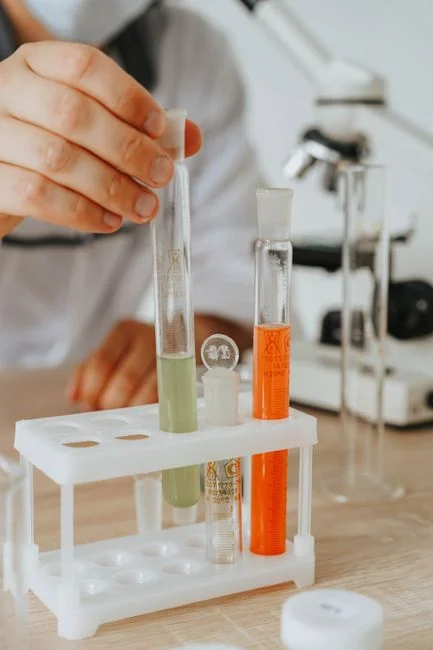
Hydroxide precipitation with NaOH or lime is the default for most plants because the reagent is cheap and the chemistry is well understood. Properly controlled systems in operating mining/metals installations routinely achieve 85–95% total metals removal (per Fluence, 2024-11). Sulfide precipitation (NaHS, FeS, Na₂S) is reserved for streams where residual metal must drop below 0.1 mg/L — sulfide residuals are typically 0.01–0.05 mg/L for Cu, Zn, Cd, and Ni, an order of magnitude lower than hydroxide — but reagent cost runs 2–4× higher and operators must control H₂S off-gassing with sealed reactors and scrubbed vents.
| Criterion | Hydroxide (NaOH / Lime) | Sulfide (NaHS / FeS / Na₂S) |
|---|---|---|
| Typical residual Cu/Zn/Cd/Ni | 0.5–2.0 mg/L | 0.01–0.05 mg/L |
| Optimum pH window | 8.0–10.0 (parameter-specific) | 6.5–9.0 (broader) |
| Reagent cost (relative) | 1× baseline | 2–4× baseline |
| Sludge volume | High (esp. lime: 3–5× NaOH) | Lower, denser cake |
| Safety / containment | Standard reactor | Sealed reactor + H₂S scrubber required |
| Best fit | Main-stream bulk removal | Slipstream polish to <0.1 mg/L |
The optimum pH window is parameter-specific and must be locked in with jar testing, not vendor cutsheets: Zn typically precipitates near pH 8.5–9, Cu near 8–9, Cd near 9.5–10.5. A polymer coagulant aid dosed at 0.5–3 mg/L flocs the metal-hydroxide particles fast enough for the clarifier to operate at 20–40 m/h hydraulic loading without carryover. For most Winslow flows, the cost-effective compromise is hydroxide precipitation on the main stream with sulfide polishing on a slipstream only when the local limit drops below 0.3 mg/L. If your influent contains high chloride or sulfate that defeats a downstream RO cut, the RO for heavy metal removal reference covers the brackish-water envelope; the chemical cost optimization guide covers reagent trade-offs in detail.
DAF vs Lamella vs Multimedia Filter — The Equipment Decision
This is the decision most engineers face in a real project. Both DAF and lamella work; neither is universally better. The DAF system operates at 5–25 m/h hydraulic loading, floats oil-coated and colloidal particles with microbubbles, and achieves 90–98% TSS removal and 85–95% oil/grease removal in mining/metal-finishing service. Standard DAF units cover 4–300 m³/h across 13 models, which fits most plant scales without civil redesign. A lamella clarifier operates at 20–40 m/h surface loading in roughly one-third the footprint of a conventional clarifier, has lower chemical consumption because the sludge blanket is denser, and handles heavy metal-hydroxide flocs very well — but it does not remove free oil or colloidal fines as effectively as DAF.
| Criterion | DAF | Lamella Clarifier | Multimedia Filter (safety net) |
|---|---|---|---|
| Flow envelope | 4–300 m³/h (13 models) | 20–500 m³/h | Any — sized to backwash cycle |
| Hydraulic / surface loading | 5–25 m/h | 20–40 m/h | 1–2 m/h filtration rate |
| TSS removal | 90–98% | 80–95% | Strips residual TSS to <10 mg/L |
| Oil/grease removal | 85–95% | Low | Negligible |
| Footprint | Compact skid | ~1/3 of conventional clarifier | Compact vertical vessel |
| Best fit | Oil, colloidal fines, flow <200 m³/h | Metal-bearing sludge, flow >100 m³/h, footprint-constrained | Always — buffer for clarifier upsets |
Use the heuristic: DAF when the stream carries oil, grease, or fine colloidal metals; lamella when the stream is primarily a metal-hydroxide sludge at high flow and the footprint is constrained. Below 10 m³/h, packaged DAF skids dominate. Above 100 m³/h, multiple DAF trains in parallel or a lamella clarifier typically becomes more economical. A multimedia filter (anthracite over sand over garnet) is the safety net between the clarifier and the sewer manhole — at 1–2 m/h filtration rate with backwash triggered on differential pressure, it strips residual TSS to <10 mg/L and buffers the days the clarifier underperforms because of a polymer mis-dose or hydraulic surge. Per the PMC WRRF study (2025-09), tertiary filtration that drives TSS < 2 mg/L is the operational envelope that also enables compliance with low-level particulate-bound metals (Hg, Pb, Cu) limits in 2026. For a deeper side-by-side, see the DAF vs clarifier decision guide.
Disinfection, Sludge Handling, and Permit-Cycle Monitoring
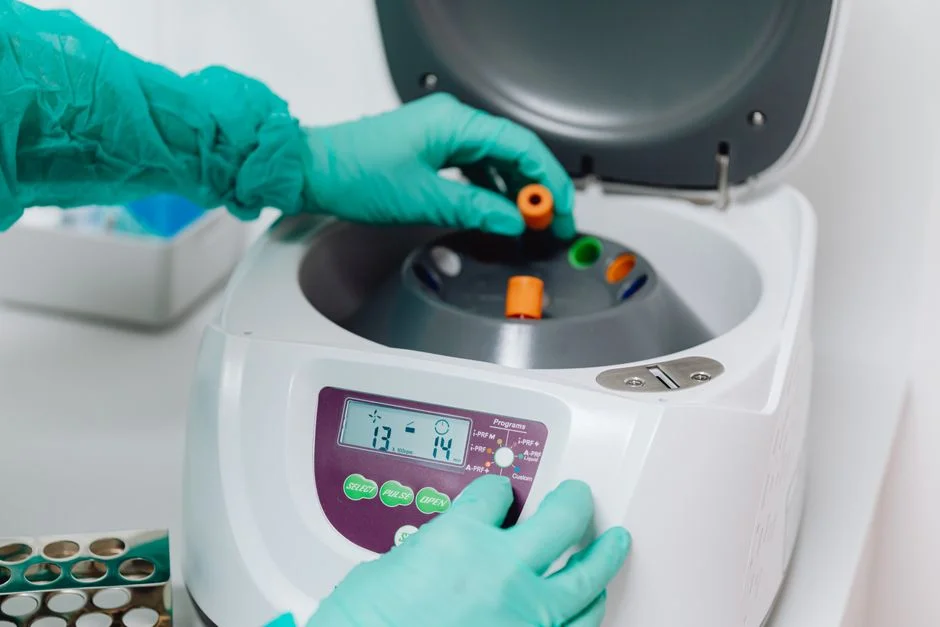
UV or chlorine dioxide disinfection shows up in the local sewer-use ordinance whenever the POTW's collection system has long force mains or siphons, or whenever the industrial discharge could plausibly carry pathogens (food-processing co-tenants, hospital waste). A chlorine dioxide generator dosed at 1–5 mg/L provides the residual the POTW asks for without forming the regulated trihalomethanes that chlorine produces.
Sludge from the clarifier and DAF is itself a regulated waste. A plate and frame filter press dewaters the sludge to 25–35% dry solids, producing a stackable cake that can be hauled to a Subtitle-D landfill or, in the case of recoverable metals, sent to a smelter; filtrate returns to the head of the plant. Sample per the local POTW's BMP schedule and 40 CFR Part 403 self-monitoring requirements; expect PFAS analyte additions (PFOS, PFOA, PFHxS, PFNA) and tighter lead in the 2026 permit cycle. Keep one calendar reminder for the LCRR re-derivation of local limits — Zn and Cu numbers in this article can move lower between permit cycles, and $25,000/day penalties under CWA §309 are enforced against the local limit, not the federal floor.
Frequently Asked Questions
Does a Winslow mining plant need an NPDES permit or a pretreatment permit for its sewer discharge?
No — sewer discharge to a POTW is not an NPDES permit. It is regulated under Clean Water Act §307(b) and 40 CFR Part 403, with categorical standards in 40 CFR Part 437 (Ore Mining and Dressing) and 40 CFR Part 433 (Metal Finishing) where applicable. Most plants carry both authorizations because they also have separate stormwater outfalls, but the sewer path is governed by the local POTW's sewer-use ordinance, not by an NPDES permit (per 40 CFR 403.3).
What local POTW limits should a Winslow-area plant assume for zinc and copper in 2026?
Local sewer-use ordinances in 2026 typically set zinc at 0.3–1.0 mg/L monthly average and copper at 0.3–0.5 mg/L monthly average, which is tighter than the 40 CFR Part 437 categorical standard of 1.0 mg/L daily max / 0.5 mg/L monthly average. Always confirm against the specific POTW ordinance before sizing equipment, because the local numbers are the binding targets and the penalty structure is enforced against them.
When is sulfide precipitation justified over hydroxide for a Winslow plant?
Sulfide precipitation (NaHS, FeS) achieves residual metals of 0.01–0.05 mg/L versus 0.5–2.0 mg/L for hydroxide, which matters when the local POTW limit is below 0.3 mg/L. Reagent cost runs 2–4× higher and the system requires sealed reactors with H₂S scrubbing. For most Winslow flows, hydroxide precipitation on the main stream with sulfide polishing on a slipstream is the cost-effective compromise (per Fluence, 2024-11).
How are the 2024 MSGP PFAS monitoring and the LCRR lead action level changing pretreatment in 2026?
EPA's 2024 Multi-Sector General Permit (finalized 2024-09) added PFAS monitoring for metal mining (PFOS, PFOA, PFHxS, PFNA), and local control authorities are adopting the same analytical suite even for indirect dischargers. The Lead and Copper Rule Revisions are pushing the lead action level toward 10 µg/L and forcing POTWs to re-derive local limits lower. Treat both as next-permit-cycle risk — the Zn and Cu numbers in this article can move lower between permit cycles, with civil penalties up to $25,000/day per violation under CWA §309.