
What Oil Refinery Wastewater Sludge Is and Why It Matters in 2026
Oil refinery wastewater sludge treatment in 2026 combines API-separator and DAF skimming, biological waste-activated-sludge reduction, advanced pre-treatment (thermal hydrolysis, Fenton, or wet air oxidation cutting solids 51–78%), mechanical dewatering via plate and frame filter press, and disposal via secure landfill or pyrolysis valorization — with the 2026 cost band at 78–192 €/m³.
Refinery oily sludge is the combined skimmings and biomass generated by treating stripped refinery wastewater (SWW). It aggregates three process outputs: primary skimmings from the API separator, float from the dissolved air flotation (DAF) unit polishing the API effluent, and waste activated sludge (WAS) from the downstream biological plant. Together these form a single hazardous-waste stream that typically runs 5–15% of total refinery wastewater volume but carries the majority of the hydrocarbon load.
The matrix is dominated by three fractions — free oil, emulsified oil, and bound solids — and characterisation work published in Applied Biochemistry and Biotechnology (Sayadi, 2026-07) describes refinery SWW as high in organic matter, hydrocarbons, and polyphenols, with the most aggressive bench-scale algal–bacterial system (a Picocystis monoculture at 25% SWW) reaching only 62.2% oil-and-grease removal. That ceiling is the operational reality an engineer has to plan around.
API-separator primary sludge is classified as hazardous under RCRA Subtitle C in the US and under EU IED 2010/75/EU hazardous-waste thresholds, so direct landfill is restricted and routing through an approved treatment train is mandatory in most jurisdictions.
The 2026 Refinery Sludge Treatment Process Train
The canonical 2026 refinery sludge train is a five-stage flow: API separator → DAF pre-thickening → equalization and biodegradation (activated sludge, SBR, or MBR) → advanced pre-treatment of the combined WAS and oily float → mechanical dewatering and disposal. The DAF stage sits at the pivot: it removes the bulk of free oil and FOG before biological treatment and produces a thickened float that feeds directly into the sludge line.
For free-oil and FOG capture, a dissolved air flotation system sized at 4–300 m³/h covers the throughput range seen in a 50,000–250,000 bpd refinery, and the float it produces is routed straight to the sludge treatment train rather than back to the API separator. Downstream, biological treatment delivers a dual benefit: pollutant reduction plus a biomass sidestream that the Sayadi (2026-07) paper frames as an eco-biotechnological route toward biodiesel feedstock.
Advanced pre-treatment then conditions the combined WAS-plus-float stream for dewatering. Thermal hydrolysis, Fenton oxidation, and wet air oxidation (WAO) are the three options with published refinery-scale data, and the headline numbers from the techno-economic study in ScienceDirect (S2213343723014690) are 51–78% solids reduction and roughly 63% biodegradability uplift across all three. Solvent extraction and freeze-thaw are documented at bench scale for oil recovery from pond sludge but remain niche.
Advanced Pre-Treatment Options Compared (2026 Data)
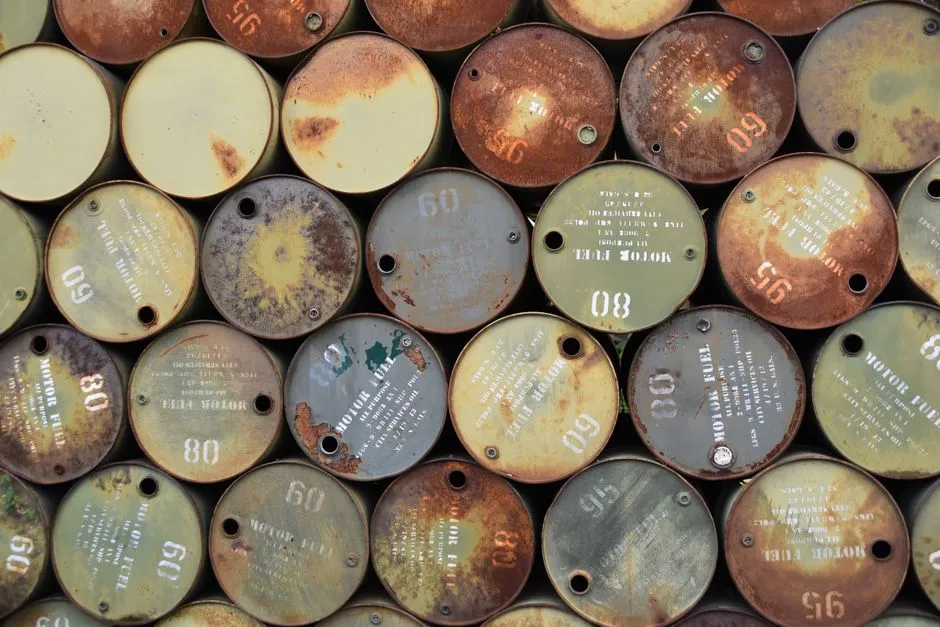
Thermal hydrolysis, Fenton oxidation, and wet air oxidation are the three advanced pre-treatment routes with refinery techno-economic data. The table below consolidates mechanism, solids-reduction band, biodegradability uplift, and unit cost from the comparative assessment in ScienceDirect (S2213343723014690).
| Parameter | Thermal Hydrolysis | Fenton Oxidation | Wet Air Oxidation (WAO) |
|---|---|---|---|
| Mechanism | High-T/pressure cell lysis | Fe²⁺/H₂O₂ radical oxidation | High-T/pressure air oxidation |
| Solids reduction (combined, %) | 51–78 | 51–78 | 51–78 |
| Effluent biodegradability uplift | ~63% (to biodegradable) | ~63% (to biodegradable) | ~63% (to biodegradable) |
| Unit cost (€/m³) | 78 | 192 | Mid-band, not itemised in S4 |
| Best-fit downstream route | Return to refinery biological plant | Rapid oxidation, smaller footprint | Carbon/nutrient recovery for advanced biological processes |
| Reference | S4 (ScienceDirect, 2023-12) | S4 (ScienceDirect, 2023-12) | S4 (ScienceDirect, 2023-12) |
The unit-cost band of 78–192 €/m³ sits at the low end of the current 70–350 €/m³ refinery-sludge management cost range, which is the benchmark a CAPEX request is compared against. Thermal hydrolysis is the lowest-cost option and is best suited to plants that can recycle the hydrolysate back into their existing biological stage; Fenton carries a 2.5× premium for faster kinetics and a smaller reactor footprint; WAO is preferred when the goal is carbon and nutrient recovery for an advanced biological valorisation step. For the disposal end of the train, the AIP pyrolysis comparison study (DOI 10.1063/5.0092021) documents that refinery sludge yields a different pyrolysis product slate than municipal WWTP sludge and validates pyrolysis as a final valorisation route for dewatered cake.
DAF Pre-Thickening and Biological Sludge Handling
DAF is the workhorse primary step and its design parameters set the solids load that every downstream stage has to handle. Typical 2026 design values for oily-wastewater DAF are a hydraulic surface loading of 5–15 m³/m²·h, an air-to-solids ratio (A/S) of 0.01–0.05 kg air/kg solids for flocculated oily float, and a cationic polymer dose in the 5–20 mg/L range depending on emulsified-oil fraction. The dissolved air flotation system covers 4–300 m³/h across 13 standard models, which is the capacity envelope most 50,000–250,000 bpd refineries fall into.
DAF float is chemically conditioned with cationic polymer and dosed via an automatic chemical dosing skid before thickening or dewatering. The conditioned float is then routed to the biological stage or, in plants that run a side-stream WAS pre-treatment, blended into the main biological reactor. The biological configuration choice — conventional activated sludge, sequencing batch reactor (SBR), or MBR — depends on space and effluent-quality targets. An MBR membrane bioreactor delivers sub-1 μm filtered effluent that can be polished for reuse, and the 60% footprint reduction versus conventional activated sludge is the usual driver for retrofit sites.
For context on matrix difficulty, the Sayadi (2026-07) study recorded 62.2% oil-and-grease removal as the best bench-scale biological result on 25% SWW, which is the kind of ceiling an engineer should plan around when sizing equalisation volume and biosolids handling downstream.
Mechanical Dewatering: Plate and Frame Filter Press Sizing
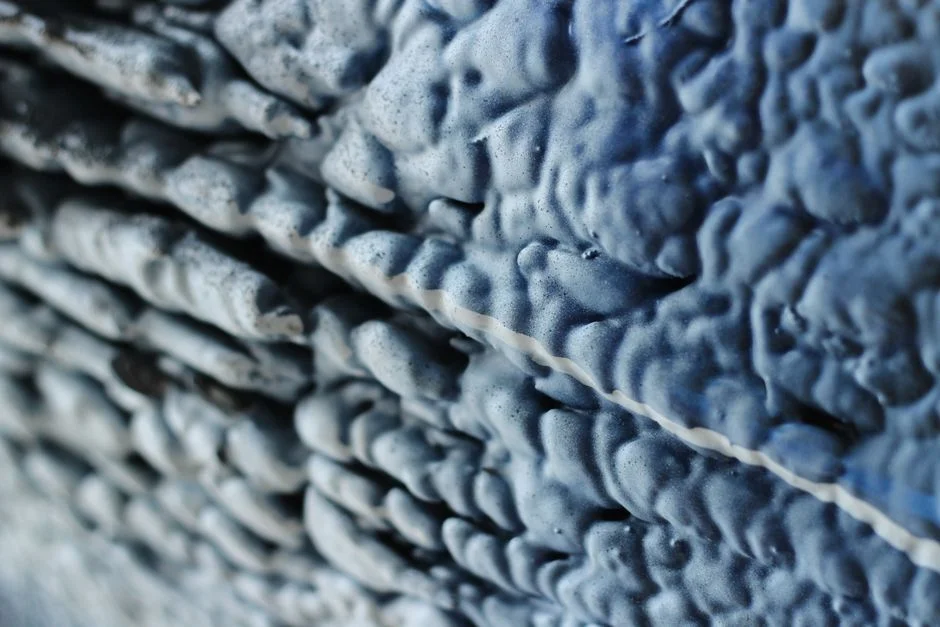
The plate and frame filter press is the 2026 workhorse for oily-sludge cake drying. The table below summarises the operating envelope a refinery engineer should use for equipment selection.
| Parameter | Typical 2026 Design Value | Note |
|---|---|---|
| Filtration area range | 1–500 m² | Modular press selection |
| Operation mode | Manual / hydraulic / PLC-automatic | PLC-automatic preferred >50 m² |
| Target cake dryness | 25–40% DS | Higher end with thermal hydrolysis pre-treatment |
| Cycle time | 2–4 hours | Includes fill, press, wash, discharge |
| Polymer dose (conditioning) | 5–15 kg/t DS | Cationic polyacrylamide typical |
| Inorganic conditioner | FeCl₃ 50–150 kg/t DS, lime 100–300 kg/t DS | Used when cake requires higher DS or stabilisation |
Sludge conditioning — polymer dose, plus lime and FeCl₃ where higher DS or stabilisation is required — is the lever that sets press throughput and final cake solids. Press selection from 1 m² to 500 m² filtration area lets the engineer right-size a unit for any plant from a 25,000 bpd hydroskimming refinery to a 300,000 bpd integrated site, and PLC-automatic operation is standard for presses above 50 m². The filtrate and any clarified water from a high-efficiency sedimentation tank are returned to the head of the plant rather than discharged, which keeps the hydraulic mass balance closed. For unit selection, a plate and frame filter press with PLC-automatic controls and a filtration area matched to the solids mass balance is the standard 2026 specification.
2026 Disposal and Valorization Routes
Three disposal routes compete for dewatered oily-sludge cake: secure hazardous landfill as the baseline, cement kiln co-processing as a regulated thermal recovery option, and pyrolysis for oil and char recovery. The 70–350 €/m³ current management cost band reported in the ScienceDirect assessment (S2213343723014690) is the reference all three are measured against. Pyrolysis has the strongest ESG narrative because it converts a hazardous disposal liability into recovered hydrocarbon and a char by-product; the AIP comparison study (DOI 10.1063/5.0092021) documents that refinery sludge yields a distinctly different pyrolysis product slate from municipal WWTP sludge, which is the technical basis for a refinery-specific pyrolysis business case. Cement kiln co-processing sits between landfill and pyrolysis on both cost and ESG, and is the route most often selected when a local kiln with appropriate waste-acceptance permits is available.
How to Select a Sludge Treatment Train in 2026 — Decision Framework
A four-step workflow gives a refinery engineer a defensible path from sludge characterisation to a CAPEX-ready equipment list.
- Characterise the sludge. Quantify oil, water, and solids fractions; determine whether the stream triggers RCRA Subtitle C (US) or EU IED 2010/75/EU hazardous-waste thresholds. The characterisation drives every downstream decision.
- Match advanced pre-treatment to the goal. Choose thermal hydrolysis (78 €/m³) when the hydrolysate can be returned to the existing biological plant; choose Fenton (192 €/m³) when footprint and reaction speed dominate; choose WAO when carbon and nutrient recovery for an advanced biological process is the target. All three deliver 51–78% solids reduction and ~63% biodegradability uplift (S4).
- Size DAF and filter press from the solids mass balance. Set DAF capacity at 4–300 m³/h from the DAF envelope, then size a plate and frame filter press from the dewatered-cake throughput target. Budget against the 78–192 €/m³ operating band.
- Lock the disposal route and the compliance monitoring plan. Decide landfill, cement kiln, or pyrolysis; assign sampling, TCLP/LEAF testing, and disposal-manifest documentation to the operations team before commissioning.
For related process flows, the pharmaceutical API wastewater sludge treatment guide covers a parallel hazardous-stream workflow, the effluent treatment plant buyer's guide frames equipment procurement, and the kraft foul condensate pretreatment before DAF guide is the reference for DAF-side pre-treatment chemistry.
Frequently Asked Questions
What is the 2026 cost band for treating oil refinery oily sludge?
The advanced pre-treatment stage runs 78–192 €/m³ (thermal hydrolysis at the low end, Fenton at the high end), and the total management cost band — including dewatering and disposal — is 70–350 €/m³ per the ScienceDirect techno-economic assessment (S2213343723014690).
Is API-separator sludge classified as hazardous waste?
Yes. API-separator primary sludge is classified as hazardous under RCRA Subtitle C in the US and under EU IED 2010/75/EU hazardous-waste thresholds, and must be routed through an approved treatment train rather than sent directly to landfill in most jurisdictions.
Which advanced pre-treatment — thermal hydrolysis, Fenton, or wet air oxidation — is lowest cost?
Thermal hydrolysis at 78 €/m³ is the lowest-cost option per the ScienceDirect assessment (S2213343723014690), and is the right choice when the hydrolysate can be returned to the refinery's existing biological plant. Fenton at 192 €/m³ is preferred where footprint and reaction speed dominate, and wet air oxidation is selected when carbon and nutrient recovery is the target.
What cake dryness can a plate and frame filter press achieve on refinery sludge?
With proper polymer and inorganic conditioning, a plate and frame filter press delivers 25–40% dry solids on conditioned refinery sludge, with cycle times of 2–4 hours per batch on a 1–500 m² filtration area press.
Can MBR be used downstream of oily-sludge biological treatment?
Yes. An MBR membrane bioreactor downstream of an activated-sludge or SBR stage delivers sub-1 μm filtered effluent suitable for reuse, and the 60% footprint reduction versus conventional activated sludge makes MBR the standard retrofit choice for space-constrained refinery sites.