Why the MBR vs CAS Question Matters for Smyrna Metal Finishers in 2026
For a fabricated metals plant in Smyrna, Georgia, MBR outperforms conventional activated sludge (CAS) when discharge limits are tight, floor space is limited, or effluent must feed a reuse RO skid. MBR delivers suspended-solids-free effluent with up to 50–60% smaller footprint than CAS, retains biomass under inhibitory zinc, copper, and nickel loads, and is fully automated for unattended operation. CAS remains the lower-CAPEX choice for large flows where modest effluent quality is acceptable.
Fabricated metals operations (SIC 34 subcategories covering stamping, machining, plating, and parts washing) generate a contaminant mix that punishes biological systems: free and emulsified oils from stamping lubricants, drawing compounds, alkaline cleaner COD loads typically 500–3,000 mg/L, and dissolved heavy metals — zinc, copper, nickel, and hexavalent chromium from plating rinses — that arrive in slug events tied to bath dumps. The federal compliance anchor is 40 CFR Part 433, the EPA metal-finishing categorical pretreatment standard, which sets maximum daily limits for total metals, oil and grease, and TSS before discharge to a POTW. Locally, plants discharging to the Cobb County Water System face site-specific limits that often run tighter than the federal categorical numbers, especially for zinc and copper.
The 2026 decision for plant managers is not academic: a Smyrna-era CAS clarifier train built before 2010 is approaching the end of its mechanical life, local pretreatment enforcement has tightened, and water reuse in Cobb County industrial parks is becoming a real option where it was not five years ago. The choice between retrofitting CAS or installing a new MBR skid is the kind of decision that locks in compliance posture and operating cost for the next 15–20 years. Get the pretreatment front-end wrong and neither system performs.
How Conventional Activated Sludge Works in a Metal-Finishing Plant
A conventional activated sludge train at a fabricated metals facility built in the 1990s or 2000s follows a predictable sequence: equalization basin, pH adjustment, oil/water separation, aeration basin, secondary clarifier, and a return/waste activated sludge loop. Equalization smooths the slug discharges that come with batch plating; the oil-water separator and a DAF unit knock out free and emulsified oils; the aeration basin runs at mixed-liquor suspended solids (MLSS) of roughly 2,000–4,000 mg/L; the secondary clarifier does the solid-liquid separation. It is a robust, well-understood process — and it has well-known failure modes when paired with fabricated metals feed streams.
The clarifier is the weak point. Heavy-metal slugs from bath dumps, pH excursions when an alkaline cleaner batch overruns, and oil-intoxicated biomass all cause bulking filaments, foaming events, and TSS bleed-through. Operators report clarifier washouts during production changeovers at least monthly, and recovery typically takes 24–72 hours while the wasted sludge carries biomass out of the system. The CAS effluent envelope for a well-operated fabricated metals plant runs TSS 20–60 mg/L and COD 80–200 mg/L, with total metals often sitting uncomfortably close to the 40 CFR Part 433 detection edge — there is little margin for an upset.
Operator pain is real. CAS is footprint-hungry, requires skilled staff to watch F/M ratio, dissolved oxygen, and sludge volume index, and generates a continuous sludge-handling burden. For a Smyrna plant built on a tight industrial lot, the clarifier and aeration basin often occupy the most usable floor space in the building.
What an MBR Brings to a Metal-Finishing Wastewater Train
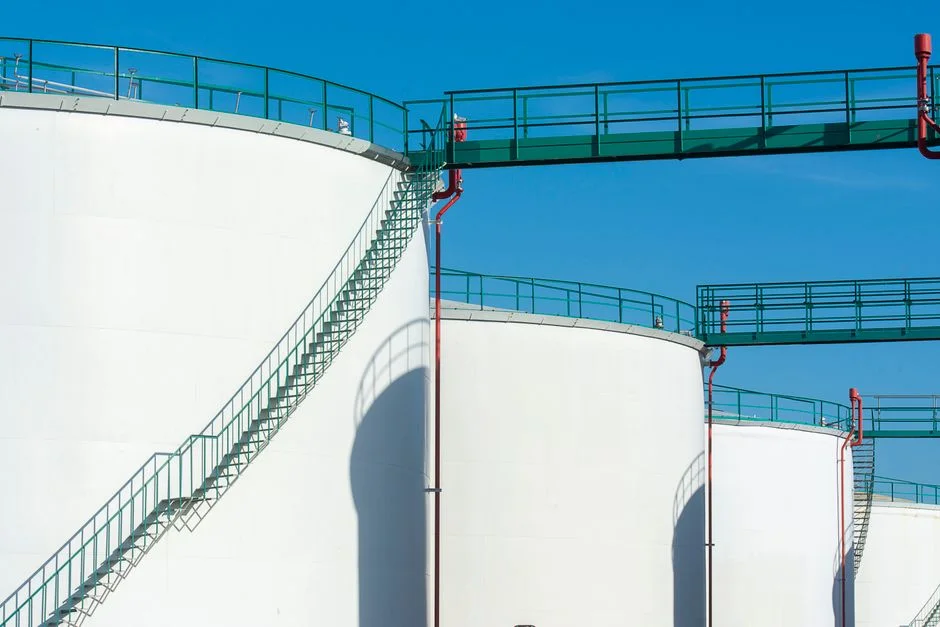
A membrane bioreactor replaces the secondary clarifier with a microfiltration or ultrafiltration membrane cassette operating in a 0.04–0.2 μm pore range, while keeping the suspended-growth bioreactor upstream (per the research literature on MBR fundamentals, 2026). The membrane physically retains all biomass inside the reactor, discharging only clarified permeate. Two practical consequences follow: complete solids-liquid separation regardless of sludge settleability, and the ability to operate at much higher MLSS than CAS — typically 8,000–12,000 mg/L versus 2,000–4,000 mg/L for CAS.
For a metal-finishing stream, that complete biomass retention is the headline benefit. When a zinc or copper slug hits the basin, the nitrifier population and the metal-tolerant microbial consortia stay in the reactor; they are not swept out over a clarifier weir. The literature on MBR microbiology notes that complete biomass retention enables higher microbial biodiversity, which favors biodegradation of recalcitrant substances — including the chelating agents, oils, and solvents common in parts-washing effluent. Recovery from a metal-spike event is measured in hours, not days.
Configuration matters for industrial streams. Sidestream tubular PVDF modules (8 mm tubes, 100–200 kDa MWCO) are typically preferred for tough industrial wastewaters with high solids and oil loading because they tolerate backwash cycles and CIP chemicals. Submerged hollow-fiber or flat-sheet PVDF cassettes suit medium flows with stable feed and deliver the lowest energy footprint for a given flow rate. The 2026 commercial literature positions submerged cassettes as the workhorse for the 10–2,000 m³/day range typical of mid-sized Smyrna facilities (per PCI Membranes engineering documentation).
Automation is the operational lever. A PLC-controlled MBR with online MLSS, transmembrane pressure, and turbidity instrumentation runs unattended overnight and on weekends, which matters for a metal-finishing plant whose wastewater operators are also pulling duty in the plating shop. Operator exposure to metal-bearing waste-activated sludge handling is reduced because the sludge stream is more concentrated and steadier.
Head-to-Head Comparison: MBR vs CAS for Smyrna Metal-Finishing Plants
The trade-offs below are the ones that show up in a CAPEX evaluation meeting. The footprint column uses CAS as the 100% baseline; MBR footprint is the smaller of the two values cited in the research (50% reduction per the bioreactor sizing argument, 60% reduction per the integrated skid product data).
| Parameter | Conventional Activated Sludge (CAS) | Membrane Bioreactor (MBR) |
|---|---|---|
| Footprint (relative) | 100% (baseline) | 40–50% of CAS |
| Effluent TSS (mg/L) | 20–60 (typical), excursions higher | <1 (essentially solids-free) |
| Effluent COD (mg/L) | 80–200 | 20–60 |
| MLSS operating range (mg/L) | 2,000–4,000 | 8,000–12,000 |
| Oil and grease tolerance (upstream of bioreactor) | Limited; slugs cause bulking | Higher; biomass retained, but membrane fouling risk requires DAF protection |
| Sensitivity to heavy-metal slugs | High — clarifier washout, days to recover | Lower — biomass retained, hours to recover |
| Disinfection requirement | Required downstream (UV or chlorination) | Minimal — bacteria and viruses physically excluded by membrane |
| Automation level | Manual operator attention | PLC-controlled, unattended operation |
| CAPEX band | Lower civil cost, lower equipment cost | Higher (membrane modules, cassette frames, CIP skid, scour blowers) |
| OPEX band | Lower energy, higher polymer and sludge handling | Higher energy (membrane air scour), lower polymer and sludge handling, periodic membrane replacement |
| Reuse / RO feed readiness | Not directly suitable — TSS too high | Directly suitable — suspended-solids-free permeate |
The 50–60% footprint reduction comes from two compounding effects: the secondary clarifier is replaced by a much smaller rectangular membrane cassette, and the higher MLSS allows a smaller aeration tank at the same F:M ratio. The CAPEX premium for MBR is real — membrane modules, cassette frames, oversized blowers for scour air, and a CIP skid are not optional equipment. The honest counterweight is that the MBR permeate can feed an RO skid directly, eliminating the sand filter and cartridge filter that would sit in front of RO in a CAS-RO reuse train (per the PCI Membranes MBR engineering documentation, 2026).
Pretreatment Integration: Oils, Heavy Metals, and pH Swing Protection
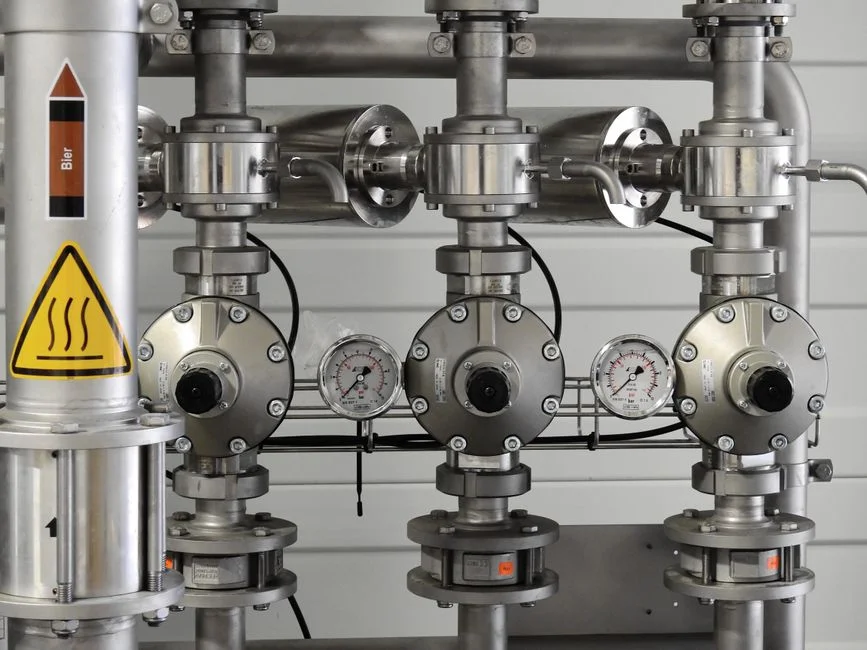
Neither CAS nor MBR tolerates free or emulsified oil in the bioreactor. A DAF or oil-water separator upstream is mandatory; the question is sizing. For a Smyrna stamping or parts-washing plant running 50–500 mg/L oil and grease at the equalization basin outlet, a properly sized DAF unit for oil and TSS removal upstream of MBR is the single most important pretreatment decision. For plants with high TSS loads from machining and grinding, pairing the DAF with a lamella clarifier for metal-finishing pretreatment cuts the TSS loading on the membrane and extends CIP intervals.
For shops running hexavalent chrome, chromium reduction (typically sulfite or ferrous sulfate at pH < 3 in a dedicated reduction basin) is mandatory before the biological step — and that step is non-negotiable for either CAS or MBR. pH equalization to a 6.5–8.0 band is the other non-negotiable.
What changes when MBR is the downstream choice is the tolerance for residual dissolved metals. The membrane keeps acclimated biomass in the reactor, so a zinc or copper spike does not wash out the culture the way a clarifier overflow would. The MBR can ride through an event that would put a CAS plant into a multi-day recovery. Membrane cleaning-in-place protocols — typically weekly recovery cleans with sodium hypochlorite and quarterly caustic CIP — and a dedicated maintenance schedule are non-negotiable and should be budgeted as a recurring line item, not treated as an emergency.
Decision Framework: When MBR Wins, When CAS Still Makes Sense
The matrix below maps four decision variables — average daily flow, discharge destination, available footprint, and heavy-metal loading — to a recommended technology. It is built from the 2026 commercial comparison literature and the 10–2,000 m³/day operating envelope for packaged MBR skids.
| Flow band (m³/day) | Discharge destination | Footprint constraint | Heavy-metal loading | Recommended technology |
|---|---|---|---|---|
| 10–500 | RO reuse skid | Tight | Routine zinc/copper slugs | MBR (submerged flat-sheet or hollow-fiber) |
| 500–2,000 | POTW or reuse | Moderate | Variable, includes hex chrome | MBR preferred; CAS acceptable if no reuse |
| 2,000–5,000 | POTW | Available | Low to moderate | Either; CAS competitive on CAPEX |
| > 5,000 | POTW | Available | Low | CAS remains the economic choice |
The rules are straightforward. Choose MBR when discharge feeds an RO reuse skid, when floor space is constrained, when hexavalent chrome and zinc slugs are routine, or when the plant is targeting unattended operation. Choose CAS when flow exceeds 5,000 m³/day, when effluent only needs to meet basic POTW BOD and TSS limits, and when the CAPEX ceiling is hard. The 2026 academic and commercial literature still positions CAS as appropriate for large-scale, cost-sensitive applications, with MBR for high-effluent-quality and space-efficient scenarios.
5-Year Cost Lens and Implementation Notes for Smyrna Plants
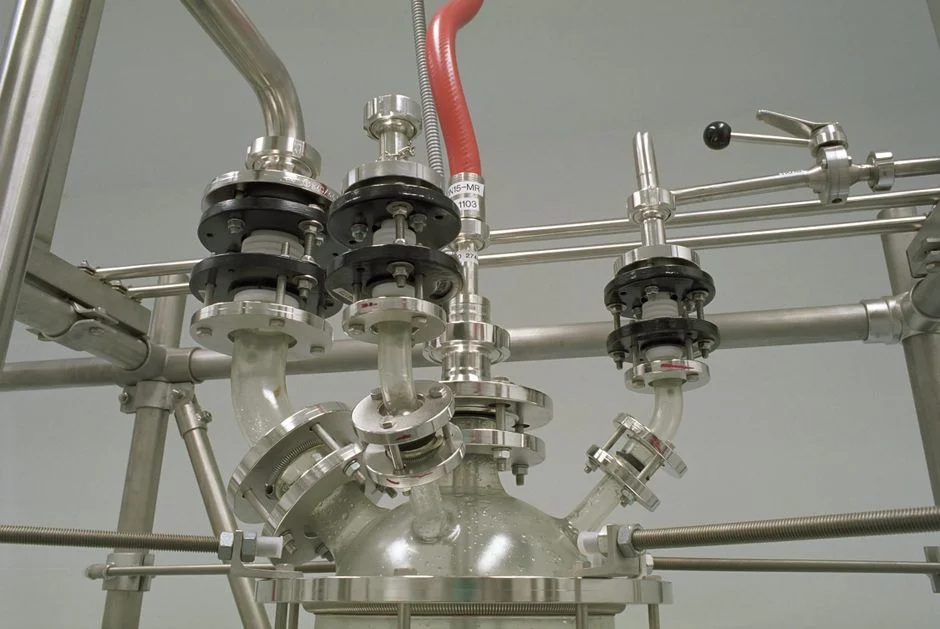
CAPEX drivers split cleanly. An MBR retrofit adds the cost of membrane modules, cassette frames, scour blowers sized for the membrane air-flow demand, and a CIP skid — partially offset by smaller civil works for the aeration basin and the elimination of the secondary clarifier and most downstream disinfection. A CAS retrofit is dominated by large civil works, a new clarifier mechanism, and return/waste sludge pumps — partially offset by lower equipment cost.
OPEX drivers split inversely. MBR OPEX is dominated by energy for membrane air scour and periodic membrane replacement (membranes typically run 5–8 years before replacement in industrial service). CAS OPEX is dominated by polymer consumption for sludge conditioning, sludge hauling and handling costs, and downstream disinfection chemicals. Avoid quoting a dollar figure for either system here — the directional point is that MBR energy OPEX is higher per cubic meter while sludge-handling OPEX is materially lower, and the net difference depends on local power rates, sludge hauling rates, and labor cost. Water reuse revenue (where the MBR permeate feeds RO and displaces purchased water) frequently tips the 5-year net present value in favor of MBR for plants paying $4–8/kgal for incoming process water.
For mid-sized Smyrna facilities in the 50–500 m³/day range, an integrated MBR skid for industrial wastewater sized with a PVDF flat-sheet MBR membrane module typically delivers a 4–6 month installation window with minimal civil work — a practical option for plants that cannot shut down the treatment system for a year-long CAS rebuild. For a deeper pretreatment compliance view that complements this comparison, the fabricated metals pretreatment compliance guide covers the front-end in more detail, and the MBR vs CAS comparison for mining wastewater and MBR vs CAS for chemicals wastewater guides apply the same framework to adjacent industrial streams.
Frequently Asked Questions
Does an MBR eliminate the need for oil and grease removal upstream?
No. A DAF or oil-water separator remains mandatory in front of either CAS or MBR for a fabricated metals stream. Free and emulsified oils foul membranes and upset biomass regardless of whether the separator downstream is a clarifier or a membrane cassette. Typical upstream target is < 50 mg/L oil and grease at the bioreactor inlet.
What effluent quality can a Smyrna metal-finishing MBR realistically deliver to the Cobb County Water System?
A properly designed MBR produces permeate with TSS < 1 mg/L and COD typically 20–60 mg/L, well within the local pretreatment envelope. The membrane's 0.04–0.2 μm pore range physically excludes bacteria and most viruses, which reduces downstream disinfection to a polishing step (per the 2012 MBR membrane characterization research and the 2026 PCI Membranes engineering documentation).
How much floor space does an MBR actually save versus a CAS retrofit at a Smyrna plant?
Field data and the 2026 integrated skid product specifications put the footprint reduction at 50–60% of the equivalent CAS train. The savings come from two compounding effects: the secondary clarifier is replaced by a smaller rectangular membrane cassette, and the higher operating MLSS (8,000–12,000 mg/L vs 2,000–4,000 mg/L) allows a smaller aeration basin at the same F:M ratio.
Is MBR economically defensible at low flow rates for a small metal-finishing shop?
Yes. Packaged MBR skids are well-engineered for the 10–2,000 m³/day range, with PLC automation that allows unattended operation — a major labor advantage for a shop where the wastewater operator is also pulling plating-line duty. At very low flows (< 10 m³/day) a packaged DAF plus a smaller biological system may be more cost-effective than a full MBR skid.