Why São Paulo's Sewage Treatment Story Matters in 2026
São Paulo state's coverage numbers look strong on paper but break down in practice: 95.6% of households are connected to the water network and 79% to the sewerage network, yet only 62% of the sewage that enters the network is actually treated (source: World Bank, 2025). SABESP collects and treats roughly 70% of the wastewater produced within the Guarapiranga Basin, which supplies drinking water to a quarter of the metropolitan region's 22 million residents (source: World Bank, 2025). The gap between collection and treatment is the central engineering problem: pipework reaches the neighbourhood, but the plant capacity, pumping stations, or trunk interceptors often do not.
The pollution evidence is concrete. Billings Reservoir, Brazil's largest urban reservoir at 127 km² and 700 km of shoreline, is contaminated with sewage, pharmaceutical residues, microplastics, and fecal matter; in January 2026 SABESP was fined after a hydraulic-overload event dumped waste into the reservoir following heavy rain (source: The Guardian, 2026-06). In the Alto Tietê Basin, the wealthiest quadrant of the city, approximately 58 tons of solid waste enter waterways daily, fouling screens and periodically overloading combined sewer systems (source: Noticias Ambientales, 2022). For consulting engineers and EPC contractors sizing plants for hotels, hospitals, factories, or real estate developments in Greater São Paulo, the implication is direct: where the centralized network is incomplete, overloaded, or slow to expand, packaged and modular treatment plants carry the load.
The Process Train Used in São Paulo's Full-Scale WRRFs
Full-scale water resource recovery facilities (WRRFs) in São Paulo State, including the large SABESP-operated plants such as Barueri, are configured as an anaerobic-anoxic-aerobic (A2O) activated sludge process followed by submerged membrane bioreactor (MBR) filtration (source: Europe PMC, Environ Sci Pollut Res Int, 2026-04). This configuration removes carbon, nitrogen, and phosphorus in a single biological stage, with the MBR replacing the secondary clarifier and most disinfection.
Each zone has a defined role. The anaerobic zone releases phosphate through enhanced biological phosphorus removal (EBPR) by polyphosphate-accumulating organisms. The anoxic zone receives returned mixed liquor from the aerobic tank and uses nitrate as the electron acceptor to denitrify without aeration. The aerobic zone oxidises BOD and nitrifies ammonia to nitrate under controlled dissolved oxygen, typically 1.5–2.5 mg/L. The MBR cassette then filters mixed liquor through 0.1–0.03 µm membranes, producing near-reuse-quality effluent while eliminating the secondary clarifier, most disinfection, and roughly 60% of the footprint of a conventional activated-sludge plant (HydropureWater MBR catalog data, 2026). Standard membrane material is PVDF hollow-fiber or flat-sheet, with coarse-bubble aeration underneath the modules for fouling control.
The 2026 Europe PMC study sampled a full-scale A2O+MBR plant in São Paulo State across raw sewage, biological stages, and MBR permeate, with confirmation in regional surface waters. Target compounds were quantified by UPLC-MS/MS and GC-MS, providing removal percentages that are directly defensible to a regulatory reviewer. For engineers benchmarking an integrated MBR membrane bioreactor system against municipal performance, this study is the most recent full-scale reference for the region.
What the 2026 Performance Data Actually Shows
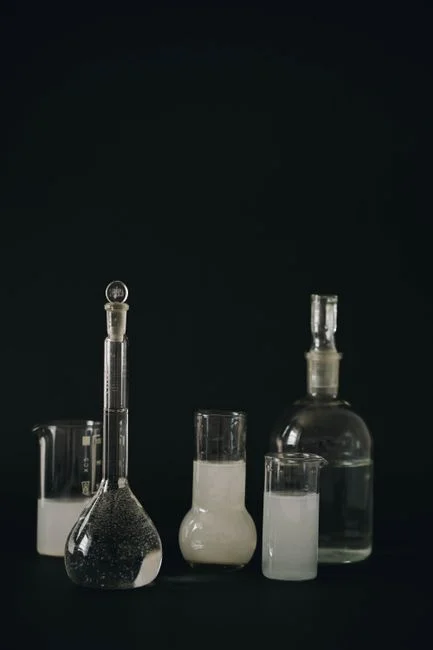
The conventional pollutant envelope is the primary requirement for the design basis. A2O+MBR plants in São Paulo State are operating with BOD, COD, TSS, ammonia, and total nitrogen removals consistent with CONAMA 430/2011 Class 2 discharge standards, with BOD consistently below 30 mg/L in the MBR permeate and ammonia typically below 5 mg/L under stable operation. The 2026 Europe PMC study provides data on specific contaminants:
- >97% removal: paracetamol, caffeine, ibuprofen, naproxen, atenolol — these compounds are well-biodegraded in the aerobic stage and partially rejected by the MBR membrane.
- 60–70% removal: diclofenac and propranolol — biologically recalcitrant, requiring oxidation (O₃, UV/H₂O₂) or granular activated carbon polishing for stricter reuse targets.
- Negative removal (apparent concentration increase): carbamazepine and its metabolites — caused by deconjugation of carbamazepine glucuronides during biological treatment, which the study confirms as a reliable chemical marker of plant performance.
- Variable removal: estrogenic compounds, dependent on hydraulic retention time and sludge age.
Caffeine dominates raw sewage concentrations and is the easiest emerging contaminant to track, making it a useful operational tracer. The study's full table of values is summarised below.
| Compound class | Example | A2O+MBR removal | Engineering implication |
|---|---|---|---|
| Analgesic / anti-inflammatory (easy) | Paracetamol, ibuprofen, naproxen | > 97% | No polishing required for discharge |
| Stimulant / tracer | Caffeine | > 97% | Best operational tracer |
| Beta-blocker (easy) | Atenolol | > 97% | No polishing required |
| Beta-blocker / NSAID (recalcitrant) | Diclofenac, propranolol | 60–70% | Add O₃ or GAC for reuse |
| Anti-epileptic | Carbamazepine | Negative (apparent increase) | Use as performance marker only |
| Endocrine disruptor | Estrone, 17β-estradiol | Variable | HRT- and SRT-dependent |
All values from Machado et al., Environ Sci Pollut Res Int 33(15):7317-7332, 2026-04.
Decentralized and Packaged Options for Sites Outside the SABESP Network
Packaged plants provide a practical answer for projects that cannot wait for centralized infrastructure, such as hotels near Guarapiranga, hospitals in industrial districts, or food-processing plants in the ABC region. Three configurations cover most Brazilian commercial and industrial flow ranges, and the selection logic is straightforward.
| Unit type | Flow range | Configuration | Typical application |
|---|---|---|---|
| WSZ underground integrated A/O plant | 1–80 m³/h | Fully buried, automated, no on-site operator | Hotels, residential developments, small hospitals, light industry |
| Integrated MBR containerized system | 10–2,000 m³/day | PVDF submerged membranes, <1 µm filtration, 60% smaller footprint than CAS | Reuse-quality projects, larger hotels, hospitals, factories |
| DF series flat-sheet MBR modules | 32–135 m³/day per cassette; 80–225 m² per cassette | Individually replaceable elements, retrofittable into concrete tanks | MBR retrofits, municipal-style plants, capacity expansion |
Sizing starts with wastewater generation, not population. A typical 100-room Brazilian hotel generates 25–40 m³/day. A 100-bed hospital runs 50–80 m³/day, with elevated BOD from laundry and kitchen waste. A food-processing plant is flow-variable but BOD-dominated, often 1,000–3,000 mg/L, which pushes the design toward an MBR with equalisation upstream. Site constraints common in Greater São Paulo — limited footprint, high water table in the baixada zones along the Tietê and Pinheiros, and the need to preserve landscaping — favour buried or trailer-mounted installation. This is achievable using a WSZ underground package sewage treatment plant, an integrated MBR membrane bioreactor system, or a retrofit with DF series flat-sheet MBR membrane modules. For broader selection logic applied to hospitality, see our 2026 guide on sizing a packaged MBR STP for hospitality, and for a direct MBR vs conventional activated sludge comparison in industrial service.
Pretreatment, Disinfection, and Sludge Handling
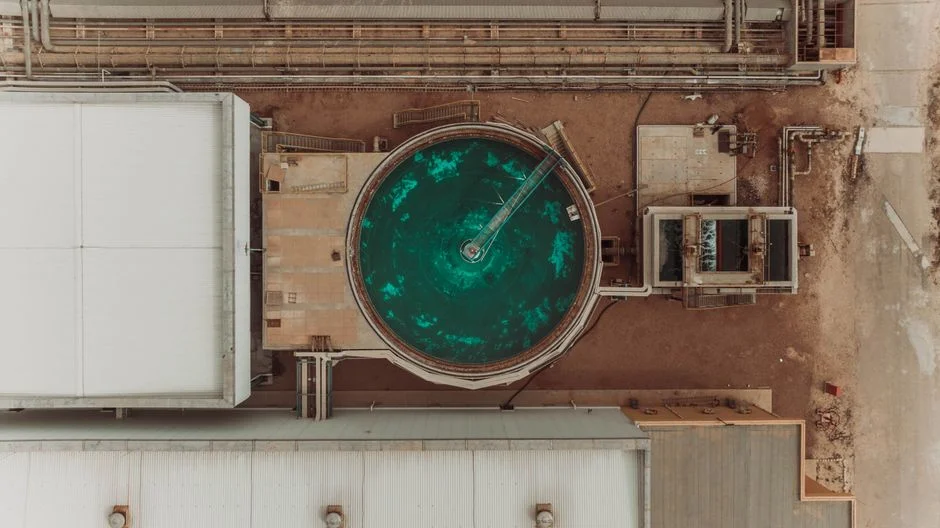
A biological reactor is only as reliable as the headworks feeding it. Rags, plastics, and fibrous debris blind membranes and choke diffusers, so a GX rotary mechanical bar screen with 3–6 mm aperture is the standard first stage. FOG and emulsified suspended solids are knocked down upstream of the biological stage with a dissolved air flotation system, rated 4–300 m³/h and proven in food, pulp & paper, and municipal pre-treatment applications. For flows and selection logic in a tropical-utility context, our 2026 guide on package wastewater treatment plant selection walks through the same headworks logic.
Disinfection selection is driven by reuse intent. UV is the default for effluent going to irrigation or toilet flushing because it inactivates chlorine-resistant protozoa (Cryptosporidium, Giardia) without forming DBPs, and is available as a skid-mounted unit for small packaged plants. Where a residual is required in a long distribution loop, on-site chlorine dioxide generation is the next step. Sludge is dewatered on a plate-and-frame filter press sized from 1 m² for small packaged plants to 500 m² for municipal-style flows, with PLC control ranging from manual to fully automatic, and chemical dosing skids handle coagulant, flocculant, and pH adjustment for phosphorus precipitation and sludge conditioning. For packaged plant scopes, the simplest way to keep the train coherent is to specify headworks, biological reactor, MBR (if reuse is required), disinfection, and sludge dewatering from a single supplier with matched hydraulics.
Regulatory Framework: CONAMA 430, SABESP Standards, and Reuse
CONAMA Resolution 430/2011 is the federal floor: BOD ≤ 120 mg/L or ≥ 60% removal, with secondary limits on TSS, oils, and pH for any plant discharging to surface water. SABESP's industrial discharge standards (the Norma Técnica SABESP NTS 013 or its successor STD) are typically stricter for BOD, COD, ammonia, and total phosphorus, and the current version must be requested directly from SABESP before the design basis is finalised. Reclaimed water for non-potable urban reuse is governed by the WHO 2006 guidelines and SABESP's reuse protocol, which set the microbial and physicochemical envelope — typically BOD < 10 mg/L, TSS < 5 mg/L, fecal coliforms < 200 CFU/100 mL for restricted urban use. New plants in the Billings/Guarapiranga basin face additional review under the Alto Tietê and Guarapiranga watershed plans, which cap nutrient loads discharged upstream of the reservoirs.
Frequently Asked Questions
What is the standard process train used in a São Paulo municipal sewage treatment plant in 2026?
The standard train at SABESP-operated full-scale WRRFs is anaerobic-anoxic-aerobic (A2O) activated sludge followed by submerged MBR filtration with 0.1–0.03 µm PVDF membranes, achieving > 97% removal of caffeine, ibuprofen, paracetamol, and naproxen (source: Europe PMC, 2026-04).
What removal rates does A2O+MBR achieve for emerging contaminants in São Paulo?
The 2026 Europe PMC study reports > 97% removal for caffeine, paracetamol, ibuprofen, naproxen, and atenolol; 60–70% for
Frequently Asked Questions
How does São Paulo treat its municipal sewage in 2026?
In 2026, São Paulo utilizes a combination of advanced secondary and tertiary treatment processes managed primarily by SABESP. The majority of large-scale facilities employ activated sludge systems, often enhanced with biological nutrient removal (BNR) to address nitrogen and phosphorus levels. In densified urban zones, decentralized Membrane Bioreactor (MBR) systems are increasingly deployed to produce high-quality effluent suitable for non-potable urban reuse.
What percentage of sewage in São Paulo is actually treated?
As of 2026, the sewage collection and treatment coverage in the São Paulo Metropolitan Region has reached approximately 92% of the urban population. While collection rates are higher, the effective treatment rate—defined as sewage that undergoes secondary biological processing before discharge into the Tietê and Pinheiros river basins—stands at roughly 85%, reflecting ongoing infrastructure expansion projects aimed at full universalization.
What is the removal efficiency of MBR plants in São Paulo?
Membrane Bioreactor (MBR) plants operating in São Paulo achieve superior removal efficiencies compared to conventional activated sludge systems. These plants consistently report Biological Oxygen Demand (BOD) removal exceeding 98%, Total Suspended Solids (TSS) removal greater than 99%, and significant reduction in pathogens, often achieving log-4 removal of bacteria, making the output compliant with the most stringent NBR 13969 standards for water reuse.
Which packaged sewage treatment plant works for hotels and hospitals in São Paulo?
For hotels and hospitals requiring high-quality effluent and a small physical footprint, modular MBR (Membrane Bioreactor) and MBBR (Moving Bed Biofilm Reactor) packaged plants are the industry standard. These systems are preferred because they handle variable hydraulic loads effectively and provide the disinfection levels required by local environmental agencies for sites discharging near sensitive urban water bodies.
Which Brazilian regulation governs sewage discharge — CONAMA 430 or SABESP standards?
Both frameworks apply concurrently; CONAMA Resolution 430/2011 serves as the national federal standard defining the maximum permissible limits for effluent discharge into receiving water bodies, including pH, temperature, and heavy metal concentrations. SABESP acts as the local service provider and regulatory operator, enforcing these federal limits while applying additional technical requirements for connections to the municipal sewage collection network, often governed by specific local municipal decrees and NBR technical standards.