Why Selangor’s Wastewater Regulations Demand Package Treatment Plants in 2025
Selangor’s 2025 wastewater treatment demands compact, compliant solutions: package plants now account for 38% of new STP installations in Malaysia (up from 24% in 2020), driven by EQA 1974’s strict effluent limits (BOD < 20 mg/L, TSS < 50 mg/L). This guide provides Selangor-specific technical specs, cost benchmarks ($250K–$2.8M for 50–1,000 m³/day systems), and a supplier checklist to navigate local regulations and avoid Imhoff tank limitations (e.g., 40% lower COD removal vs. MBR systems).
The Environmental Quality Act (EQA) 1974, specifically the Environmental Quality (Sewage) Regulations 2009, mandates that all industrial and residential discharges in Selangor meet Standard A or Standard B requirements depending on the catchment area. For projects within the Klang River Basin, the Selangor Water Management Authority (LUAS) often enforces even more stringent discharge permits to protect downstream water intake points. According to Indah Water Portal data, traditional Imhoff tanks still constitute 24% of Malaysia’s STPs, yet these systems consistently fail to meet modern standards, typically achieving COD removal rates of less than 60%. Modern package wastewater treatment plants utilize advanced biological and physical processes to achieve 90% to 98% removal efficiencies.
Selangor’s 2030 water security plan, which includes the construction of four new large-scale water treatment plants (WTPs), has increased the regulatory scrutiny on decentralized treatment. Industrial parks in areas like Shah Alam, Klang, and Balakong are no longer permitted to rely on aging infrastructure. A real-world scenario recently surfaced in 2024 when a food manufacturing facility in the Shah Alam industrial zone was fined RM 500,000 for exceeding Total Suspended Solids (TSS) limits. The facility was using an outdated Imhoff system that could not handle the organic loading of the plant's expansion. Transitioning to a DAF system for Selangor’s food processing and industrial wastewater would have mitigated this risk by providing consistent TSS removal above 92%.
The scarcity of industrial land in Selangor has made the footprint of treatment systems a critical procurement factor. While traditional activated sludge plants require large clarifiers and aeration basins, package STPs integrate these components into a single, often transportable, unit. This allows developers in Subang Jaya and Petaling Jaya to maximize surface area for production or residential amenities while remaining fully compliant with EQA 1974 effluent limits (BOD < 20 mg/L, COD < 80 mg/L, TSS < 50 mg/L).
Package Wastewater Treatment Plants for Selangor: Technology Comparison Matrix
Matching the correct treatment technology to Selangor’s specific industrial influent is critical for long-term operational stability and regulatory compliance. The three primary technologies dominating the Malaysian market in 2025 are Membrane Bioreactors (MBR), Dissolved Air Flotation (DAF), and Anaerobic/Oxic (A/O) integrated systems. Each offers distinct advantages regarding removal efficiency and energy consumption.
| Technology | Flow Rate (m³/day) | Footprint (m²) | BOD/COD Removal (%) | Energy Use (kWh/m³) | EQA 1974 Compliance | Typical Applications |
|---|---|---|---|---|---|---|
| MBR (Membrane Bioreactor) | 10 – 2,000+ | 40 – 150 | 95% / 92% | 0.8 – 1.2 | Yes (Standard A) | Electronics, Water Reuse |
| DAF (Dissolved Air Flotation) | 50 – 5,000 | 20 – 80 | 70% / 85% | 0.3 – 0.5 | Yes (with Pre-treatment) | F&B, Palm Oil, O&G |
| WSZ Series (A/O) | 5 – 500 | 15 – 60 | 85% / 80% | 0.2 – 0.4 | Yes (Standard B) | Residential, Schools |
MBR Systems: For high-precision manufacturing, such as semiconductor or electronics facilities in the Bayan Lepas or Shah Alam corridors, MBR systems for Selangor’s water reuse and high-efficiency treatment needs are the gold standard. These systems utilize ultrafiltration membranes with pore sizes smaller than 1 μm, effectively removing bacteria and suspended solids without the need for secondary clarification. This technology is essential for facilities aiming for "zero liquid discharge" or those seeking to recycle process water to offset Selangor’s rising industrial water tariffs.
DAF Systems: In sectors dealing with high fats, oils, and grease (FOG)—common in Selangor’s extensive food processing industry—DAF technology is indispensable. By introducing micro-bubbles into the wastewater, DAF units float light solids to the surface for mechanical skimming. This process is significantly more efficient than sedimentation for oily wastewater, often requiring a 30% smaller footprint than traditional circular clarifiers. When evaluating regional needs, it is helpful to consider DAF system design considerations for tropical climates like Selangor’s, where temperature-driven biological activity must be balanced with physical separation speeds.
WSZ Series (A/O): For residential developments and commercial complexes in Subang Jaya, the WSZ Series underground package STP for Selangor’s residential and industrial projects is the most cost-effective solution. These integrated A/O (Anaerobic/Oxic) systems are designed for fully buried installation, allowing the surface area to be used for parking lots or green spaces. They provide a robust biological treatment process that meets Standard B effluent requirements with the lowest operational complexity and energy demand in the package STP category.
2025 Cost Benchmarks for Package STPs in Selangor: CAPEX, OPEX, and ROI
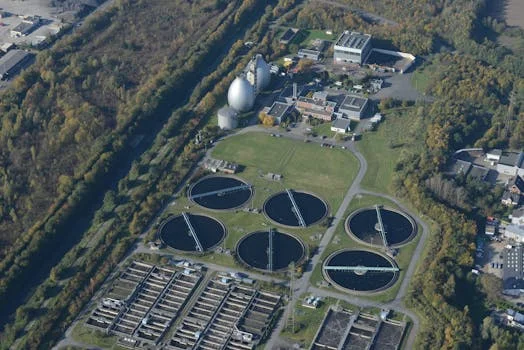
Capital expenditure (CAPEX) for package wastewater treatment plants in Selangor varies significantly based on the required effluent quality and the complexity of the influent. In 2025, procurement leads must account for not only the equipment cost but also the civil works, installation, and the long-term operational expenditure (OPEX) driven by Malaysia's electricity tariffs and chemical costs.
| Technology Type | CAPEX (USD/m³/day) | OPEX (USD/m³) | Payback Period (Years) | Maintenance Frequency |
|---|---|---|---|---|
| MBR | $2,800 – $4,200 | $0.45 – $0.70 | 4 – 6 | Quarterly (Membrane Cleaning) |
| DAF | $1,200 – $2,500 | $0.30 – $0.50 | 3 – 5 | Monthly (Chemical Dosing) |
| WSZ Series (A/O) | $800 – $1,800 | $0.20 – $0.40 | 2 – 4 | Bi-Annually |
| Imhoff (Retrofit) | $600 – $1,200 | $0.15 – $0.25 | N/A | Monthly (Desludging) |
The Return on Investment (ROI) for a modern package STP is primarily driven by three factors: avoidance of regulatory fines, water reuse savings, and land value optimization. Under EQA 1974, fines for non-compliance can range from RM 50,000 to RM 500,000 per year, which often exceeds the annual OPEX of a compliant system. In Selangor, where industrial water rates are among the highest in Malaysia, recycling treated effluent for non-potable uses (cooling towers, floor washing, irrigation) can save between RM 3 and RM 7 per m³, significantly shortening the payback period.
Land value is an often-overlooked ROI driver. In densely populated areas of Selangor, the ability to install a buried WSZ Series system allows developers to reclaim 100% of the surface area for redevelopment. For an industrial park, this could mean an additional 5,000 square feet of warehouse space, which at current Selangor rental rates, adds substantial value to the project’s bottom line. Sludge management also impacts OPEX; while MBR systems have higher energy costs, they produce significantly less biological sludge compared to traditional systems, reducing disposal fees at Selangor landfills which currently charge between RM 120 and RM 180 per ton.
Selangor Compliance Checklist: EQA 1974, Local Bylaws, and Permitting
Compliance in Selangor requires a multi-tiered approach involving the Department of Environment (DOE) Malaysia and the Selangor Water Management Authority (LUAS). Failure to secure the necessary "Written Notification" or "Written Approval" before installation can lead to immediate stop-work orders and heavy penalties. The regulatory framework is designed to ensure that any discharge into the Klang River, Langat River, or Selangor River basins does not compromise the state's drinking water sources.
- EQA 1974 Requirements: All package STPs must be designed to meet Standard A (upstream of water intakes) or Standard B (downstream). Key parameters include pH (6.0–9.0), BOD5 (20 mg/L for Std A), COD (80 mg/L for Std A), and TSS (50 mg/L for Std A). Weekly sampling is typically required for industrial operators, with monthly reports submitted to DOE Selangor via the Online Environmental Reporting (OER) portal.
- LUAS Discharge Permits: Any facility discharging into a watercourse in Selangor must obtain a discharge license from LUAS. This is separate from DOE approval and involves an assessment of the "Total Maximum Daily Load" (TMDL) the receiving river can handle.
- Disinfection Standards: To prevent bacterial contamination, effluent must be disinfected. Utilizing a chlorine dioxide generator for effective wastewater disinfection is a common method to meet the required residual chlorine levels of 0.5–1.0 mg/L while minimizing harmful disinfection byproducts.
- Permitting Timeline: The process generally follows a three-step sequence: 1) Environmental Impact Assessment (EIA) for systems exceeding 500 m³/day, 2) DOE technical design approval, and 3) LUAS discharge licensing. The typical timeline for these approvals in Selangor is 3 to 6 months.
Common violations observed by DOE Selangor inspectors include pH drift—often caused by inadequate buffering in chemical treatment stages—and odor complaints. Odor control is strictly regulated under the Environmental Quality (Clean Air) Regulations, where Hydrogen Sulfide (H₂S) levels must remain below 0.1 ppm at the boundary line. Modern package plants mitigate this through integrated carbon filters or biological scrubbers.
Supplier Vetting Framework for Selangor Package STPs: 7 Critical Questions to Ask
Selecting a supplier for a package wastewater treatment plant in Selangor requires more than a price comparison; it requires an evaluation of the vendor's technical depth and local support infrastructure. Procurement