Why Norfolk transportation equipment plants need a DAF-led train in 2026
A single paint-line slug dumped 18,000 lb of BOD surcharges on a Norfolk Tier-1 stamper's HRSD bill in 2025 — the kind of event that turns a capex question into an emergency. For 2026 the right question is not "DAF or clarifier" but "which train on which stream," because the contaminant matrix at a transportation equipment plant is fundamentally different from the FOG-heavy food & beverage stream covered in the HydropureWater Norfolk food & beverage DAF guide and the southern geography covered in the parallel Milton transportation equipment guide. Hampton Roads Sanitation District (HRSD) treats industrial discharges from most Norfolk plants under its Industrial Wastewater Discharge (IWD) program, with surcharges triggered by BOD, TSS, and oil & grease (O&G) — one out-of-spec shift can move a plant from compliant to surcharged in a single billing cycle (per HRSD IWD program, 2026). On top of that, Virginia implements the Chesapeake Bay nutrient total maximum daily load (TMDL), so nitrogen and phosphorus caps tighten every permit cycle. A 2026 design that only removes oil and TSS without feeding a downstream biological step is a compliance risk for the 2027 cycle.
The governing categorical standards for a Norfolk stamping, machining, paint, or assembly operation are 40 CFR 433 (Metal Finishing) and 40 CFR 442 (Transportation Equipment Cleaning). Neither standard is named on any current top-ranking SERP page, which leaves buyers without their actual compliance framework. Transportation equipment streams carry three contaminant classes at once — emulsified machining oils and drawing compounds, paint overspray solids with TiO2 and resin binders, and dissolved metals (Zn, Ni, Cr, Cu) — and that matrix demands a different selection rule than the FOG-and-protein food plant case. A DAF-led train, in which a HydropureWater dissolved air flotation system is the primary and a lamella clarifier is the polishing step, is the configuration that keeps both the categorical standard and the HRSD local limit in view.
| Driver | 2026 Norfolk requirement | Design implication |
|---|---|---|
| HRSD IWD surcharge | BOD, TSS, O&G | Two physical barriers in series before discharge |
| 40 CFR 433 (Metal Finishing) | Daily-max limits on Zn, Ni, Cr, Cu, O&G | Coagulation stage tuned to dissolved metals |
| 40 CFR 442 (Transportation Equipment Cleaning) | O&G, TSS, pH limits on washwater | Detackification on paint streams, emulsion-break on machining |
| Chesapeake Bay TMDL | Annual nitrogen and phosphorus reductions | Primary step must protect downstream biological stage |
| Slug loads (CIP, model changeover) | Intermittent 2–5x hydraulic peaks | Flow equalization upstream of the DAF |
What each stream in a Norfolk transportation plant actually looks like
Stamping and drawing fluids run 500–2,000 mg/L FOG with 200–800 mg/L TSS — mostly emulsified drawing compound, tramp oil, and iron fines. A lamella clarifier on that stream captures only the free oil that has already broken out of emulsion; the emulsified fraction passes through and fouls downstream biology. A DAF is mandatory as the primary. Machining and grinding lines are the harder case: cutting fluid emulsions and metal fines (Fe, Al, Cu) push FOG to 5,000 mg/L on a sump-dump day, and the only device that handles a slug of that magnitude with consistent effluent is a DAF paired with a properly engineered emulsion-breaking chemistry program. Paint-shop wastewater is the most distinct stream in the plant because the chemistry is detackification rather than FOG coagulation — a polyamine or melamine-formaldehyde blend coagulates the resin and prevents re-deposition on tank walls, which is a reagent set a generic FOG program cannot substitute. A DAF with a dedicated detackification skid is the standard configuration, and a HydropureWater automatic chemical dosing system is what keeps the dose on target through a model changeover.
Assembly and final rinse is the one stream where the default flips. FOG runs below 100 mg/L and TSS is low, so a lamella clarifier can serve as the primary with a DAF held in reserve for higher-load days. The reason this matters is that buying a single oversized DAF for the whole plant is the most common 2025-vintage mistake we still see in Norfolk RFQs — the answer is to size each unit operation to its own stream, not blend four streams and chase one device to do all of it. Flow equalization is mandatory upstream of any DAF on transportation equipment streams because wash cycles, model changeovers, and CIP events produce slug loads that swamp a flotation tank designed for steady flow. A 2–5x hydraulic peak with no equalization is the most common reason DAF effluent quality swings on a Norfolk paint line.
| Stream | Dominant contaminants | FOG range | Right primary | Required chemistry |
|---|---|---|---|---|
| Stamping and drawing | Emulsified drawing compound, tramp oil, Fe fines | 500–2,000 mg/L | DAF | Emulsion-break coagulant + flocculant |
| Machining and grinding | Cutting fluid emulsion, Fe/Al/Cu fines | up to 5,000 mg/L (slug) | DAF | Metals-tuned coagulant + flocculant |
| Paint shop | Overspray solids, TiO2, resin binder | n/a (detackification metric) | DAF with detack skid | Polyamine or melamine-formaldehyde detackifier |
| Assembly and final rinse | Low FOG, low TSS, trace metals | <100 mg/L | Lamella clarifier | Light coagulant only |
How a DAF actually separates oil, paint solids, and metal fines
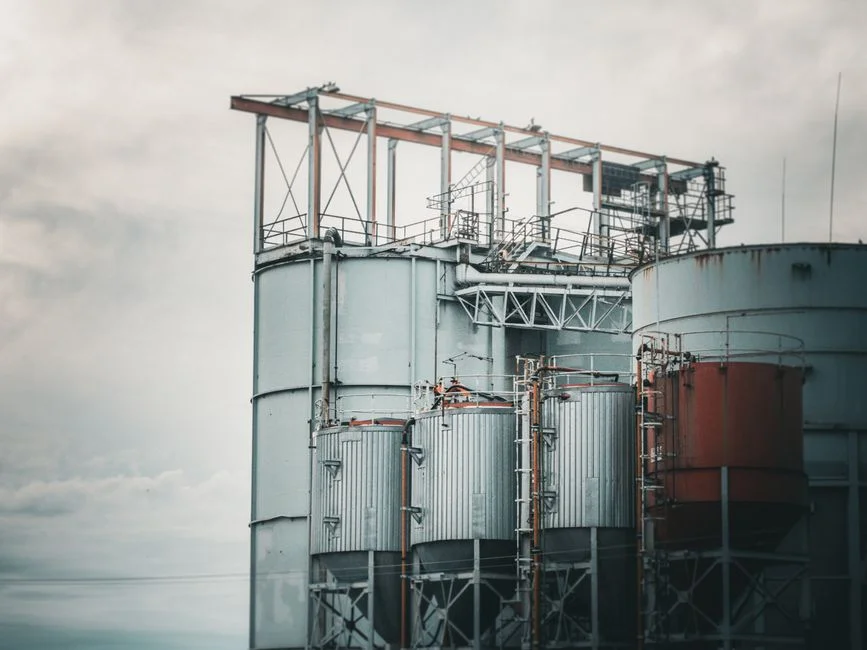
The mechanism is buoyancy, not settling. Saturated water is depressurized inside the flotation tank, releasing a dense cloud of micro-bubbles ≤50 µm that attach to oil droplets, colloids, and fine suspended solids, lifting them to the surface as a float layer that a mechanical skimmer removes (Sigmadaf, oil and grease removal reference). The mechanism only works when the bubbles are small and uniformly distributed, which is the structural difference between modern DAF and older air-flotation designs. Chemistry is what makes the bubble stick — coagulation followed by flocculation neutralizes the surface charge of emulsified oil and colloidal organics so the particles agglomerate into floatable flocs that the micro-bubbles can lift. Without an engineered polymer program, DAF performance collapses even if the hydraulic design is perfect, which is why a DAF spec for a Norfolk transportation plant must be paired with a packaged chemical dosing skid.
For paint streams, the chemistry is a detackifier rather than a FOG coagulant — typically a polyamine or melamine-formaldehyde blend that coagulates the resin and prevents re-deposition on tank walls. This is a different reagent set than what a food plant uses, and a Norfolk buyer who specs a generic FOG chemistry program for a paint line is buying a tank they will need to recoat inside two years. Cavitated-air flotation (CAF) uses a vortex-generated bubble field and reaches only 60–80% oil removal because the bubbles are larger and irregular (Sigmadaf). CAF is a useful low-cost pre-stage for very high-FOG streams but not a substitute for a properly designed DAF on the main duty. Capacity is not a constraint on the equipment side: the HydropureWater dissolved air flotation system spans 4–300 m³/h across 13 standard models, so a small Norfolk Tier-1 supplier at 15 m³/h and a 24/7 assembly plant at 250 m³/h are both served from the same product family.
Where a lamella clarifier wins — and where it loses
A HydropureWater high-efficiency lamella clarifier uses inclined plates at 55–60° to multiply the effective settling area inside a small footprint. Settled solids slide to a sludge hopper while clarified water rises to the effluent launder, and the device is passive — no air system, no saturation tank, no recycle pump — which is its main operational advantage. On its own stream, surface loading runs 20–40 m/h, with up to 30% reduction in coagulant and flocculant consumption versus a conventional rectangular clarifier (HydropureWater engineering data, 2026). That chemistry saving is real and worth modeling into a 10-year OPEX projection.
The clarifier loses on any stream with significant emulsified oil. FOG is buoyant, not settleable, so only the free-oil fraction breaks out of emulsion in a clarifier; the rest passes through to foul downstream biology or membranes. The clarifier also loses on footprint when used as a DAF substitute on a high-FOG stream — matching DAF-class hydraulic throughput usually requires a tank 2–3x larger than the equivalent DAF, which is a non-starter on a brownfield Norfolk site. The clarifier wins as a polishing step after a DAF on high-FOG streams, and as a primary on low-FOG assembly rinse where the chemistry load is light. The same logic is why a comparable Bradenton facility evaluating an EV/auto line lands on the combined train rather than a clarifier-only retrofit — see the EV/auto DAF vs clarifier guide for Bradenton for the parallel case.
DAF vs lamella clarifier: head-to-head parameter matrix
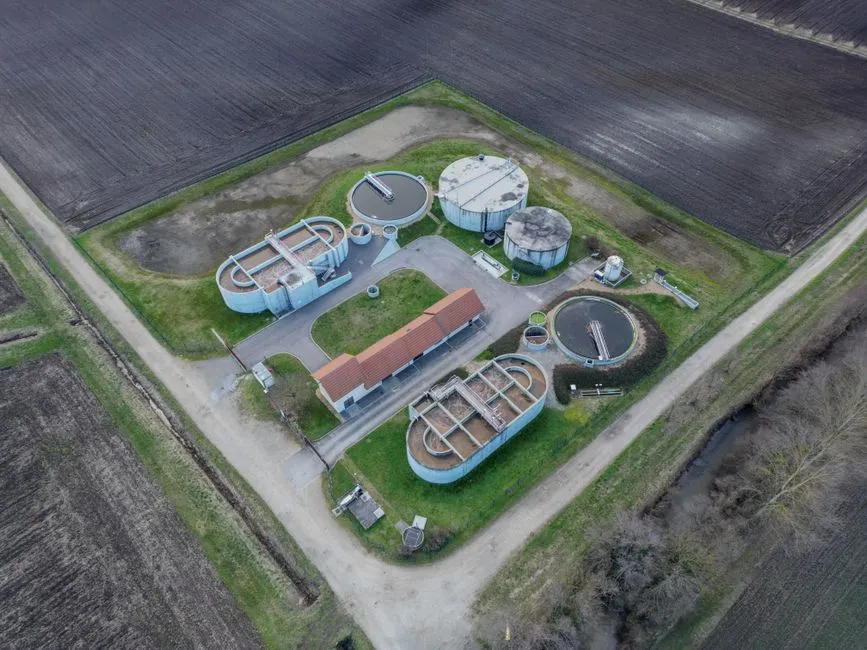
The table below combines DAF flotation-mechanism data from Sigmadaf, lamella clarifier engineering data from HydropureWater (2026), and the operating ranges that a Norfolk plant should validate against its own 12-month sampling record. The comparison is not apples to apples because the two devices do different jobs, but it is the matrix a procurement engineer should hand to a vendor.
| Parameter | DAF (primary) | Lamella clarifier (polishing) | Combined DAF → lamella train |
|---|---|---|---|
| Surface loading | 5–25 m/h | 20–40 m/h on its own stream | DAF at design; lamella polishes overflow |
| Oil & grease removal | 80–95% with proper coagulant/flocculant (Sigmadaf) | 30–50% on a real transportation stream (free oil only) | ≥95% combined; lamella catches floatable carryover |
| TSS removal | 70–90% on the first pass | 60–85% as a polishing step | ≥90% combined; 50% on paint stream if lamella runs alone |
| Footprint (matched FOG load) | Reference (1x) | 2–3x tank volume for equivalent duty | Compact; lamella is half the size it would be standalone |
| Energy driver | Saturation pump, recycle pump, skimmer drive | Sludge scraper only — very low kWh | DAF energy dominates; lamella adds little |
| Chemistry load | Coagulant + flocculant required | Up to 30% less chemistry (HydropureWater) | Chemistry on DAF only; lamella runs light |
| Best-fit stream | High FOG, emulsified oils, paint overspray | Low FOG, high settleable solids, stable flow | Most Norfolk transportation plants with mixed streams |
| CAPEX multiplier vs DAF-only | 1.0x | Modest on its own | ~1.3–1.5x (combined train) |
CAPEX, OPEX, and the 10-year picture for a Norfolk plant
Packaged DAF in the 4–300 m³/h range: tank material (carbon steel vs 304/316 stainless for salty or acidic rinse streams), skimmer type, controls and instrumentation, and whether a chemical skid is bundled are the main CAPEX levers. Adding a lamella polishing unit doubles the tank count but the lamella cost is modest relative to the DAF, so the combined train's CAPEX is closer to 1.3–1.5x a DAF-only system rather than 2x. OPEX tilts in favor of the combined train at high FOG because chemistry is concentrated on the DAF where it pays off and the lamella runs light — net OPEX is often lower than either unit alone on a transportation equipment stream.
Floated sludge is an asset, not just a hauling cost. Fluence Italy reports that 1 ton of floated sludge at 10% solids can yield up to 60 m³ of methane through anaerobic digestion. A Norfolk plant evaluating a 2026 capex can model that biogas offset into the 10-year NPV, paired with a HydropureWater plate and frame filter press to bring the floated sludge to a haulable or digestible cake. A DAF alone is the lower-CAPEX path on a single high-FOG stream; the combined train wins when the plant has both a high-FOG line (stamping or machining) and a low-FOG line (assembly rinse) sharing one pretreatment room. The selection logic is similar at a Midwest transportation plant facing the same categorical standards — see the Albia transportation equipment pretreatment compliance guide for the parallel compliance path.
How to walk into the 2026 vendor meeting with a defensible specification
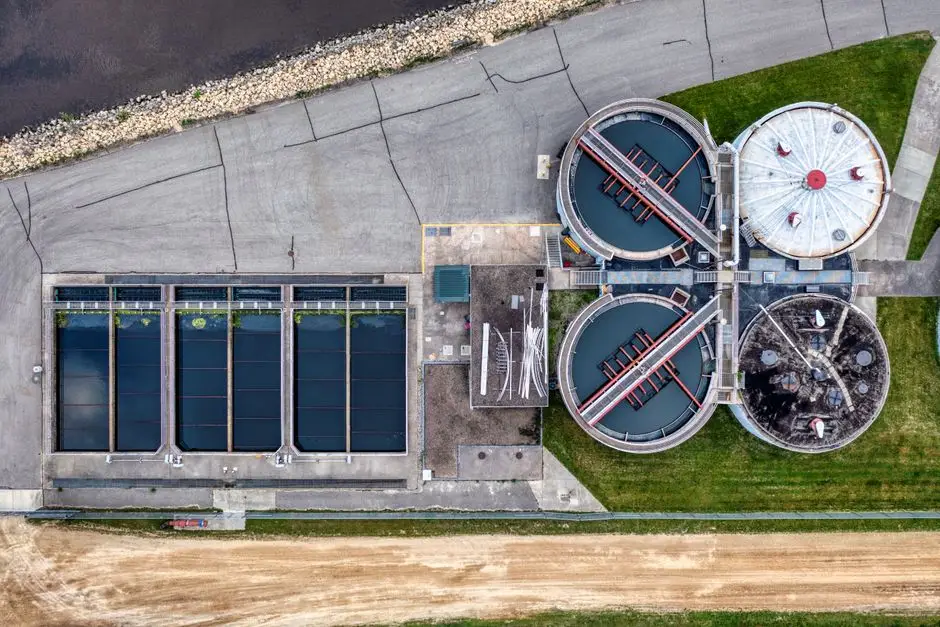
Step 1: pull 12 months of HRSD surcharge and compliance data and 12 months of in-plant TSS, O&G, and metals sampling. Without this the spec is a guess. Step 2: classify each waste stream by FOG, TSS, and dissolved metals so each line gets its own unit operation rather than one oversized device on a blended stream. Step 3: size the HydropureWater dissolved air flotation system for the worst-shift hydraulic load, not the average, and pair it with a HydropureWater automatic chemical dosing system so the chemistry stays on target through a model changeover. Step 4: add a HydropureWater high-efficiency lamella clarifier downstream of the DAF on high-FOG lines, and a flow equalization tank upstream of the DAF on every line with intermittent slug loads. Step 5: model 10-year OPEX with chemistry, energy, sludge hauling, and (where applicable) biogas offset before the equipment-selection meeting. A spec built on these five steps survives a 40 CFR 433/442 audit and an HRSD surcharge review in the same document.
Frequently Asked Questions
Can a lamella clarifier replace a DAF on a Norfolk transportation equipment stream?
No, except on the low-FOG assembly rinse line. Emulsified oil and paint overspray solids need buoyancy-based separation a clarifier cannot deliver — a lamella captures only the free-oil fraction that has already broken out of emulsion, typically 30–50% on a real transportation stream. The combined DAF → lamella train is the standard 2026 configuration on every other stream in the plant.
What categorical standards apply to a Norfolk auto parts plant in 2026?
40 CFR 433 (Metal Finishing) for stamping and machining lines and 40 CFR 442 (Transportation Equipment Cleaning) for paint and assembly operations, both enforced locally through HRSD IWD surcharges on BOD, TSS, and O&G. Virginia's Chesapeake Bay TMDL adds a tightening trajectory on nitrogen and phosphorus that the primary step must protect by feeding a downstream biological stage.
How much coagulant and flocculant does a DAF use on a paint stream?
A paint-stream DAF uses a detackifier — typically a polyamine or melamine-formaldehyde blend — rather than a FOG coagulant. The dose is engineered to the paint solids load and is typically higher per m³ than a food FOG program, which is why an automatic chemical dosing skid is part of the base spec and not an optional add-on for a Norfolk paint line.
Is the DAF → lamella train worth the extra CAPEX on a 2026 capex?
For high-FOG lines yes. The combined train CAPEX is ~1.3–1.5x a DAF-only system, but net 10-year OPEX is lower because chemistry is concentrated on the DAF where it pays off and the lamella polishes residual TSS at a fraction of the energy. Two physical barriers in series also give HRSD two chances to catch a FOG or TSS excursion before it hits the sewer.
What flow range does the HydropureWater DAF cover?
4–300 m³/h across 13 standard models, covering both a small Tier-1 supplier at 15 m³/h and a 24/7 assembly plant at 250 m³/h from the same product family. The skid is built in 304 stainless as standard with 316 stainless, polypropylene, and other materials available for salty or acidic rinse streams.