Why Prestonsburg Mining and Metals Plants Face a Real DAF-vs-Clarifier Decision in 2026
Floyd County, Kentucky runs on coal prep, sandstone and limestone aggregate washing, and a growing cluster of small metal-finishing job shops — every one of them discharging TSS- and metals-laden wastewater under a KPDES permit. Feedwater from the Levisa Fork and the Big Sandy watershed routinely shows abandoned-mine-drainage (AMD) signatures: ferrous iron above 10 mg/L, manganese 2–5 mg/L, total dissolved solids in the 500–1,500 mg/L range, and pH swinging between 5.5 and 7.0 depending on rainfall (HydropureWater field data, 2026). That chemistry matters because the choice between a skid-mounted DAF system and a lamella clarifier is decided less by marketing claims and more by influent TSS, metals workup, and the 50 mg/L monthly-average TSS ceiling set under 40 CFR 436 (mineral mining and dressing) and 40 CFR 437 (ore mining and dressing) subcategories.
Two operational realities are pushing operators to upgrade in 2026. First, KPDES inspections in Eastern Kentucky have tightened, with renewed focus on both total suspended solids and dissolved metals in the discharge. Second, several Floyd County plants are scaling — aggregate washing circuits that once ran at 50 m³/h now run at 120–200 m³/h after a second shift, which is exactly the throughput range where lamella plate packs and DAF skids get compared head-to-head. For plants within roughly 60 miles of Prestonsburg, the decision framework below treats 40 CFR Part 436/437 subcategory limits as the design target and Eastern Kentucky feed chemistry as the constraint.
The relevant federal numbers to design toward: 40 CFR 437.50 sets a monthly-average TSS limit of 50 mg/L for the ore mining and dressing point source category, with a daily maximum of 75 mg/L; 40 CFR 436 applies similar ceilings to mineral mining operations. Designing to <30 mg/L daily-average is what gives a plant a defensible compliance margin under the Kentucky Pollutant Discharge Elimination System permit.
How a DAF System Treats Mining Wastewater Differently From a Clarifier
A dissolved air flotation unit separates particles by buoyancy on micro-bubbles, not by gravity. The process flow (per S5 wastewatermachinery) runs in five steps: coagulant and flocculant are dosed into the raw stream to build a strong floc; 20–40 micron air-saturated recycle water is injected through release nozzles; micro-bubbles attach to the floc and lift it to the surface; a skimmer scrapes the float layer into a sludge hopper; clarified effluent exits the bottom and part of it is recycled to the saturation pump. A typical skid-mounted DAF system in the 10–100 m³/h range ships pre-piped and pre-wired, which matters for plants without heavy civil crews.
A lamella clarifier with sludge recirculation works by gravity on inclined plates. Coagulated and flocculated water enters a rectangular basin fitted with 60° inclined plates spaced at roughly 50 mm; solids settle onto the plate surface and slide down into a sludge hopper at the bottom, while clarified water rises counter-current through the plate pack and overflows a weir. Surface loading on the projected plate area is the design lever — HydropureWater's high-efficiency sedimentation tank is rated at 20–40 m/h, which is what lets a lamella handle higher flows in a smaller plan footprint than a conventional clarifier.
The physics difference is the engineering difference. DAF is effective on low-density fines — fine coal, clay, oil-wetted particles, and the light floc you get from polymer-treated AMD streams — because micro-bubbles attach to those particles and float them regardless of their specific gravity. Lamella is effective on denser, well-flocculated particles and on streams where residence time is long enough for gravity settling to complete. In Appalachian feedwater, the fine-coal and clay fraction often dominates, and that fraction is exactly what DAF was designed to lift. Coarse grit and heavy iron-oxyhydroxide sludges, by contrast, are typically prescreened through a grit removal or oxidation stage before either device.
DAF vs Lamella Clarifier: Side-by-Side Performance for Mining and Metals Streams
The trade-off matrix below is what drives a defensible equipment selection. Performance numbers are pulled from DAF Corp's published ratings (S2) and the wastewatermachinery mining DAF spec (S5); lamella numbers reflect HydropureWater product specs and standard sediment-tank engineering practice.
| Parameter | DAF (circular FC / rectangular RC) | Lamella Clarifier |
|---|---|---|
| TSS removal, single-pass | 92–98% (FC circular) / 85–90% (RC rectangular) per S2; ~97% on mining streams per S5 | 70–85%, floc-strength dependent |
| Typical effluent TSS | <20 mg/L filterable (S2) | 30–80 mg/L without polishing |
| Hydraulic surface loading | 5–25 m/h (HSR) | 20–40 m/h (per HydropureWater lamella spec) |
| Sludge dry solids | 2–4% DS, feeds press directly (S2) | 0.5–1.5% DS, needs thickener or press |
| Polymer dose (relative) | Baseline | Up to 30% lower with sludge recirculation (HydropureWater spec) |
| Footprint at 50 m³/h | ~12 m × 4.2 m skid (S5 DAF-050) | Shorter plan area, taller profile |
| Best-fit feed TSS | ≥1,000 mg/L | <500 mg/L |
| Best-fit feed flow | 4–300 m³/h skid packages | Up to ~500 m³/h in single basin |
Three things stand out from the table. First, on raw TSS removal the DAF is roughly 10–15 percentage points better in single-pass operation, which is the difference between meeting 40 CFR 437's 50 mg/L monthly-average comfortably and chasing it. Second, the lamella's higher surface loading means it handles the same flow in less plan area, but it pays for that footprint advantage with weaker single-pass removal and wetter sludge. Third, sludge dryness is the line item that quietly drives OPEX: a DAF float at 3% DS goes straight to a plate-and-frame sludge dewatering press, while a lamella underflow at 1% DS has to be thickened first or it floods the press.
For a 50 m³/h mining stream with 2,000 mg/L feed TSS, the DAF-050 from S5 (8.4 m × 3.6 m, 55,000 kg operating weight) produces a float that dewateres directly; a lamella of equal hydraulic capacity is shorter and lighter on plan but generates roughly twice the sludge volume to the press.
Matching the Right Technology to Your Prestonsburg Wastewater Profile
Choose a skid-mounted DAF system when influent TSS is ≥1,000 mg/L, when the stream carries oil, grease, or low-density fine coal and clay fines, when the plant footprint is constrained by an existing shed or pad, and when the operator needs a single-pass number that stays below 30 mg/L TSS to maintain margin under 40 CFR 437's 50 mg/L monthly-average limit. Mining DAF routinely delivers ~97% TSS removal (S5), and a properly sized DAF typically hits 60–80% COD reduction in the same pass (S5) — useful when the discharge permit also includes a COD or BOD ceiling.
Choose a lamella clarifier with sludge recirculation when flow is high (>200 m³/h), influent TSS is <500 mg/L, dissolved metals have already been precipitated upstream, and the operator wants the lowest chemical and energy OPEX. The sludge-recirculation design can cut polymer dose by up to 30% (HydropureWater spec), and the inclined-plate geometry means a smaller civil footprint than a conventional clarifier at the same flow. For aggregate wash water with moderate fines and no oil, lamella is often the right primary stage.
For many Prestonsburg-region plants, the right answer is a hybrid: a lamella clarifier as primary solids reduction, followed by a DAF as a polishing and thickening step ahead of the dewatering press. The lamella absorbs the bulk flow at 20–40 m/h surface loading; the DAF tightens the TSS to <30 mg/L and lifts sludge at 2–4% DS directly to the press. The hybrid pays back when feed TSS swings between 500 and 2,000 mg/L and a single technology would either over-spend on polymer (lamella-only) or under-utilize hydraulic capacity (DAF-only). Pairing either clarifier with an automatic coagulant and flocculant dosing skid keeps the floc strength stable across those swings.
AMD and high-iron feedwater change the decision chemistry. If ferrous iron exceeds 10 mg/L, oxidation (aeration or peroxide) followed by pH adjustment to 7.5–8.5 is required upstream of either clarifier to convert soluble Fe²⁺ to settleable Fe(OH)₃ floc. DAF tends to outperform lamella on the resulting iron-oxyhydroxide floc because the floc is light and voluminous — exactly the buoyancy-driven separation DAF was designed for. For high-manganese AMD (>2 mg/L), add a manganese-oxide contact stage or chlorination/oxidation ahead of the clarifier, since Mn²⁺ is slow to oxidize at neutral pH.
CAPEX, OPEX, and Compliance Reality for 2026 Plant Builds
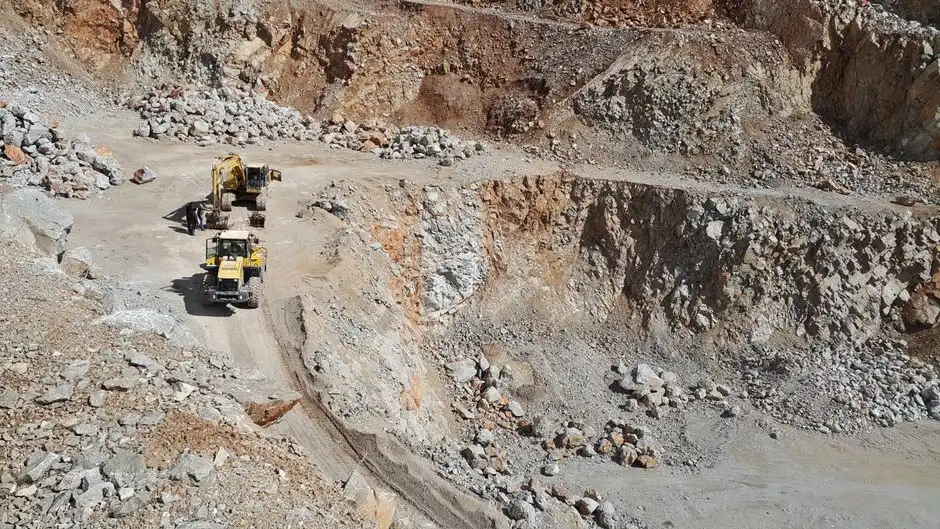
For a 10–100 m³/h mining stream in the Prestonsburg service area, the capital picture is dominated by the packaged unit and the dewatering train. A skid-mounted DAF in that flow range (S5 DAF-010 through DAF-100) ships with saturation tank, recycle pump, skimmer, and controls pre-assembled; civil work is limited to a concrete pad and an inlet header. A lamella of equal hydraulic capacity is cheaper in fabricated steel and instruments but typically needs more civil work — a deeper basin, a plate-pack support structure, and a sludge pump pit. The downstream plate-and-frame sludge dewatering press cost is similar for both, but the DAF float dewateres directly while lamella underflow often needs a thickener first, which adds a line item.
OPEX is where lamella-with-recirculation pulls ahead. Polymer consumption runs up to 30% lower than DAF on equivalent feed (HydropureWater spec), and there is no saturation-pump energy line. DAF OPEX is dominated by the recycle pump (typically 2–5 kW per 50 m³/h of throughput), polymer dose, and periodic nozzle inspection. Both systems should be designed to <30 mg/L TSS so day-to-day excursions stay below the 50 mg/L monthly-average ceiling under 40 CFR 437 ore mining and dressing subcategories (40 CFR 436 mineral mining carries the same practical ceiling for most Floyd County aggregate and coal-prep operations).
Two procurement realities are non-negotiable in 2026. First, run a 4–6 week site pilot on actual Prestonsburg feedwater before final sizing — S2 and S5 both flag pilot or jar testing as the single biggest determinant of guaranteed effluent quality, and the AMD-influenced feed chemistry here is different enough from generic "mining water" that vendor guarantees written against standard curves will not hold. Second, treat the DAF-vs-lamella decision as a 10-year OPEX question, not a CAPEX question: the polymer, power, and dewatering line items compound, and the wrong technology on a high-TSS Appalachian stream costs the plant six figures in polymer alone over the first decade. For cost-anchored pricing data, the 2026 micro-bubble DAF pricing guide is the current reference, and the regional Catlettsburg mining wastewater DAF-vs-clarifier guide and Cadiz mining DAF-vs-clarifier guide cover the same selection logic for adjacent Eastern Kentucky service areas.
Frequently Asked Questions
What TSS removal can a DAF realistically hit on a mining or metals wastewater stream?
A properly sized DAF on mining feedwater typically delivers ~97% TSS removal (per S5 wastewatermachinery mining spec), with circular FC units rated at 92–98% and rectangular RC units at 85–90% (per S2 DAF Corp). On a 2,000 mg/L feed that translates to roughly 40–60 mg/L in the effluent without polishing, and <20 mg/L filterable TSS when the chemistry is dialed in (S2).
When is a lamella clarifier the right choice over a DAF?
Lamella wins on high flow (>200 m³/h) with moderate TSS (<500 mg/L), when dissolved metals are precipitated upstream, when the operator wants up to 30% lower polymer consumption via sludge recirculation (HydropureWater spec), and when the plant is comfortable thickening lamella underflow before the dewatering press. Surface loading of 20–40 m/h gives lamella a footprint advantage at high flow.
How do 40 CFR 437 effluent limits drive the design?
40 CFR 437 sets a 50 mg/L monthly-average and 75 mg/L daily-maximum TSS limit for the ore mining and dressing point source category; 40 CFR 436 carries equivalent ceilings for mineral mining. The defensible design target is <30 mg/L daily-average so day-to-day variability never threatens the monthly-average — both DAF and lamella can hit this number, but DAF does it in a single pass while lamella typically needs a polishing stage.
What polymer dose range should a Prestonsburg plant expect?
Coagulant (typically polyaluminum chloride or ferric chloride) runs 50–200 mg/L depending on feed TSS, and flocculant (anionic polyacrylamide, 0.05–0.3% solution) runs 1–10 mg/L. Lamella with sludge recirculation can drop the flocculant dose by up to 30% (HydropureWater spec). Bench-scale jar testing on actual AMD-influenced feedwater is the only way to lock in the dose before sizing the automatic coagulant and flocculant dosing skid.
Does AMD-influenced feedwater change the DAF-vs-lamella recommendation?
Yes. Ferrous iron >10 mg/L requires oxidation and pH adjustment to 7.5–8.5 upstream of either clarifier. Once iron is converted to Fe(OH)₃ floc, the light, voluminous floc is exactly what DAF micro-bubbles attach to efficiently — DAF typically outperforms lamella on iron-oxyhydroxide sludges in Appalachian feedwater (HydropureWater field data, 2026). For high-manganese AMD (>2 mg/L), add a dedicated oxidation stage before the clarifier regardless of which technology is selected.