Why Plastics and Rubber Wastewater in Charlotte Is Its Own Problem
Plastics and rubber plants in the Charlotte region generate a hybrid wastewater that does not behave like a typical food or metal-finishing stream. The mix is defined by what the plant is actually making: extrusion wash water carrying polymer granules, molding release agents that show up as a plasticizer sheen, latex emulsion overflow from dipping lines, rubber coagulation bath carryover with suspended SBR and NBR fines, and intermittent pH swings from acid coagulation baths. Measured influent typically lands at 500–3,000 ppm total suspended solids, 100–600 mg/L FOG, and pH swinging between 4 and 10 within a single shift (per S1 EPA Design Manual framework on coagulation-clarification as a baseline solids-removal train).
Charlotte's manufacturing mix makes this problem worse, not easier. Along the I-485 corridor, custom plastics molders, film extrusion lines, and tire-component suppliers share the same pretreatment envelope. A single plant often runs an oily wash stream in the morning and a dense, gritty purge stream in the afternoon, and the primary clarifier has to take both hits without operator intervention. The EPA Design Manual framework (S1) positions coagulation and clarification as a baseline solids-removal train, but the technology underneath — DAF or gravity — is the open question this article answers.
The 2026 compliance envelope for a Charlotte plastics or rubber plant is defined by Charlotte Water's industrial pretreatment program and NC DEQ's 15A NCAC 02H .0100 series. Oil and grease is typically capped at 100 mg/L, pH must stay between 6 and 9, and TSS limits depend on the discharge route and the plant's flow tier (per Charlotte Water FOG program guidance, 2026). Hitting those numbers on a stream that flips between oily and gritty is the engineering constraint that drives every choice below.
How a DAF System Actually Treats a Polymer Stream
A dissolved air flotation system works by recycling 20–30% of clarified effluent, pressurizing it to 4–6 bar in a saturation vessel with compressed air, and then releasing that air through a needle valve at the inlet of the flotation tank. The pressure drop generates 20–40 micron micro-bubbles that attach to latex particles, oil droplets, and plasticizer sheen (per S5 DAF Corporation). Once attached, the bubble-particle agglomerate has a much higher surface-area-to-mass ratio than a settling particle, and rises to the surface in 3–5 minutes, where a rotating skimmer removes a 2–4% dry solids sludge.
On a polymer or rubber feed at 2,000 ppm TSS loading, a properly sized DAF delivers 92–98% TSS removal and clarifies effluent below 50 ppm of filterable solids (per S5 DAF Corporation FC Maximizer spec sheet, 2026). On the FOG side, DAF removes 95% of oils and greases on a high-oil stream, compared to roughly 70% for a gravity clarifier on the same feed (per S2 Ecologix 2026 selection guide). The mechanism matters: micro-bubbles are essentially nucleating on the hydrophobic surface of an oil droplet or latex particle, which is exactly the chemistry that defeats a settling tank.
For a Charlotte plastics or rubber line, the practical implication is that a HydropureWater dissolved air flotation system sized to the plant's peak flow will pull FOG, latex, and plasticizer sheen out in a single stage, with effluent that already meets the typical 100 mg/L FOG ceiling. The DAF line covers 4–300 m³/h, which lines up with the mid-sized custom molder and the larger extrusion plant alike.
How a Lamella Clarifier Handles the Same Stream
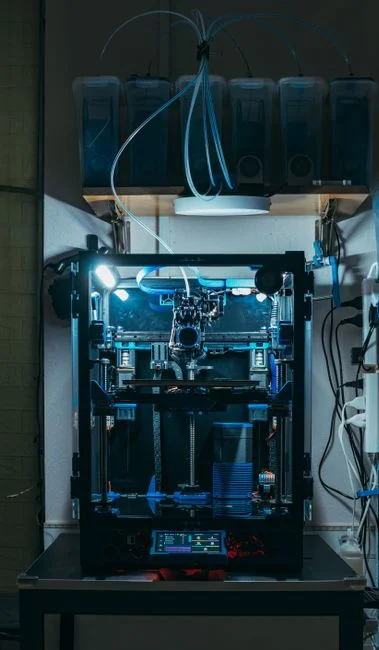
A lamella clarifier — sometimes sold as an inclined-plate settler or high-efficiency sedimentation tank — uses a stack of plates at 55–60° to shorten the effective settling path. Solids settle onto the underside of the plates, slide down to a sludge hopper, and clarified water rises counter-current to the plate surface. A working lamella runs at 20–40 m/h surface overflow rate, forms a floc blanket at the inlet zone, and recirculates a portion of the settled sludge to seed floc formation (per HydropureWater lamella clarifier catalog data).
On dense, settleable solids, a lamella clarifier removes 70–85% of TSS and can cut coagulant consumption by up to 30% because the sludge blanket does most of the contact work. The EPA Design Manual (S1) treats coagulation-clarification as the proven baseline for settleable solids, and a well-tuned lamella is the most compact expression of that baseline. The HydropureWater high-efficiency lamella clarifier is the right call for a stream where the particles actually want to sink.
The failure modes on a plastics or rubber feed are specific and predictable. Buoyant latex escapes out the top because it physically cannot settle against an upward hydraulic gradient. Light polymer floc never reaches the plate pack — it gets carried up and over the effluent weir. Plasticizer sheens coat the plate surfaces within days, build up a greasy film, and trigger weekly shut-downs for high-pressure hosing. On a stream with 200+ mg/L FOG or any measurable latex carryover, a lamella is fighting the physics.
DAF vs Clarifier: Head-to-Head for Charlotte Plastics and Rubber Plants
The matrix below is what to paste into the procurement memo. Numbers are drawn from S2 Ecologix 2026, S5 DAF Corporation, and HydropureWater field data, with the plastics/rubber fit score weighted toward FOG and latex handling.
| Parameter | DAF | Lamella Clarifier |
|---|---|---|
| TSS removal | 92–98% | 70–85% |
| FOG removal | 80–95% | 30–50% |
| Surface overflow rate | n/a (hydraulic residence drives design) | 20–40 m/h |
| Flow range | 4–300 m³/h per unit | 5–200 m³/h typical |
| Capex per m³/h (installed, 2026) | $3,600–$4,500 | $1,800–$2,800 |
| Primary opex drivers | Air compressor kWh, polymer, saturator pump | Flocculant dose, plate cleaning labor, sludge hauling |
| Footprint at 200 m³/h | 25–40 m² | 35–60 m² plus floc tank |
| Latex / plasticizer fit | Strong | Weak |
| Dense fines fit | Good | Strong |
| Plastics/rubber fit score | 8/10 (default) | 5/10 (niche) |
The decision rule is short: choose DAF if FOG is above 150 mg/L, or the stream contains latex, plasticizers, or release agents. Choose lamella only if the solids are dense, FOG stays under 100 mg/L, and the polymer dose is already optimized. For multi-line Charlotte plants whose waste streams swing between oily wash water and heavy fines, the 2026 answer is a hybrid DAF + clarifier train, which S2 Ecologix identifies as a valid configuration for streams that change character across a shift.
2026 Compliance: NC DEQ, Charlotte Water, and Federal Pretreatment

Charlotte Water's industrial pretreatment program enforces a 100 mg/L oil and grease ceiling, a pH window of 6–9, and TSS limits tied to discharge route and flow tier. NC DEQ enforces 15A NCAC 02H .0100 pretreatment standards at the state level (15A NCAC 02H, 2026). Federal categorical standards under 40 CFR 433 (metal finishing) and 40 CFR 437 (oil and gas) are adjacent but do not cover plastics and rubber — most Charlotte plastics molders and rubber parts plants fall under general industrial pretreatment rather than a categorical standard, so confirming the applicable SIC code against the current Charlotte Water FOG program guidance is the first compliance step.
The technology choice maps directly to compliance risk. DAF typically achieves the 100 mg/L FOG limit in a single stage on a plastics or rubber feed, and gets the plant inside the 50 ppm TSS comfort zone for surcharge avoidance. A lamella clarifier on the same feed usually needs a downstream polish step — a sand filter, a DAF polish unit, or an MBR — to hit FOG consistently. The 2026 trend in the Charlotte region is tighter FOG enforcement on industrial users, more frequent composite sampling, and surcharges for any exceedance above the 100 mg/L line.
2026 Capex and Opex Range for a Charlotte-Sized Plant
Budget numbers for 2026 installations in the Charlotte region, drawn from HydropureWater field data and S2 Ecologix 2026:
| Plant size | Technology | Capex (installed) | Opex drivers | Footprint |
|---|---|---|---|---|
| 50 m³/h | DAF | $180,000–$320,000 | Air compressor, polymer, ~$0.08–$0.14/m³ treated | 10–18 m² |
| 50 m³/h | Lamella clarifier | $90,000–$160,000 | Flocculant, plate cleaning, ~$0.05–$0.09/m³ treated | 15–25 m² |
| 200 m³/h | DAF | $450,000–$900,000 | Air compressor, polymer, ~$0.07–$0.12/m³ treated | 25–40 m² |
| 200 m³/h | Lamella clarifier | $220,000–$420,000 | Flocculant, plate cleaning, ~$0.05–$0.08/m³ treated | 35–60 m² plus floc tank |
| 500 m³/h | DAF (multi-unit DAF) | $1,100,000–$2,000,000 | Air compressor, polymer, ~$0.06–$0.10/m³ treated | 60–90 m² |
DAF opex is dominated by the air compressor and saturator pump; lamella opex is dominated by flocculant dose and periodic plate cleaning. For either path, the HydropureWater automatic chemical dosing system is the paired upgrade that controls coagulant spend by holding dose proportional to actual flow and TSS load. Footprint matters in cramped Charlotte urban industrial sites, where a DAF at 200 m³/h fits in roughly 25–40 m² and a comparable lamella needs 35–60 m² plus an upstream floc tank.
Which One Should Your Charlotte Plant Choose in 2026?
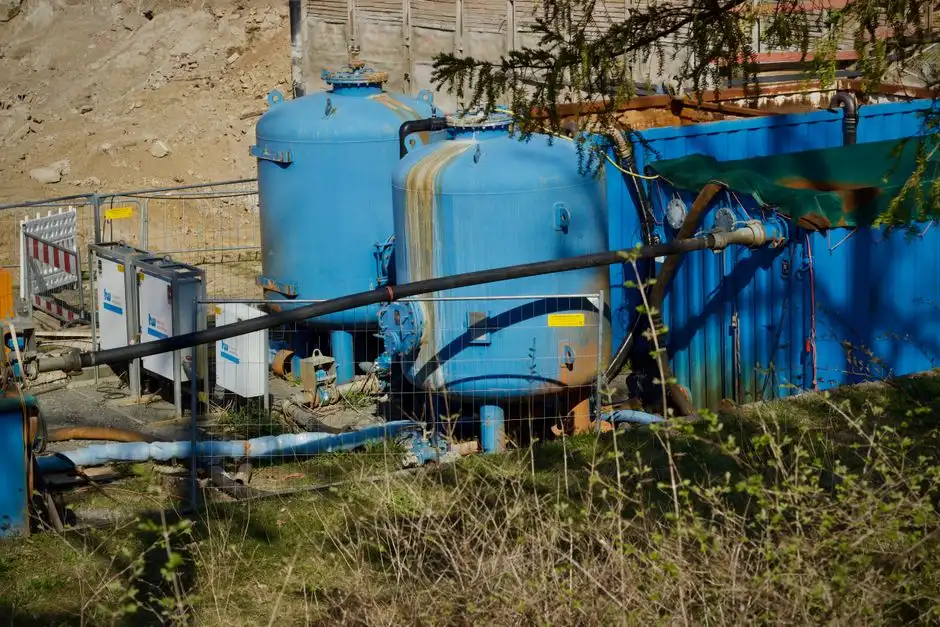
Default recommendation for 2026: a HydropureWater dissolved air flotation system for any Charlotte plastics or rubber line with measurable FOG, latex, or plasticizer. Pick the DAF model to match peak flow in the 4–300 m³/h range, with the automatic chemical dosing system paired in front of it. A lamella clarifier is the right answer only in the narrow case where the stream is heavy on dense polymer fines, light on oils, and already running optimized chemistry.
Run this 4-step pilot protocol before committing capital:
- Jar test on a real influent sample to select coagulant and flocculant type and dose.
- On-site 1–2 gpm pilot DAF for 2 weeks covering at least one full production cycle, including shift changeovers.
- 7-day composite sampling for TSS and FOG, with daily grab samples for pH and temperature.
- Scale-up to a full-flow DAF model sized from the pilot hydraulic loading, paired with a HydropureWater plate and frame filter press for the 2–4% float sludge.
Next action: request a 2026 process audit and quote keyed to actual influent TSS, FOG, and flow data, not generic brochure numbers. A pilot report with hard numbers is what gets a DAF vs clarifier decision past a procurement committee.
Frequently Asked Questions
What FOG removal can a DAF achieve on a plastics or rubber stream in Charlotte?
A properly sized DAF removes 80–95% of FOG on a plastics or rubber feed, and 95% on a high-oil stream (per S2 Ecologix 2026). A lamella clarifier on the same feed typically removes only 30–50% of FOG, which is why DAF is the default primary for streams that contain plasticizers, release agents, or latex carryover.
How much does a DAF system cost for a 200 m³/h Charlotte plastics plant in 2026?
Installed capex for a 200 m³/h DAF in 2026 runs $450,000–$900,000, with opex of roughly $0.07–$0.12 per m³ treated dominated by the air compressor and polymer (HydropureWater field data, 2026). A comparable lamella clarifier is $220,000–$420,000 installed but usually needs a downstream polish step to hit the 100 mg/L FOG limit.
When is a lamella clarifier the right choice over DAF for plastics or rubber wastewater?
Pick a lamella only when the stream is heavy on dense, settleable polymer fines, FOG stays below 100 mg/L, and coagulant is already optimized. A lamella runs at 20–40 m/h surface overflow rate and can cut flocculant use by up to 30% on those feeds, but it loses to DAF on any stream with buoyant latex, emulsified oils, or plasticizer sheen.
What are the 2026 NC DEQ and Charlotte Water pretreatment limits for plastics and rubber plants?
Charlotte Water enforces a 100 mg/L oil and grease ceiling, pH 6–9, and TSS limits tied to discharge route and flow tier (per Charlotte Water FOG program guidance, 2026). NC DEQ enforces 15A NCAC 02H .0100 pretreatment standards at the state level. Most plastics and rubber plants in the region fall under general industrial pretreatment rather than a federal categorical standard, so confirm the SIC code and the current local limits before sizing equipment.