
Why Algona Food and Beverage Factories Are Re-Evaluating Primary Clarification in 2026
Algona, Iowa, sits in the heart of the region's meat, dairy, and grain-processing corridor, where the local POTW is billing processors on FOG and BOD surcharges that scale faster than baseline rates in 2026. Meat, dairy, and grain-processing subcategories under 40 CFR Part 405 each set daily-maximum and monthly-average ceilings for BOD, TSS, FOG, and pH that an Algona plant must meet on every discharge event. Effluent typically carries high concentrations of TSS, FOG, BOD, COD, TKN, and TP (per Clearwater Industries, 2022), meaning no single primary unit clears every parameter. Rising utility rates, consumer-driven ESG reporting, and tightening POTW discharge agreements are pushing plant engineers to revisit the primary-clarification choice installed a decade ago. Winter is a non-negotiable design factor: sub-freezing ambient temperatures in Algona from November through March thicken free-floating fat, drive ice cover on open clarifier launders, and force enclosed or heated-tank DAF choices for consistent hydraulics. The practical question is no longer "do we have a primary clarifier?" but "is it the right technology for the 2026 effluent profile, footprint, and surcharge schedule?" A second piece covers the same choice in DAF vs clarifier for Pattonsburg food and beverage plants for comparison, while a southern-climate counterpart is laid out in DAF vs clarifier for San Antonio food and beverage wastewater.
How a DAF Clarifier Actually Treats Food and Beverage Wastewater
A Dissolved Air Flotation (DAF) clarifier pressurizes a side-stream of clarified effluent with air and releases it through a pressure-relief valve to generate 30–50 micron micro-bubbles that lift suspended solids, oils, and fats to the surface (per Clearwater Industries equipment data, 2026). The floated layer is scraped by a paddle skimmer, while heavier particles settle to a collection zone for auger removal. DAF systems serve four roles in a food and beverage plant: primary pretreatment, tertiary polishing, sludge thickening, and post-biological sludge separation (per Clearwater Industries, 2022). This technology requires chemical coagulation and flocculation to facilitate micro-bubble-particle collisions, typically delivered through serpentine floc tubes or chemical mix tanks (per Clearwater Industries, 2026). Standard 304 stainless construction is the default, with 316SS or polypropylene available for corrosive CIP wash streams common in meat and dairy plants. The HydropureWater DAF system is a representative shop-assembled rectangular unit that integrates coagulation and flocculation chambers, which is advantageous for narrow brownfield sites in Algona.
How a Gravity or Lamella Clarifier Treats the Same Stream
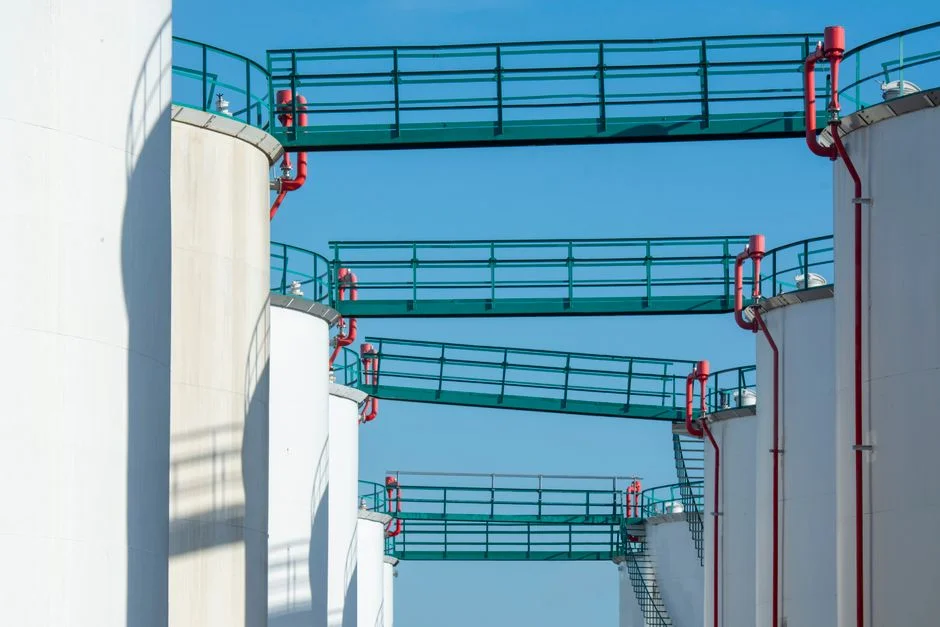
Gravity and lamella clarifiers rely on settling to remove heavier suspended solids from a flow, with lamella variants inserting parallel plates at 55–60° to compress the settling path and increase the surface loading rate. Lamella designs operate at 20–40 m/h surface loading and can cut coagulant demand by up to 30% compared with conventional basins because the shortened settling path minimizes floc breakup. The HydropureWater lamella clarifier is a compact inclined-plate unit sized for common food and beverage plant flows. The physical limit is that these units remove settleable solids but not floatables; free oils, emulsified FOG, and low-density colloidal solids pass through into the effluent unless preceded by an oil/water separator. Gravity and lamella clarifiers require significantly more footprint than a DAF for equivalent TSS removal on a FOG-laden stream, which remains a constraint for small Algona brownfield sites.
DAF vs Clarifier for Food and Beverage Wastewater: 2026 Comparison Matrix
The matrix below serves as the decision backbone for a 2026 Algona plant evaluation. It uses qualitative bands based on research data confirming DAF performance on FOG and TSS removal. Mechanical data points are pulled from Clearwater Industries equipment specs (2026) and ClearStream engineering documentation.
| Parameter | DAF (dissolved air flotation) | Gravity / Lamella Clarifier |
|---|---|---|
| TSS removal band | High — best-in-class for FOG-laden streams | Medium — strong on settleable inorganics, weak on floatables |
| FOG removal band | High — micro-bubbles lift free and emulsified fats | Low — free oils pass through unless an oil/water separator precedes |
| BOD removal band | High — coupled with coagulation/flocculation | Medium — only the settleable BOD fraction is captured |
| Footprint per unit flow | Small (rectangular shop-assembled skid) | Large (lamella) to very large (conventional gravity) |
| Hydraulic residence time | Short — typically 5-15 minutes | Long — typically 1-3 hours |
| Chemical demand | High — coagulant + flocculant required | Medium — coagulant often sufficient; up to 30% chemical reduction in lamella |
| Sludge concentration | 3-6% float, high in FOG | 1-3% underflow, low in FOG |
| OPEX driver | Polymer dose, saturator air, skimmer drive | Sludge hauling, basin maintenance |
| Capital cost band | Medium-high (skid integration premium) | Low-medium (concrete basin cost dominates for conventional) |
| 2026 best-fit Algona effluent | Meat, dairy, snack, FOG-dominated batch streams | Grain washing, brew sparge, low-FOG bottling rinses |
The DAF best-fit column aligns with the meat, dairy, and snack subcategories under 40 CFR Part 405, whereas the lamella column aligns with grain-processing and beverage subcategories. Procurement teams can use a side-by-side view of the HydropureWater DAF system against the lamella option to evaluate these technologies.
Picking the Right Configuration: DAF Skid, Tank Material, and Footprint
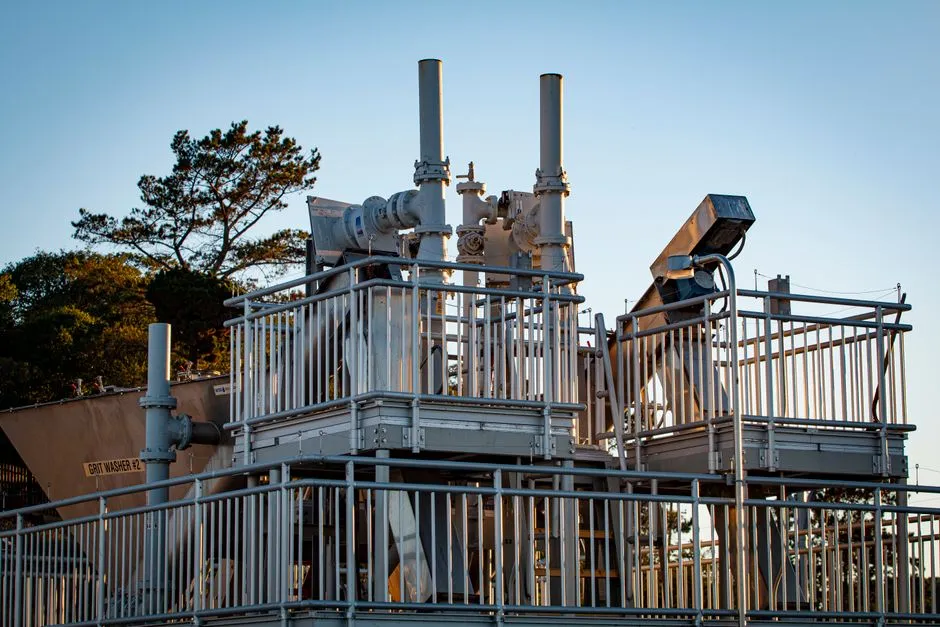
Engineers choosing DAF must select a model based on flow and solids load. The FPAC is a low-profile cross-flow separator for small-to-medium flows with high solids loads common in meat and dairy plants. The FPBC adds an internal lamella pack to capture low-buoyancy particles, while the FPHF combines cross-flow and countercurrent flow to handle high wastewater flows with varying solids loads. The COMPACT DAF is a pre-assembled turnkey system bundling chemical conditioning, clarifier, sensors, and PLC control, available as a single skid for flows of 66 GPM or less and a modular two-skid configuration for larger flows (per Clearwater Industries, 2026).
| DAF model | Best-fit flow regime | Solids load | Algona subcategory match |
|---|---|---|---|
| FPAC (cross-flow, low-profile) | Small-to-medium | Very high TSS / FOG | Meat products, dairy processing |
| FPBC (with lamella pack) | Low-to-medium | Low buoyancy particles | Dairy whey, snack fryer blowdown |
| FPHF (cross-flow + countercurrent) | High | Low-to-large | Large dairy, beverage concentrate |
| COMPACT DAF skid (≤66 GPM single, modular above) | Plug-and-play | Variable | Small Algona processors, brownfield retrofits |
Tank material selection depends on effluent chemistry: 304SS is standard, 316SS is required for chloride-bearing CIP wash streams, and polypropylene is specified for acidic or caustic streams. ClearStream's rectangular DAFs are shipped fully shop-assembled, making them retrofit-friendly for existing Algona plant pads. Circular DAFs are generally preferred for diameters under 50 ft, beyond which rectangular units become more economical (per ClearStream engineering documentation). The HydropureWater DAF system covers this entire model range.
Chemical Conditioning, Sludge Handling, and 40 CFR 405 Compliance
Coagulant, pH-adjustment, and flocculant dosing are required for DAF or clarifier performance, as they grow particle size for effective removal. The HydropureWater automatic chemical dosing skid delivers uniform solution strength and automated dose trim, which is necessary for 2026 FOG-dominated Algona effluent. DAF systems produce a high-solids float (3–6%) that feeds to a HydropureWater plate and frame filter press for dewatering, while lamella clarifiers produce a thicker but lower-FOG underflow (1–3%). Compliance with 40 CFR Part 405 depends on meeting daily-maximum and monthly-average limits for BOD, TSS, FOG, and pH; these limits must be verified with the receiving POTW as surcharges vary by subcategory. Biological polishing is typically required downstream of primary clarification to meet direct-discharge limits.
2026 Recommendation for Algona Food and Beverage Plants
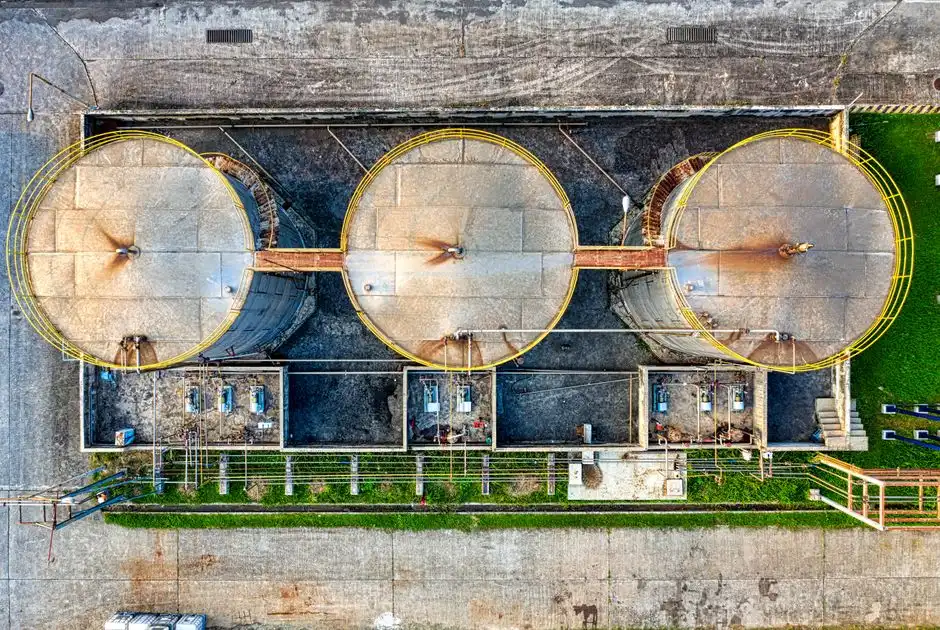
Algona meat, dairy, and snack processors should specify a DAF—preferably a COMPACT skid at or below 66 GPM or a rectangular shop-assembled unit above that flow—paired with automatic chemical dosing and a plate-and-frame filter press. A lamella clarifier is recommended only for low-FOG, settleable-solids-dominated streams like grain washing, brew sparge, or beverage bottling rinses where the operator can accommodate a larger footprint and an oil/water separator. The HydropureWater DAF system is the primary recommendation for 2026. Before sizing, analyze the last 12 months of effluent data, the POTW's current FOG and BOD surcharge schedule, and the exact 40 CFR Part 405 subcategory limits.
Frequently Asked Questions
What size micro-bubbles does a DAF use to float FOG in food and beverage wastewater?
A DAF clarifier generates 30–50 micron micro-bubbles by releasing a pressurized air-saturated recycle stream through a pressure-relief valve; these bubbles attach to FOG and suspended solids to lift them to the surface (per Clearwater Industries, 2026).
When is a lamella clarifier a better choice than a DAF for an Algona food plant?
A lamella clarifier is the better choice when the influent is low-FOG, high-flow, and dominated by settleable inorganic solids, such as in grain washing or beverage bottling rinses, where a larger footprint is acceptable to avoid polymer dosing (per HydropureWater lamella clarifier specifications).
What flow rate triggers a modular two-skid COMPACT DAF instead of a single skid?
A single COMPACT DAF skid handles flows of 66 GPM or less; systems above 66 GPM are delivered as a modular two-skid configuration to maintain hydraulic performance and operator access (per Clearwater Industries, 2026).
Do DAF and clarifier alone satisfy 40 CFR Part 405 discharge limits for an Algona meat or dairy plant?
No, these systems typically require biological polishing (MBR or activated sludge) downstream and chemical conditioning upstream to meet 40 CFR Part 405 limits for meat, dairy, and grain processing; verify specific subcategory limits and local POTW surcharge schedules before sizing.
How does Algona's sub-freezing winter affect clarifier and DAF operation?
Sub-freezing temperatures thicken fat, drive ice cover on open clarifier launders, and can destabilize overflow weirs. En
