Why South Weber Mining and Metals Plants Are Re-evaluating DAF vs Clarifier in 2026
For South Weber-area mining, aggregate, and metal-finishing plants, the 2026 capital cycle is not driven by capacity growth alone — it is driven by three converging regulatory and hydrologic pressures that a generic DAF brochure will not name. First, Utah DEQ UPDES permit renewals on a typical 5-year cycle (R317-8) are forcing 2026 submittals with updated effluent characterization, including tighter metals and whole-effluent-toxicity (WET) testing language. Second, Kennecott Rio Tinto's tailings re-use program along the Oquirrh foothills is pushing aggregate wash plants and contract metal-finishers to re-route their clarifier overflow back into the process loop rather than to discharge. Third, the Great Salt Lake's falling brine level (Utah Division of Water Resources 2024–2025 condition reports) is putting every cubic meter of industrial discharge under heavier public and DEQ scrutiny because brine chemistry is shifting toward higher sulfate and chloride, which means chloride-resistant wetted parts (316L) are no longer optional.
Against that backdrop, the binding US rules are 40 CFR Part 437 (Ore Mining & Dressing Point Source Category) and 40 CFR Part 433 (Metal Finishing Point Source Category), and the article you are reading anchors every technology number to those tables rather than to a generic "industrial wastewater" claim. The bottom-line rule for a 2026 South Weber retrofit: choose a DAF system when influent TSS exceeds 500 mg/L, metals are precipitated as colloidal fines, or oil/grease is present; choose a lamella clarifier when solids are dense, flow is steady under 200 m³/h, and land is cheap; and run them in series when both the UPDES limits and the footprint are tight.
What Each Technology Actually Does in a Mining Circuit
DAF and a lamella clarifier are not interchangeable — they exploit opposite physics. A DAF unit pressurizes a clarified side-stream (recycle) at 5–7 bar in a saturation tank, then releases it through needle valves or proprietary nozzles so the dissolved air nucleates into a cloud of 30–100 μm microbubbles (Rodrigues & Rubio, Int. J. Miner. Process., 2007). Those bubbles attach to flocs formed upstream by coagulant and flocculant addition, and the bubble-floc aggregate rises in roughly 2–5 minutes, scraping off the top as a 3–6% dry-solids float. The "small bubble" mechanism is what gives DAF its 90%+ capture on ultrafine (<13 μm) precipitates, emulsified oils, and low-density colloids that a gravity settler simply cannot pull out in a reasonable tank footprint (Rodrigues & Rubio 2007).
A lamella clarifier — what we ship as a high-efficiency sedimentation tank — uses inclined plates set at 55–60° to cut the effective settling distance for suspended solids. Solids settle a few centimeters instead of a couple of meters, which is why surface loading rates climb to 20–40 m/h versus 1–3 m/h for a conventional clarifier. Most lamella units used in mining also recycle a portion of the settled sludge to maintain a fluidized floc blanket that acts as a polishing filter, and that recirculation is the reason a lamella with sludge recycle can cut coagulant dose by up to 30% versus a once-through clarifier (HydropureWater HST operating data, 2025–2026).
Where each wins physically: DAF dominates on low-density colloids, hydroxide flocs from heavy-metal precipitation (Cu, Pb, Zn, Fe), and emulsified oils from vehicle wash or lubricant contamination. A lamella clarifier dominates on coarse, dense grit, coarse silica tailings, and flows above ~200 m³/h where the cost per cubic meter of inclined-plate area is the cheapest path to compliance. Each has a hard limit: DAF struggles above ~5% influent solids because the bubble-floc aggregate cannot lift through a thick slurry, and lamella plates foul rapidly with oil/grease without an upstream DAF or CPI separator. Treating oily mining-vehicle wash water or AMD with residual organics without that pretreatment is one of the fastest ways to plug a lamella in 2026.
Head-to-Head: DAF vs Lamella Clarifier on the Numbers That Matter
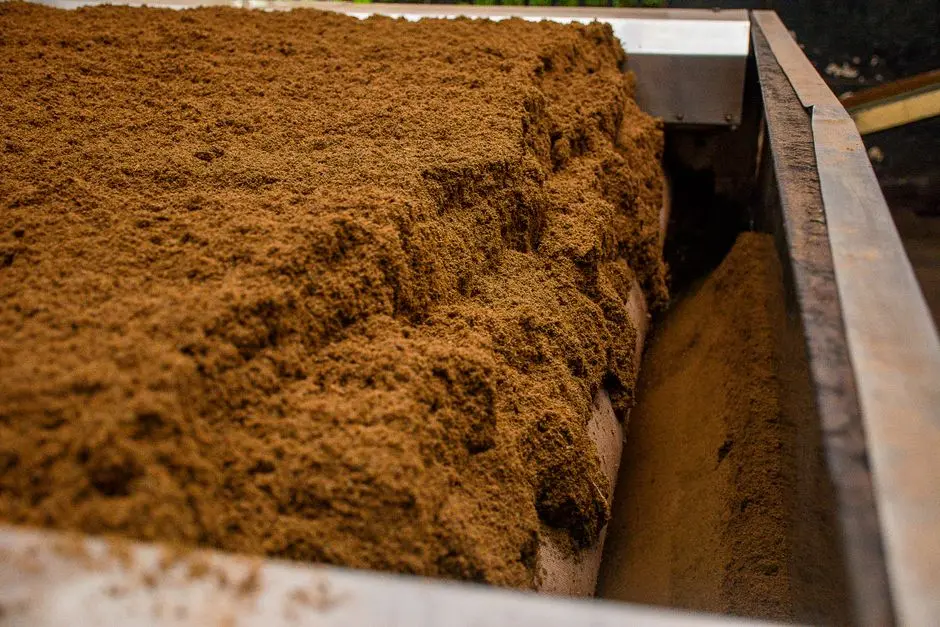
The numbers below are what a Utah DEQ permit reviewer and your procurement lead will both ask for. DAF TSS removal of 80–97% is the band documented for DAF systems in mining and heavy-metal duty (DAGYEE spec sheet, 2026 update), with the 97% upper bound on well-conditioned hydroxide flocs; the 80% floor is what you should plan for at cold influent (≤10 °C) or sub-optimal A/S ratio. Lamella clarifier TSS removal of 40–70% is a conservative engineering band — single-pass inclined-plate units without sludge recycle sit near 40–50%, while a well-run unit with sludge recirculation and polymer tuning reaches 60–70% on sand-and-silt feeds.
| Parameter | DAF | Lamella Clarifier (HST) | Conventional Clarifier |
|---|---|---|---|
| TSS removal | 80–97% | 40–70% | 30–55% |
| Hydraulic surface loading (m/h) | 5–15 | 20–40 | 1–3 |
| Footprint per m³/h | ~0.15–0.25 m² | ~0.05–0.10 m² | ~0.40–0.80 m² |
| Sludge dry solids | 3–6% | 1–3% | 1–2% |
| Heavy-metal colloidal capture | High (90%+ on conditioned flocs) | Moderate (fines carry metal out) | Low |
| Polymer/coagulant dose | 2–10 mg/L typical | Up to 30% lower with sludge recycle | Baseline |
| Solids tolerance (influent) | Up to ~5% | Up to ~10% | Up to ~10% |
| Cold-weather (<10 °C) TSS risk | Higher (bubble size grows) | Moderate (viscosity rises) | Higher |
For heavy metals — Cu, Pb, Zn, Fe as hydroxide precipitates — DAF is the preferred primary when effluent metals are tight, because the bubble-floc mechanism captures the colloidal fraction that gravity settling loses. A lamella clarifier overflow can carry 20–40% of bound metal on the fines fraction, which is why the cleaner effluent for Kennecott-area tailings water re-use almost always starts with a DAF primary. Where DAF wins on hydraulic performance (5–15 m/h HSR is still 2–5× a conventional clarifier), the lamella wins on land: 0.05–0.10 m² per m³/h for a lamella versus 0.15–0.25 m² for a DAF train of the same flow. Sludge consistency also drives the downstream plate and frame filter press CAPEX — a 3–6% DAF float dewateres in fewer cycles than a 1–3% clarifier underflow, and that gap compounds over 5 years of hauling.
Meeting 40 CFR 437 and 40 CFR 433 in 2026
The 2026 compliance conversation in South Weber turns on two effluent tables. 40 CFR Part 437 (Ore Mining & Dressing) imposes a daily maximum TSS of 30 mg/L and a monthly average of 20 mg/L for the active ore subcategory, with pH between 6.0–9.0 and a separate set of limits for total recoverable metals (As, Cd, Cu, Pb, Ni, Zn, Hg) that depend on which subcategory your South Weber plant sits under — active ore, abandoned mine drainage, or solution mining. 40 CFR Part 433 (Metal Finishing) sets tight daily-maximum limits for Cu (3.38 mg/L), Ni (3.98 mg/L), Cr total (2.77 mg/L), Zn (2.61 mg/L), and Pb (0.69 mg/L) on the unregulated-sourced rinse-water side, and most of those limits are only achievable downstream of a properly conditioned precipitation step. A DAF primary that captures the colloidal metal flocs before they escape is the difference between hitting 0.3 mg/L Cu in the effluent and missing at 1.2 mg/L Cu.
| Parameter | 40 CFR Part 437 (active ore) — daily max / monthly avg | 40 CFR Part 433 (metal finishing) — daily max / monthly avg | Best 2026 primary |
|---|---|---|---|
| TSS | 30 / 20 mg/L | — (controlled upstream) | DAF for 500+ mg/L feeds |
| Cu | 0.30 / 0.15 mg/L (TR) | 3.38 / 2.07 mg/L | DAF + lamella polish |
| Pb | 0.20 / 0.10 mg/L (TR) | 0.69 / 0.43 mg/L | DAF primary |
| Zn | 0.20 / 0.10 mg/L (TR) | 2.61 / 1.48 mg/L | DAF primary |
| pH | 6.0–9.0 | 6.0–9.0 | Pre-DAF neutralization to 8.5–9.0 |
| Oil & grease (where applicable) | — | 52 / 26 mg/L | DAF (CPI upstream if heavy) |
Utah's UPDES program operates on R317-8 with a typical 5-year permit cycle; the 2026 renewal round is the trigger for many South Weber retrofits, and permit reviewers will look for both the technology train and a defensible sampling plan. Use 24-h flow-weighted composites for TSS and metals (not grabs), and run jar tests across an air-to-solids (A/S) ratio sweep of 0.005–0.030 before you commit to a saturation-tank pressure setpoint. The automatic chemical dosing skid on the DAF feed should be tuned to the jar-test optimum, not to a book default — a 2026 permit reviewer will spot the difference.
2026 CAPEX, OPEX, and Footprint Trade-Offs
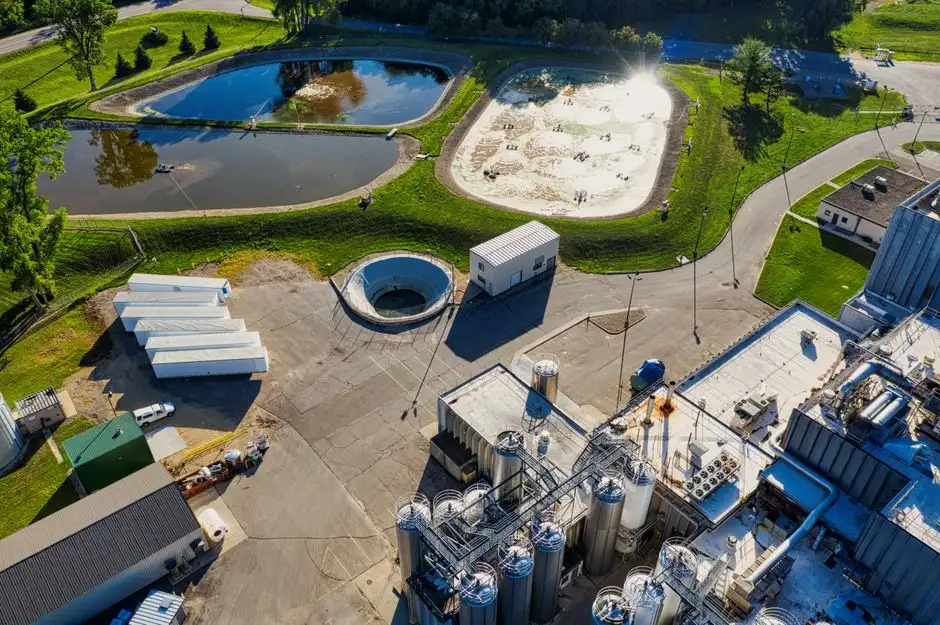
For CAPEX sizing in 2026, the DAF line (3–120 m³/h per unit, 1,500–10,000 kg dry weight) is the right proxy for South Weber flows up to about 500 m³/h. Above that, run two DAF trains in parallel. Lamella clarifier CAPEX for the same hydraulic flow is typically 30–50% of an equivalent DAF when ground preparation and civil work are included, mainly because a lamella is a static tank with no saturation skid, recycle pump, or air-release nozzle manifold. The DAF price gap closes, however, once you add the chloride-resistant 316L wetted parts and higher-grade recoat that Great Salt Lake–area brine exposure demands, plus the upstream automatic chemical dosing system that you need anyway for both trains.
| Cost / Footprint Driver | DAF | Lamella Clarifier (HST) | Notes for 2026 South Weber |
|---|---|---|---|
| Equipment CAPEX index (same flow = 1.0) | 1.0 (baseline) | 0.30–0.50 | Add 10–20% for 316L wetted parts on DAF in brine exposure |
| Civil / foundation cost | Lower (small footprint) | Higher (larger footprint, deeper tank) | Lamella tanks often need 3.5–4.5 m depth |
| Footprint per m³/h treated | 0.15–0.25 m² | 0.05–0.10 m² | Land-constrained site → DAF |
| Energy (kWh per m³) | 0.10–0.20 (recycle pump + saturation) | 0.02–0.05 (sludge recirculation) | At Utah industrial tariffs 2026 (~$0.08/kWh), energy gap narrows |
| Polymer/coagulant OPEX | Baseline | Up to 30% lower with sludge recycle | Per HydropureWater HST operating data 2025–2026 |
| Sludge hauling cost driver | 3–6% dry float | 1–3% underflow | DAF float dewateres in fewer press cycles |
| Typical 5-yr OPEX share — polymer + hauling | ~60% of OPEX | ~70% of OPEX | Hauling dominates 5-yr life |
OPEX over a 5-year life is where the picture flips. Polymer dose and sludge hauling dominate; energy is secondary at Utah industrial rates around $0.08/kWh. The 30% coagulant savings on a sludge-recycle lamella (HydropureWater HST field data) is real money on a 500 m³/h circuit, but a DAF float at 4–5% dry solids means the downstream plate and frame press runs fewer cycles and the haul trucks run fewer loads. For a South Weber plant sending sludge to a Davis County landfill in 2026, the hauling delta alone usually pays back the DAF CAPEX gap in 3–4 years on flows above 200 m³/h.
Decision Rule: Which One Should a South Weber Plant Order in 2026?
Paste this rule into the CAPEX memo:
- Influent TSS > 500 mg/L, oil/grease present, or metals precipitated as fine colloids → DAF. The 80–97% TSS band and 90%+ colloidal metal capture are worth the CAPEX premium; a lamella on this feed is a permit risk.
- Influent TSS < 300 mg/L, no oil, steady flow, and cheap land → lamella clarifier. Footprint is 2–3× smaller, CAPEX is 30–50% of DAF, and sludge-recycle chemistry trims polymer 30%.
- Tight discharge limits AND land-constrained site → DAF primary + lamella polish. This is the default 2026 answer for Kennecott-area tailings water re-use where you must hit Part 437 daily-max metals and the lot is small. The DAF removes the bulk float; the lamella with sludge recycle catches the fines and stabilizes the effluent for re-use.
- Flow > 500 m³/h → parallel DAF trains of 100–200 m³/h units. Single-train lamella is feasible but becomes a maintenance liability (one tank down = full stop); parallel DAF trains give you N+1 redundancy and a single train can be taken offline for nozzle inspection without breaching the permit.
The hybrid DAF → lamella polish train is the configuration we see winning 2026 South Weber UPDES submittals because it produces both a clean float (3–6% DS) for cheap dewatering and a low-turbidity overflow (<30 mg/L TSS) that re-enters the process loop. Order the DAF system as primary, the lamella clarifier as polish, and the automatic chemical dosing skid sized to the jar-test optimum, and the 2026 renewal should not need a single round of deficiency letters.
Frequently Asked Questions
Is DAF worth the higher cost over a clarifier for a small South Weber mining plant?
Yes, when influent TSS exceeds 500 mg/L or the discharge limits sit near 30 mg/L TSS daily-max under 40 CFR Part 437. DAF delivers 80–97% TSS removal versus 40–70% for a lamella, and the 3–6% dry float cuts downstream hauling enough that the CAPEX gap usually pays back in 3–4 years above 200 m³/h (HydropureWater field data, 2026). On a sub-200 m³/h, sub-300 mg/L TSS, no-oil feed, a lamella is the cheaper answer.
Which US rule governs mining and metals discharges in South Weber, Utah, in 2026?
Ore mining and aggregate operations fall under 40 CFR Part 437 (Ore Mining & Dressing), with a daily-maximum TSS of 30 mg/L and a monthly average of 20 mg/L for the active ore subcategory. Metal-finishing rinse lines fall under 40 CFR Part 433, with daily-maximum limits of 3.38 mg/L Cu, 2.77 mg/L Cr, 2.61 mg/L Zn, and 0.69 mg/L Pb. Utah DEQ administers both through UPDES permits on a roughly 5-year renewal cycle under R317-8.
Can a DAF and a lamella clarifier be used together on the same mining wastewater train?
Yes, and the DAF-primary → lamella-polish configuration is the 2026 default for tailings water re-use near the Kennecott operation. The DAF (5–15 m/h HSR, 30–100 μm microbubbles per Rodrigues & Rubio 2007) removes 80–97% of TSS plus the bulk of the colloidal metals; the lamella (20–40 m/h HSR, sludge recycle) polishes the overflow to sub-30 mg/L TSS and trims coagulant dose by up to 30%. The combined footprint is still smaller than a single conventional clarifier on the same flow.
What hydraulic surface loading rate should a 2026 lamella clarifier be designed to in South Weber?
Design a mining-duty lamella to 20–40 m/h and verify the actual rate against jar tests and the influent PSD. Conventional clarifiers run 1–3 m/h; the inclined plates at 55–60° are what let the lamella run 5–10× faster while still hitting 60–70% TSS removal on conditioned feed. Above 40 m/h, scour of the sludge blanket becomes a risk on sand-rich tailings water.