Why Fredericksburg Chemical Plants Are Re-evaluating Primary Clarification in 2026
For a Fredericksburg, PA chemicals plant in 2026, choose a DAF (Dissolved Air Flotation) when the wastewater carries emulsified oils, FOG, or light colloids — DAFs hit 92–98% TSS removal and 95% oil/grease removal on chemical streams. Choose a gravity clarifier when the stream is heavy on inert suspended solids, dense slurries, or settled metals hydroxides, where 70–90% solids reduction at lower OPEX is acceptable. Most batch-chemical plants run a hybrid train: DAF first to strip FOG and light TSS, then a clarifier (or MBR) to polish — the same configuration DEP documents at the Keystone Protein Fredericksburg permit (PA0266345), a 3 MGD DAF → 4-stage BNR → final clarifier discharge to Little Swatara Creek.
40 CFR Part 414 sets the chemicals-category pretreatment standards for significant industrial users discharging to POTWs, and 2026 enforcement is tightening on BOD, TSS, ammonia, and priority-pollutant monitoring — the days of letting a clarifier alone handle an emulsion are over. The PA DEP Keystone Protein Fredericksburg permit (PA0266345, 154 W Main Street, Bethel Township, Lebanon County) is the local proof point: screened process wastewater is pumped to a DAF cell with chemical coagulation and flocculation, then to a 4-stage BNR system with final clarification and UV disinfection before discharge to Little Swatara Creek. Design targets on that plant are 6 mg/L TN and 0.8 mg/L TP, and reported DMR effluent for Outfall 001 (Sept 2022–Aug 2023) ran CBOD5 <2 mg/L monthly average, TSS <2.4 mg/L monthly average, and Net Total Phosphorus <238 lb/yr (per the 2023 PA DEP Fact Sheet). Two 2026 forces are pushing capex now: tighter 40 CFR 414 monitoring on SIUs and rising surcharges at municipal POTWs for FOG, ammonia, and total phosphorus loads. A defensible 2026 capex memo has to anchor the technology choice in both the federal rule and the Bethel Twp precedent.
How DAF and Clarifiers Actually Separate Contaminants
DAF and gravity clarifiers do the same job — remove suspended solids upstream of biological or membrane polishing — but they exploit opposite physical properties. A DAF saturates a recycle side-stream with air at 4–6 bar, then releases the pressure through needle valves; the resulting 20–40 µm micro-bubbles attach to oil droplets and light floc, lowering particle density and lifting the float to the surface for skimming (Komline-Sanderson, 2025; DAF Corporation product literature, 2025). A gravity clarifier is a rectangular or circular basin, often fitted with lamella tubes, where density drives settleable solids to a bottom hopper and clarified water overflows a peripheral launder. The physical split has a direct consequence downstream: DAF float typically reports at 2–4% dry solids while clarifier underflow runs 1–2% DS (per DAF Corporation), which means the DAF sludge is already thicker and cheaper to feed to a plate-and-frame press or screw thickener.
Neither unit runs clean on a chemical stream without chemistry. Both DAF and clarifiers almost always need a coagulant — PAC (polyaluminum chloride) or ferric chloride are the 2026 workhorses — and a flocculant, typically anionic polyacrylamide (APAM) at 1–5 mg/L for fine-bubble flotation or 1–3 mg/L for settling. Dose windows depend on influent TSS, FOG, and the alkalinity of the carrier water; sweep 50–500 mg/L coagulant and 1–10 mg/L flocculant during jar tests before committing to a unit operation. The mechanism difference is the reason a 95% FOG removal (DAF) and a 90% TSS removal (clarifier) on the same stream are not contradictory claims — they are measuring different things.
DAF vs Clarifier: Head-to-Head Comparison for Chemical Wastewater
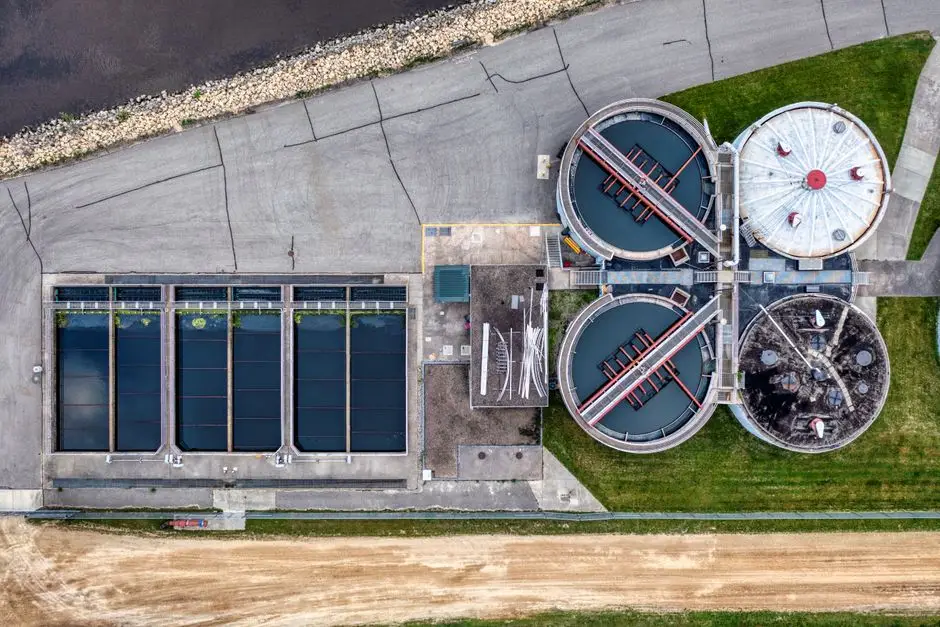
Before you can pick a unit, you have to compare them on the parameters that actually move 2026 chemical-plant capex: removal efficiency, footprint, HRT, sludge dryness, polymer demand, and total cost of ownership. The matrix below uses Ecologix (2026), DAF Corporation (2025), and Komline-Sanderson (2025) data ranges, with the understanding that no vendor's headline number survives contact with a real wastewater — pilot first, then size.
| Parameter | DAF (Dissolved Air Flotation) | Gravity / Lamella Clarifier |
|---|---|---|
| TSS removal | 92–98% (per DAF Corp FC Maximizer line) | 70–90% on chemical streams |
| FOG / oil & grease removal | ~95% (per Ecologix 2026 case) | ~70% (per Ecologix 2026 case) |
| Footprint per m³/h | 0.05–0.1 m² (incl. saturator, skid) | 0.3–0.6 m² (incl. lamella pack) |
| Hydraulic residence time | 20–40 min | 2–4 h |
| Float / sludge dryness | 2–4% DS float (DAF Corp) | 1–2% DS underflow |
| Polymer demand (typical) | 1–5 mg/L APAM, often lower on FOG streams | 1–3 mg/L APAM, but higher sludge volume |
| Auxiliary power | Air compressor, recycle pump, saturator | Rake drive, occasional sludge pump |
| CAPEX rank (same flow) | Higher (skid + compressor) | Lower (basin + drive) |
| OPEX rank (same flow) | Higher power, lower dewatering cost | Lower power, higher dewatering cost |
| Best-fit influent | Emulsified oil, FOG >50 mg/L, light colloids, TSS <1,500 mg/L | Dense inerts, metal hydroxides, catalyst fines, gypsum |
The flip points are well-defined: high free oil, emulsified FOG, or low-density colloids push the answer toward DAF; high-density inerts, metal hydroxides, or sand-like grit push toward a clarifier; and a stream with emulsified oils plus heavy TSS is the textbook hybrid case. Ecologix (2026) documents a food plant DAF hitting 95% oil/grease removal versus 70% for a clarifier on the same stream, and a mining clarifier dropping solids 90% at lower cost — the two outcomes are not contradictory, they are different unit operations on different feeds. 40 CFR Part 414 sets effluent mass and concentration limits; it does not prescribe a unit operation, so the choice is engineering-economics, not regulatory mandate.
When a Fredericksburg Chemical Plant Should Pick DAF
Pick a DAF when the influent carries emulsified oils from surfactant-based reactions, when FOG is sustained above 50 mg/L, or when TSS is below roughly 1,500 mg/L and the contaminant is light enough to float once attached to a micro-bubble. The classic Fredericksburg scenario is a batch specialty-chemical line that generates periodic oil shocks — reactors cleaned with surfactants, vacuum-pump seal water, or centrifuge decant — that would wipe out a downstream biological or MBR stage. A DAF strips that shock load before it ever reaches the biomass.
DAF is also the right pick when footprint is constrained. Fredericksburg-area chemical sites typically sit on 2–10 acres between Route 22 and Bethel Twp, and a DAF skid runs 3–5× more compact than an equivalent clarifier at the same flow — a 50 m³/h DAF including saturator and recycle pump fits in roughly 3–5 m², where a 50 m³/h lamella clarifier needs 15–30 m² of basin area. DAF is the right pick when the next unit down the train is biological — the Keystone Protein Fredericksburg permit (PA0266345) sequence, DAF → equalization → 4-stage BNR → final clarifier, exists precisely because DAF protects the activated-sludge system from oil upsets. And DAF is the right pick when the plant wants a thicker sludge (2–4% DS float) to cut downstream dewatering capex; the float can feed directly to a screw thickener or plate-and-frame press. For a skid that covers 4–300 m³/h in 13 standard models, the DAF system from HydropureWater sits in the right envelope for ~95% of Fredericksburg-area chemical plants, paired with a HydropureWater automatic chemical dosing skid for coagulant and flocculant.
When a Fredericksburg Chemical Plant Should Pick a Clarifier
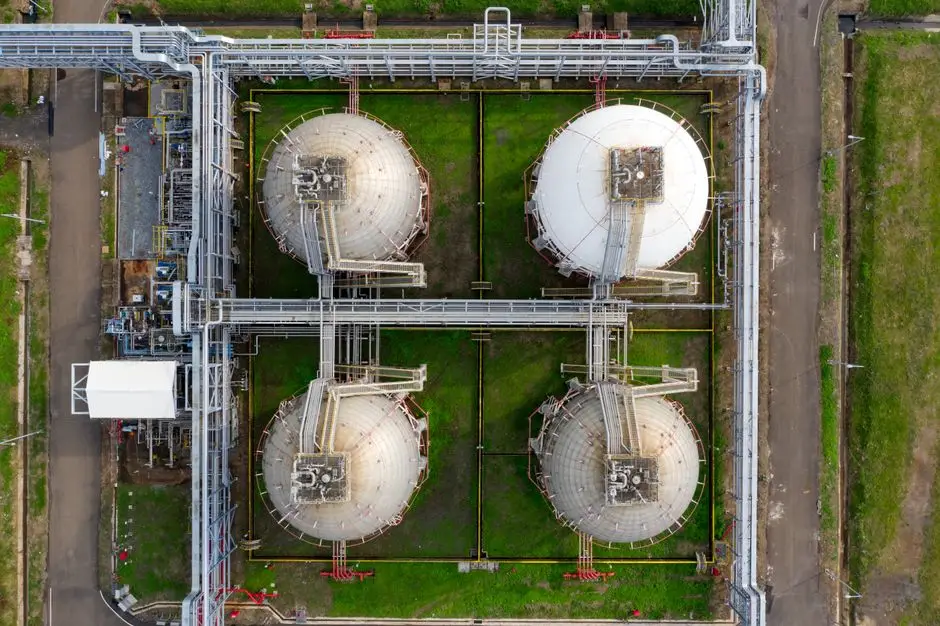
Pick a clarifier — or, more commonly, a lamella clarifier — when the stream is dominated by dense, readily settleable solids. The textbook 2026 chemical-plant cases are metal hydroxide sludges from pH-adjustment trains, catalyst fines from slurry reactions, gypsum or calcium carbonate from neutralization, and pigment or filler washwater. None of those streams float well; all of them settle fast once flocculated, and a clarifier exploits that for a 70–90% TSS reduction at lower OPEX than a DAF would deliver on the same feed.
Clarifier economics are also a fit when the plant values low operating cost over footprint. A lamella clarifier has no air compressor, no saturator, and no high-pressure recycle pump — the major rotating equipment is a low-horsepower rake drive and an occasional polymer pump. A well-designed HydropureWater lamella clarifier runs at 20–40 m/h surface loading rate with up to 30% lower chemical consumption versus conventional settling (HydropureWater product data, 2025), which makes it attractive for polishing a stream that is already low in oil and FOG before RO or direct discharge. If the site has 2–3 acres of open grade-level space and no FOG problem, the clarifier is usually the cheaper answer in 5-year NPV terms even with the larger basin.
The 2026 Fredericksburg Hybrid: DAF + Clarifier (or DAF + MBR)
For most batch-chemical plants in the Fredericksburg area, the 2026 answer is not DAF or clarifier — it is DAF first, then a clarifier or MBR. The canonical train is equalization → DAF (with coagulant and flocculant dosing) → intermediate lift → clarifier or MBR → disinfection or RO reuse, which is essentially the Keystone Protein Fredericksburg sequence (PA0266345, Outfall 001) adapted from poultry processing to a chemical influent. Putting the DAF first is not optional: the FOG and light colloids it strips are exactly what would blind or foul a downstream clarifier's lamella plates or an MBR's PVDF membranes within days of an oil upset. With the DAF up front, the downstream unit only has to handle the residual TSS, and either technology runs clean for months between washes.
The hybrid also wins on footprint. A DAF + lamella clarifier train sized for 50 m³/h typically fits in under 60 m², where two clarifiers in series on the same stream would need 150+ m² and still underperform on FOG. For plants targeting water reuse — a 2026 priority as Bethel Township and the City of Fredericksburg both tighten on Little Swatara Creek loading — the train should end with an MBR (PVDF, 0.1–0.4 µm nominal pore), which produces a TSS- and bacteria-free water suitable for RO feed or process rinse reuse. A HydropureWater MBR system sized to the post-DAF flow is the usual single-supplier scope for a Fredericksburg-area batch-chemical plant. The Mojave chemicals DAF-vs-clarifier guide and the Malvern chemicals DAF-vs-clarifier guide both reach the same hybrid conclusion on different feeds, which is why this train is now the dominant 2026 pattern in US specialty chemicals pretreatment.
2026 Capex, Footprint, and OPEX Ballpark for Fredericksburg Flows
The table below frames a 2026 industrial budgetary envelope for Fredericksburg-area flows from 10 m³/h (a small batch line) to 200 m³/h (a multi-line specialty-chemical facility). Prices are typical industrial budgetary ranges, not quotes; they scale with material of construction (304L SS costs more than rubber-lined carbon steel), with whether chemical dosing skids are included, and with the degree of automation. Your vendor will tighten these numbers after the jar test and pilot run.
| Design flow | 10 m³/h | 50 m³/h | 200 m³/h |
|---|---|---|---|
| DAF skid price band (USD, budgetary) | Low-to-mid five figures | Mid five figures | Low six figures |
| Clarifier price band (USD, budgetary) | Low five figures | Mid five figures (lamella) | Mid-to-high six figures (lamella) |
| Hybrid DAF + clarifier (or MBR) price band | Mid-to-high five figures | High five figures to low six figures | High six figures to low seven figures |
| Footprint (process equipment, no building) | < 15 m² | ~60 m² | ~200–250 m² |
| Polymer OPEX (APAM, typical) | 1–3 mg/L × flow | 1–5 mg/L × flow | 1–5 mg/L × flow |
| Sludge to dewatering | 2–4% DS float (DAF) or 1–2% DS underflow (clarifier) | Same | Same |
The DAF system from HydropureWater covers 4–300 m³/h in 13 standard models, which is the right envelope for roughly 95% of Fredericksburg-area chemical plants. On 5-year OPEX, DAF's 2–4% DS float cuts dewatering energy versus a clarifier's 1–2% DS underflow — that advantage, fed to a plate-and-frame filter press or screw thickener, often offsets the higher DAF power cost within 24–36 months on FOG-bearing streams. For a more detailed rinse-water reuse perspective, the 2026 rinse wastewater hybrid treatment guide works through the same OPEX math.
Pilot Test Protocol Before You Buy (2026 Best Practice)
Do not buy a DAF or clarifier on vendor curves alone. For a Fredericksburg-area batch-chemical plant in 2026, the defensible path to a PO is a four-step pilot protocol sized to the actual waste stream.
- Step 1 — Jar tests. Sweep coagulant (PAC, FeCl₃) from 50 to 500 mg/L and flocculant (CPAM, APAM) from 1 to 10 mg/L on 1 L samples. Record floc size, settle-vs-float behavior, supernatant TSS, and supernatant FOG. This is where you find out whether your stream is a DAF stream or a clarifier stream.
- Step 2 — Bench DAF test. Run 50–200 L through a lab DAF cell for 1–2 weeks. Record TSS, FOG, sludge volume, and sludge DS%. The pilot-class DAF covers 4 m³/h, which is the right scale for a chemical-plant bench test.
- Step 3 — Optional on-site pilot. For flows above 25 m³/h, run a rented DAF Corporation FC-60 at 48 GPM (per DAF Corp product data, 2025) side-by-side with a lamella clarifier pilot on the same feed for at least one shift cycle. This is the only data that survives a 40 CFR Part 414 review.
- Step 4 — 30-day parallel test. Run both pilots at design flow for 30 days, sample against 40 CFR Part 414 limits and local POTW surcharges, and document for the project file. The winning pilot is the one that hits your effluent targets at the lowest 5-year NPV.
You can also compare your outcome against the Mojave and Malvern guides linked earlier — the methodology is the same, the feeds differ.
Frequently Asked Questions
Is DAF or a clarifier better for high-FOG chemical wastewater in Fredericksburg?
DAF. On chemical streams with FOG above 50 mg/L or any emulsified oils from surfactant-based reactions, a DAF delivers roughly 95% oil/grease removal versus ~70% for a clarifier (per Ecologix 2026 case data), and it does so in 20–40 minutes of HRT versus 2–4 hours. For a Fredericksburg batch-chemical plant, DAF is almost always the primary; a clarifier follows as the polisher.
Does 40 CFR Part 414 require a DAF, or can I install a clarifier only?
40 CFR Part 414 sets effluent concentration and mass limits (BOD, TSS, O&G, ammonia, total N, priority pollutants) — it does not prescribe a unit operation, so the choice is engineering and economics. The Keystone Protein Fredericksburg permit (PA0266345) chose DAF ahead of its 4-stage BNR, but that is a design decision, not a regulatory mandate. The 2026 enforcement pressure is on the effluent numbers, not the equipment.
What flow rate range does a DAF system cover for a Fredericksburg-area chemical plant?
Standard DAF systems cover 4–300 m³/h in skid packages, which spans from a single batch line to a multi-line specialty-chemical facility. The DAF system from HydropureWater sits in 13 standard models across that envelope — roughly 95% of Fredericksburg-area chemical plants fall inside it without going to a custom build.
How thick is DAF sludge compared to clarifier underflow, and does it matter for dewatering?
DAF float typically reports at 2–4% dry solids versus 1–2% DS for clarifier underflow (per DAF Corporation, 2025). That 2× difference in feed solids cuts dewatering energy roughly in half for a given cake target, and on a FOG-bearing chemical stream the DAF → plate-and-frame press combination usually pays back the higher DAF power cost in 24–36 months.