What Front Royal Mining and Metals Plants Are Actually Treating in 2026
Front Royal sits in the carbonate-rich Shenandoah Valley, and that geology shapes the wastewater streams a 2026 plant engineer has to handle. Three profiles dominate the area: aggregate and quarry wash water (limestone fines, silt, and crusher dust) typically arrives at 1,000–10,000 mg/L TSS, near-neutral pH, and high calcium alkalinity; lime and stone processing blowdown (scrubber water, kiln cooling bleed, and hydrator wash) carries high TSS plus elevated calcium, magnesium, and sulfate; and seasonal acid mine drainage (AMD) from legacy workings or exposed pyritic overburden runs at pH 2.5–4.5 with high dissolved iron, aluminum, manganese, and sulfate, often spiking after storm events. The seasonal load is the one that breaks underdesigned trains — a quarry can swing from 100 m³/h in a dry August to 600 m³/h in a wet March.
Globally, industrial wastewater generation is estimated at ~380 billion m³/yr and projected to grow 51% by 2050 (Qadir et al. 2020, reviewed in PMC S1). That trajectory is why regulators are tightening, not relaxing, discharge envelopes. In a standard wastewater train, the two unit operations that sit at the primary stage and compete for the same slot are sedimentation and dissolved air flotation (Naidoo & Olaniran 2013, in S1) — which is exactly the choice this guide weighs.
Discharge path matters before you pick a technology. Front Royal plants sending wastewater to the Town of Front Royal WWTP operate under a local industrial pretreatment program with site-specific limits. Plants discharging directly to the Shenandoah River operate under a VPDES individual permit issued by Virginia DEQ under 9VAC25, with EPA Region 3 oversight. The receiving body changes the technology math: POTW pretreatment tolerates higher TSS upstream because the municipal plant polishes; direct discharge to the river does not.
How a DAF System and a Clarifier Actually Work in Mining Duty
DAF and a clarifier remove the same contaminant class — suspended solids and floatables — using opposite physical principles. Understanding both well enough to defend the choice in a 2026 capital memo requires more than a sales diagram.
A DAF system saturates a pressurized side stream (typically 15–30% of the recycle flow) with air at 4–6 bar in a saturation tank, then releases the stream through needle valves or specialty nozzles at the floor of the flotation cell. The pressure drop nucleates 10–50 µm micro-bubbles that attach to floc particles or oil droplets and lift them to the surface, where a skimmer sweeps the float into a sludge trough. Air-to-solids ratio is the key operating lever: typically 0.01–0.05 lb air per lb TSS (Ecologix, S2; consistent with the HydropureWater DAF system operating envelope). Below ~0.01, you under-float; above ~0.05, you waste compressor energy and can disrupt the float layer. DAF hits its stride on fine particles in the 10–100 µm range, emulsified oils, and any process where the contaminant wants to float given a little help.
A conventional clarifier is gravity settling in a circular or rectangular basin. Design is governed by surface overflow rate (SOR): on mining duty, primary clarifiers typically run 1–2 m/h SOR, which means a large footprint — a 100 m³/h unit can require 50–100 m² of floor area. A lamella (inclined-plate) clarifier stacks parallel plates at 55–60° to steepen the effective settling area; published SOR climbs to 20–40 m/h (HydropureWater lamella clarifier spec), roughly a 10× footprint reduction versus a conventional basin at the same flow. Lamella is the practical default for Front Royal sites where real estate is the constraint.
Both units require a coagulation/flocculation stage upstream. FeCl₃, alum, or cationic polymer at 1–15 mg/L is typical for mining streams, with a flocculation Gt (velocity gradient × time) target of ~10⁴–10⁵ for mature floc. Without proper floc formation, neither unit hits design removal — this is the single most common field failure mode. Sludge characteristics differ: DAF float is typically 3–6% dry solids and drops cleanly to a plate and frame filter press; clarifier underflow is 1–3% and benefits from a thickener ahead of dewatering.
DAF vs Clarifier: Engineering Parameters Side by Side
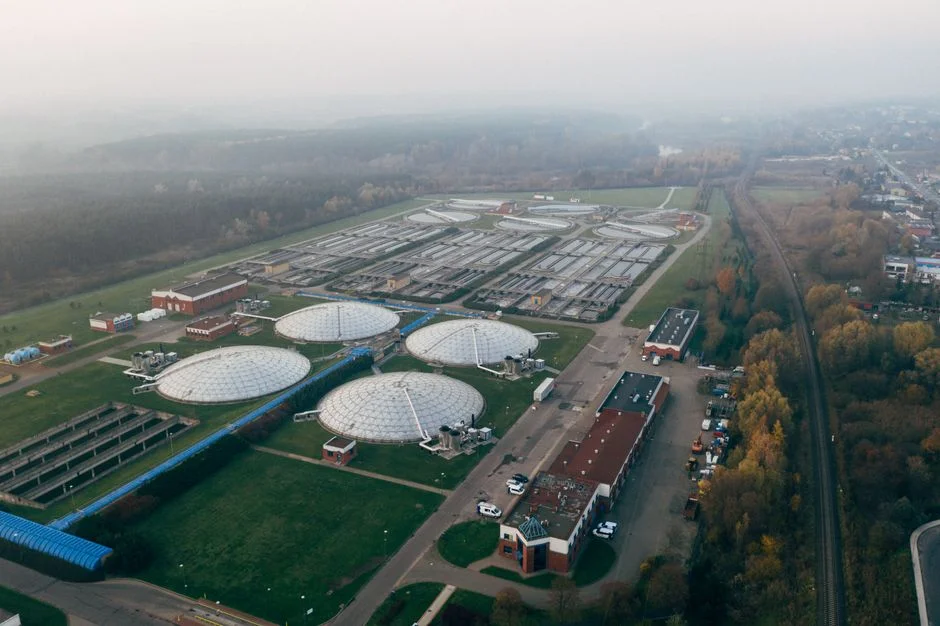
This is the artifact the memo needs. The table below consolidates the design and operating parameters a Front Royal engineer should quote when justifying equipment selection, with ranges appropriate for mining and light-metals duty in 2026.
| Parameter | DAF | Conventional Clarifier | Lamella Clarifier |
|---|---|---|---|
| TSS removal efficiency | 80–95% | 70–90% (up to 90% on heavy mineral grit, per Ecologix mining case, S2) | 70–90% on flocculated streams; comparable to DAF when chemistry is matched |
| Oil & grease removal | ~95% (S2) | ~70% (S2) | Limited; not a primary oil target |
| Surface overflow / hydraulic loading | 4–25 m/h hydraulic loading | 1–2 m/h SOR | 20–40 m/h SOR (HydropureWater published spec) |
| Effective particle range | 10–100 µm optimum; handles emulsified oil | >50 µm; struggles below ~50 µm | >20 µm with flocculation |
| Footprint at 100 m³/h | Compact; ~10–15 m² | 50–100 m² | ~5–10 m² |
| Air-to-solids ratio | 0.01–0.05 lb air/lb TSS | N/A | N/A |
| Sludge dry solids | 3–6% float | 1–3% underflow | 1–3% underflow |
| Polymer/coagulant demand | 1–15 mg/L; sensitive to overdosing | 1–15 mg/L | 1–15 mg/L; lamella cuts chemical use ~30% vs conventional (HydropureWater spec) |
| 2026 turnkey CAPEX (4–50 m³/h, SS304) | $80K–$350K | $100K–$400K | $120K–$500K |
| OPEX drivers | Compressed air, polymer, skimmer maintenance | Polymer, sludge hauling, rake torque | Polymer, sludge hauling; lowest compressed-air cost |
Two footnotes the controller will ask about. First, these removal numbers assume proper coagulant selection and flocculation; without chemistry, neither technology clears 50% TSS. Second, the lamella column reflects the HydropureWater published SOR of 20–40 m/h and the cited 30% chemical savings versus a conventional basin — both are spec-sheet claims the vendor should confirm against site jar tests before the PO is cut.
Which Technology Fits Your Stream: A Six-Row Decision Matrix
The parameter table is the engineering answer; this matrix is the procurement answer. Walk your influent down the six rows and the recommendation falls out.
| Stream profile (Front Royal 2026) | Primary recommendation | Why | Hybrid note |
|---|---|---|---|
| High TSS (>2,000 mg/L), heavy mineral grit, no oil | Lamella or conventional clarifier with upstream grit removal | DAF float layer overloads; clarifier handles grit and mineral fines cheaply | Add DAF only if downstream process introduces oil |
| Moderate TSS (200–2,000 mg/L) plus emulsified oil (equipment wash, hydraulic fluid) | DAF primary | DAF's 95% oil & grease removal beats clarifier's ~70% (S2) | Lamella as polish if metals are tight |
| Acid mine drainage (pH <5, high Fe/Al floc after lime neutralization) | Lamella clarifier primary | Metal hydroxide floc settles well; DAF float load is mostly water after neutralization | DAF only if flotation reagents or surface-active polymers are in the recipe |
| Light-metals finishing (low TSS, dissolved Zn, Cu, Ni) | Precipitation (pH adjustment) then lamella for hydroxide floc | DAF underperforms on freshly precipitated metal hydroxide sludge | Sand filter or membrane polish for <1 mg/L total recoverable metals |
| Variable seasonal load (quarry wet vs dry season) | Lamella clarifier | More forgiving of flow swings; DAF needs tighter equalization to hold A/S ratio | Equalization basin upstream of DAF if DAF is selected |
| Tight NPDES metals limit (<1 mg/L total recoverable) | Treat as polishing problem, not primary | Neither DAF nor clarifier alone reliably hits sub-mg/L metals | Add sand filtration, ion exchange, or membrane stage downstream |
The pattern across the six rows is consistent: DAF earns its slot when the stream wants to float (oils, fine floc with entrained air, surface-active polymers), and a clarifier — almost always a HydropureWater lamella clarifier on a footprint-constrained Front Royal site — does the heavy lifting on bulk solids and metal hydroxide floc. The same matrix logic applies to similar carbonate-belt operations; see the Garden Valley mining/metals DAF-vs-clarifier guide for a comparable influent walkthrough.
The Front Royal Compliance Frame: VPDES, Pretreatment, and the Shenandoah
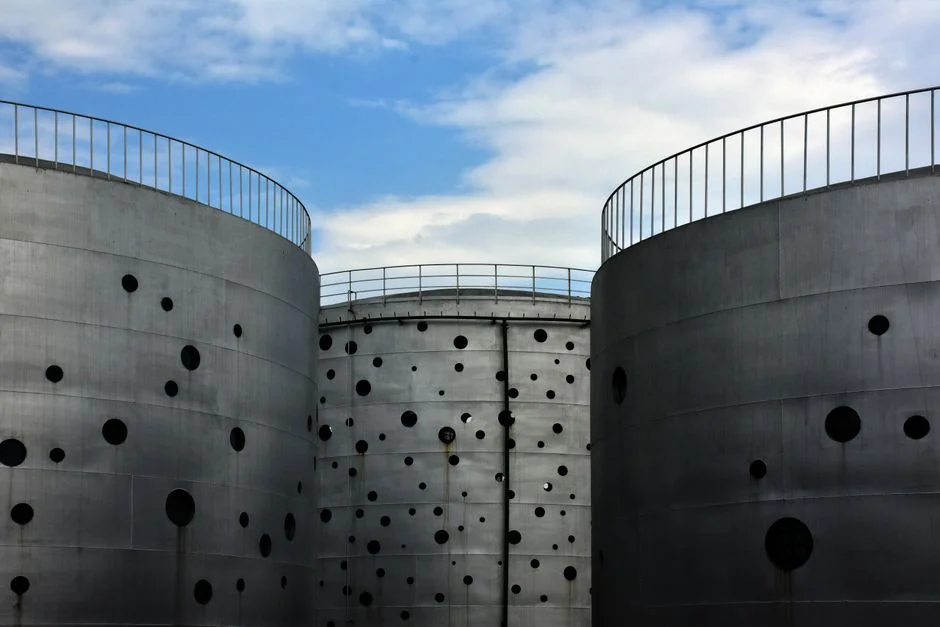
Selecting the wrong primary unit is not just an OPEX miss — it is a Notice of Violation. Front Royal plants discharging to the Town of Front Royal WWTP are subject to the town's industrial pretreatment program, with local limits typically aligned to 40 CFR Part 403 categorical standards where they apply. Direct discharges to the Shenandoah River require a VPDES individual permit issued by Virginia DEQ under 9VAC25, with EPA Region 3 oversight. Representative 2026 permit bands for mining/metals direct discharge include TSS around 30 mg/L monthly average, oil & grease near 15 mg/L, and total recoverable metals in the 1.0–2.0 mg/L range — but these are bands, not promises, and the plant-specific permit is the only document that governs.
AMD carries additional scrutiny. Iron, manganese, and sulfate targets typically applied to mine discharges are tighter than general industrial limits, and a single pH excursion below 6.0 can trigger 24-hour reporting. Build margin into the train rather than running the primary unit to its redline.
For context on how high-income regulatory regions are tightening, Jones et al. (2021, in S1) report that 74% of wastewater in high-income regions is treated to a controlled standard, versus 4% in low-income regions. The compliance bar is high and rising, which is the engineering argument for spending on a hybrid train. A practical walk-through of the pretreatment compliance path is in the Coal Run Village mining pretreatment compliance guide, which covers a comparable regulatory regime.
2026 CAPEX and OPEX Bands for a Front Royal Installation
These are 2026 turnkey installed bands for a Front Royal-area site, not binding quotes. Use them to size the line item before going to bid.
| System | Flow range | 2026 turnkey CAPEX (SS304) | 2026 turnkey CAPEX (SS316, AMD duty) | Dominant OPEX drivers |
|---|---|---|---|---|
| Packaged DAF system, skid-mounted | 4–50 m³/h | $80K–$250K | $150K–$350K | Compressed air (~$0.01–$0.03/m³), polymer ($0.04–$0.12/m³), skimmer maintenance |
| Lamella clarifier package with sludge hopper | 20–50 m³/h | $120K–$350K | $220K–$500K | Polymer (~$0.04–$0.12/m³, ~30% below conventional), sludge hauling |
| Conventional clarifier, field-erected | 50–200 m³/h | $200K–$600K | $350K–$900K | Polymer, sludge hauling, rake drive power |
| Full hybrid train (coag + floc + DAF or lamella + polymer dosing + sludge handling) | 20–50 m³/h | $250K–$650K | $400K–$900K | Combined; lamella-based train typically 20–30% lower chemical OPEX than DAF-based |
Sludge hauling in Virginia runs $40–$120 per wet ton in 2026, which is why sludge dry-solids concentration matters: a 4% DAF float hauls less water per pound of solids than a 2% clarifier underflow. Pair whichever primary unit you select with an automatic polymer dosing skid for stable floc formation, and route the sludge to a plate and frame filter press to push cake solids to 25–35% before haul-out. The 30% polymer reduction a lamella clarifier delivers versus a conventional basin (HydropureWater spec) typically pays back the capital premium inside 18–30 months at 2026 polymer prices — that is the line the controller wants to see.
Frequently Asked Questions
DAF or clarifier for high TSS mining wastewater — which wins?
For high TSS (above ~2,000 mg/L) with heavy mineral grit and no oil, a lamella clarifier is the right primary. A DAF unit's float layer overloads above roughly 2,000 mg/L TSS, and the air-to-solids ratio window narrows fast. Run a DAF as primary only when oil or floatable polymer load is present.
Can a DAF handle acid mine drainage?
Only after pH correction and floc formation. Once lime or caustic neutralization has precipitated the dissolved iron and aluminum as hydroxide floc, a DAF can skim the lighter fraction, but a lamella clarifier typically does the heavy lifting on the bulk floc at lower OPEX. Plan for SS316 construction on AMD duty to handle residual chloride and low pH excursions.
What is the footprint difference between DAF, conventional clarifier, and lamella?
For the same 100 m³/h flow, a DAF cell needs roughly 10–15 m², a conventional clarifier needs 50–100 m², and a lamella clarifier at 20–40 m/h SOR needs about 5–10 m². Lamella delivers roughly a 10× footprint reduction versus a conventional basin.
What pretreatment compliance targets apply in Front Royal?
Discharges to the Town of Front Royal WWTP fall under the local pretreatment program, generally aligned to 40 CFR Part 403. Direct discharges to the Shenandoah River operate under a VPDES permit (9VAC25) with EPA Region 3 oversight; representative bands are TSS ~30 mg/L monthly average, oil & grease ~15 mg/L, and total recoverable metals in the 1.0–2.0 mg/L range. Confirm against the site-specific permit before final design.
Is a hybrid DAF + lamella train common in mining duty?
Yes. DAF skims oils and floatables upstream; lamella polishes TSS and settles the metal hydroxide floc downstream. The hybrid is the most common 2026 configuration for Front Royal-area sites with both oil contamination and a tight metals limit, and it builds in compliance margin that a single primary unit cannot deliver alone.