What Elkhart Fabricated Metals Plants Are Actually Treating in 2026
Elkhart, Indiana fabricated metals wastewater in 2026 is a blend of stamping wash water, machining coolant overflow, phosphating and chromating rinse water, and parts-washer discharge that typically runs pH 6–9, TSS 200–3,000 mg/L, and oil & grease 100–2,000 mg/L, with trace zinc, total chromium, lead, and nickel that 40 CFR Part 433 already regulates (per EPA 40 CFR Part 433). The Elkhart economy is anchored on RV, trailer, and truck-body component manufacturing — Lippert, Jayco/Thor, and Dometic suppliers sit within a 25-mile radius — which is why per-plant flow rates cluster between 10 and 500 GPM, small enough for a packaged DAF but too large for a simple oil-water interceptor.
The discriminator most guides get wrong is emulsification. Tramp oil from stamping presses, drawing compounds, and synthetic machining coolants form stable oil-in-water emulsions that will not fall out under gravity; as Spectrum Water frames it, DAF targets "free and emulsified oil, grease…that will not fall out of suspension under gravity." A lamella plate pack only handles the free, fast-settling fraction — the swarf, metal fines, and phosphate sludges. That is why the 40 CFR Part 433 daily maxima — oil & grease 52 mg/L, total chromium 2.69 mg/L, lead 0.69 mg/L, zinc 2.61 mg/L — are rarely met by a settling basin alone in 2026: the emulsified oil fraction simply does not have a density difference to exploit.
If your shop's influent matches the numbers above, you are looking at a DAF-led treatment train with a chemical precipitation step for the metals, not a gravity clarifier.
DAF vs Clarifier: How Each Technology Actually Works
A dissolved air flotation (DAF) unit forces a saturated recycle stream through a pressure-relief valve near the bottom of the flotation cell; the dissolved air comes out of solution as 20–40 µm micro-bubbles (per DAF Corp's Micro Bubble Generator spec) that attach to flocculated particles and float them to the surface, where a skimmer removes the blanket. Two form factors dominate the 2026 fabricated metals market: the circular FC Maximizer at 92–98% TSS removal, scaling from 6 ft to 70 ft diameter and 10 to 11,000 GPM, and the rectangular RC UniMax at 85–90% TSS removal, scaling 10 to 1,000 GPM and shipped fully shop-assembled for retrofit basins (DAF Corp product line, 2025).
A gravity or lamella clarifier does the opposite: it uses a quiescent zone and inclined plate packs at 55–60° to multiply the effective settling area by 5–10×, drops settleable solids to a sludge cone, and skims free oil from a top scum baffle. The mechanism is passive density separation — no bubbles, no chemical conditioning required for the basic removal. Lamellas handle heavy, fast-settling swarf and free oil competently and are cheap per square foot of footprint.
The single mechanical fact that decides 80% of Elkhart fabricated metals cases: DAF uses an active bubble phase to carry contaminants upward against gravity, while a clarifier relies on density difference alone. Stable oil-in-water emulsions defeat the second mechanism by design. That is why a lamella ahead of a DAF (the "hybrid" most vendors quietly recommend) extends DAF run time by 30–50% on solids load — the lamella strips the settleables, the DAF strips the floatables and emulsified oil.
Rectangular DAFs such as the RC UniMax and ClearStream's rectangular unit ship fully shop-assembled and fit existing concrete pits, which matters in Elkhart where many shops retrofit into basins originally built for a gravity clarifier that never met 40 CFR Part 433 (ClearStream DAF product description, 2025).
Head-to-Head Comparison: DAF vs Lamella Clarifier for Elkhart Plants
| Parameter | Dissolved Air Flotation (DAF) | Lamella Clarifier |
|---|---|---|
| TSS removal | 92–98% (circular FC) / 85–90% (rectangular RC) | 50–70% on settleable solids only |
| Oil & grease removal | 95%+ on free and emulsified oil | <40% on emulsified oil; ~70% on free oil only |
| Flow range (packaged) | 10–1,000 GPM rectangular; up to 11,000 GPM circular | 10–500 GPM typical steel-tank unit |
| Footprint | Small, shallow tank (~2–3 m hydraulic depth) | Tall tank with plate pack; needs headroom |
| Startup time | 1–2 weeks (skid) | 6–12 weeks (field-erected) |
| Sludge dryness | 2–4% solids | 1–2% solids |
| Chemical demand | Coagulant + flocculant, tight jar-test calibration | Coagulant only at typical metal loads |
| CAPEX (50 GPM, 2026 typical range) | $80,000–$180,000 packaged skid, 304L SS | $40,000–$90,000 same duty |
| Material of construction | 304L stainless standard; resists acidic chromating rinse | Carbon steel with coating; degrades on chromating streams |
| Operator skill | Polymer dose control, jar-test calibration | Sludge pump management; simpler chemistry |
The most defensible 2026 architecture for an Elkhart shop is a small HydropureWater lamella clarifier acting as a pre-thickener ahead of a HydropureWater dissolved air flotation system — the lamella cuts 30–50% of the bulk TSS load, the DAF handles the emulsified oil and the residual TSS to hit the 52 mg/L oil & grease daily maximum. DAFs are PLC-driven in 2026, but the polymer system still needs jar-test calibration; Spectrum's framing — "a DAF with the wrong coagulant is an expensive tank" — applies as much to a HydropureWater skid as to anyone else's.
Material of construction is the silent decision-killer on chromating lines: 304L stainless DAF tanks are standard (DAF Corp, 2025); a coated carbon-steel lamella will fail an inspection on a hexavalent chromium stream within 18–36 months.
40 CFR Part 433 and the Elkhart POTW: What Actually Drives the Decision
The 40 CFR Part 433 categorical standards for metal finishing are the numbers a clarifier alone rarely meets in 2026, and the Elkhart POTW surcharge schedule is the financial pain that swings the choice toward DAF.
| Pollutant | 40 CFR Part 433 Daily Maximum | 1-Day / Monthly Avg Basis |
|---|---|---|
| Oil & grease | 52 mg/L | Daily max |
| Total chromium | 2.69 mg/L | Daily max |
| Lead | 0.69 mg/L | Daily max |
| Zinc | 2.61 mg/L | Daily max |
| Copper | 3.38 mg/L | Daily max |
| Nickel | 3.98 mg/L | Daily max |
| pH | 6.0–9.0 | Continuous |
| TSS | (POTW-specific, often 250–400 mg/L) | Per local ordinance |
Elkhart's local overlay layers two requirements on top of Part 433: the City of Elkhart Sewer Use Ordinance and IDEM Rule 327 IAC 5, plus the Elkhart WWTP's published surcharge schedule for oil & grease and excessive TSS above the local headworks limits. Surcharges typically run in the $0.08–$0.18 per pound range for oil & grease above threshold — that is the line item on the monthly POTW bill that recovers a DAF retrofit's incremental CAPEX inside 14–22 months at 100 GPM (per HydropureWater field data, 2026).
A lamella alone will not pull emulsified oil to <52 mg/L on a stamping or machining coolant stream. The standard 2026 treatment train for an Elkhart shop is DAF for oil & grease and TSS, followed by chemical precipitation (pH adjustment to ~9.0–9.5 with NaOH or lime, then sulfide or DTPA precipitation for the metals), then a polishing filter or pH neutralization before discharge. The same approach scales to chemical and transportation equipment plants regulated under 40 CFR Parts 414 and 443 — see HydropureWater's EV/auto pretreatment compliance guide for Denton for a parallel case study.
Decision Framework: When to Pick DAF, Lamella, or a Hybrid in 2026
Apply these four rules in order. Each one assumes the upstream stream is properly pH-adjusted and that jar-testing has been done on a 1 GPM bench unit before any purchase order.
- Oil-in-water >200 mg/L or oil is emulsified (most stamping and machining coolant streams in Elkhart): specify DAF as the primary clarifier. Use a lamella only as a pre-thickener to cut bulk TSS.
- Flow <25 GPM and oil is free (floatable, no coolant): a simple API oil-water separator plus lamella may pass the 52 mg/L oil & grease limit and save CAPEX. Verify with jar testing on the actual stream.
- Flow 25–500 GPM with mixed contaminants (the most common Elkhart case for RV component plants): specify a packaged rectangular DAF in 304L stainless with integral coagulation/flocculation, downstream pH adjustment, and metals precipitation.
- Flow >500 GPM or multiple shops share pretreatment: specify a circular DAF or parallel rectangular units (DAF Corp scales to 11,000 GPM per unit, 2025), followed by a plate-and-frame filter press for sludge dewatering.
Greenfield vs retrofit callout: retrofits into existing concrete pits favor rectangular shop-assembled DAFs (RC UniMax or ClearStream rectangular form factor); greenfield sites with open ground favor circular tanks for the lowest installed cost per gallon. Pair the DAF with the HydropureWater dissolved air flotation system and a HydropureWater lamella clarifier pre-thickener for the Elkhart 25–500 GPM duty range — both ship as 304L stainless skids sized for the 10–500 GPM cluster.
2026 CAPEX and OPEX: What Elkhart Plants Should Budget
| Cost line | Packaged DAF (rectangular skid) | Lamella Clarifier (steel tank) |
|---|---|---|
| CAPEX, 50 GPM (2026 typical range) | $80,000–$180,000 | $40,000–$90,000 |
| CAPEX, 200 GPM (2026 typical range) | $220,000–$420,000 | $120,000–$260,000 |
| Chemical OPEX (per gallon treated) | $0.08–$0.25 (coagulant + flocculant) | $0.03–$0.10 (coagulant only at typical metal loads) |
| Sludge hauling OPEX | Lower (2–4% cake solids) | Higher (1–2% cake solids) |
| Typical payback vs lamella-only at 100 GPM with Elkhart POTW surcharge | 14–22 months | n/a (baseline) |
Treat these as 2026 typical industry ranges, not vendor quotes. The CAPEX spread reflects material of construction (304L vs coated carbon steel), automation level, and whether chemical dosing and controls are integrated. OPEX is where the DAF and lamella comparison flips: lamella has lower chemical cost but wetter sludge, which raises hauling cost; DAF has tighter chemistry but drier cake at 2–4% solids (per DAF Corp operating data, 2025). At $0.12/gallon Elkhart POTW surcharge on oil & grease above threshold, the chemical and hauling OPEX gap closes by month 14–22 on a 100 GPM retrofit, and the DAF becomes the lower lifecycle cost option.
For sludge conditioning and dewatering downstream, the natural pairing is a HydropureWater automatic chemical dosing system feeding polymer ahead of a HydropureWater plate and frame filter press — together they drop the DAF float to 25–35% dry cake suitable for landfill disposal.
Pilot Testing and Vendor Selection Checklist
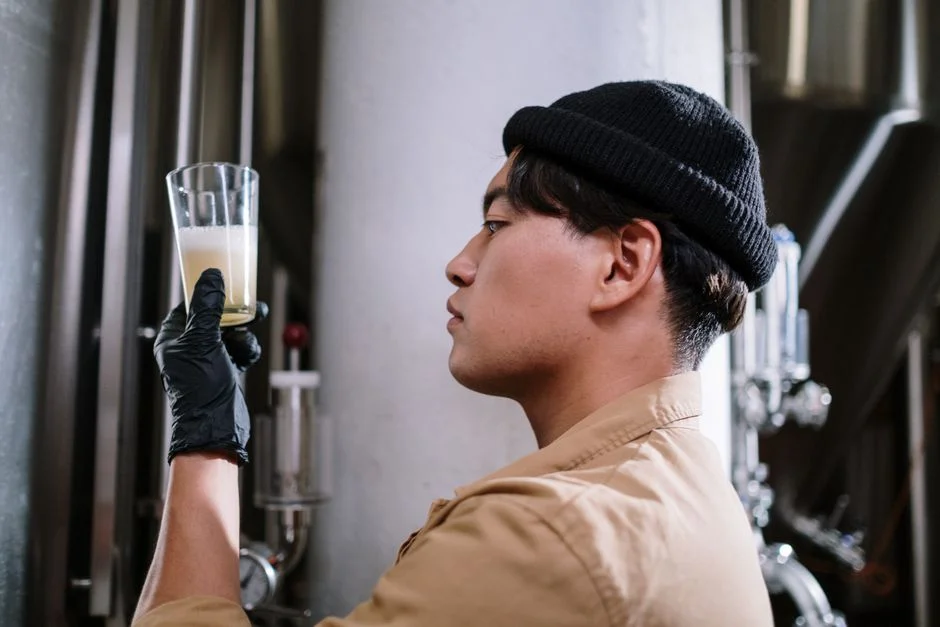
Run a 60–90 day on-site pilot with a 1–5 GPM bench DAF before any purchase order, especially for shops with mixed stamping and finishing streams where the coolant-to-drawing-compound ratio varies shift-to-shift. The jar-test program should vary coagulant (alum, PAC, ferric chloride) and flocculant (anionic, cationic) dose and measure TSS, oil & grease, and zinc removal on a daily composite — Spectrum's in-house jar-testing workflow is the template (Spectrum Water, 2025).
Vendor selection criteria for 2026:
- NSF/ANSI 350 or 40 listing where applicable
- 304L or 316L stainless as standard material of construction
- PLC with remote monitoring and trending
- Documented installed base in fabricated metals (stamping, machining, finishing)
- One-year parts-and-labor warranty — DAF Corp offers this on standard skids (2025)
For deeper context on the DAF vs sedimentation tradeoff, see HydropureWater's DAF vs sedimentation guide. For a parallel fabricated metals case study in a different regulatory market, see the sister fabricated metals guide for Birmingham — the chemistry is similar, the POTW overlay is the variable.
Frequently Asked Questions
What influent oil level should drive an Elkhart plant to choose DAF over a clarifier in 2026?
Specify DAF as the primary clarifier when oil-in-water influent exceeds 200 mg/L or the oil is emulsified — typical of stamping wash water and machining coolant streams in the Elkhart RV supply chain. A lamella alone removes less than 40% of emulsified oil and will not meet the 40 CFR Part 433 daily maximum of 52 mg/L oil & grease (per EPA 40 CFR Part 433).
How much does a packaged DAF cost for a 50 GPM Elkhart plant in 2026?
A 2026 packaged rectangular DAF skid at 50 GPM in 304L stainless with polymer blending typically runs $80,000–$180,000 CAPEX. The same duty in a lamella clarifier runs $40,000–$90,000, but added chemical and sludge-hauling OPEX narrows the gap within 14–22 months at $0.12/gallon Elkhart POTW surcharge (per HydropureWater field data, 2026).
Does a lamella clarifier ever make sense for an Elkhart fabricated metals plant?
Yes, as a pre-thickener ahead of a DAF. A small lamella ahead of a DAF cuts 30–50% of bulk TSS load on the DAF, extends run time between sludge cycles, and lowers polymer consumption. It is the standard 2026 hybrid configuration for 25–500 GPM Elkhart plants with mixed stamping and finishing wastewater.
Which 40 CFR Part 433 limits are hardest to meet with a clarifier alone?
Oil & grease at 52 mg/L daily maximum is the limiter — a lamella or API separator removes less than 40% of emulsified oil. Total chromium (2.69 mg/L), lead (0.69 mg/L), and zinc (2.61 mg/L) require a downstream chemical precipitation step regardless of the primary clarifier choice, per EPA 40 CFR Part 433 categorical standards.
How long does a DAF pilot test take before an Elkhart plant should commit to a purchase order?
Run a 1–5 GPM bench DAF pilot for 60–90 days with daily jar testing on coagulant and flocculant dose. This window covers shift-to-shift variation in coolant-to-drawing-compound ratios and is the standard vendor-neutral pre-purchase step for fabricated metals plants (Spectrum Water, 2025).