How Plants Remove Cyanide from Wastewater in 2026
Most industrial plants remove cyanide by matching chemistry to speciation. Alkaline chlorination destroys free and WAD cyanide at pH 9–11, while SAD complexes need precipitation, ion exchange, or reverse osmosis. U.S. surface-water permits commonly target about 0.005 ppm total cyanide as a monthly average, and dilution to meet that limit is prohibited.
U.S. facilities discharging cyanide to surface water are typically held to total cyanide monthly average effluent limits of approximately 0.005 ppm (samcotech.com). That number is the floor every treatment train has to hit. Indirect dischargers sending wastewater to a publicly owned treatment works (POTW) face categorical pretreatment standards under 40 CFR Part 403. Local POTW limits are often as tight as the direct-discharge numbers, sometimes stricter, because the receiving plant must also meet whole-effluent toxicity requirements. EPA's 2024–2026 effluent guideline revisions have continued tightening metals and cyanide limits across several industrial categories. That has left a number of older precipitation-only systems out of compliance even where they once passed. Engineers selecting a cyanide removal process in 2026 therefore start from a 0.005 ppm target and work backward into the chemistry. For context on metal-finishing plants near major U.S. chemical corridors, see this overview of how inorganic and organic chemicals plants near Baton Rouge meet 2026 discharge rules.
Cyanide Speciation: The Decision That Comes Before Any Process Is Selected
Free cyanide (HCN and CN⁻) is the most toxic form and the easiest to destroy. The carbon-nitrogen bond is exposed and reacts readily with oxidants (waterandwastewater.com; durpro.com). Weak-Acid-Dissociable (WAD) complexes of zinc, cadmium, copper, and nickel dissociate at moderate pH. They are the target window for alkaline chlorination, with most WAD species breaking down between pH 4 and 6 in a standard distillation test (samcotech.com). Strong-Acid-Dissociable (SAD) complexes of iron, cobalt, gold, and silver stay stable across normal operating pH and resist oxidation. Chlorination alone will not touch them, so precipitation, ion exchange, or reverse osmosis becomes the primary tool (samcotech.com). On-site speciation testing is the prerequisite for any sizing calculation. A WAD vs. SAD split by distillation and a free-cyanide ISE measurement tell an engineer which family of methods applies. A stream dominated by SAD species will not respond to chlorination and needs an entirely different train. That is why this step is non-negotiable before any equipment is specified.
| Species Class | Common Metal Partners | pH Stability Range | Difficulty to Destroy | Primary Treatment Family |
|---|---|---|---|---|
| Free cyanide (HCN, CN⁻) | None (standalone) | Volatilizes below pH 9 | Lowest | Alkaline chlorination, AOPs |
| WAD complexes | Zn, Cd, Cu, Ni | Dissociate at pH 4–6 | Moderate | Alkaline chlorination, H₂O₂, biological |
| SAD complexes | Fe, Co, Au, Ag | Stable to pH < 2 | High | Precipitation, ion exchange, RO |
Alkaline Chlorination: The Workhorse for Free and WAD Cyanide
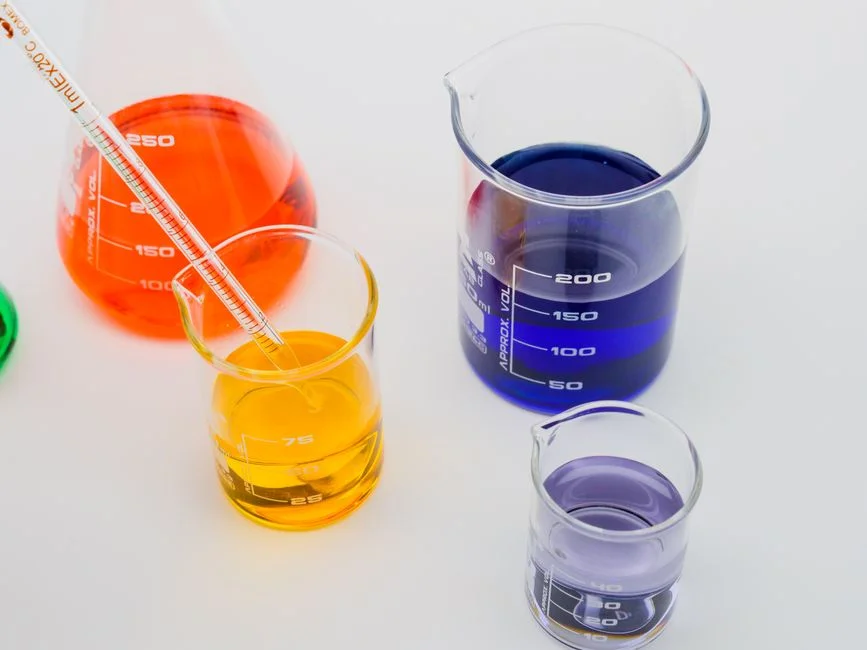
Alkaline chlorination destroys free and WAD cyanide in a two-step reaction. Raise pH to about 11 with NaOH or Ca(OH)₂, then dose Cl₂ gas or NaOCl to convert CN⁻ → CNCl → CNO⁻ → CO₂ + N₂ (waterandwastewater.com; durpro.com). The optimal pH band is 9 to 11. Below pH 9, HCN off-gassing becomes a real safety hazard; above pH 11, chlorine is wasted as hypochlorite without contributing to the oxidation (durpro.com). Most chemical oxidants require pH ≥ 12 to drive the reaction efficiently, but chlorine dioxide is effective down to pH 9. That helps when feedwater alkalinity is constrained and high-pH operation would create a separate disposal issue (samcotech.com). Typical stoichiometric chlorine demand runs roughly 2 to 3 mg Cl₂ per mg CN⁻ oxidized. An additional excess is required to drive the reaction to completion and leave a measurable residual (samcotech.com). A real-world data point: a steel plant in Ohio combined alkaline chlorination with biological polishing and dropped total cyanide from 50 mg/L to less than 0.1 mg/L (waterandwastewater.com). The critical caveat is that alkaline chlorination is largely ineffective against SAD species. Any stream with significant iron, cobalt, gold, or silver complexes needs a polishing or alternative step. Engineers running this chemistry at scale typically automate reagent feed with a PLC-controlled chemical dosing system for cyanide oxidation and pH adjustment to keep ORP and residual chlorine in band.
| Operating Parameter | Typical Range / Value | Source / Note |
|---|---|---|
| Target pH | 9–11 (optimum ~11) | durpro.com |
| Cl₂ dose (stoichiometric) | 2–3 mg Cl₂ per mg CN⁻ | samcotech.com |
| ClO₂ effective pH | Down to 9 | samcotech.com |
| Demonstrated removal (steel plant case) | 50 mg/L → < 0.1 mg/L with bio polish | waterandwastewater.com |
| Effective against SAD? | No — oxidation-resistant | samcotech.com; durpro.com |
Advanced Oxidation, Adsorption, and Ion Exchange for Tightening the Effluent
When alkaline chlorination gets the stream to 1–5 mg/L total cyanide but the discharge permit sits at 0.005 ppm, secondary and tertiary methods carry the load. Hydrogen peroxide at alkaline pH is the cleanest oxidant because it degrades to water and CO₂ with no chlorinated byproducts. It reacts more slowly than chlorine and still does not break SAD complexes (samcotech.com; waterandwastewater.com). UV/H₂O₂ and ozone-based advanced oxidation processes (AOPs) generate hydroxyl radicals strong enough to attack residual cyanate and trace CN. A 2020 study in Environmental Science: Water Research & Technology reported greater than 95% removal of trace organics with ozonation plus granular activated carbon. The same polishing logic applies to low-level cyanide (McGraw-Hill, 2020-01). Activated carbon adsorption in PAC, GAC, and ACF form is effective at trace cyanide when pH is near neutral. Carbon can be sourced from nutshells, coffee grounds, and olive pits as low-cost alternatives, though all media share a finite capacity that drives replacement frequency (samcotech.com). Ion exchange with strong-base anion or chelating resin suits large volumes at low CN with selective recovery of precious metals. OPEX is dominated by regenerant chemicals and resin life, both of which scale with influent concentration (samcotech.com). All four methods function as polishing or recovery steps after chlorination. None is a sensible standalone solution for a high-strength influent above a few hundred ppm. Plants that need a flexible oxidant across varying alkalinity regimes often deploy a chlorine dioxide generator at the polishing stage. For broader oxidant selection criteria, the chlorine dioxide generator buyer's guide covers sizing logic that carries over to metal-finishing duty.
| Method | Best Operating Window | Strength | Primary Limitation | Typical Role |
|---|---|---|---|---|
| H₂O₂ (alkaline) | pH 9–11, moderate CN | No chlorinated byproducts | Slow kinetics, no SAD | Polishing after chlorination |
| UV/H₂O₂ or O₃ AOP | Trace CN, neutral pH | > 95% removal of trace organics | Energy, ozone byproduct control | Tertiary polishing |
| Activated carbon (PAC/GAC/ACF) | Near-neutral pH, low CN | Effective at trace level | Media replacement, competition | Final polish |
| Ion exchange (SBA / chelating) | Low CN, large volume | Selective metal recovery | Regeneration OPEX, resin life | Recovery + polish |
What Cobalt Cyanide Treatment Methods Work in 2026?
Cobalt cyanide treatment methods in 2026 start from one fact: cobalt-cyanide complexes are SAD species. Alkaline chlorination alone will not destroy them at normal plant pH. Most plants we size for electroplating and refining duty treat cobalt cyanide with iron or copper precipitation first. They then polish residual free CN instead of pushing more oxidant into a bond that will not break. Ion exchange with chelating or strong-base resin recovers cobalt value when influent metal is worth reclaiming. Reverse osmosis concentrates the residual for a smaller precipitation reactor. On-site WAD vs. SAD distillation plus free-cyanide ISE testing remains the sizing gate before any reagent or membrane is ordered.
Biological treatment is the lowest-OPEX option for the long tail of a treatment train after free and WAD cyanide are already destroyed. Microorganisms including Pseudomonas, Bacillus, and Acinetobacter produce nitrilase and cyanase enzymes that convert cyanide into formate and ammonia. Those products are then nitrified in a conventional activated-sludge system (durpro.com; waterandwastewater.com). A Nevada gold mine demonstrated 95% cyanide reduction on real mine effluent using activated sludge. It remains the canonical case study for biological robustness at industrial scale (waterandwastewater.com). The trade-off is footprint, residence time, and sensitivity to pH and temperature swings. Biology alone will not eat a 500 mg/L spike, so it is almost always a polishing step rather than a primary destructor. Reverse osmosis is the membrane option of choice for free CN polishing and reuse. Free CN passes at very low transmission, the permeate is reusable, and the concentrate stream stays small and manageable (samcotech.com; durpro.com). SAD complexes may pass through RO at higher rates than free CN. Pretreatment to break or precipitate those species upstream of the membrane is standard practice. Chemical precipitation with FeSO₄, FeCl₃, or Ca(OH)₂ forms insoluble metal-cyanide solids and is the workhorse for SAD-rich streams where oxidation will not work. The resulting sludge is hazardous and must go to a permitted disposal facility (samcotech.com; durpro.com). Combined advanced systems can reach up to 99% cyanide removal. That is the upper bound plants should expect when they stack two or three of these methods (waterandwastewater.com). A practical configuration for biological polishing is an MBR system for biological cyanide polishing. Pair it with an industrial RO system for cyanide polishing and water reuse in water-scarce regions. Compact sites that need packaged biology after chlorination sometimes install an Underground Package Sewage Treatment Plant (WSZ Series) as the polishing basin when aboveground tankage is constrained.
Cyanide Treatment Process Comparison Matrix
The matrix below maps each method to the cyanide species it handles, the influent range it tolerates, and target pH. It also lists demonstrated removal, main byproduct, and the OPEX line that typically drives total cost. Use it as a procurement-ready reference and cross-check against your own speciation data before specifying equipment. RO and IX are flagged as metal-recovery friendly, which is why they dominate flowsheets at mining and precious-metal electroplating sites. Precipitation is flagged for hazardous sludge generation, which is the disposal-cost driver. Engineers evaluating adjacent metals should also review the chromium removal process guide and the nickel removal engineering guide. Cyanide-bearing streams often co-carry both metals.
| Method | Best for Cyanide Species | Influent CN Range | Target pH | Typical Removal | Main Byproduct | OPEX Driver |
|---|---|---|---|---|---|---|
| Alkaline chlorination | Free, WAD | 10–500+ mg/L | 9–11 | > 99% on free/WAD | Cyanate, residual chlorine | Cl₂ and NaOH consumption |
| H₂O₂ oxidation | Free, WAD | 1–50 mg/L | 9–11 | ~ 90–95% | Water, CO₂ | H₂O₂ dose, contact time |
| Biological (activated sludge / MBR) | Free, WAD (low-mod) | 1–20 mg/L | 6.5–8.5 | 95% (gold-mine case) | Formate, ammonia (nitrified) | Sludge handling, aeration energy |
| Activated carbon (PAC/GAC) | Trace free, WAD | < 1 mg/L | ~ 7 | > 90% at trace | Spent carbon | Media replacement, regeneration |
| Ion exchange | Free, selective recovery | < 10 mg/L (large vol) | 6–9 | Selective, metal-recovery friendly | Regenerant brine, spent resin | Resin life, regenerant chemicals |
| Reverse osmosis | Free CN; partial SAD | < 50 mg/L (with pre-T) | 5.5–7 | > 95% free CN | Concentrate (small volume) | Membrane replacement, energy |
| Chemical precipitation | SAD-dominant | Any | 9–11 | Lowers CN to permissible levels | Hazardous metal-cyanide sludge | Sludge disposal (hazardous waste) |
| Combined advanced train | Multi-species | Full range | Stepped | Up to 99% | Multiple, managed | Integrated chemical + sludge + energy |
Building a Working Treatment Train: How Real Plants Combine Methods
No single method is the answer when plants need to remove cyanide across mixed free, WAD, and SAD loads. The metal-finishing reference train is equalization → alkaline chlorination → pH neutralization → biological polishing → clarifier → discharge. That configuration took the Ohio steel plant from 50 mg/L to under 0.1 mg/L (waterandwastewater.com). Mining operations handling SAD-rich effluent typically run iron or copper precipitation first. They then push the supernatant through aerated biological basins and finish with RO when reuse is in scope (samcotech.com; waterandwastewater.com). Electroplating shops with precious-metal recovery put ion exchange upfront to capture silver and gold as a revenue stream. They then run chlorination on residual CN and carbon-polish the last traces (samcotech.com). Sequencing matters because chlorination byproducts must be quenched or aged out before biology. Residual chlorine and cyanate will kill the bugs and erase the polishing step if they arrive first. For solid-liquid separation in any of these trains, a high-efficiency sedimentation tank handles clarifier duty. A plate-and-frame filter press dewaters the sludge to a manageable cake for disposal. CAPEX generally tracks unit-operation count and tankage volume. OPEX tracks the reagent dosed in the largest mass per cubic meter treated, so chlorination plants carry high NaOH and Cl₂ costs, biological plants carry aeration energy, and precipitation plants carry sludge disposal.
Selection checklist before you freeze the P&ID. Measure free, WAD, and SAD cyanide on a representative composite. Confirm the permit limit and whether discharge is direct or to a POTW under 40 CFR Part 403. Decide whether precious-metal recovery pays for ion exchange upfront. Size chlorination only after SAD share is known. Plan chlorine quench before any biological step. Budget hazardous-sludge disposal if precipitation is required. Verify reuse quality if RO permeate returns to process water.
Who This Is For / Who Should Look Elsewhere / Next Step
This guide is for plant engineers, EPC contractors, and procurement managers who must pick a cyanide destruction or polishing train against a numeric permit. Look elsewhere if your stream is already below 0.005 ppm total cyanide with verified speciation. Also look elsewhere if you only need municipal domestic sewage without industrial CN. When you are ready to size dosing, biology, or RO for your cyanide load, request a cyanide treatment quote with flow, speciation, and permit limits. Compact polishing layouts can also use an Underground Package Sewage Treatment Plant (WSZ Series) after the destructor when footprint is tight.
Frequently Asked Questions
What is the EPA limit for cyanide in wastewater?
U.S. facilities discharging to surface water typically must meet a total cyanide monthly average of about 0.005 ppm. Indirect dischargers to a POTW must meet categorical pretreatment standards under 40 CFR Part 403, and local limits are often as strict as direct-discharge numbers (samcotech.com; EPA 40 CFR Part 403). Dilution to achieve compliance is prohibited, so treatment is mandatory whenever cyanide is present.
Can you remove cyanide with chlorine alone?
Yes for free and WAD cyanide, no for SAD complexes. Alkaline chlorination at pH 9 to 11 with 2 to 3 mg Cl₂ per mg CN⁻ destroys free and WAD species. An Ohio steel plant with biological polishing dropped total cyanide from 50 mg/L to under 0.1 mg/L (waterandwastewater.com; durpro.com). SAD iron, cobalt, gold, and silver cyanides need precipitation, ion exchange, or reverse osmosis instead.
What is the difference between WAD and SAD cyanide?
WAD complexes of zinc, cadmium, copper, and nickel break apart at pH 4 to 6, exposing free cyanide for oxidant attack. SAD complexes of iron, cobalt, gold, and silver stay stable across normal operating pH and only dissociate under strong acid, so they resist alkaline chlorination and need another treatment family (samcotech.com). On-site distillation and electrode testing determine the WAD vs. SAD split.
Is biological cyanide treatment viable at full scale?
Yes for low and moderate influent strength, and it is the lowest-OPEX polishing step available. Pseudomonas, Bacillus, and Acinetobacter produce nitrilase and cyanase enzymes that convert cyanide to formate and ammonia (durpro.com; waterandwastewater.com). A Nevada gold mine achieved 95% cyanide reduction on real mine effluent with activated sludge, and the same biology is now packaged in MBR units for tighter effluent.
Which method is most cost-effective for a small electroplating shop?
Alkaline chlorination at pH 9 to 11 is the baseline for free and WAD cyanide, with carbon polishing for the last trace. Shops with silver or gold in drag-out put ion exchange ahead of chlorination to recover metal value and cut oxidant demand. A PLC-controlled chemical dosing system for cyanide oxidation and pH adjustment is the usual automation package, sized to daily flow and CN loading.