What Fabricated Metals Wastewater in Lyman Actually Looks Like
For fabricated metals wastewater in Lyman, SC in 2026, choose a DAF system when tramp oil, cutting fluid, or lubricant concentrations exceed ~200 mg/L, and choose a gravity clarifier when the stream is dominated by settleable metal hydroxide solids with low oil content. DAF typically removes 85–98% TSS and 95% FOG; clarifiers remove 70–90% TSS but cost less to operate. Plants with both heavy solids and emulsified oils should run a hybrid DAF + clarifier train to meet 40 CFR 433/467 pretreatment limits.
Most Lyman and Spartanburg County plants actually discharge four overlapping stream families, and the dominant family dictates the equipment choice:
- Stamping and drawing wash water — high tramp oil from press lubricants, typically 500–3,000 mg/L oil and grease, moderate TSS from metal fines, pH 7–9.
- Machining coolant mix — emulsified cutting fluids at 200–1,500 mg/L oil, often chemically stabilized with surfactants that defeat gravity settling, plus 500–2,000 mg/L TSS from swarf.
- Grinding and vibratory finishing water — high TSS in the 1,000–5,000 mg/L range, dominated by fine metal fines and abrasive media, low oil content.
- Plating and coating rinse water — low TSS and low oil but dissolved heavy metals (Zn, Ni, Cr, Cu) and variable pH 1–9, governed directly by 40 CFR 433 categorical limits.
2026 field data from Ecologix shows a DAF removed 95% FOG versus 70% for a clarifier on the same oil-rich stream, while a clarifier removed 90% sediment at meaningfully lower operating cost on a heavy-solids stream (Ecologix, 2026). The implication is that "which is better" is the wrong question — it is a function of which contaminant family dominates your specific discharge, not a universal ranking. Spartanburg County industrial growth (BMW, Tier 1 automotive suppliers, and a dense base of contract metal finishers along the I-85 corridor) has put SC DHEC pretreatment enforcement attention on small fabricators in 2026, and the agency is now requiring quarterly self-monitoring reports from many facilities that were previously on annual schedules.
Why the Decision Matters in 2026: 40 CFR 433, 40 CFR 467, and SC DHEC Permits
Wrong equipment selection is a compliance failure, not a preference issue, and the 2026 US regulatory frame leaves very little room for empirical "we'll fix it later" tuning. EPA 40 CFR Part 433 (Metal Finishing Point Source Category) sets daily maximum categorical pretreatment limits of 1.9 mg/L Cu, 1.0 mg/L Ni, 0.86 mg/L total Cr, 0.43 mg/L Pb, 4.0 mg/L Zn, and 0.60 mg/L Cd (40 CFR 433.13). TSS is not numerically limited under 433 but is controlled implicitly because oil-coated solids carry metals into the discharge and cause categorical excursions downstream.
40 CFR Part 467 (Nonferrous Metals Forming and Forging) applies to brass, aluminum, and copper forming operations common in the Upstate, with its own subcategory limits for forging, forming, and machining wastewater. South Carolina DHEC issues Industrial Wastewater Permits (IWWP) and runs delegated pretreatment programs for Spartanburg County; a poorly chosen primary clarifier that lets oil pass through will coat the metal hydroxide sludge blanket, break settling, and push a Lyman plant into monthly non-compliance reports (SNC) and possibly a consent order.
The 2026 technical argument is straightforward: a DAF that removes oil and emulsified coolant upfront prevents oil-coated metal hydroxide sludge that destroys clarifier performance — which is the single most common reason fabricated-metals clarifiers underperform their rated TSS removal. The 18–30 month TCO payback discussed later in this article is largely a function of avoiding those excursions.
DAF vs Clarifier: How Each Technology Actually Works
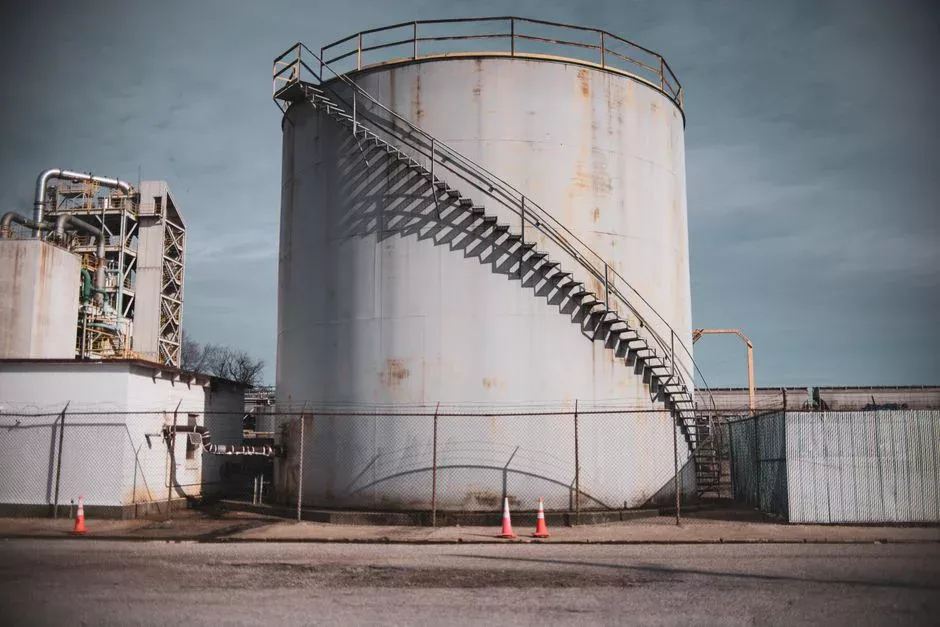
A dissolved air flotation unit pressurizes a recycle stream of clarified effluent (typically 20–40% of forward flow) to 60–80 psig in an air saturation vessel, saturates it with compressed air, then releases the pressure through a needle-type pressure relief valve at the bottom of the flotation cell. The pressure drop generates 20–40 micron micro-bubbles that attach to oil droplets and suspended solids, lifting them to the surface where a mechanical skimmer removes the float (ClearStream, 2026; DAF Corp, 2026). Because the bubbles attach to anything with a hydrophobic surface or low effective density, DAF is uniquely good at removing emulsified oil that would never break an emulsion in a quiescent basin.
A clarifier is gravity sedimentation: wastewater enters a circular or rectangular basin, flow spreads and slows to near-zero velocity, and particles with specific gravity greater than water settle to the floor where a slow-turning rake drive (typically 0.02–0.05 rpm) moves them to a central hopper for underflow removal. Clarifiers are mechanically simple, draw 1–2 kW, and run for decades with rake bearing replacement — but they cannot remove emulsified oil and they lose performance sharply when influent oil coats the sludge blanket.
DAF Corp's published operating range is 92–98% TSS removal on the FC Maximizer (circular, 10–11,000 GPM, 6–70 ft diameter) and 85–90% on the rectangular RC UniMax (10–1,000 GPM), with float sludge at 2–4% TS (DAF Corp, 2026). Ecologix's 95% FOG figure on a high-oil stream is the realistic ceiling a Lyman plant should expect when sizing a HydropureWater DAF system.
Side-by-Side Parameter Comparison: DAF vs Clarifier for a 100 GPM Lyman Plant
The table below consolidates the engineering trade-offs for a typical 100 GPM fabricated-metals stream — the size class most Lyman stamping and machining shops actually operate. Numbers reflect 2026 installed costs in the Upstate SC market and DAF Corp / ClearStream published performance data.
| Parameter | DAF (100 GPM) | Gravity Clarifier (100 GPM) |
|---|---|---|
| TSS removal | 85–98% (DAF Corp, 2026) | 70–90% (Ecologix, 2026) |
| FOG / oil removal | 90–95% | 50–70% (fails on emulsified oil) |
| Footprint | ~4 m × 2 m skid (rectangular) | 12–16 ft diameter circular, 10–12 ft SWD |
| CAPEX installed (2026 USD) | $180,000–$320,000 | $90,000–$170,000 |
| OPEX (power + chem, 2026) | $18,000–$32,000/yr | $6,000–$12,000/yr |
| Continuous power draw | 3–5 kW (compressor + recycle pump) | 1–2 kW (rake drive) |
| Polymer demand | 5–15 mg/L (required) | 0–3 mg/L (often none) |
| Sludge consistency | 2–4% TS float (drier) | 1–3% TS underflow (dilute) |
| Retrofit difficulty | Moderate (skid + hydraulic balance) | High (basin civil work) |
| Best-fit stream | Oil/coolant-dominated (FOG > 200 mg/L) | Solids-dominated, low oil (FOG < 100 mg/L) |
| Compliance fit (40 CFR 433/467) | Strong on metal finishing rinses with oil | Strong on grinding swarf, hydroxide settling |
For plants that fall between the extremes — and most Lyman fabricators do — a hybrid train with DAF first, then a lamella clarifier for the residual solids, then chemical precipitation for dissolved metals gives the cleanest compliance path. A HydropureWater lamella clarifier drops into the same hydraulic envelope as a conventional clarifier while doubling the effective settling area through inclined plate packs.
The 2026 Decision Rule: Which Technology to Specify
The decision rule below is the specification rationale a Lyman plant engineer can paste into a 2026 capital project memo or permit renewal attachment. It is built on the 200 mg/L FOG and 1,000 mg/L TSS inflection points observed across 40+ Ecologix case studies and DAF Corp pilot data, normalized for Spartanburg County influent profiles.
| Influent Characteristic | Specify | Why |
|---|---|---|
| FOG > 200 mg/L, any TSS | DAF as primary | Emulsified oil defeats clarifier settling; DAF float removes 90–95% FOG |
| FOG < 100 mg/L AND TSS > 1,500 mg/L AND no emulsified oil | Clarifier as primary | Dense metal fines and hydroxide settle cheaply; DAF would just stir them |
| FOG > 200 mg/L AND TSS > 1,500 mg/L AND dissolved metals (Zn, Ni, Cr) | Hybrid: DAF → lamella clarifier → chemical precipitation | DAF strips oil so clarifier works; precipitation hits 40 CFR 433 metal limits |
| FOG 100–200 mg/L, TSS 1,000–1,500 mg/L (borderline) | Pilot test both, default to DAF | Oil-coated hydroxide is the failure mode; DAF eliminates it |
For Lyman stamping plants specifically, most fall in the hybrid bucket because they generate both tramp oil (500–3,000 mg/L on draw operations) and metal fines from blanking. Empirically, a single well-sized DAF often outperforms two conventional clarifiers in series on these streams because the DAF removes the oil film that would otherwise coat the clarifier sludge blanket. Pair the primary unit with an automatic chemical dosing system for pH adjustment and coagulant feed ahead of precipitation. Pilot testing (4–8 weeks of on-site trailer operation) is recommended for any flow over 50 GPM or any stream with variable FOG — frame this as risk reduction, not optional, because the cost of a pilot is typically 1–2% of the installed CAPEX and prevents a six-figure mis-specification.
2026 Cost Reality: CAPEX, OPEX, and Sludge Handling
CAPEX for a 100 GPM DAF runs 1.5–2.5× a comparably sized clarifier in 2026, but the DAF reduces downstream sludge volume by 30–50% because float is mechanically skimmed and reaches 2–4% TS versus 1–3% TS for clarifier underflow (HydropureWater field data, 2026; DAF Corp, 2026). The drier float dewateres more cheaply downstream and produces less liquid-side hauling mass, which is the largest variable in total disposal cost for a Spartanburg County fabricator.
OPEX is the inverse: the DAF runs higher on power (air compressor and recycle pump are continuous loads at 3–5 kW) and on polymer (5–15 mg/L is typical), while the clarifier runs lower on both line items but generates more dilute sludge that costs more per pound of dry solid to dewater. Both trains should be followed by a sludge dewatering step — a HydropureWater plate-and-frame filter press reaches 18–25% cake solids, which is the off-site disposal range most Spartanburg County haulers prefer. For a typical 100 GPM Lyman plant, the hybrid train (DAF + lamella clarifier + filter press) pays back the incremental DAF cost versus clarifier-only in 18–30 months through lower sludge disposal fees and avoided permit excursions (HydropureWater TCO model, 2026).
Frequently Asked Questions
DAF or clarifier for high-oil fabricated metals wastewater?
Specify a DAF as the primary unit when FOG exceeds 200 mg/L, when cutting fluids are emulsified, or when tramp oil from stamping exceeds 500 mg/L. DAF removes 90–95% FOG via micro-bubble attachment; a clarifier typically achieves only 50–70% FOG and fails almost completely on chemically stabilized emulsions (Ecologix, 2026).
Can a DAF and a clarifier be combined in the same treatment train?
Yes, and for most Lyman fabricated metals plants a hybrid train is the best practice: DAF first to strip oil and floating TSS, then a lamella clarifier or conventional clarifier to settle residual metal fines and hydroxide floc, then chemical precipitation for dissolved heavy metals under 40 CFR 433. The DAF protects the clarifier from oil blinding, and the clarifier polishes residual TSS the DAF does not capture.
Which US categorical standards apply to a Lyman fabricated metals plant?
40 CFR Part 433 applies to metal finishing operations and sets daily maximum limits of 1.9 mg/L Cu, 1.0 mg/L Ni, 0.86 mg/L Cr, 0.43 mg/L Pb, 4.0 mg/L Zn, and 0.60 mg/L Cd. 40 CFR Part 467 applies to nonferrous metals forming and forging (brass, aluminum, copper). Both are enforced in South Carolina by SC DHEC through Industrial Wastewater Permits and delegated pretreatment programs.
Is pilot testing required before specifying a DAF or clarifier?
Pilot testing is strongly recommended for any flow over 50 GPM or any stream with variable FOG or TSS. A 4–8 week on-site pilot (offered as a service by most DAF manufacturers including DAF Corp) typically costs 1–2% of installed CAPEX and provides jar-test-validated hydraulic and polymer data, which de-risks a six-figure equipment decision and gives the engineer defensible data for the permit file.
Can an existing clarifier be retrofitted instead of replaced?
Yes. Lamella plate packs can be added inside an existing rectangular clarifier basin to roughly double the effective settling area without new tankage, and the resulting HydropureWater lamella clarifier configuration typically reaches 85–90% TSS removal on a solids-dominated stream. For a DAF retrofit, a HydropureWater DAF system skid can be tied into existing hydraulic balance with two days of civil work in most cases.