2026 Buenos Aires Regulatory Baseline: What ACUMAR and ADA Actually Enforce
Compliance with Decree 999/92 is the primary operational constraint for industrial facilities discharging into the Riachuelo System in 2026. The Autoridad de Cuenca Matanza Riachuelo (ACUMAR) and the Provincial Water Authority (ADA) enforce a rigorous pretreatment standard: COD must be reduced by ≥90% to a maximum concentration of 250 mg/L, and TSS must be kept below 50 mg/L (source: Hydropurewater 2026). The 2024 imposition of a $500,000 fine on a La Boca textile facility for chromium exceedances serves as the current enforcement benchmark for industrial operators (source: Hydropurewater 2026). Facilities are subject to unannounced "spot-check" audits, where inspectors utilize real-time portable sensors to verify influent and effluent quality against submitted environmental impact reports.
The Riachuelo System’s Lot 2 pretreatment facility at Dock Sud processes 27 m³/s of effluent, utilizing a sequence of grates, sieves, and 32 aerated channels with microbubble flotation to remove grit, oil, and grease (source: Webuild Group 2025). Industrial plants are mandated to mirror this pretreatment train at the source to prevent collector fouling. All sludge generated must be managed under the Law 24,051 manifest system, with disposal costs escalating at 15% annually (source: Hydropurewater 2026). Operators should maintain a digital backup of all manifests for at least five years, as ACUMAR has begun cross-referencing mass-balance data (water intake vs. waste output) to detect illegal dumping or bypass operations. Failure to produce consistent records often leads to immediate suspension of discharge permits.
Sector-Specific Influent Profiles and Recommended Treatment Trains
Effective pretreatment requires mapping the specific pollutant load of the five major industrial sectors in Buenos Aires to the appropriate removal technology. Food processing and dairy operations typically handle high BOD (2,000–5,000 mg/L) and FOG (500–2,000 mg/L), necessitating a DAF for FOG and heavy metal removal followed by an integrated MBR system for high-BOD effluent compliance. Tannery clusters, particularly in the Lanús Industrial Park, face extreme concentrations of chromium (50–200 mg/L) and sulfides, requiring PLC-controlled dosing for precise chromium and arsenic precipitation followed by DAF for solids separation. In the petrochemical sector, the challenge shifts toward phenolic compounds, which require specialized biological acclimation periods in the MBR stages to prevent membrane poisoning. Textile plants struggle with high salinity and recalcitrant dyes, often necessitating a tertiary treatment step—such as advanced oxidation—before final discharge to meet the strict transparency and color standards monitored by local environmental agencies.
| Industrial Sector | Primary Pollutants | Recommended Train |
|---|---|---|
| Food / Dairy / Slaughterhouse | BOD, FOG, TSS | DAF → MBR |
| Petrochemical / Refinery | Phenols, Sulfides, FOG | DAF → Chemical Precipitation |
| Tannery | Cr, As, Sulfides, TSS | Chemical Precipitation → DAF → MBR |
| Textile / Metalworking | Heavy Metals, Dyes, Salts | Chemical Precipitation → DAF → RO |
| General Manufacturing | Oils, Metals, COD | DAF → Chemical Precipitation |
Technology Deep-Dive: Design Parameters, Footprint, and Operational Reality
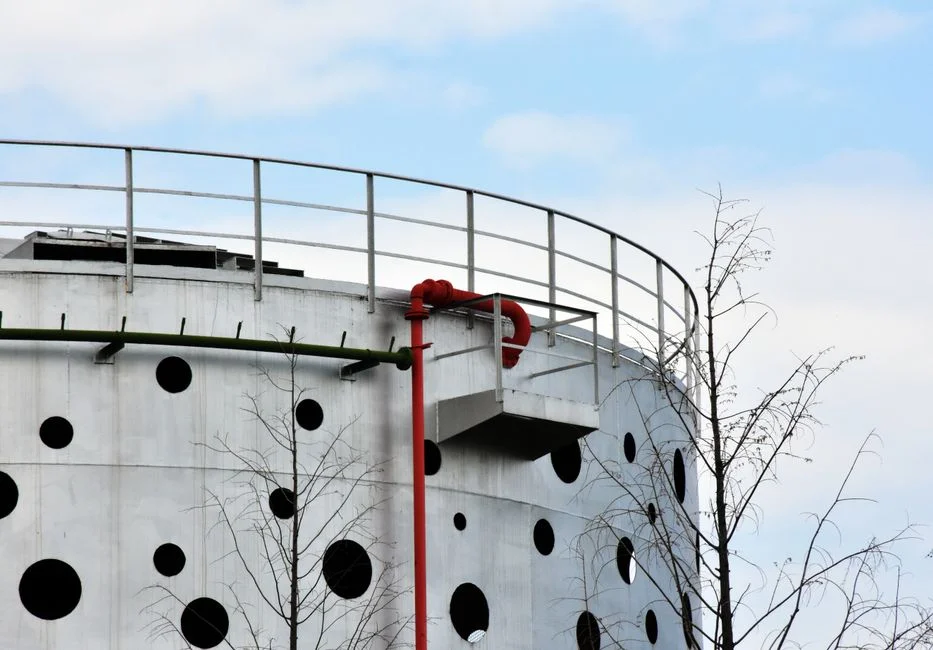
Equipment sizing must account for the specific hydraulic and biological loads inherent to Argentine industrial discharge. DAF systems operate at 4–6 bar pressure with a 10–20% recycle ratio, providing a 2–4 hour HRT for effective FOG and TSS removal (source: Hydropurewater 2026). For MBR units, maintaining a Mixed Liquor Suspended Solids (MLSS) concentration of 3–5 g/L is critical, achieved by an SRT of 15–30 days and membrane scouring at 0.2–0.4 m³/m²·h (source: Hydropurewater 2026). Engineers must account for seasonal variability; during summer months, the metabolic rate of bacteria in aerobic tanks increases, potentially causing sludge bulking if the aeration system is not dynamically tuned by the PLC. Modern facilities are increasingly adopting VFDs (Variable Frequency Drives) on all pumps and blowers to adjust for these fluctuations, saving up to 20% on electricity costs during off-peak processing hours.
| Parameter | DAF | MBR (DF Series) | Chemical Precipitation |
|---|---|---|---|
| HRT (hrs) | 2–4 | 6–12 | 1–2 |
| Energy (kWh/m³) | 0.5–1.2 | 0.8–1.5 | 0.2–0.4 |
| Removal Efficiency | 92–97% TSS | BOD ≤10 mg/L | 99.9% Metals |
Sludge management is the most significant long-term OPEX driver, requiring efficient dewatering to offset rising disposal fees. All pretreatment trains must utilize a filter press for Law 24,051 compliant sludge dewatering to minimize volume. DAF float typically reaches 3–6% solids, while precipitation sludge ranges from 2–5% solids, requiring robust dewatering to mitigate the 15% annual increase in disposal costs. Predictive maintenance on filter press plates and hydraulic rams is recommended, as downtime in this unit can lead to an immediate bottleneck in the entire plant, potentially forcing a production stop if holding tanks reach capacity.
CapEx/OPEX Decision Matrix: 2026 Argentine Cost Reality
Procurement decisions should reflect the total cost of ownership, where energy accounts for 40% of OPEX and chemical reagents another 30% (source: Hydropurewater 2026). While MBR systems carry a higher CapEx ($1.8M–$12M) compared to DAF ($1.2M–$8M), the 60–70% reduction in waste sludge volume provides an ROI advantage of 18–24 months for high-BOD streams. Chemical precipitation remains the lowest CapEx option ($0.9M–$6M) but carries the highest sensitivity to reagent price volatility, particularly with imported coagulants. Facility managers must weigh "hidden" expenses, such as the labor required for manual cleaning of basins, which can be reduced by choosing automated scraping systems. In the current economic climate, financing options that bundle equipment cost with long-term maintenance contracts are the industry standard for budget predictability.
| Technology | CapEx (50–500 m³/h) | Primary Cost Driver |
|---|---|---|
| DAF | $1.2M–$8M | Energy/Sludge Disposal |
| MBR | $1.8M–$12M | Membrane Replacement/Aeration |
| Chemical Precipitation | $0.9M–$6M | Chemical Reagents |
4-Step Implementation Roadmap: From Pilot to Permitted Operation
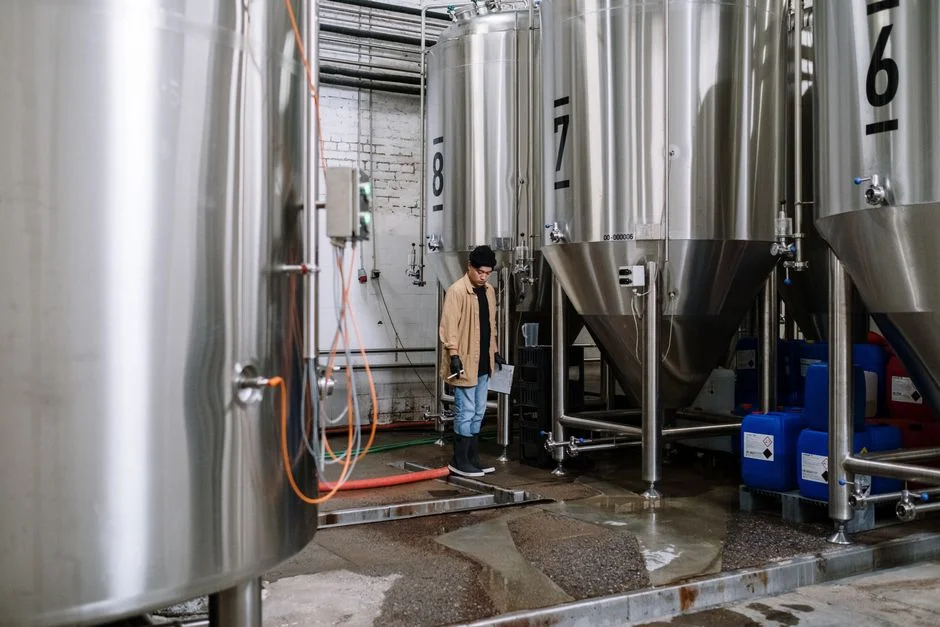
Implementation begins with an 8–12 week influent characterization and pilot study to define pollutant loads against Decree 999/92 limits. Following the pilot, a 12–16 week permit amendment period with ADA is required, during which the facility must coordinate ACUMAR-mandated telemetry for flow and pH. Construction typically spans 20–30 weeks, prioritizing the PLC automation for compliance monitoring and dosing control. Ongoing optimization focuses on reducing sludge volume and automating chemical dosing to stabilize OPEX. A successful transition requires training staff to interpret telemetry data; operators should be capable of conducting daily jar tests to confirm that automated dosing systems respond correctly to real-time changes in influent chemistry. Regular system "tuning" sessions, conducted quarterly, ensure the plant operates at maximum efficiency, avoiding the waste of reagents and minimizing the risk of a regulatory exceedance during peak production cycles.
Frequently Asked Questions
What are the exact 2026 discharge limits for COD and TSS in Buenos Aires?
According to Decree 999/92, industrial facilities must achieve a COD concentration of ≤250 mg/L (with a minimum 90% removal efficiency) and TSS levels ≤50 mg/L before discharging into the municipal sewer or the Riachuelo collector. These limits are mandatory, and facilities must provide quarterly performance reports to ACUMAR.
Which technology is best for tannery wastewater with chromium in Lanús?
Chemical precipitation using ferric chloride (1.5–2.5 mg/L) and sodium sulfide (0.8–1.2 mg/L) at a controlled pH is the industry standard for achieving 99.9% removal of chromium and arsenic, typically followed by DAF to remove remaining suspended solids. For plants with limited space, a combined compact precipitation-DAF unit is the preferred solution to minimize the footprint while maximizing throughput.
What sludge disposal documentation does Law 24,051 require?
Law 24,051 mandates a manifest system that tracks waste from the generator to the transporter and the licensed disposal facility. Every shipment must be documented with the waste classification, quantity, and destination to prevent non-compliance. Digital manifests are becoming the standard, allowing for faster processing and easier retrieval during official audits by environmental inspectors.