Why Fabricated Metals Wastewater Trips Up a Plain Clarifier
A fabricated metals plant in Murfreesboro that runs stamping, welding, machining, and passivation is not generating a municipal stream — it is generating a four-phase soup of free oil, emulsified oil, suspended metal fines, and dissolved metals (Fe, Zn, Cr, Ni, Cu, Cd, Pb). Each phase needs a different removal mechanism, and a conventional gravity clarifier is fundamentally tuned to the wrong one. The EPA Process Design Manual for Suspended Solids Removal (1975, EPA 625/1-75-003a) explicitly classifies free oil, emulsified oil, and chemical floc outside the "settleable" fraction a clarifier is designed for (Chapter 7.1, "Introduction"). Free oil floats because its specific gravity is 0.85–0.92, so it never traverses the settling column. Emulsified oil is stabilized by surfactant at droplet sizes of 1–20 µm, and the same manual notes these droplets behave as colloids, not as settleable particles (Chapter 1.2, "Wastewater Solids"). On top of that, hydroxide floc from chromium reduction and nickel precipitation at pH 9–10 is gelatinous and holds 10–20× its dry weight in water.
Two concrete data points anchor what "high solids" means for a fab shop: the HydropureWater DAF application list explicitly includes metalworking and metal-processing, and the DAF Corporation FC-150 Maximizer is specified to handle 500 gpm at 2,000 ppm suspended solids loading (dafcorp.com, 2026). A conventional clarifier sized for the same hydraulic load will either send oil out the overflow weir or bury its sludge-handling hardware under metal-rich, low-density floc that never compacts below 0.5% solids.
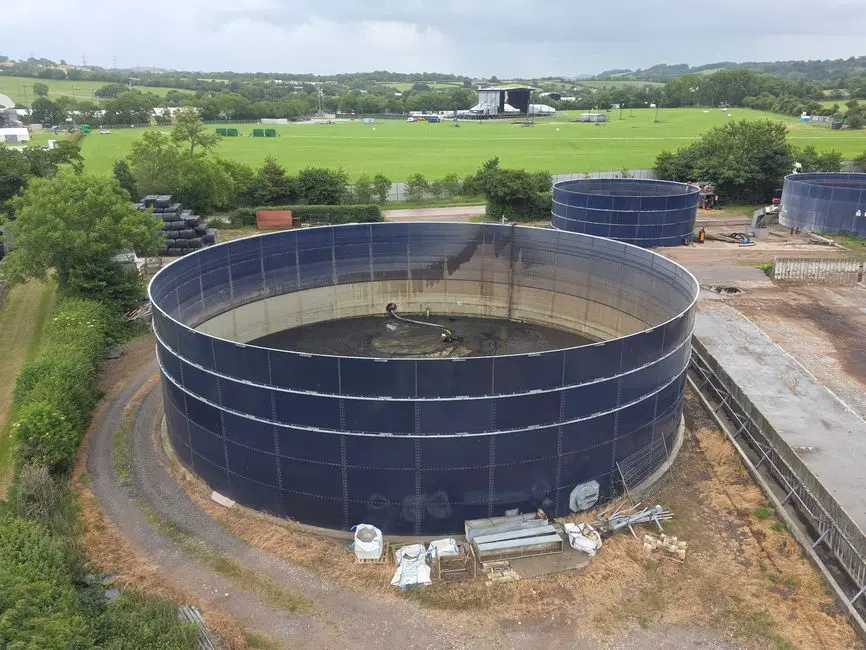
DAF vs Clarifier: How Each Technology Actually Works
A conventional clarifier relies on gravity. Oil is skimmed from the surface because it floats; settleable solids drop to the floor where a rake sweeps them to a center sump. Performance is dominated by overflow rate (typically 0.5–1.5 gpm/ft² for primary clarifiers per EPA manual Table 7-2), detention time (2–4 hours), and floc strength — and the floc in a metal-fab stream is weak because of hydroxide chemistry.
A Dissolved Air Flotation (DAF) unit does the opposite: it floats the solids. A side stream (20–30% of the total flow) is saturated with air at 60–80 psi, then released through a needle valve or nozzle, generating 30–50 µm microbubbles (per SigmaDAF USA spec sheet, 2026). These bubbles attach to chemically conditioned floc and lift it to the surface within 3–5 minutes, where a paddle skimmer removes the float. The physics of attachment is why DAF handles emulsified oil that a clarifier cannot touch: a 30–50 µm bubble is the same order of magnitude as the floc particle and the oil droplet, so collision efficiency is high.
A lamella clarifier is a gravity settler that uses inclined plates to shorten the effective settling distance. Surface loading climbs to 20–40 m/h (per HydropureWater lamella clarifier spec), but the oil-removal mechanism is unchanged: droplets must still rise by buoyancy. Lamella works for rinse water with low oil; it does not solve a free-oil or emulsified-oil problem. The practical consequence is that DAF couples three jobs — oil removal, TSS removal, and float-sludge thickening to 2–4% solids — into a single vessel. A clarifier only does one of those well, and produces wet, gelatinous underflow on a metal-fab stream (HydropureWater field data, 2026).
Side-by-Side Comparison: DAF vs Lamella Clarifier for Metal Fab
| Parameter | DAF (FC Maximizer / HydropureWater) | Lamella Clarifier |
|---|---|---|
| TSS removal | 85–98% (DAF Corp spec, 2026) | 60–80% on a metal-fab stream |
| FOG / free & emulsified oil removal | 90–95% | 50–70% |
| Footprint per 100 gpm | ~25–40 m² (skid DAF) | ~50–80 m² incl. oil skimmer |
| Chemical demand | Polymer only, 1–5 mg/L | Coagulant + polymer typical |
| Flow sensitivity (1.5–2× peak) | Tolerates; minor TSS slip | Tube/lamella can re-suspend floc and wash out |
| Sludge consistency | 2–4% float (DAF Corp, 2026) | <1% gelatinous underflow |
| CAPEX band (304SS, 20–100 gpm) | $80,000–$250,000 installed | $40,000–$120,000 installed + upstream oil removal |
| OPEX band | Polymer + air; modest sludge hauling | Sludge hauling dominates (wetter cake) |
Two numbers from the table deserve emphasis. First, DAF float at 2–4% solids is a real dewatering advantage over clarifier underflow at <1% — that 3–4× reduction in hauled water volume is a recurring OPEX line item. Second, the lamella clarifier's headline CAPEX advantage closes quickly once an upstream oil-removal device (CPI, skimmer, or a small DAF) is added, because a clarifier alone will not pass a free-oil fab stream to the local POTW.
Matching Technology to Your Wastewater: 2026 Decision Framework
The four rules below translate the parameter table into a procurement decision you can apply in under a minute.
- Free or emulsified oil >50 mg/L — DAF first, no exceptions. Gravity separation cannot meet the typical 100 mg/L O&G daily max at the local POTW.
- Alkaline rinse water after oil has been skimmed in a parts washer — a lamella clarifier is acceptable and cheaper. A high-efficiency lamella clarifier handles the residual TSS and metal fines without the compressed-air utility of a DAF.
- Chromium reduction, nickel precipitation, or cyanide destruction present — put DAF AFTER chemical precipitation. The metal-rich sludge reports as float at 2–4% solids, not as gelatinous clarifier underflow, and an automatic chemical dosing system holds pH in the 9–10 window for hydroxide formation.
- Flow <20 gpm — skid DAF (SigmaDAF COMPACT, DAF Corp FC-60 pilot at 48 gpm). Flow 100–500 gpm — rectangular DAF (DAF Corp RC UniMax) is more space-efficient than a circular unit on a retrofit floor.
| Shop Profile (Murfreesboro fab) | Recommended Train |
|---|---|
| Stamping + welding only, no plating | Equalization → DAF → pH neutralization → POTW |
| Stamping + welding + light plating (Zn, Ni) | Equalization → DAF → pH 9–10 precipitation → lamella polish → pH neutralization → POTW |
| Hard chrome / decorative chrome | Equalization → Cr(VI) reduction at pH <3 → pH 9 precipitation → DAF → lamella polish → pH neutralization → POTW |
| Rinse water only, oil pre-removed in parts washer | Equalization → lamella clarifier → pH neutralization → POTW |
For the typical Murfreesboro fab shop — stamping plus welding plus a small plating line — the train reads: equalization → dissolved air flotation → chemical precipitation at pH 9–10 → small lamella polisher → pH neutralization → discharge. The DAF is the workhorse for oil and bulk TSS; the lamella polisher picks up the metal-hydroxide carryover that a single-stage DAF can miss when surfactant in the emulsion interferes with floc.
Murfreesboro, TN: 2026 Regulatory Reality Check
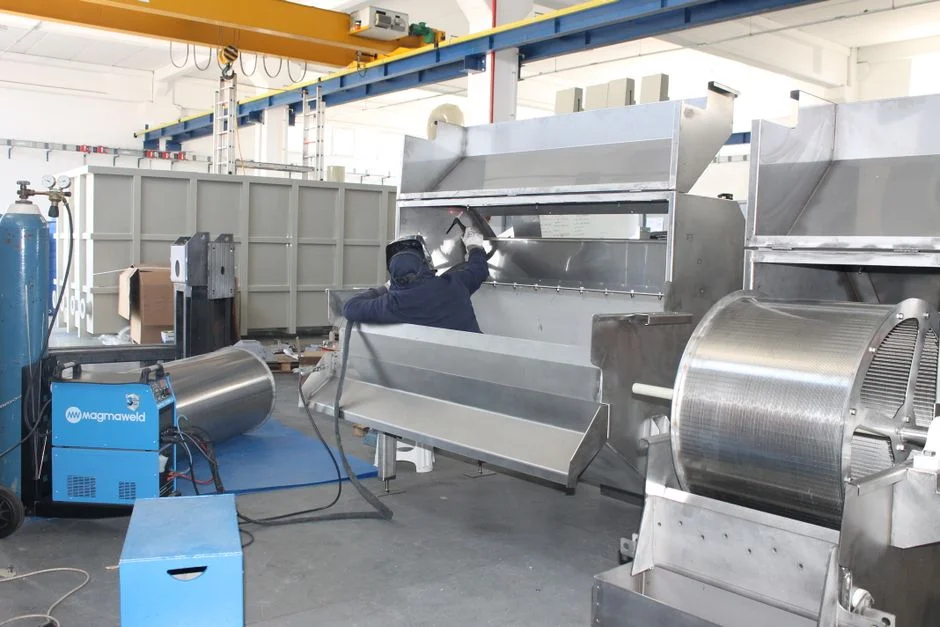
Discharges to the sanitary sewer in Murfreesboro are governed by the City of Murfreesboro Sewer Use Ordinance and enforced by Murfreesboro Water & Sewer Department (MWSD) through an industrial wastewater discharge permit. The local limits that drive equipment selection are typically: oil & grease 100 mg/L daily max, total chromium 5 mg/L, hexavalent chromium 0.5 mg/L, lead 1 mg/L, cadmium 0.5 mg/L, nickel 5 mg/L, copper 5 mg/L, zinc 5 mg/L, and TSS 250 mg/L daily max (per Tennessee industrial pretreatment program, 2026 — confirm current values with MWSD before procurement). The Tennessee Department of Environment and Conservation (TDEC) oversees surface discharges; most fab shops are zero-discharge to surface water and send treated effluent to the POTW, so the Sewer Use Ordinance is the binding document.
Upstream of the local ordinance, the federal categorical standard at 40 CFR Part 433 (Metal Finishing) sets one-day maximum and monthly average limits for toxic metals, and these are typically enforced through the local pretreatment program. A defensible design sizes the DAF for peak flow at the 433 categorical limits, not only at the local POTW limits, because MWSD can — and does — apply the more stringent of the two during a slug-load event. A single DAF after chemical precipitation is sufficient to meet 100 mg/L O&G and 250 mg/L TSS for a typical fab stream; a clarifier alone is not.
2026 CAPEX, Footprint, and OPEX: What a Murfreesboro Shop Should Budget
| Equipment Option (50 gpm design, 304SS) | CAPEX Installed | Footprint | Annual OPEX (2026 estimate) |
|---|---|---|---|
| Packaged skid DAF (SigmaDAF COMPACT / DAF Corp FC-60 class) | $80,000–$180,000 | ~25–35 m² | $18,000–$30,000 (polymer, air, hauling) |
| Rectangular DAF, 100 gpm (DAF Corp RC UniMax class) | $150,000–$250,000 | ~30–45 m² | $25,000–$45,000 |
| Lamella clarifier only (no oil removal) | $40,000–$120,000 | ~40–60 m² | $30,000–$60,000 (sludge hauling dominates) |
| Lamella clarifier + upstream CPI oil skimmer | $80,000–$160,000 | ~55–80 m² | $30,000–$55,000 |
| Concrete gravity clarifier with tube settlers, 100 gpm | $150,000–$300,000+ | ~80–120 m² | $35,000–$70,000 |
OPEX drivers rank differently for each technology. For a DAF, polymer consumption is 1–5 mg/L on a well-conditioned fab stream, compressed-air energy for the recycle pump is the main utility line, and sludge hauling is moderate because the float is 2–4% solids. For a clarifier, sludge hauling dominates because the metal-hydroxide underflow is <1% and gelatinous — the same mass of metals carries 3–4× more water to the hauler. A 50 gpm DAF unit typically needs ~25–40 m² including chemical skid; a comparable clarifier with oil skimmer needs ~50–80 m², and that floor area is a real differentiator in retrofit fab shops where every square metre is leased.
Two pieces of context sharpen the OPEX picture. First, polymer selection matters: a high-molecular-weight cationic emulsion polymer at 2–3 mg/L is a defensible baseline for a metal-fab stream after pH adjustment, and overdosing is the single most common cause of DAF underperformance. Second, sludge hauling cost in the Murfreesboro area typically runs $0.08–$0.15 per gallon in 2026 (regional hauler range) — moving from 1% to 3% float solids cuts the volume hauled by roughly two-thirds on the same metals mass.
Frequently Asked Questions
For a typical Murfreesboro fabricated metals shop in 2026, should we buy a DAF or a lamella clarifier?
Buy a DAF first. The dissolved air flotation system handles 85–98% TSS and 90–95% FOG (DAF Corp, 2026), collapses oil removal, TSS removal, and float-sludge thickening into one vessel, and tolerates the metal-hydroxide floc that defeats a clarifier. A lamella clarifier is acceptable only when oil has already been removed upstream in a parts washer or CPI.
Does a DAF actually meet hexavalent chromium and nickel pretreatment limits on its own?
No — a DAF removes particles, not dissolved metals. You need chemical precipitation first (Cr(VI) reduction to Cr(III) at pH <3 with metabisulfite, then hydroxide precipitation at pH 9–10 for Ni, Cu, Zn), and the DAF after precipitation to float the metal-rich floc. EPA Process Design Manual Chapter 4.1 covers the destabilization chemistry, and an automatic chemical dosing system is the practical way to hold pH in the 9–10 window.
What size DAF does a 50 gpm fab shop actually need, and what does it cost?
A packaged skid DAF in the 48–66 gpm class (SigmaDAF COMPACT, DAF Corp FC-60 pilot) is the right fit, with installed CAPEX of $80,000–$180,000 in 304SS in 2026 and a footprint of roughly 25–35 m². The 2–4% float-solids sludge specification (DAF Corp, 2026) is what makes the OPEX defensible against a cheaper clarifier, because hauled-water volume drops by a factor of three to four on the same metals mass.
When does it make sense to put a lamella clarifier downstream of a DAF?
When the stream contains emulsified oil stabilized by surfactant from a cutting fluid or alkaline cleaner. The DAF still does the heavy lifting on free oil and bulk TSS, and the high-efficiency lamella clarifier polishes the metal-hydroxide carryover that breaks through under a chemical upset. This DAF → precipitation → lamella polish configuration is the right train for a Murfreesboro fab shop that runs stamping plus a small plating line, and it is the same train referenced in our chemical precipitation for metal rinse wastewater guide and in the broader DAF vs clarifier for transportation equipment wastewater comparison.
What permits do I need before installing a DAF or clarifier in Murfreesboro?
An industrial wastewater discharge permit from Murfreesboro Water & Sewer Department under the City Sewer Use Ordinance, and confirmation that the equipment design meets 40 CFR Part 433 categorical standards. TDEC involvement is typically limited to zero-discharge surface-water review; POTW discharges are enforced locally. Confirm current O&G, TSS, and metal limits with MWSD before procurement, because the 100 mg/L O&G and 250 mg/L TSS daily-max values cited here are the 2026 baseline, not a guarantee.