Why Austin Hotels and Resorts Need a Purpose-Built Wastewater System in 2026
An Austin hotel or resort in 2026 typically needs a packaged MBR membrane bioreactor system or WSZ-series biological plant with screening, equalization, biological treatment, and on-site disinfection, sized for 10–2,000 m³/day and 40–400 PE-equivalent occupancy. Reuse for landscape irrigation under 30 TAC §285.32 is the lowest-risk discharge path; otherwise effluent must meet TCEQ Chapter 307 surface-water limits before release to a Water Quality Segment such as Lake Austin or the Colorado River basin.
Three regulatory layers converge on every Austin hospitality site in 2026. First, TCEQ Chapter 307 (Design Criteria for Sewerage Systems) sets the binding effluent limits for any facility discharging to surface water, including the 5 mg/L CBOD, 5 mg/L TSS, and 2 mg/L NH3-N monthly-average targets commonly applied to TPDES-permitted resort outfalls. Second, 30 TAC §285.32 governs reclaimed water use for landscape irrigation, with Type I reuse (subsurface drip, ≤14 CFU/100 mL fecal coliform) the only acceptable path over the Edwards Aquifer recharge zone. Third, the Edwards Aquifer Authority Critical Habitat rules prohibit surface discharge of treated wastewater over the recharge or contributing zones, forcing either reuse or off-site haul-off to a permitted facility.
The Lake Austin Spa Resort profile anchors the scale benchmark: 40 cottages, a 25,000 sq ft aquatic spa, and a location roughly 30 minutes from downtown Austin on the shores of Lake Austin (per the property's own published description, lakeaustin.com). For a property of that footprint, design flow falls in the 40–80 m³/day range, with surge factors of 1.8–2.5× average dry weather flow during weekend peak occupancy. The Travis County Highway 71 resort proposal debated through mid-2025–2026 (CBS Austin, 2025-06) shows that county reviewers are actively scrutinizing hospitality water footprints, so any new TPDES application now faces enhanced third-party review.
Four distinct wastewater streams converge at a resort headworks: blackwater from guest rooms (BOD 250–400 mg/L), kitchen FOG (oil & grease 50–200 mg/L), laundry lint plus surfactant load, and pool/spa backwash carrying 1–3 mg/L residual chlorine and elevated TDS. Conflating these streams into a single municipal-style design is the single most common cause of compliance failure at hospitality plants.
How Hotel and Resort Wastewater Differs From Standard Municipal Sewage
Resort influent is roughly twice as strong as typical domestic sewage, and it swings harder across a 24-hour cycle. Measured BOD at the headworks of a mid-size Austin-area hotel commonly lands at 250–600 mg/L versus 150–250 mg/L for residential sewage; TSS runs 200–500 mg/L, and oil & grease can spike to 50–200 mg/L when a banquet kitchen discharges simultaneously with room turnover. Total nitrogen sits at 40–80 mg/L, and surfactant load from an on-site laundry can push methylene blue active substance (MBAS) readings above 10 mg/L — well beyond what a municipal works expects.
Surge loading is the structural problem. Occupancy at a 100-room resort can swing 70–100% between weekday and weekend nights, and the breakfast (07:00–09:00) and dinner (18:00–20:00) service windows generate 1.8–2.5× average daily flow in two-hour pulses (HydropureWater field data, 2026). Without equalization, those pulses push hydraulic residence time below the threshold nitrifiers need and push TSS loads through the clarifier overflow. Temperature compounds the problem: mixed-liquor temperatures in an unheated Austin package plant swing from 10 °C in a January cold snap to 35 °C in an August afternoon, and nitrification rates halve for every 10 °C drop below 20 °C.
Chemical inhibitors are the third axis. Pool and spa backwash carries 1–3 mg/L free chlorine and a pH range of 6.8–8.2; laundry effluent carries non-ionic surfactants that foam aeration basins and strip dissolved oxygen; kitchen FOG coats biomass and prevents floc formation. The table below summarizes the side-by-side parameter ranges a 2026 design package should reference.
| Parameter | Typical Austin resort | Residential sewage | Design implication |
|---|---|---|---|
| BOD (mg/L) | 250–600 | 150–250 | Larger biological stage |
| TSS (mg/L) | 200–500 | 150–300 | Enhanced primary or DAF |
| Oil & grease (mg/L) | 50–200 | 20–50 | DAF pretreatment required |
| Total nitrogen (mg/L) | 40–80 | 30–50 | Nitrification/denitrification |
| Surfactant (MBAS, mg/L) | 5–15 | 1–4 | Surfactant-tolerant biology |
| Surge factor (peak/ADWF) | 1.8–2.5 | 1.2–1.6 | EQ tank sized 8–12 h |
| Mixed-liquor temperature (°C) | 10–35 | 12–22 | Winter nitrification risk |
The 2026 Process Train for an Austin Hotel or Resort
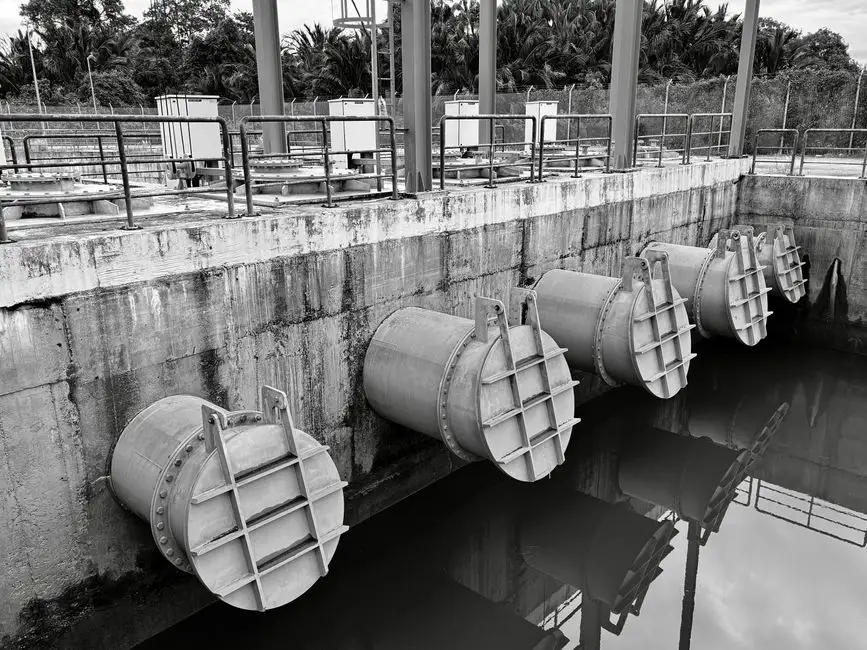
Specifying equipment in the wrong order is the second most common cause of TCEQ notices of violation at Texas hospitality sites. The 2026 process train below sequences unit operations to handle the four-stream surge and inhibitor profile described above.
Step 1 — Headworks screening. A GX rotary bar screen with 2–5 mm aperture removes rags, hair, and laundry lint before they reach the pump gallery. Below 2 mm, hair and lint migrate into membrane modules and foul them; above 5 mm, the screen passes enough solids to overload the biological stage. GX-series units are sized to the peak hourly flow, not the average, because the laundry discharge surge hits before the biological basin has time to equilibrate.
Step 2 — Flow equalization. A dedicated EQ tank sized for 8–12 hours of peak flow, with submersible mixers running at low RPM to prevent aeration and to dampen BOD surges. The tank also serves as a surge buffer for the membrane feed pump, which cannot tolerate the 1.8–2.5× hydraulic spikes that come off a fully booked Saturday night.
Step 3 — Biological treatment. Two equipment families cover the full hospitality range. For smaller resorts in the 1–80 m³/h range, a WSZ underground package plant with A/O contact oxidation delivers 60–75% BOD removal in a buried, landscaping-friendly footprint. For larger properties needing reuse-grade effluent, an MBR membrane bioreactor system delivers 90–95% BOD removal at 10–2,000 m³/day, with the membrane stage acting as both a clarifier and a polishing barrier.
Step 4 — Membrane separation (MBR trains only). DF-series PVDF flat-sheet membrane modules with 0.1 μm nominal pore size, available in 80–225 m² packs producing 32–135 m³/day per unit. Flat-sheet geometry consumes 10–20× less energy than external cross-flow hollow-fiber, and the modules tolerate the backwash cycles that FOG and surfactant spikes otherwise demand.
Step 5 — Disinfection. An on-site chlorine dioxide generator (50 g/h to 20,000 g/h) sized to meet the Type I reuse fecal-coliform limit of 14 CFU/100 mL. ClO₂ outperforms sodium hypochlorite at high pH and does not form trihalomethanes, which matters for any site that will reuse effluent for landscape irrigation. Compliance is benchmarked against EPA drinking-water standards, EU 98/83/EC, and WHO guidance.
Step 6 — Sludge handling. A plate-and-frame filter press dewaters waste activated sludge to 22–28% dry solids, reducing hauling volume by 80% versus a belt press. If upstream FOG is high, a lamella clarifier before the biological stage strips 90–95% of the oil and grease and protects the MBR membranes from irreversible fouling.
Step 7 — Optional reuse. Pump finished water to subsurface drip (Type I) or landscape spray (Type II) under 30 TAC §285. Reuse eliminates the surface-discharge permit pathway entirely and sidesteps Edwards Aquifer restrictions.
WSZ vs. MBR: Which Packaged System Fits Your Austin Property?
The decision between a buried WSZ package and a skid-mounted MBR is the single most consequential equipment call an Austin developer makes in 2026. The short rule: WSZ fits when average daily flow is below 50 m³/day and the site has no reuse mandate; MBR fits when reuse is required, the footprint is constrained, or influent BOD is consistently above 400 mg/L.
The WSZ underground package plant is a self-contained A/O contact-oxidation unit buried with landscaping above, with an internal secondary clarifier. It needs no dedicated operator, runs at 60–75% BOD removal, and produces a secondary-quality effluent that requires downstream disinfection before any reuse. Footprint is roughly 60% of a comparable above-grade concrete basin because the cover slab doubles as the access deck.
The MBR membrane bioreactor system, paired with DF-series PVDF flat-sheet membrane modules, achieves 90–95% BOD removal with sub-1 μm effluent — clear enough for Type I reuse. MBR footprints run 60% smaller than a conventional activated-sludge train because the membrane replaces both clarifier and sand filter. Energy use for the flat-sheet membrane stage is 10–20× lower than external cross-flow hollow-fiber designs. MBR also handles ammonia-nitrogen better under TCEQ's 10 mg/L NH3-N limit during winter low-temperature nitrification, as detailed in the ammonia-nitrogen MBR engineering guide.
| Criterion | WSZ underground package | MBR with DF flat-sheet modules |
|---|---|---|
| Design flow range | 1–80 m³/h (5–50 m³/day typical) | 10–2,000 m³/day |
| BOD removal | 60–75% | 90–95% |
| Effluent TSS | 15–30 mg/L | < 1 mg/L |
| Reuse-ready (30 TAC §285) | Type II only, with downstream filtration | Type I direct |
| CAPEX band (2026, USD) | $25,000–$180,000 | $120,000–$650,000 |
| OPEX (USD per m³ treated) | $0.5–$1.0 | $0.8–$1.8 |
| Operator requirement | None if < 5,000 gpd | Class I TCEQ license > 5,000 gpd |
| Best fit | Small lodge, no reuse, view-sensitive site | Resort with landscape irrigation, Edwards Aquifer |
Pretreatment Upgrades Many Austin Resorts Miss in 2026
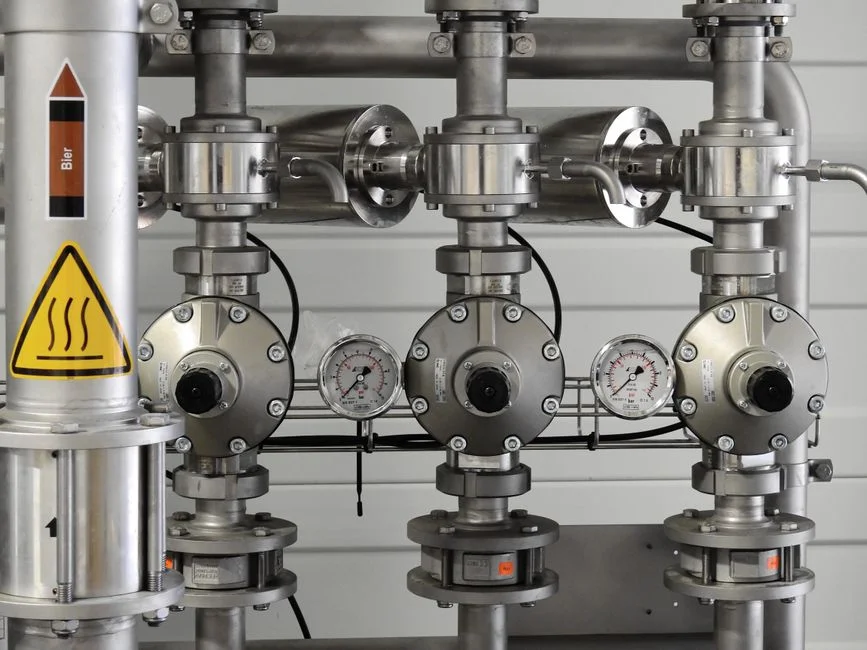
Most TCEQ notices of violation at Texas hospitality plants trace back to one of three pretreatment gaps. Closing them before commissioning is far cheaper than retrofitting after a notice arrives.
Kitchen FOG. A dissolved air flotation unit (4–300 m³/h) ahead of the biological stage removes 90–95% of influent oil and grease and protects MBR membranes from irreversible fouling. Sizing must match the kitchen peak discharge window, not the average day, because a Saturday-night banquet will dump a full day's FOG load into a 90-minute period.
Laundry lint and surfactant. A dedicated lint trap plus a surfactant-tolerant biological stage is the minimum. Pairing the trap with a high-efficiency sedimentation tank reduces coagulant consumption by up to 30% and protects downstream biology from MBAS shock. On-site laundries at resort properties generate 8–15 m³/day per 100 rooms, with surfactant loads that foam unaerated zones.
Pool and spa backwash. Backwash must be neutralized (sodium bisulfite dechlorination) and cooled before mixing with blackwater, because 1–3 mg/L free chlorine will knock out nitrification inside 24 hours. Routing backwash to a dedicated cooldown tank with a 4-hour detention is the standard fix.
Chemical stability. A PLC-controlled automatic chemical dosing system for pH adjustment and coagulant injection stabilizes influent before the biological reactor and prevents the pH excursions that crash nitrification during kitchen clean-up cycles.
2026 Cost, Compliance, and Approval Checklist for Austin Hospitality
CAPEX for a packaged Austin hospitality plant in 2026 falls into two bands. A WSZ underground package sized for 5–50 m³/day runs US$25,000–US$180,000 installed. A full MBR sized for 25–200 m³/day — including the DF flat-sheet membrane modules and the ClO₂ generator — runs US$120,000–US$650,000. A 100-room Austin hotel with landscape irrigation reuse typically lands at US$220,000–US$420,000 inside the MBR band (HydropureWater field data, 2026).
OPEX for either train runs US$0.8–US$1.8 per m³ treated, dominated by aeration electricity and ClO₂ chemical. Membrane replacement is a known cycle: every 7–10 years at US$30–US$55 per m² of flat-sheet membrane. Reuse configurations trade OPEX for avoided discharge fees, often paying back the membrane premium inside 4–6 years for sites over the Edwards Aquifer recharge zone.
The TCEQ submittal checklist in 2026 has tightened. Required attachments: site plan with setbacks, design criteria package referencing Chapter 307, reuse justification (if §285 applies), sludge disposal plan, and a Class I operator license or a service contract for any plant above 5,000 gpd. Over the Edwards Aquifer recharge or contributing zone, the application must also include a geotechnical liner specification and a no-surface-discharge attestation, per EAA Critical Habitat rules. Timeline runs 90–150 days for TCEQ review, 60–90 days for installation, and a 30-day commissioning and bacteriological clearance window before reuse begins.
| Item | 2026 figure or requirement | Source |
|---|---|---|
| WSZ package CAPEX (5–50 m³/day) | US$25,000–US$180,000 | HydropureWater field data, 2026 |
| MBR CAPEX (25–200 m³/day) | US$120,000–US$650,000 | HydropureWater field data, 2026 |
| 100-room hotel MBR (reuse) | US$220,000–US$420,000 | HydropureWater field data, 2026 |
| OPEX (per m³ treated) | US$0.8–US$1.8 | HydropureWater field data, 2026 |
| Membrane replacement | 7–10 years, US$30–US$55/m² | DF-series spec, 2026 |
| Operator license threshold | Class I > 5,000 gpd | 30 TAC §285 / TCEQ |
| Type I reuse fecal coliform | ≤ 14 CFU/100 mL | 30 TAC §285.32 |
| TCEQ review timeline | 90–150 days | TCEQ, 2026 |
| Edwards Aquifer surface discharge | Prohibited (recharge/contributing zone) | EAA Critical Habitat rules |
For a side-by-side regulatory comparison across jurisdictions, the Ankara hotel wastewater guide covers the Turkish framework, and the Kampala resort wastewater guide covers the East African context.
Frequently Asked Questions
What is the minimum wastewater system a small Austin hotel (≤20 rooms) needs in 2026?
A packaged WSZ underground plant with a GX rotary bar screen, an 8–12 hour equalization tank, A/O contact oxidation, and a chlorine dioxide generator for disinfection. The system must meet 30 TAC §285 limits if any portion of the effluent is reused for landscape irrigation, and a TPDES permit is required for any surface discharge to a Water Quality Segment.
Can a resort in the Edwards Aquifer recharge zone discharge treated wastewater?
No. Under the Edwards Aquifer Authority Critical Habitat rules, no surface discharge of treated wastewater is allowed over the recharge or contributing zones. The only compliant paths are Type I subsurface reuse under 30 TAC §285.32 or off-site haul-off to a permitted treatment facility.
How much does an MBR cost for a 100-room Austin hotel in 2026?
Typically US$220,000–US$420,000 installed, depending on whether the configuration targets reuse (Type I) or surface discharge (TPDES). Reuse configurations sit at the upper end because of the ClO₂ disinfection train and the additional subsurface drip irrigation pump station.
Do I need a TCEQ-licensed operator?
Yes. Any plant treating more than 5,000 gpd (about 19 m³/day) requires a Class I or higher operator, either on staff or under a service contract. Below 5,000 gpd, no licensed operator is required, but monthly self-monitoring reports are still mandatory under TCEQ general permits.
How long does TCEQ approval take in 2026?
90–150 days for a standard package plant. Sites in the Edwards Aquifer recharge zone or critical habitat areas run longer, typically 150–210 days, because of the geotechnical liner review and the no-surface-discharge attestation.